
Ways Into the Range
Four original circuits, shaped through years of fieldwork
The Espinhaço is a range of regions, each with its own terrain, way of life, and network of trails, roads, and waterways.
Our circuits trace these regions, not as fixed routes, but as possibilities through the range—frameworks that connect communities, landscapes, and the paths between them.
All of our crossings in the Espinhaço draw from the circuits.
Individually, each offers its own way into the range.
The Circuits
-
The Serra
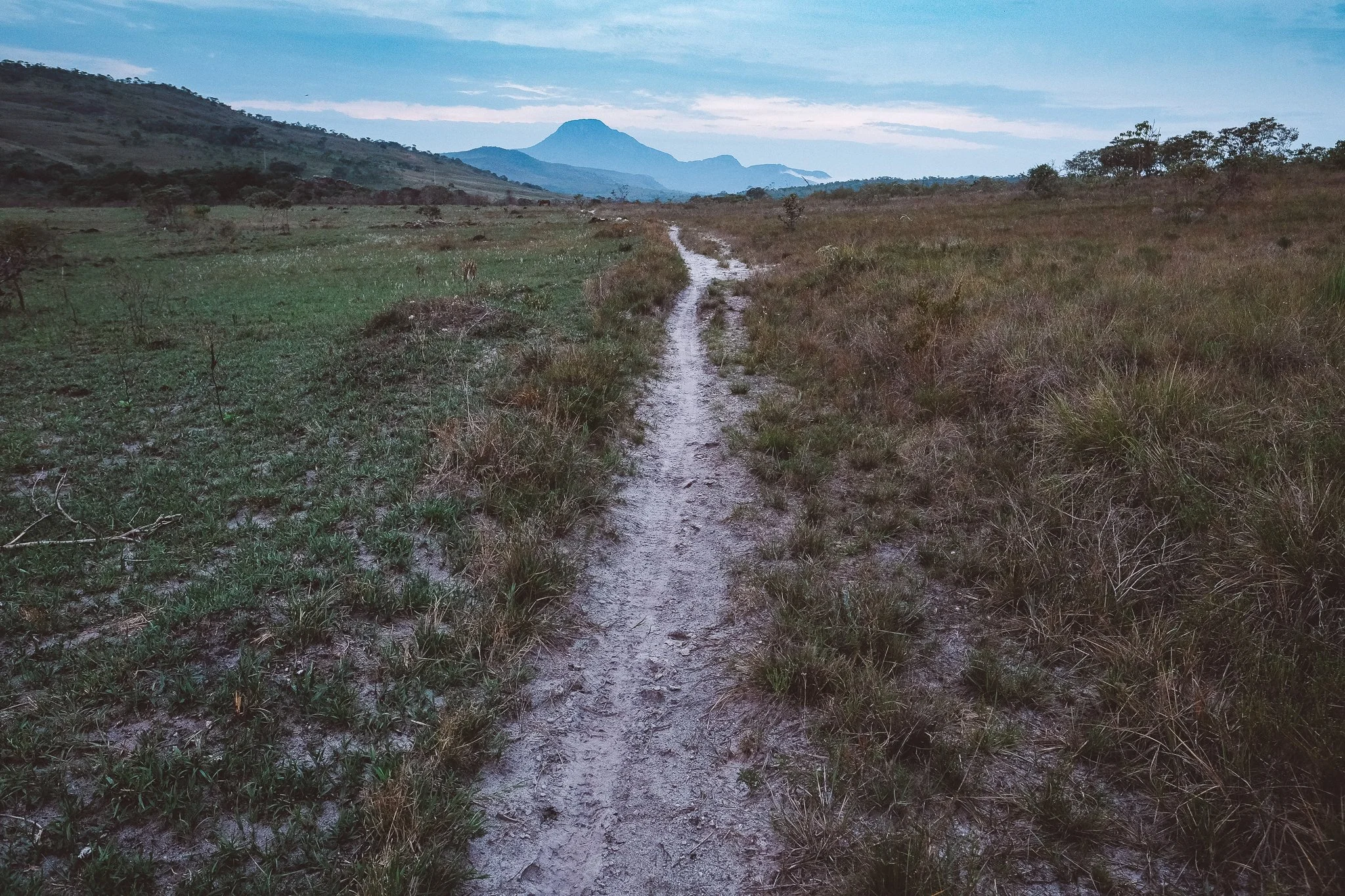
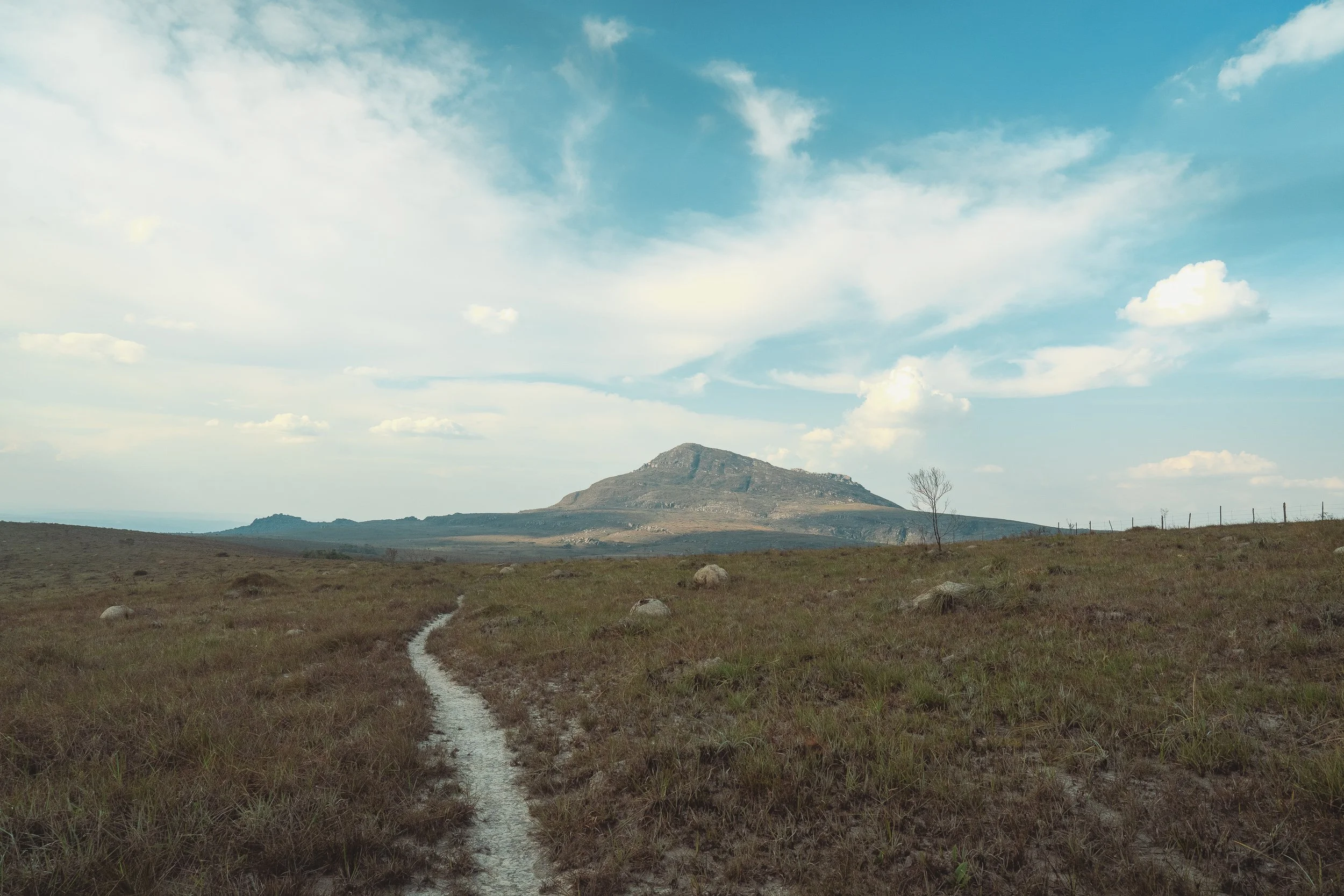
Soaring peaks, white-sand waterfalls, historic trails, and some of the savannah’s clearest expressions of campos rupestres.
The Serra is our circuit through the southeastern Espinhaço, a region of high ridgelines, open plateaus, and deeply cut valleys where trails and dirt roads link highland villages.
It’s the circuit we return to most often, and the one that brings the range into view right away.
-
The Garden
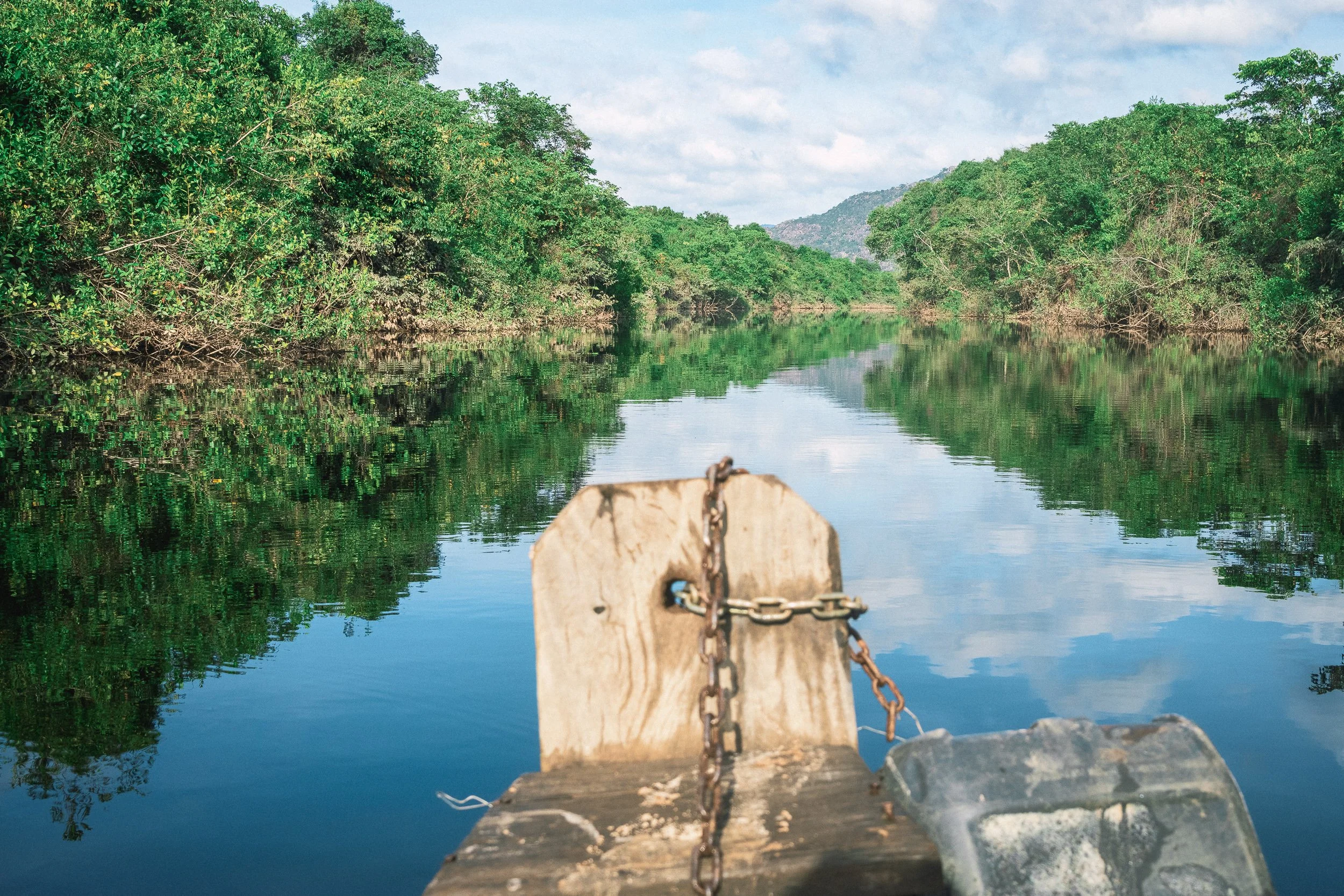
Lush veredas, windswept campos, slow-moving rivers, and villages that sit quietly along the edge of the plateau.
The Garden is our circuit through Sempre Vivas National Park and the river valleys along its eastern edge. It’s a landscape of high savannah and saturation, where routes are pieced together from faded trails and local knowledge.
We tend to cross it in stages, as part of longer routes through the range. Time here changes the pace of everything that follows.
-
The Sertão
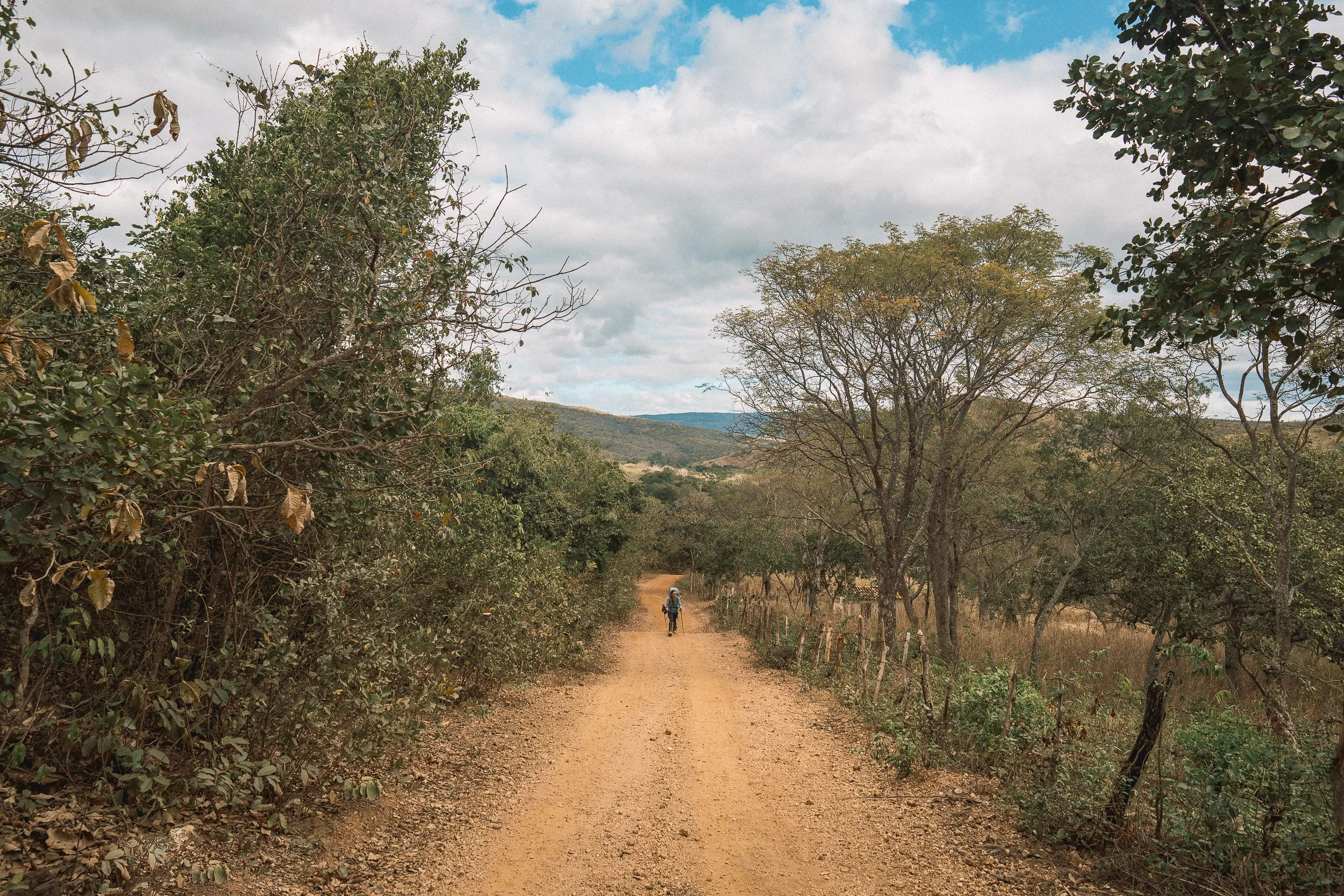
Rolling hills, wide horizons, and water that’s always just around the bend.
The Sertão is our circuit along the western reaches of the Espinhaço, a landscape of open roads, working land, gentle rivers, and small communities shaped by water, livestock, railroads, and time.
Distances stretch out here, and evenings follow with them, with long hours on the road and horseback giving way to time at tables, in cachoeiras, and on shaded front porches.
After long days elsewhere, time here settles differently.
-
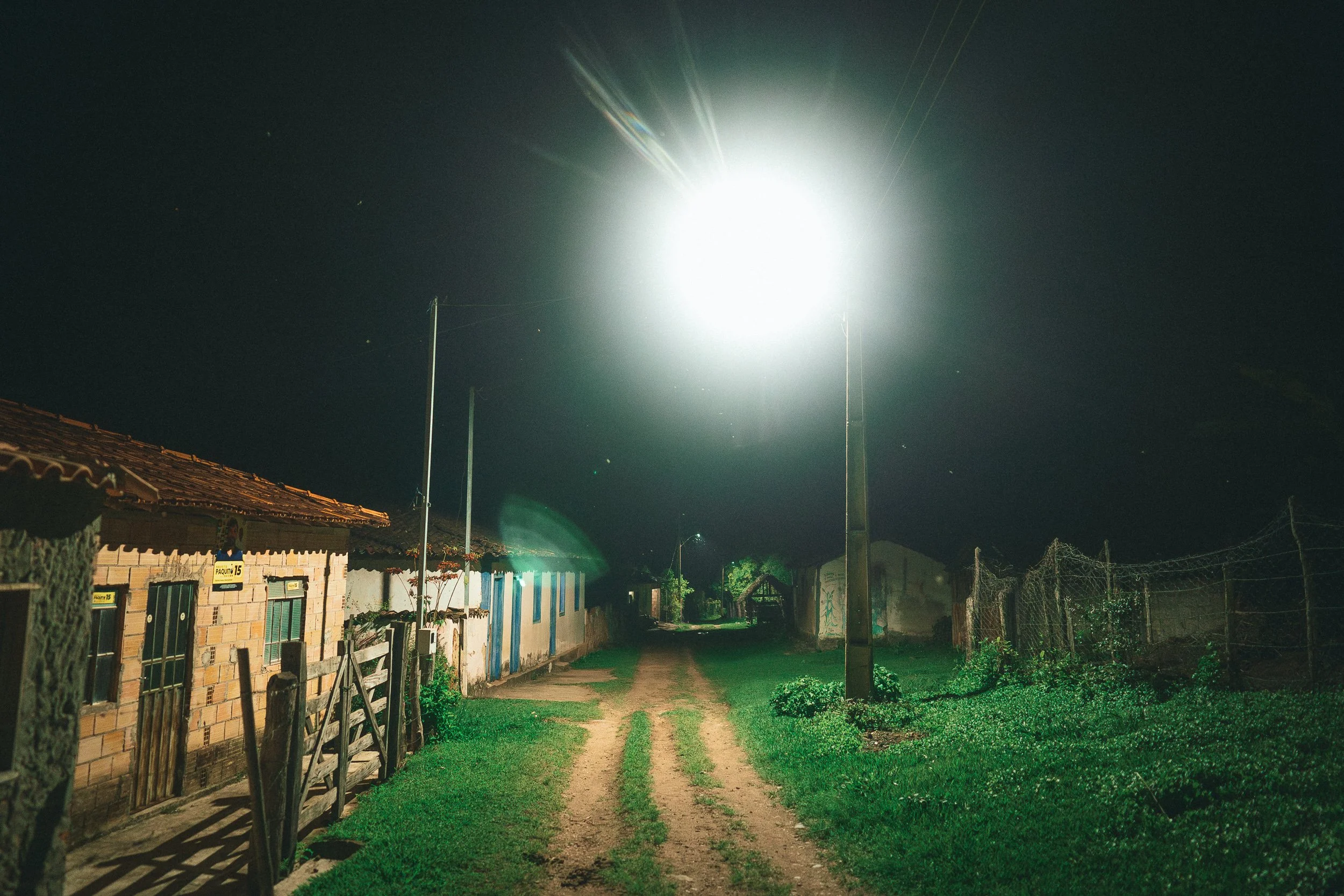
The Berço
Quiet river valleys, weathered mining districts, and older ways of life that continue largely unchanged.
North and northwest of Diamantina, the Espinhaço grows quieter. The terrain becomes more varied, trails narrow and fade, and movement follows the paths of those who have lived and worked here for generations.
The Berço is our circuit through this part of the range, a place where travel slows, not only because the terrain demands it, but because the story asks it.
FAQs
-
No. We refer to them as circuits, but they’re not fixed routes—more like possibilities. Each is a region we’ve come to understand over time, with its own characteristics, communities, and network of trails, roads, and waterways.
On Bespoke expeditions, the circuits help us show travelers what’s possible in the range. We then build routes around your goals, dates, and the realities on the ground.
-
Absolutely. It all depends on your goals and the time available.
On shorter trips, staying within a single circuit usually allows for a deeper experience in that part of the range. On longer expeditions, combining circuits tends to work well and opens up more varied landscapes, communities, and experiences.
-
Not inherently. Difficulty depends less on the circuit and more on how the route is designed.
In general, the more ground we cover each day, the more demanding the crossing becomes. Terrain, elevation, accommodations, season, and support all play a role, and we shape each route accordingly.
-
The Espinhaço can be traveled year-round, though conditions change dramatically over the course of the year.
The dry season (May–September) is generally best for long treks and riding. The wetter months (October–April) bring greener landscapes, fuller waterfalls, and more variable trail conditions. Overland and mixed itineraries work well throughout the year.
Not sure which circuit fits?
We’re happy to talk it through.