
Field Trip No. 12
July 2025 | Serra do Espinhaço, Minas Gerais
Field notes, photographs, and musings from our twelfth multi-week research trip in Brazil’s Serra do Espinhaço.
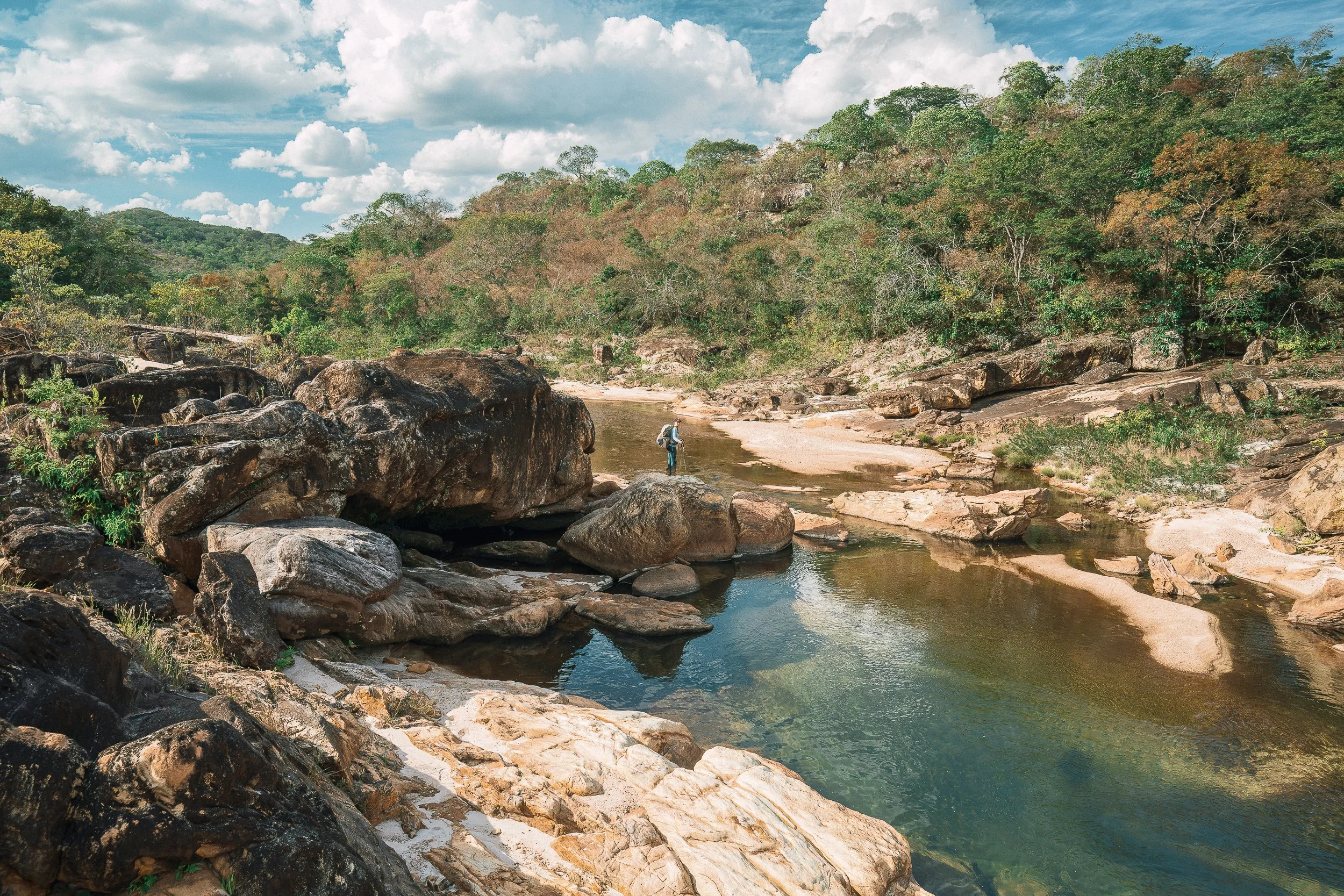
Rio Pinheiros. Day 19
I.
Backstory / Backdrop
Our fourth year living full-time in the Serra do Espinhaço has been markedly different.
In late January, after two years living with us in Diamantina—first at the motorcycle school outside of town, and later at Ana’s apartment near the centro—our oldest son, Luca (now 15), moved back to São Paulo to be closer to his mom and Tiago (14). Elisa and I took it as our cue to leave Diamantina as well.
Diamantina may be my favorite small city on earth (population 25,001 ≥ 49,999; there are levels to this), but the truth is that for all its architecture, bohemia, becos, and location at the heart of the range, we never would have chosen to live there during this phase of our lives had it not been for Luca’s school.
Elisa and I considered several rural communities—Inhaí, São João da Chapada, Santa Rita, and Conselheiro Mata among them—before ultimately deciding to move “back” to São Gonçalo do Rio das Pedras (official population: 1,664; actual population: closer to 800), where we first met in November of 2019, and where we’ve built deep friendships over the years.
It turned out to be an amazing decision. Living full-time in São Gonçalo has been a game-changer for us: a chance to slow down (at least in the physical sense), focus on the work in front of us, and strip away all else. We live in an impossibly peaceful house overlooking a forest-enshrouded valley, meters away from the top of a waterfall whose sound fills every moment of the day and night.
We have little furniture aside from our desks and beds and our gear—the consequence of years spent living on the road and in tiny rental spaces. Just about everything we could possibly need (queijo, produce, pão, palheiros) is within walking distance. Things we don’t need are far enough away that they’ve mostly disappeared.
(Not having to drive almost anywhere in Gaúcha has been one of the biggest quality-of-life improvements imaginable—although it’s also meant asking neighbors to help push-start her every once in a while.)
We have a growing circle of friends, access to incredible locally grown produce, organic meats and dairy, and just enough padarias, butecos, and dinner parties to keep us from making the trip to Diamantina (just 33 km away, but also: the roads here).
When Luca unexpectedly decided to move back in with us in May after just a few months in São Paulo, our personal lives felt as complete and grounded as they had in years—maybe ever.
And yet, despite how welcoming our surroundings have been, Elisa and I have found ourselves spending more time at our computers than ever before.
Gift of Go has entered a new phase. Three years of fieldwork in the Espinhaço produced routes, relationships, and experiences we’re deeply proud of, but those experiences have to be shared so that the work can continue.
The trails have been mapped. Histories recorded. Communities visited. Routes built and tested.
Now comes the second half of the journey: making that work discoverable to the rest of the world.
Our 2025 has thus revolved mostly around social media and content, as well as conversations with agents, agencies, and publications abroad. Online is where the magic (purportedly) happens. Laptops and phones are how we make it.
In early May—just weeks before Luca decided to return for yet another round of a vida mineira—Elisa and I began planning our first multi-week research expedition of the year: Field Trip No. 12. A slow-burning, 30-day east-west crossing of the range at the end of the month, when the cerrado would still be in bloom and waterfalls would still be gushing from late summer rains. A chance to leave our desks, move our bodies, explore new trails, and reconnect with the range.
Luca’s unexpected return required us to reschedule the trip at the last second.
Tiago’s winter vacation in July provided us with the perfect opportunity.
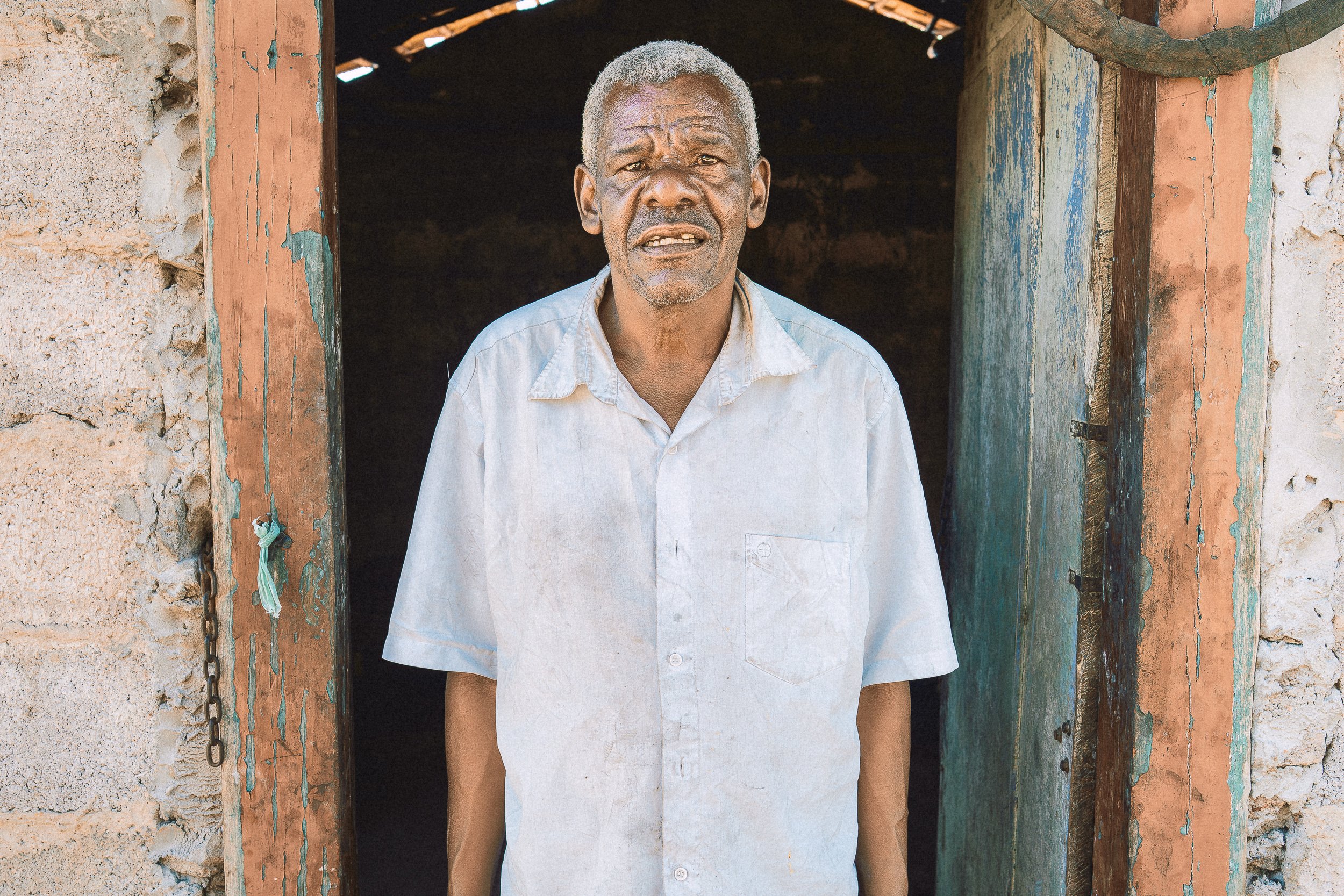
Cosme. Day 12
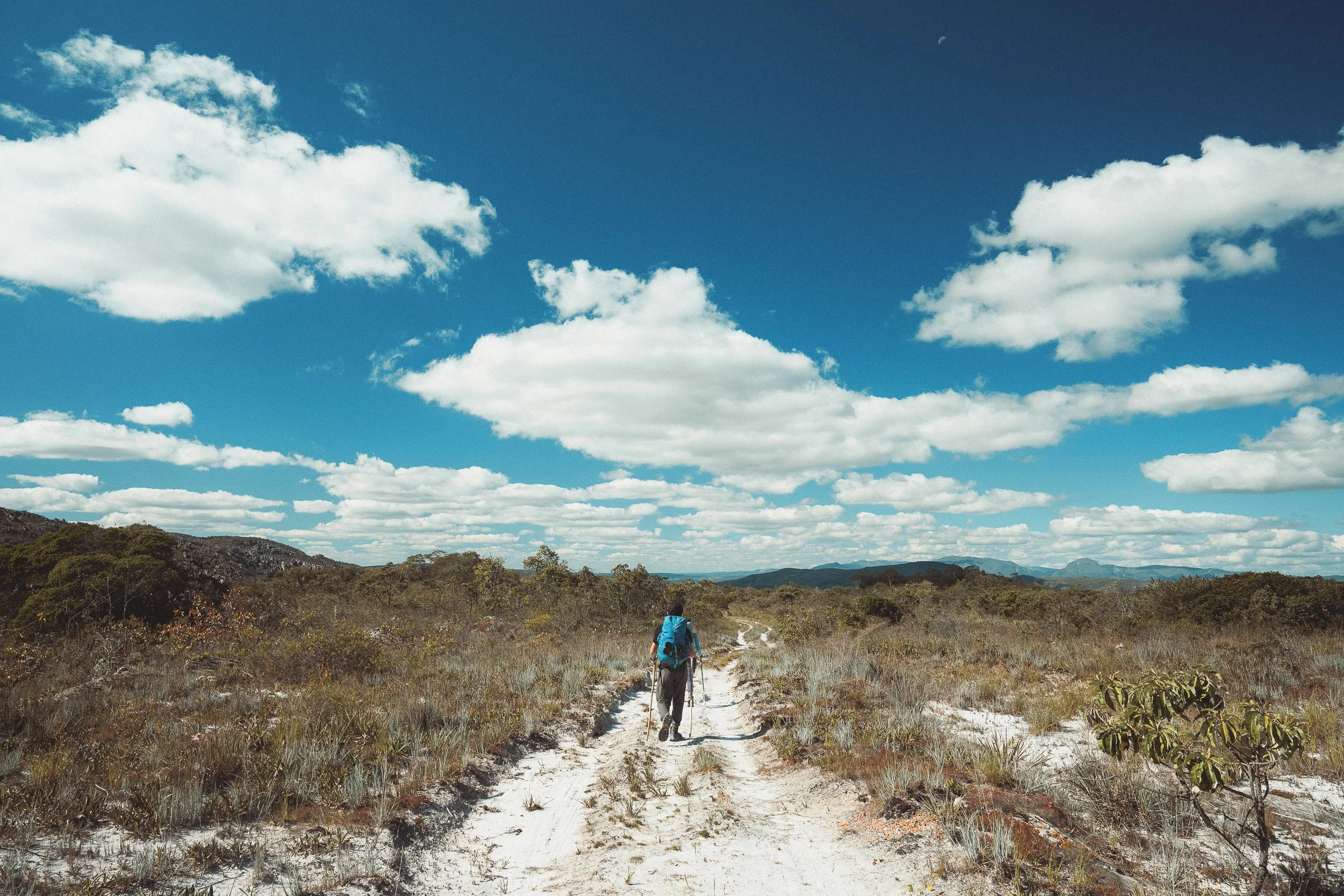
First Steps. Day 2
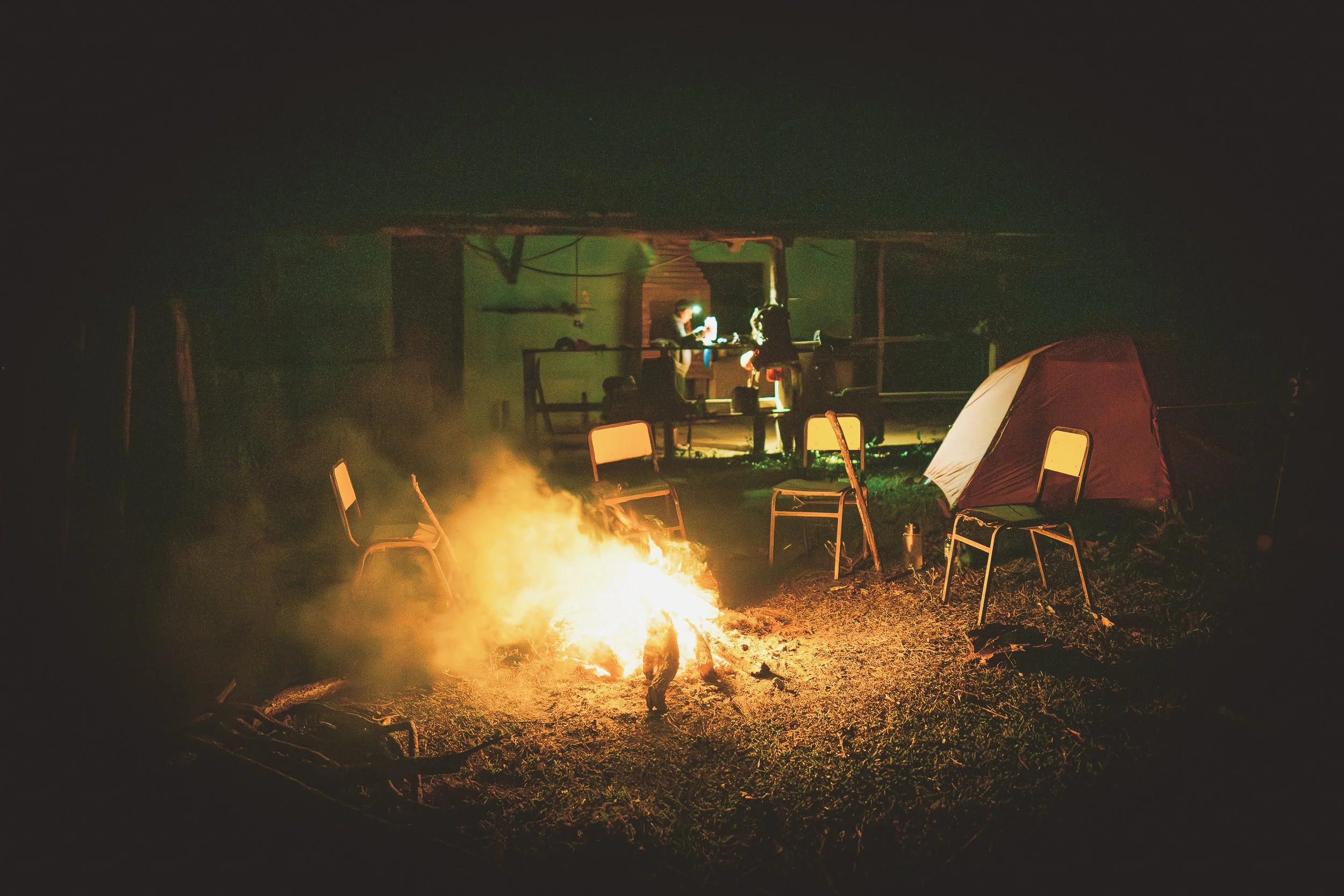
Gavião. Day 7
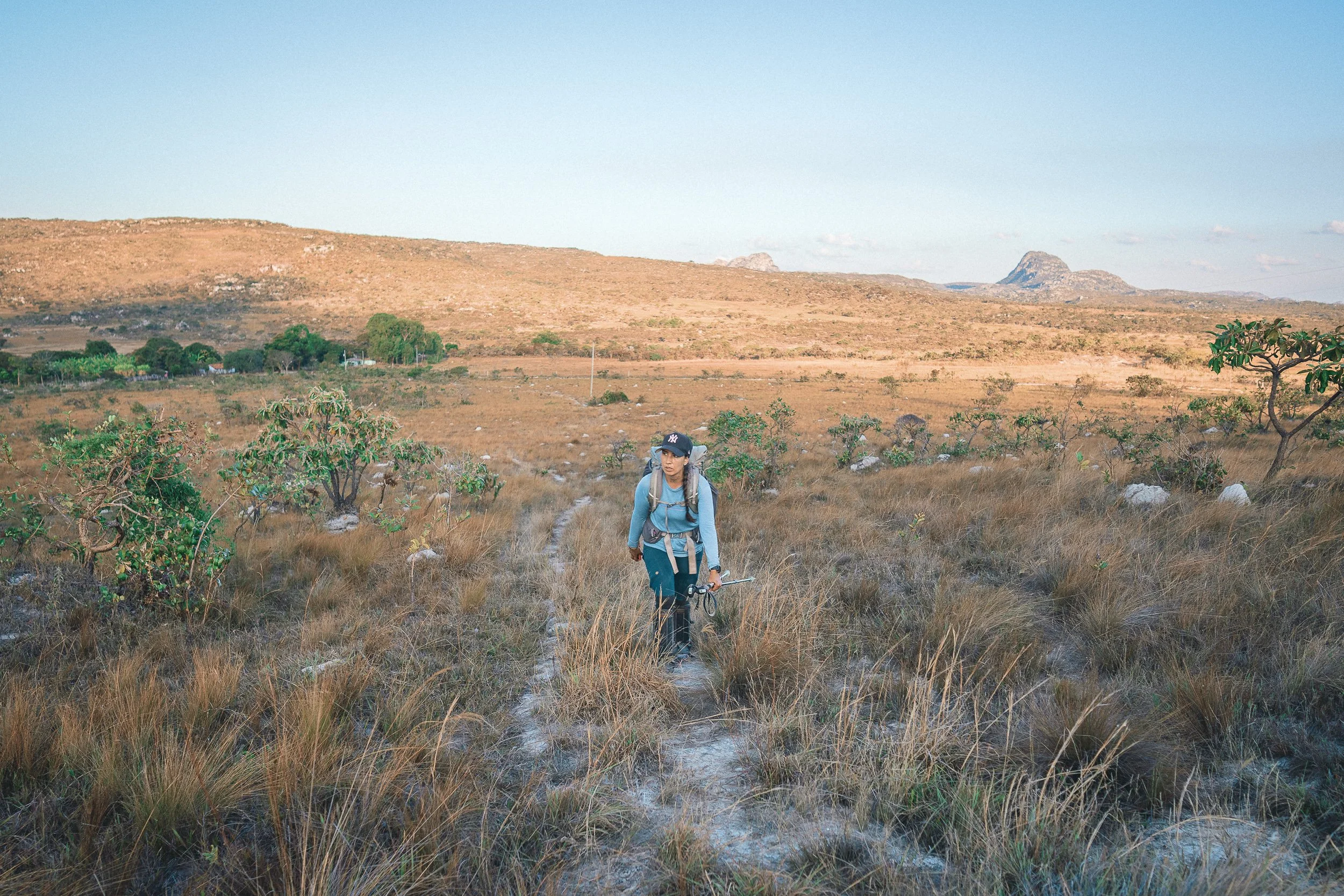
Near Santa Rita. Day 14
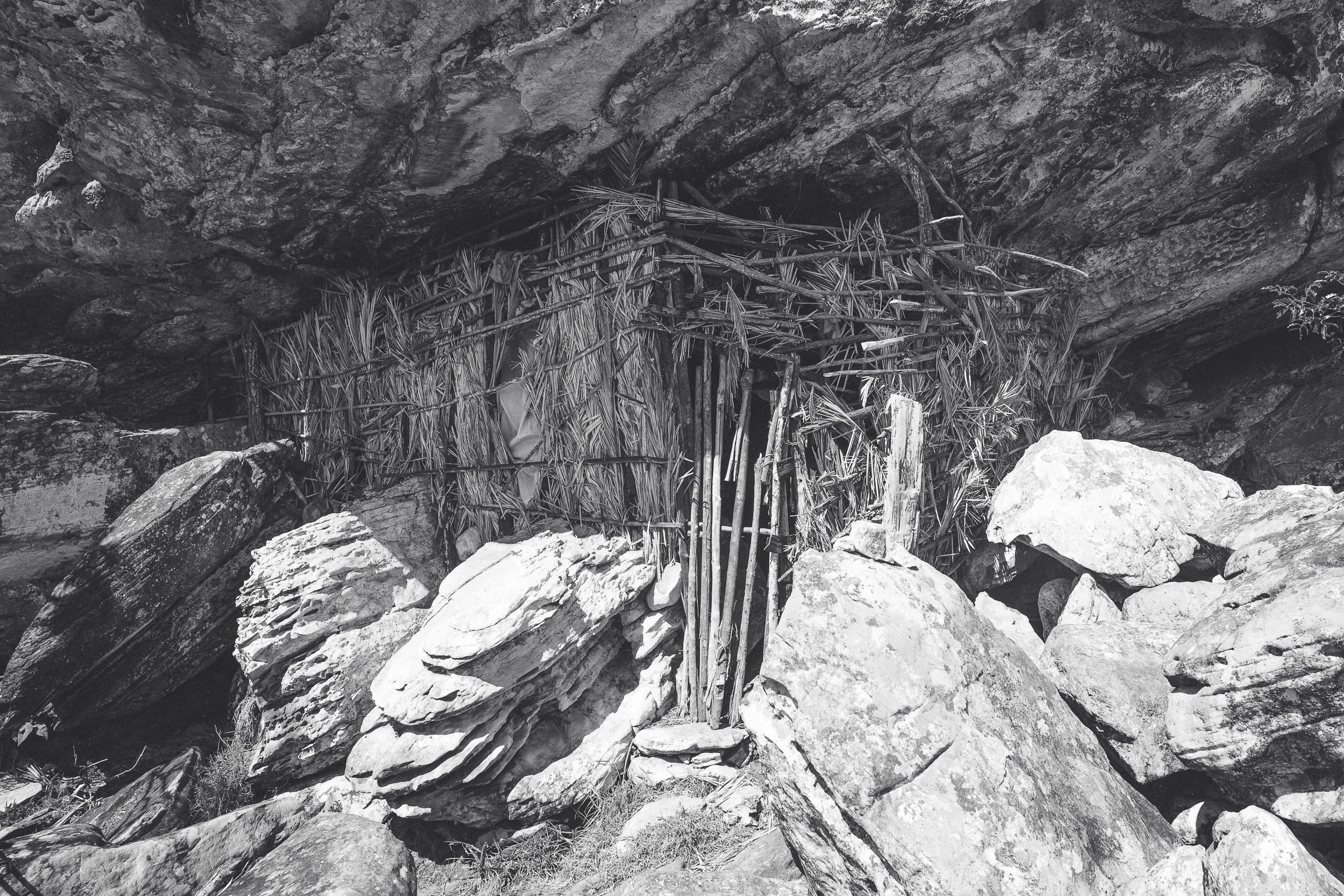
Flower-picker Shelter. Day 19
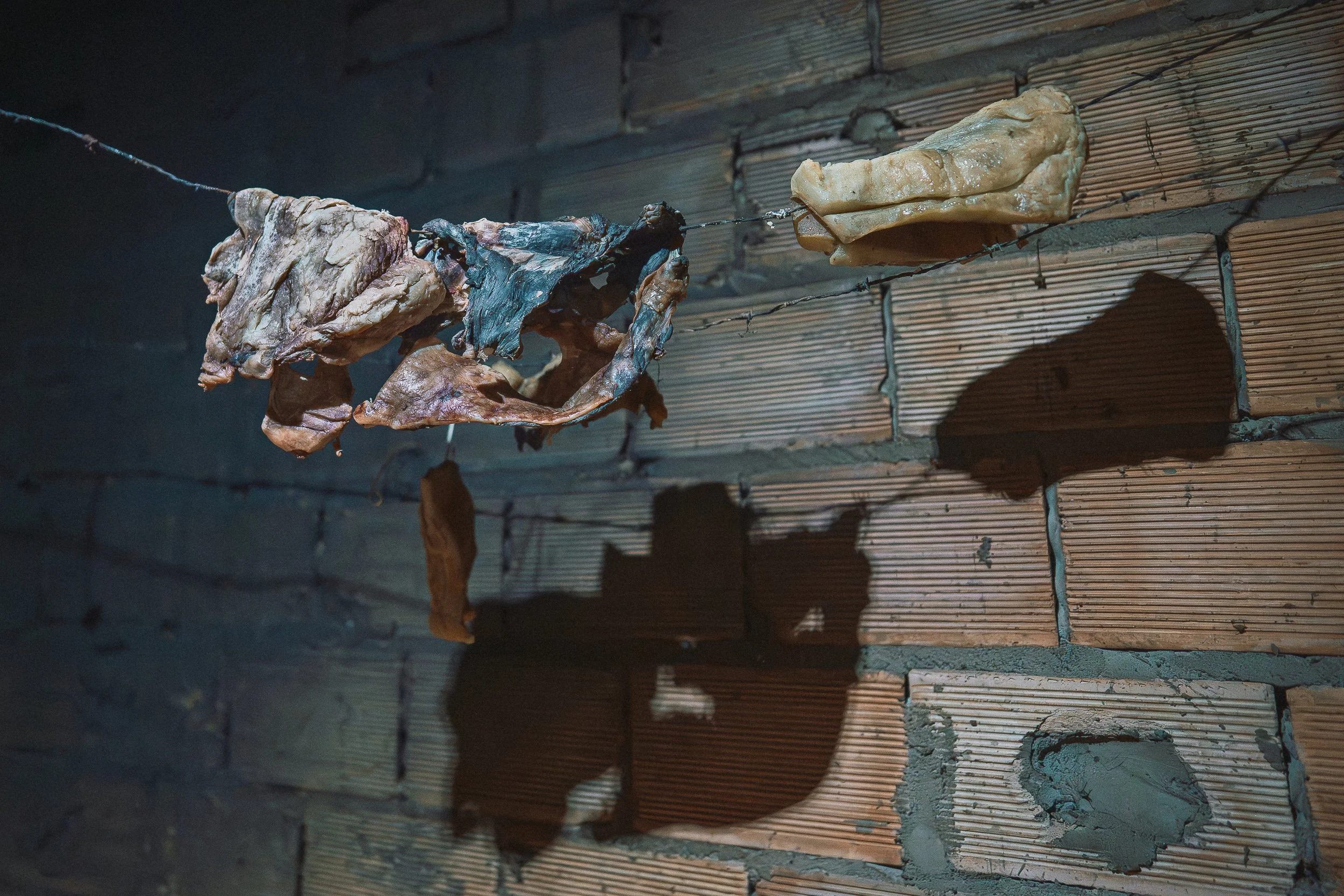
Dinner. Day 9
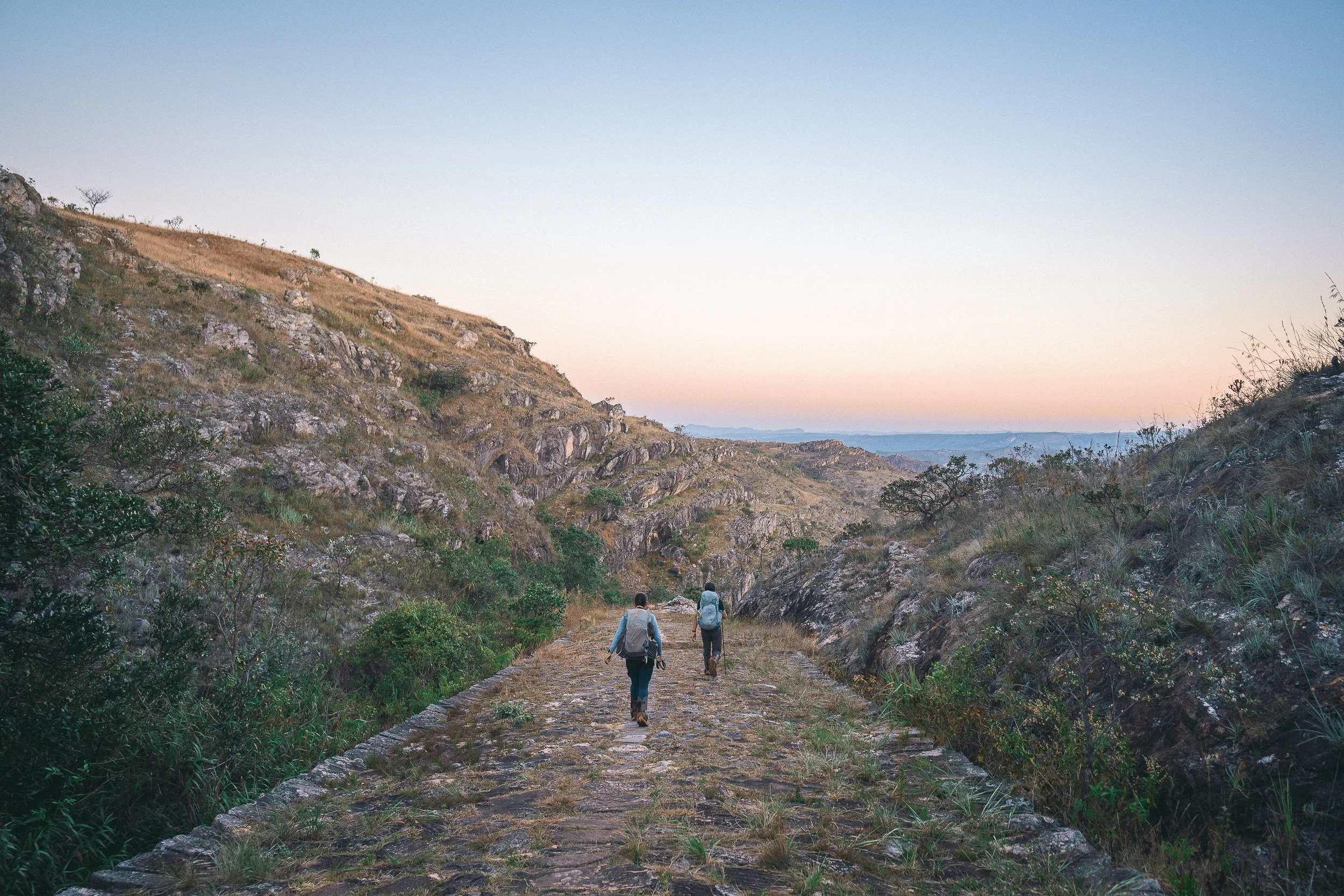
Final Steps. Day 20
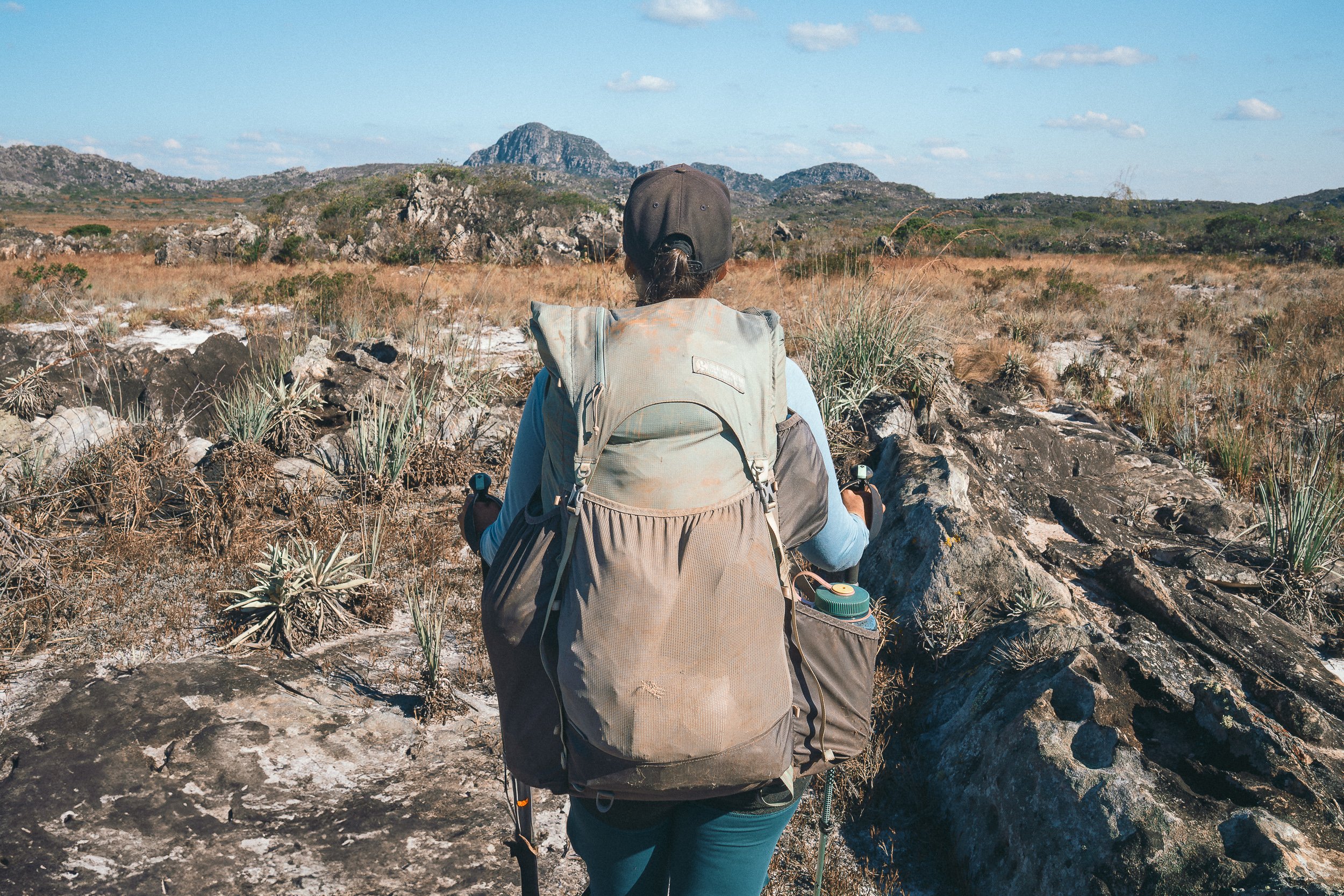
Tigre ou Onça. Day 14
II.
Numeros
Over the course of twenty days—fourteen trail days, four overlanding days, and two extremely well-placed rest days—Elisa, Tiago, and I traversed roughly 770 kilometers of high savannah: 249 km of trails, 321 km of (very) dusty backroads, and 200 km of asphalt in between.
We spent fourteen days trekking (although Elisa and Tiago rode horses for the first 23 km of Day 17), gaining and losing 13,711 meters of cumulative elevation. Along the way we crossed five conservation units in two biomes, visited thirteen communities, and stopped at five waterfalls.
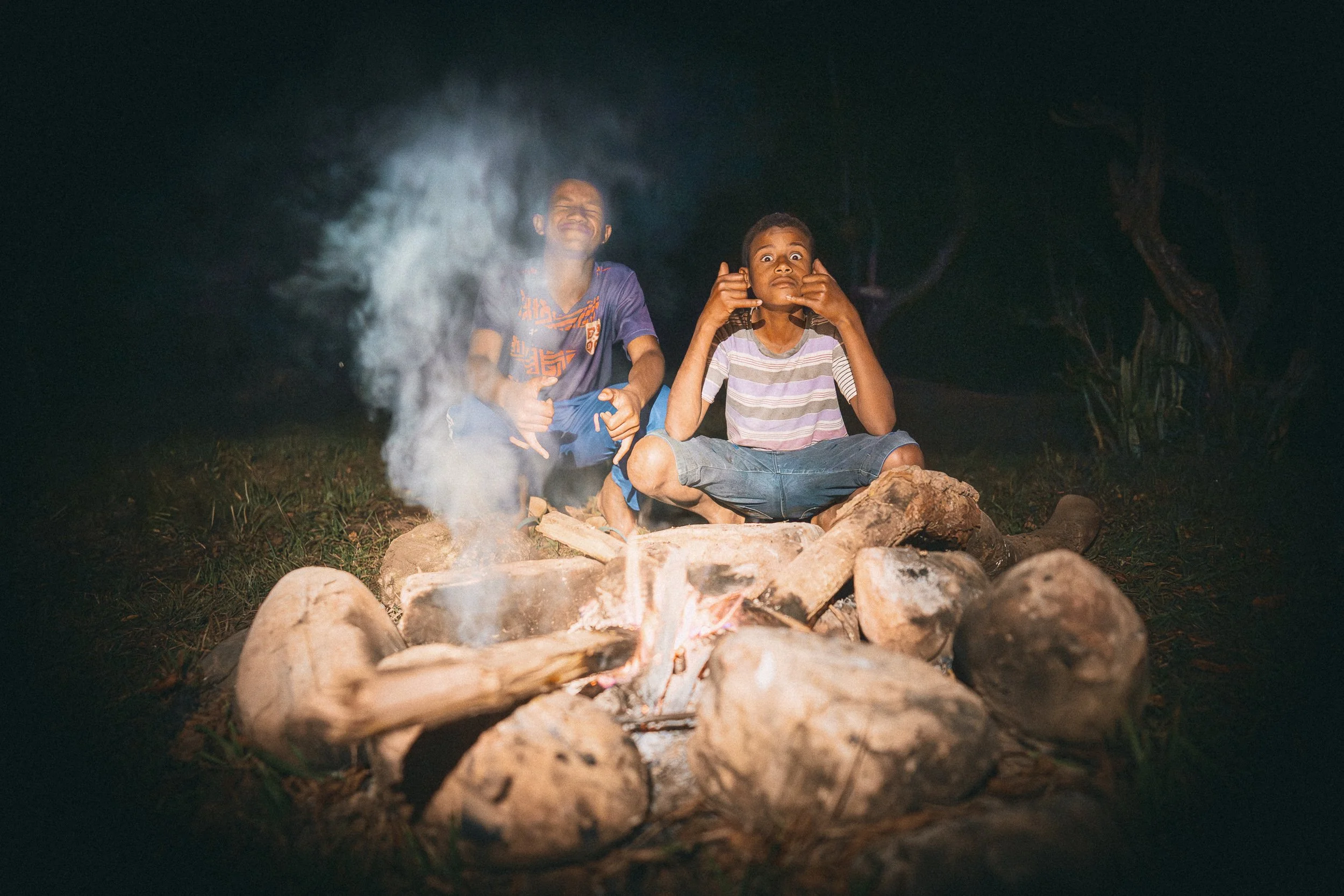
We pitched our tents four times and successfully started four campfires—an unexpectedly hard-fought accomplishment, considering the evening mist we encountered in the high campos.
To my dismay (and Tiago’s delight), we climbed exactly zero peaks.
We forded dozens of creeks and streams and crossed six rivers:
Rio Preto (east) – several times
Jequitaí – once
Pardo – once
Rio Preto (west) – five times
Caeté-Mirim – twice
Pinheiros – once
Wildlife encounters were minimal, but memorable: a lone, young pit viper sunning in a creek that came within centimeters of ending the trip early (we’d removed our boots and gaiters for the crossing).
In fourteen days on the trail, we saw just two other humans: a pair of rifle-carrying poachers inside Sempre Vivas National Park on Day 7.
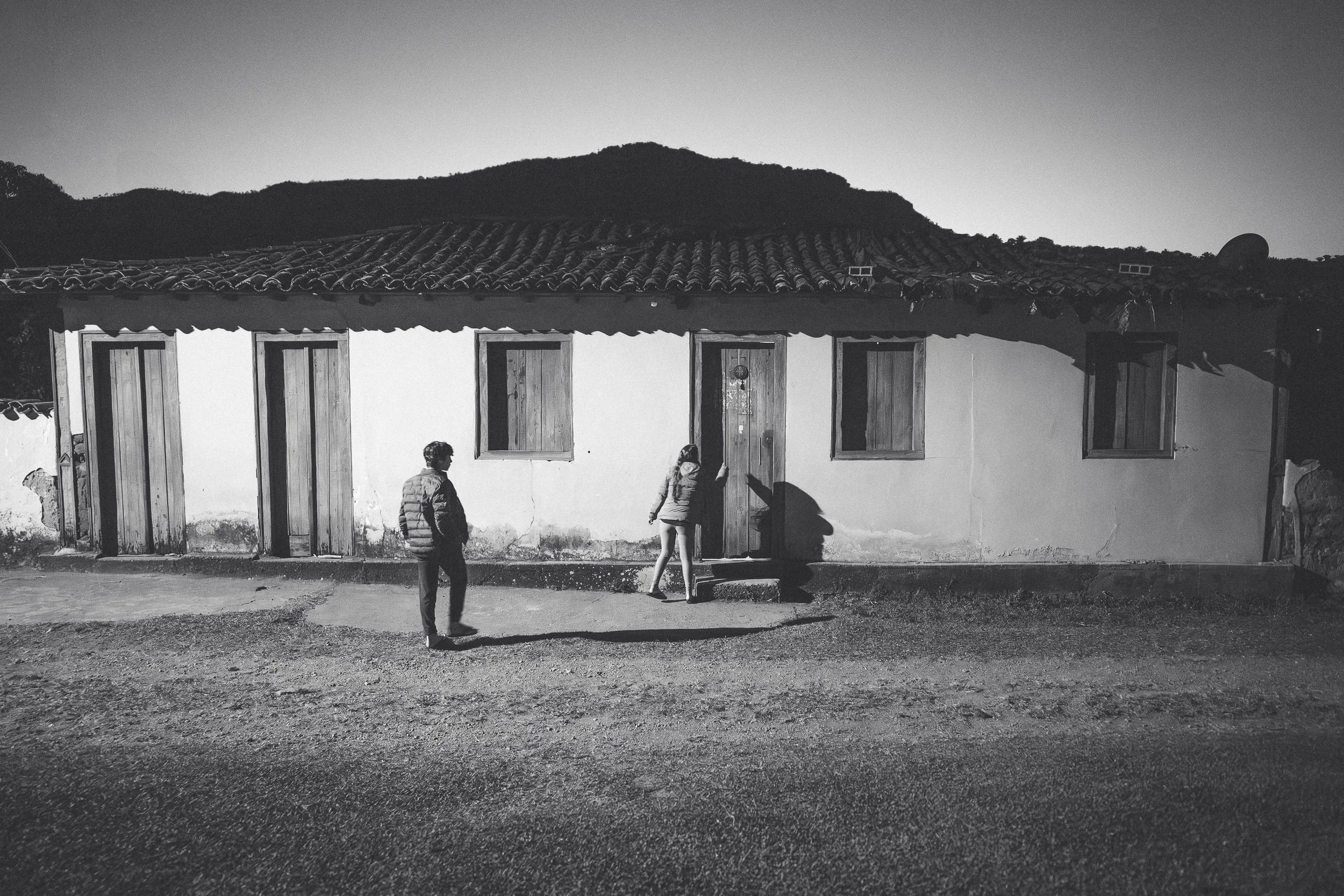
Dinner At Sinara’s. Day 18
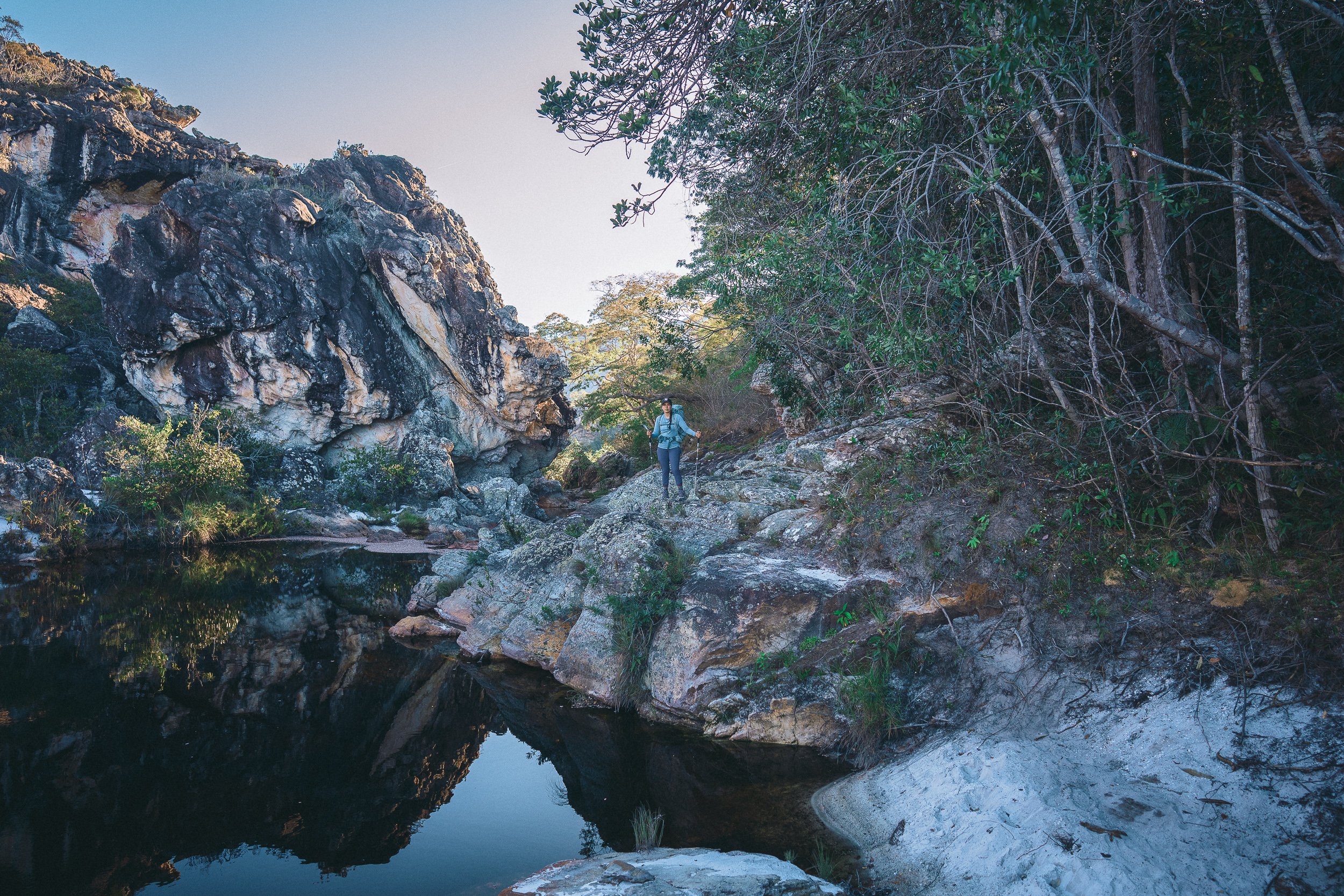
River Road. Day 2
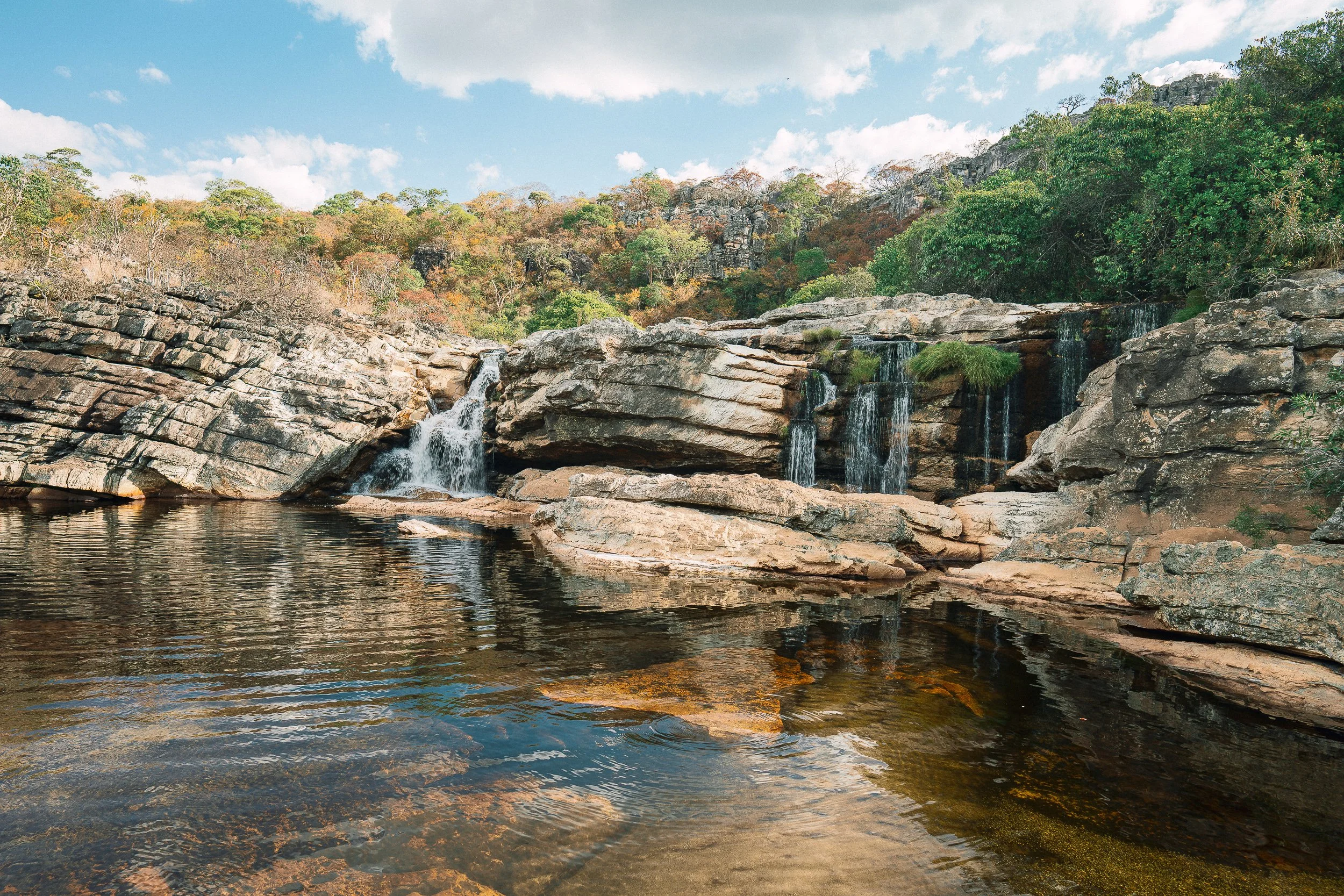
Kiddie Pool. Day 15

Camping near Capivara. Day 12
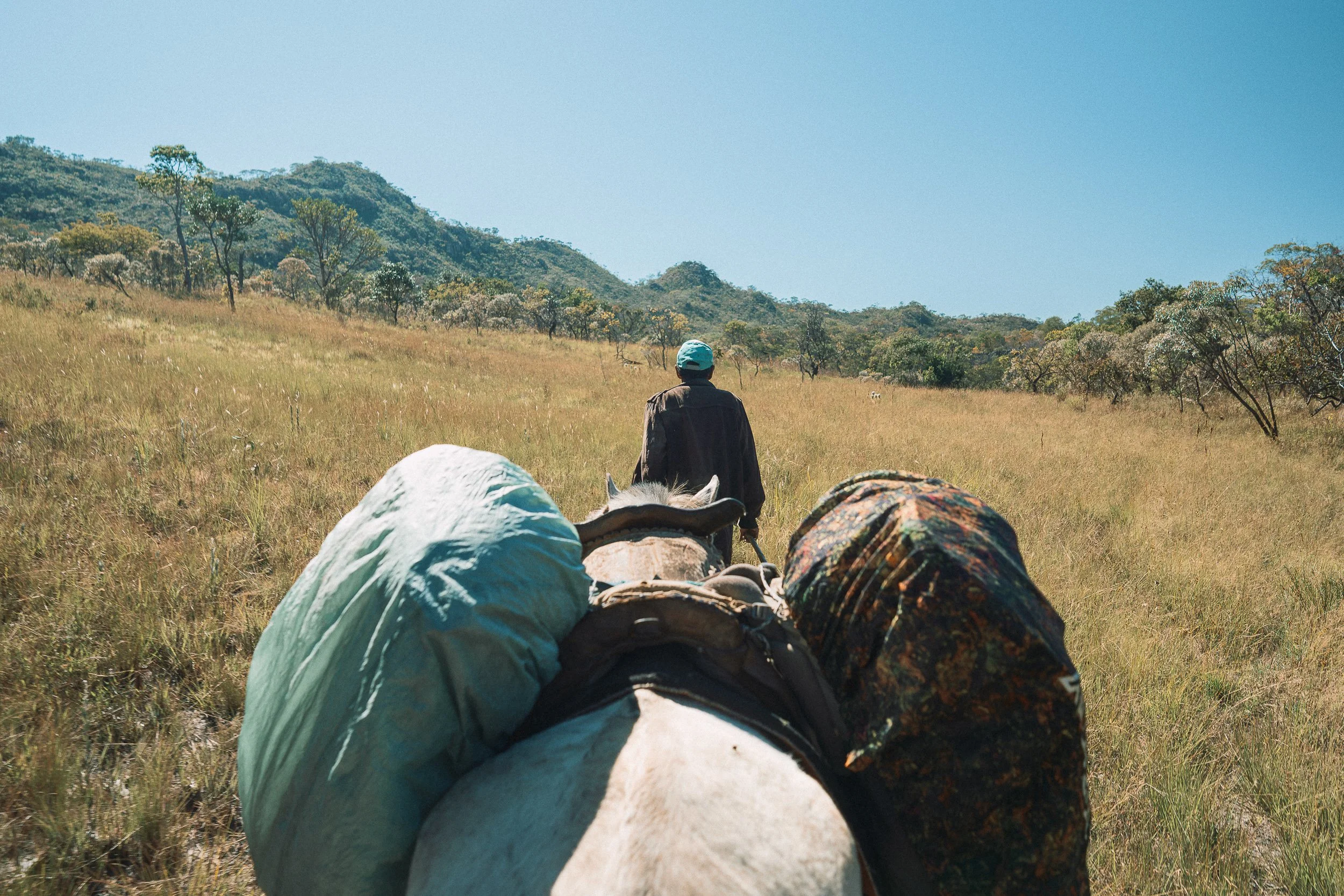
Vale do Rio Preto. Day 16
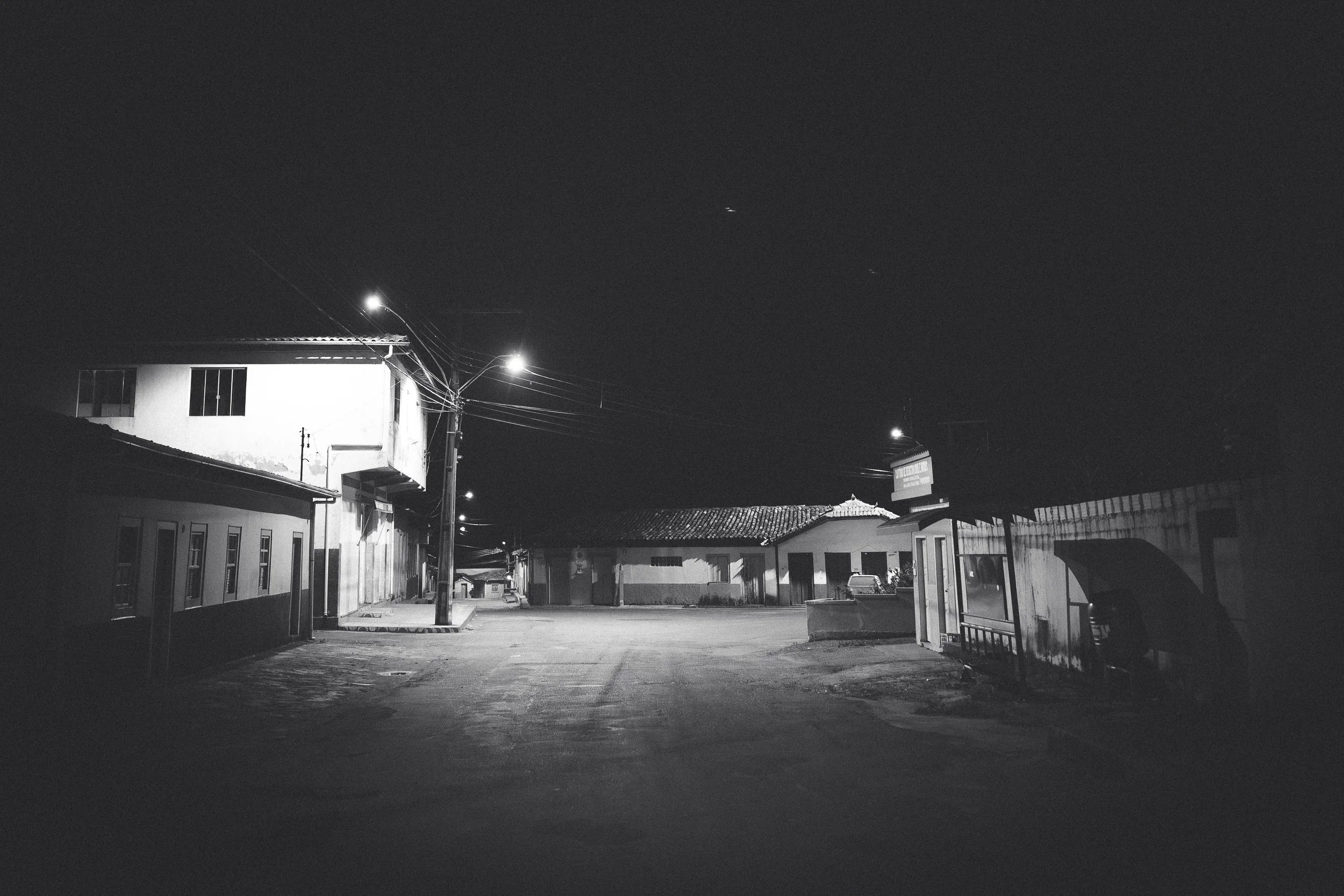
Downtown, São João. Day 12
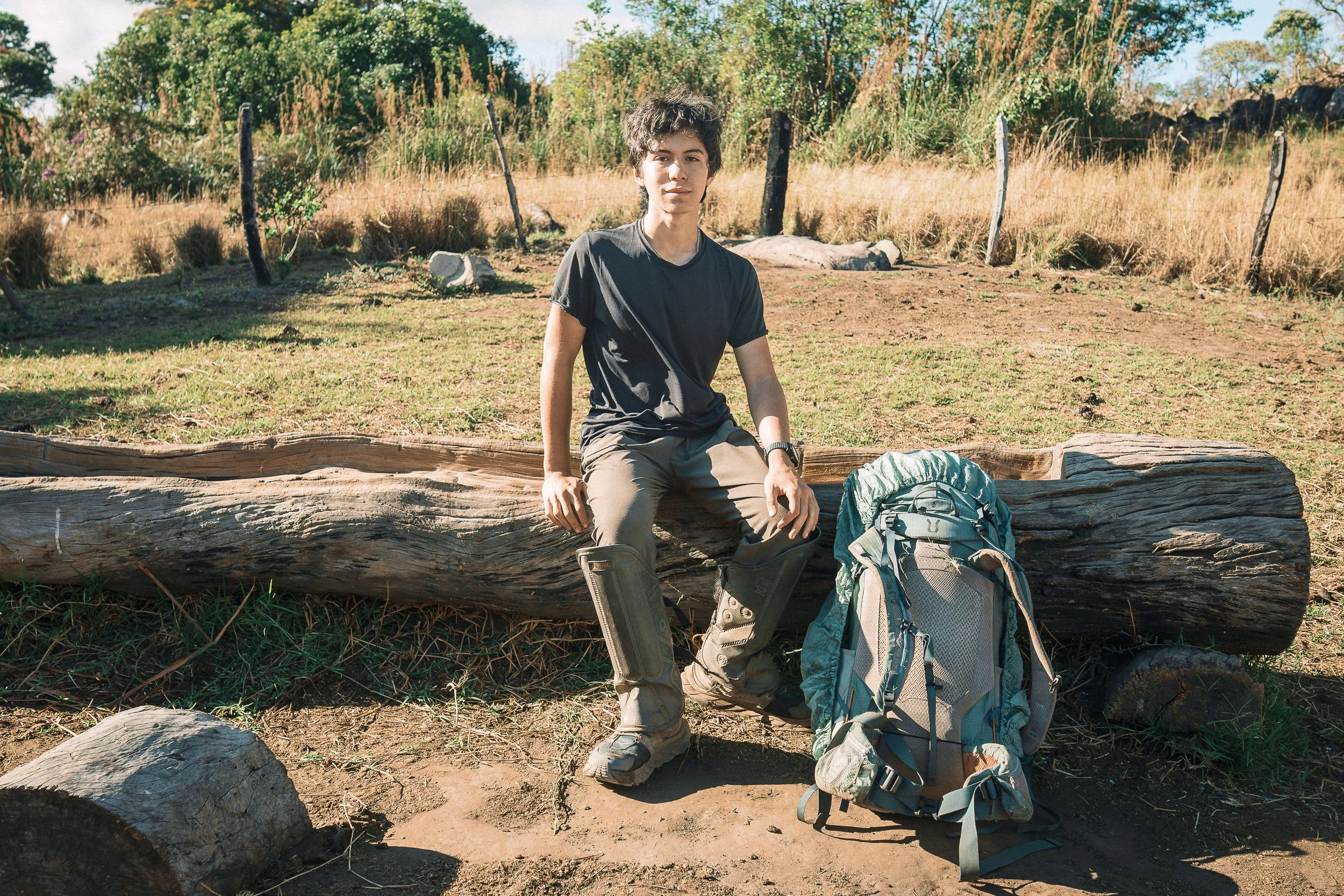
Portrait of a young explorer. Day 16
III.
An Owl Is Born
I’m not sure how many parents would trust their 14-year-old to bushwhack 250 km across untamed high-savannah wilderness, but Elisa and I have known Tiago too long to doubt him.
We’ve watched him face challenge after challenge, from moving between countries and cities and schools, to climbing tall peaks. Notably, he’d done a pair of week-long treks with us in 2023 and 2024 with little issue.
He’s resilient, adaptable, optimistic, and physically fit. He’s also incredibly witty (so trail banter is non-stop) and happens to be exactly my size, which means my packs, boots, and trekking poles fit him perfectly.
Honestly, I could write a thousand words about Tiago as a son and trail companion, but this is a field report, so I’ll just say this: if it were up to me, he’d come with us on every trip.
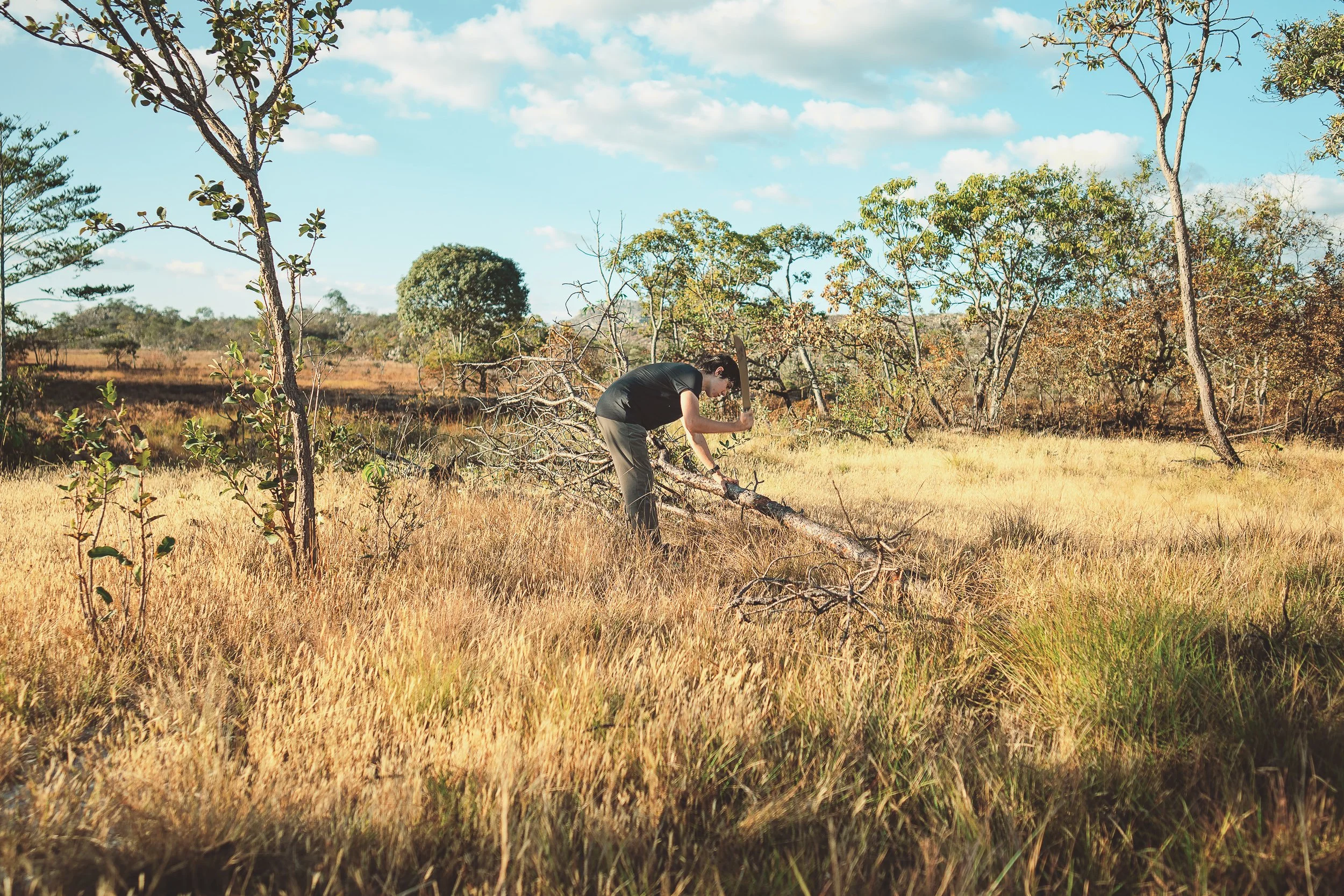
Firewood Duty. Day 13
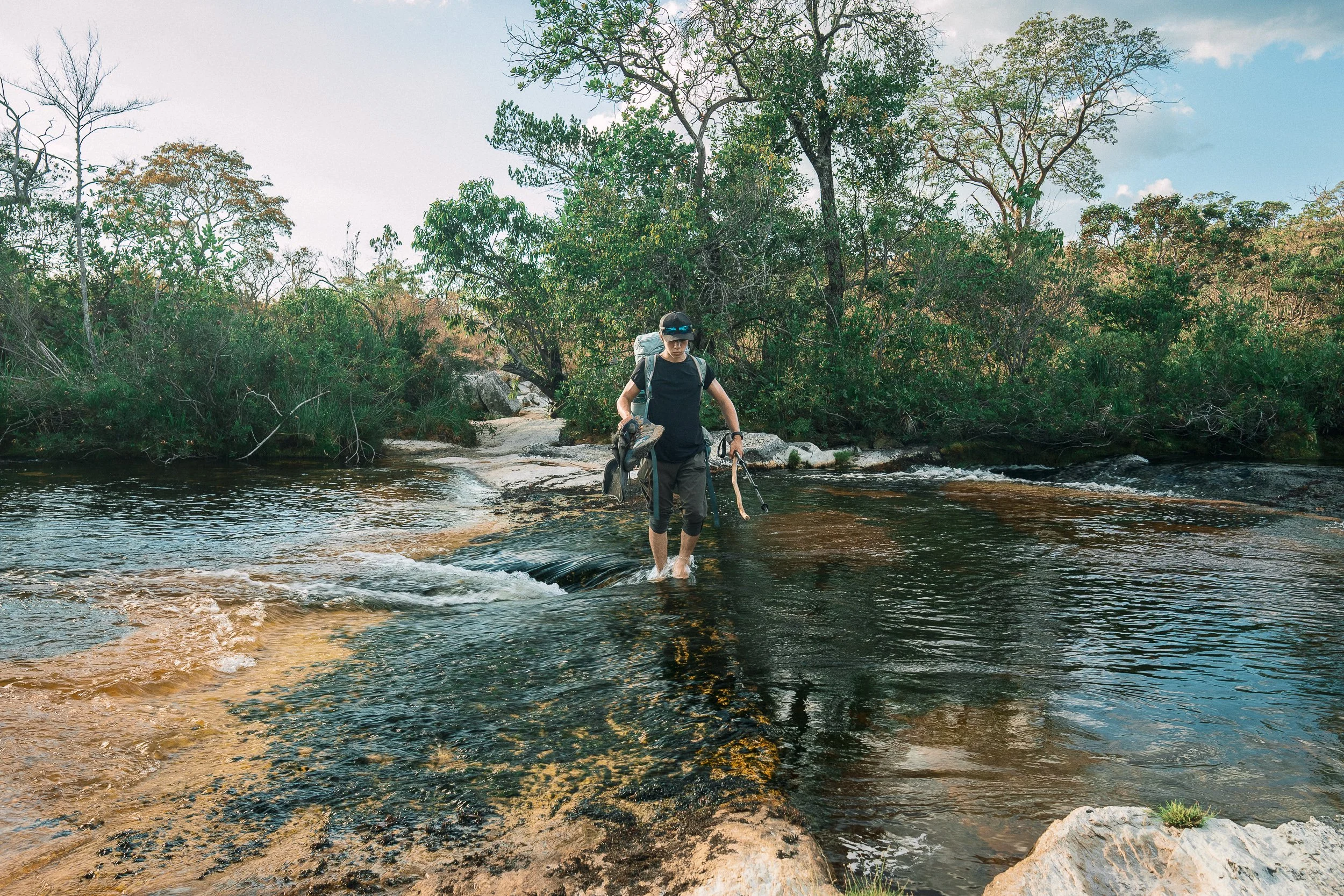
Crossing the Rio Preto. Day 15
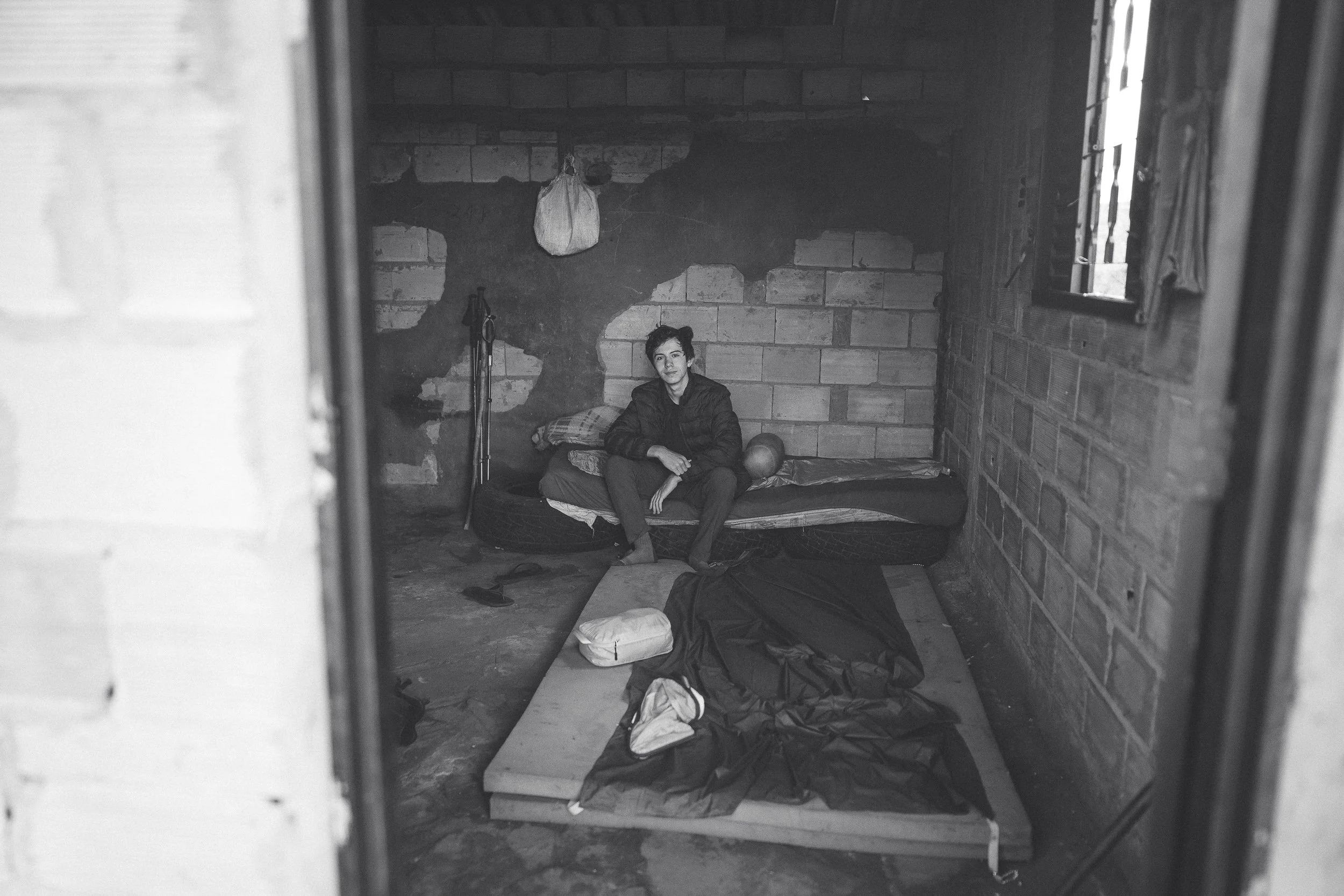
Breno’s House. Day 9
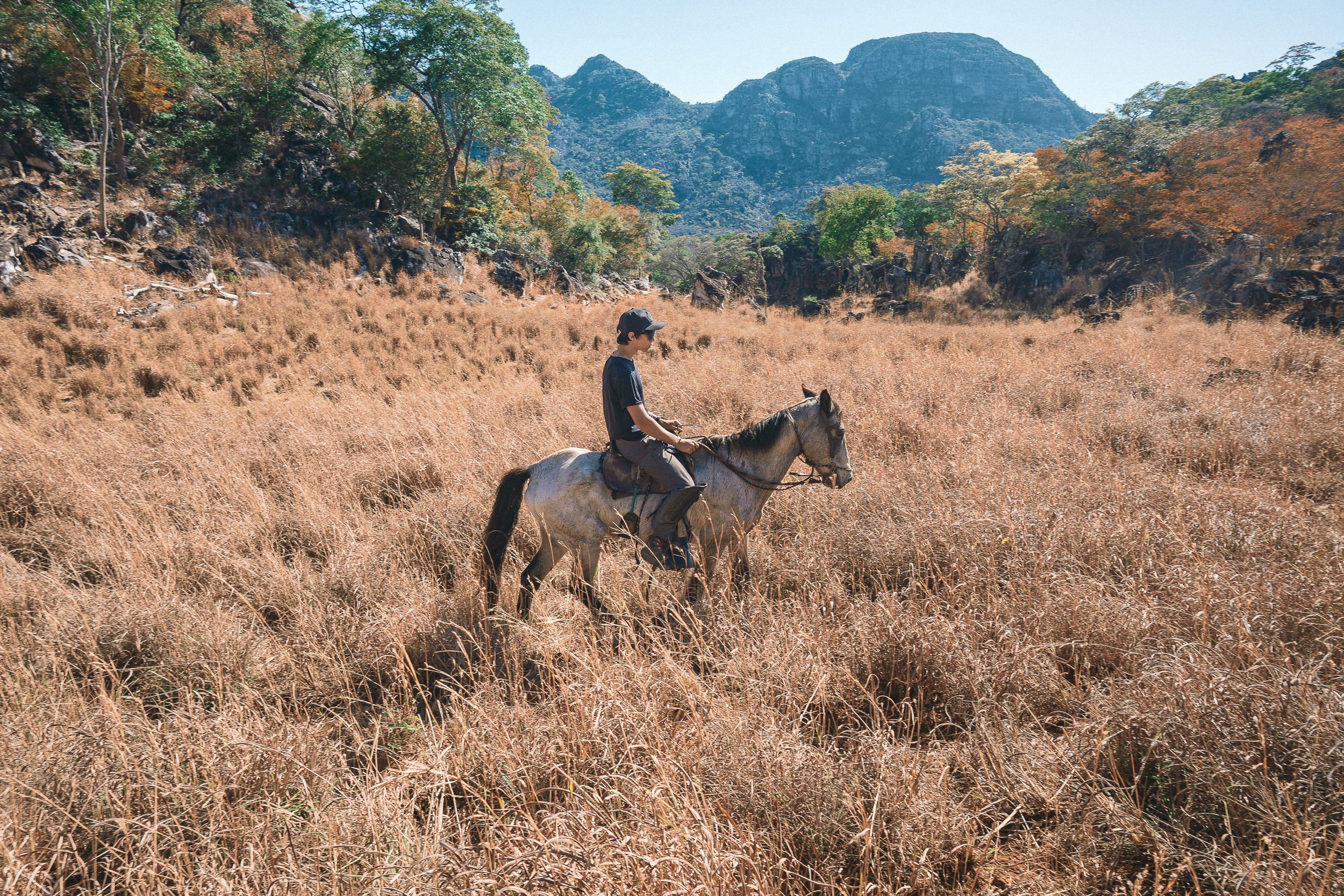
Tiago, Horseman. Day 16
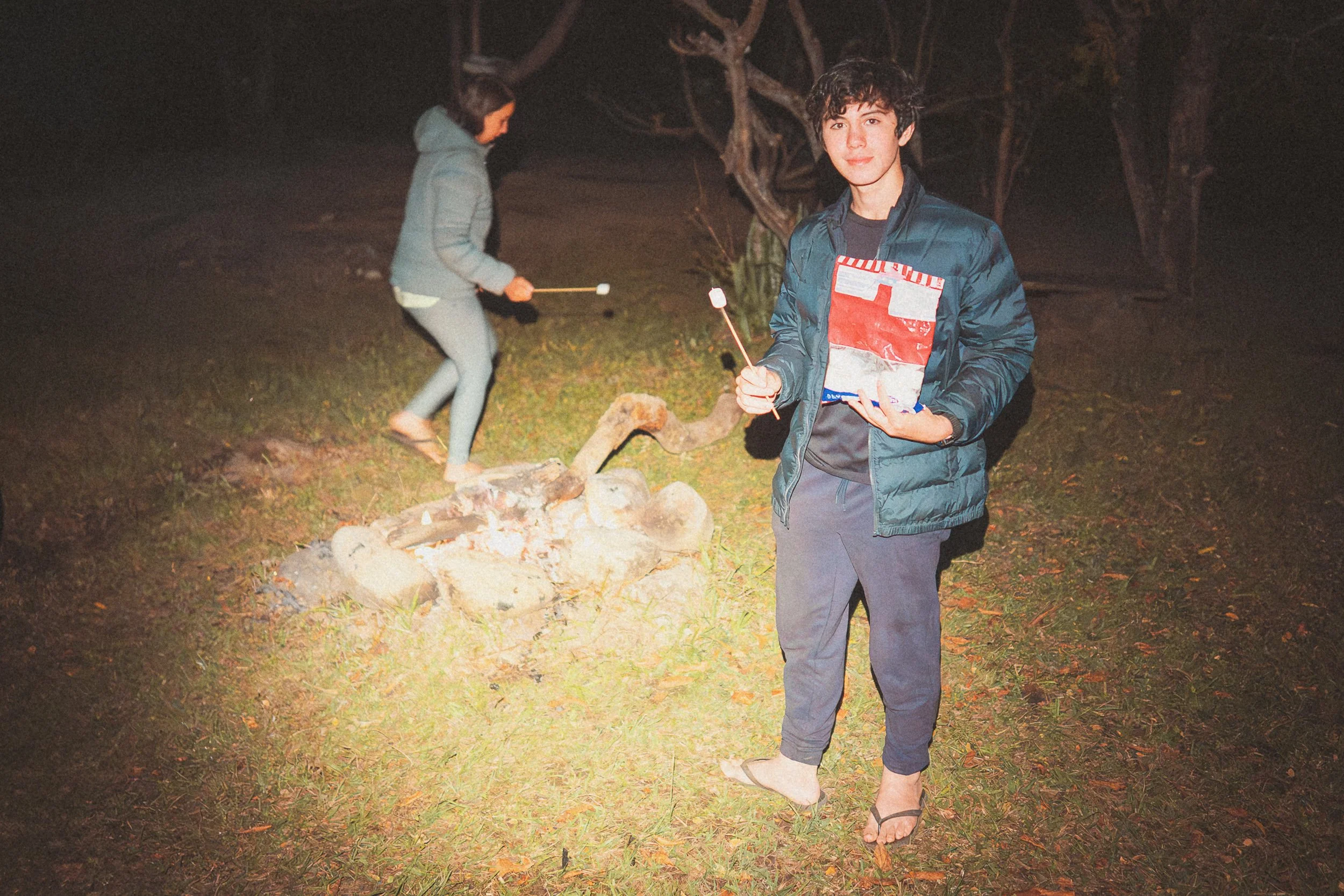
S’mores! Day 17
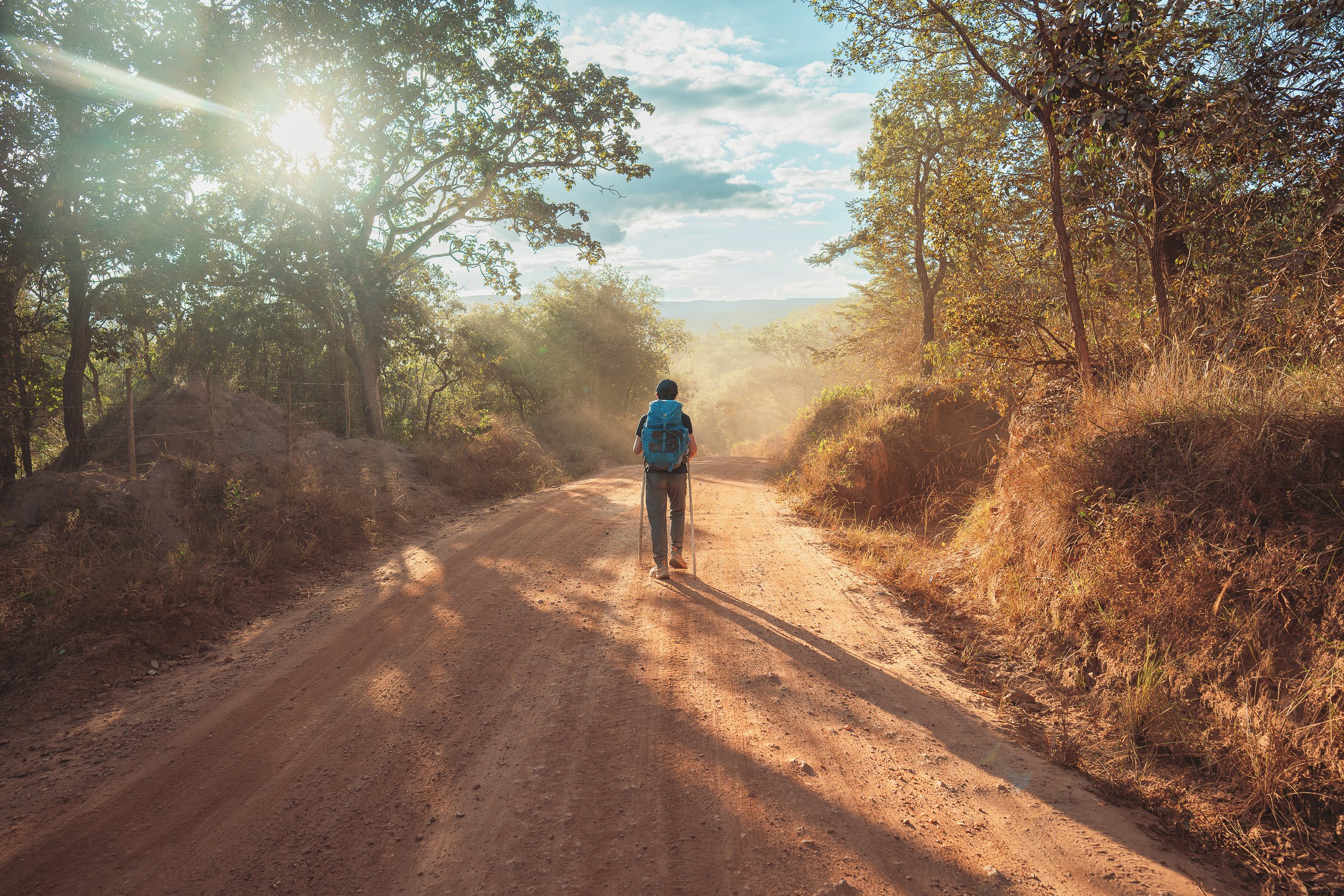
Leading the way. Day 3
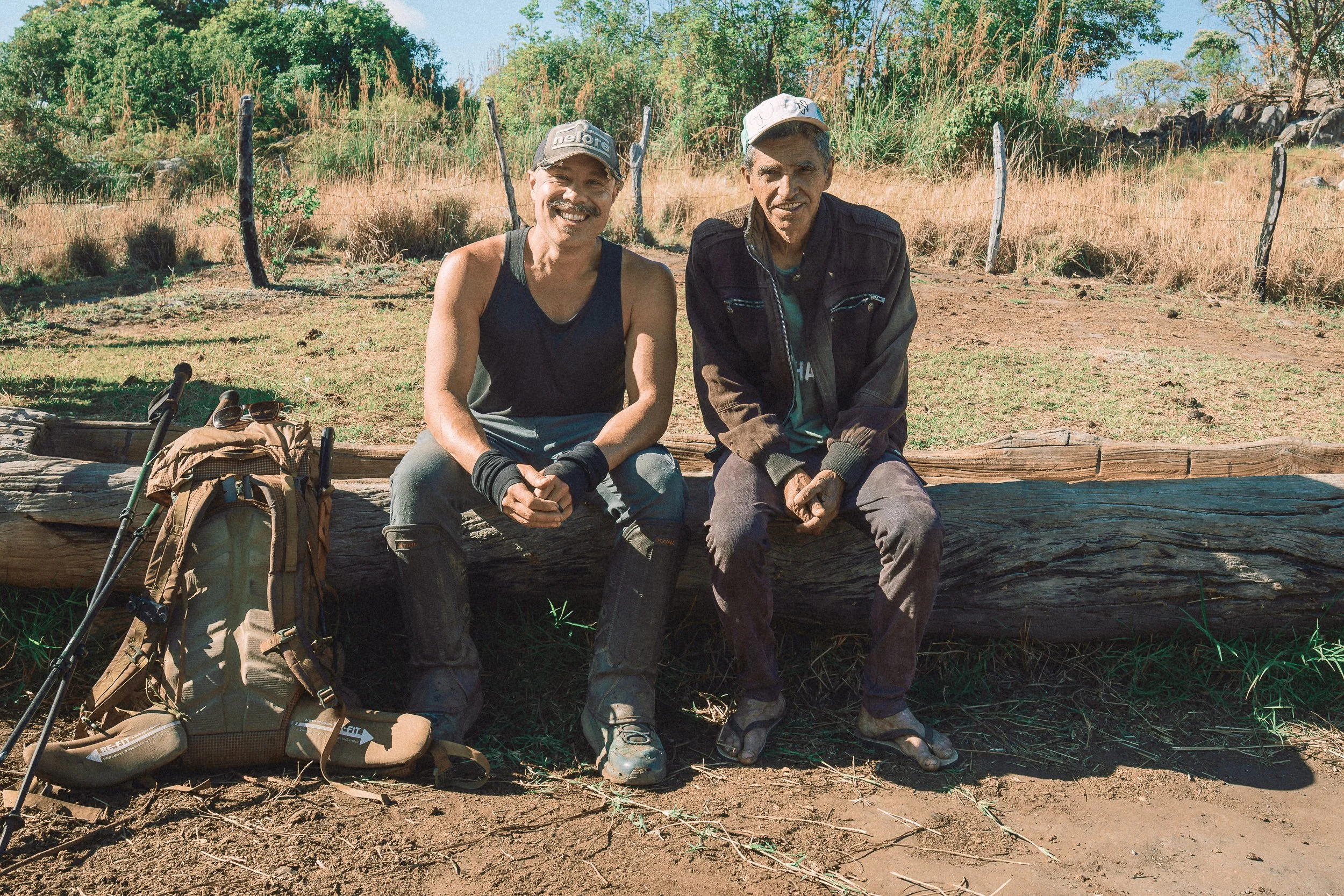
Eddie & Dorico. Day 16
IV.
People make it all worthwhile
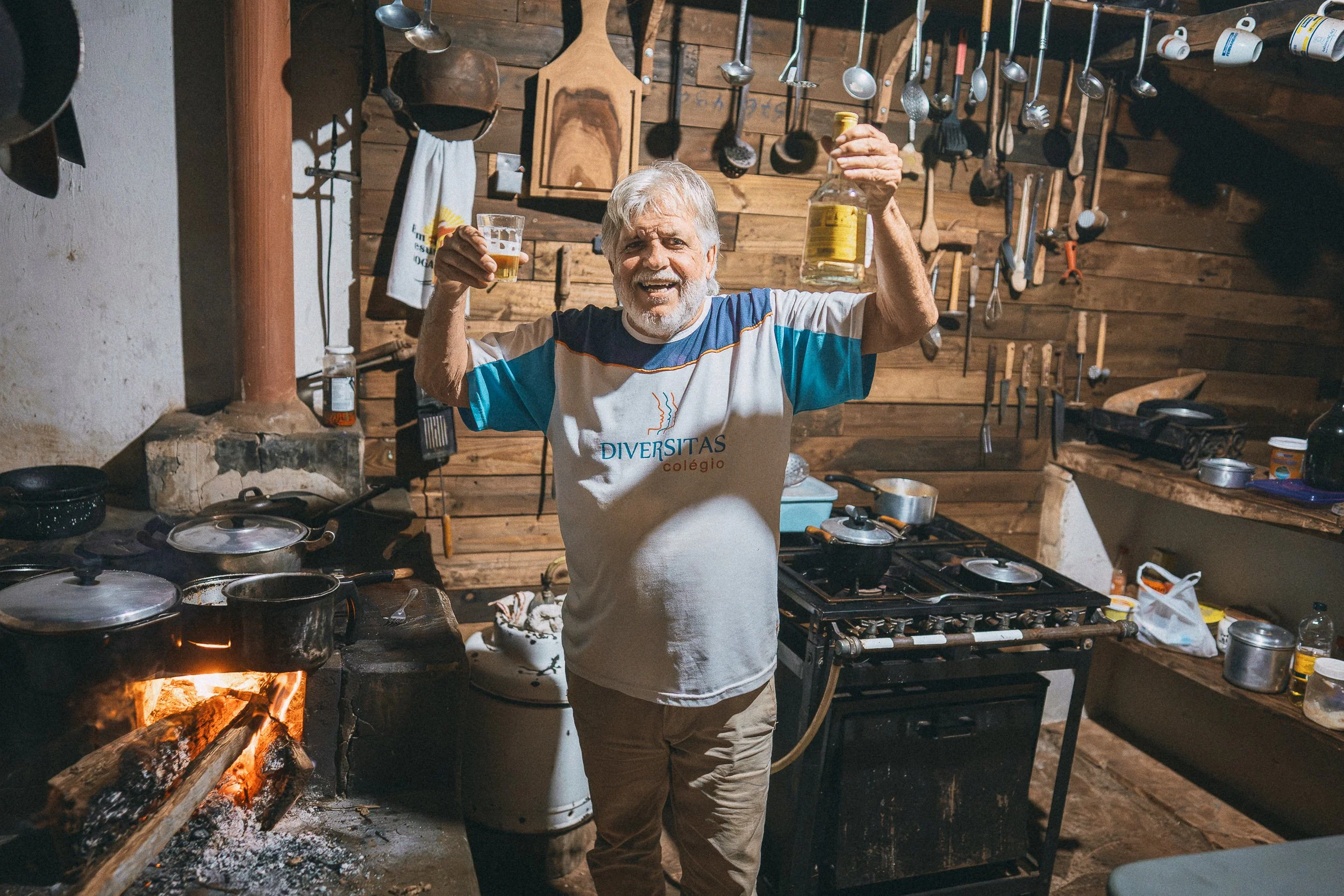
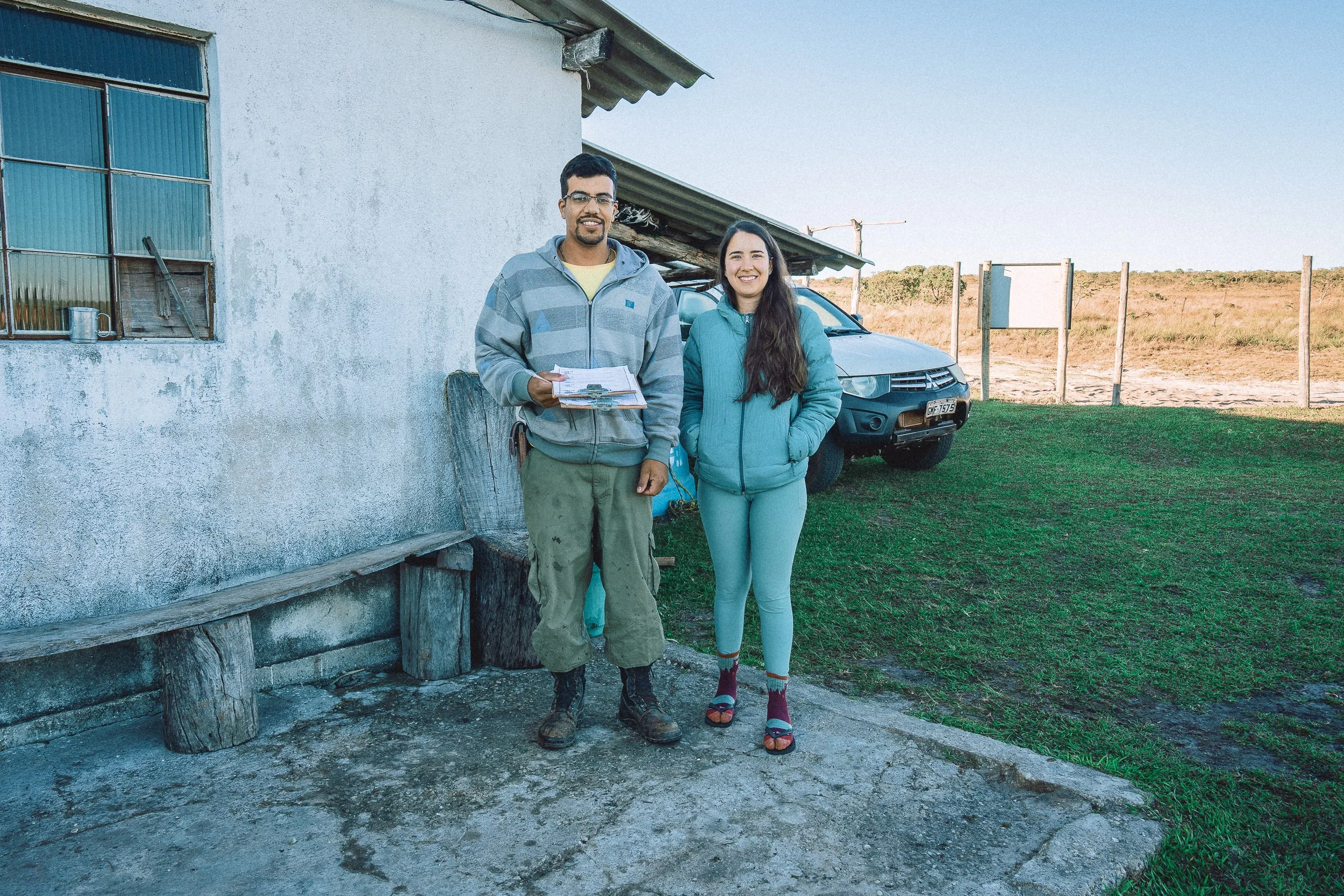
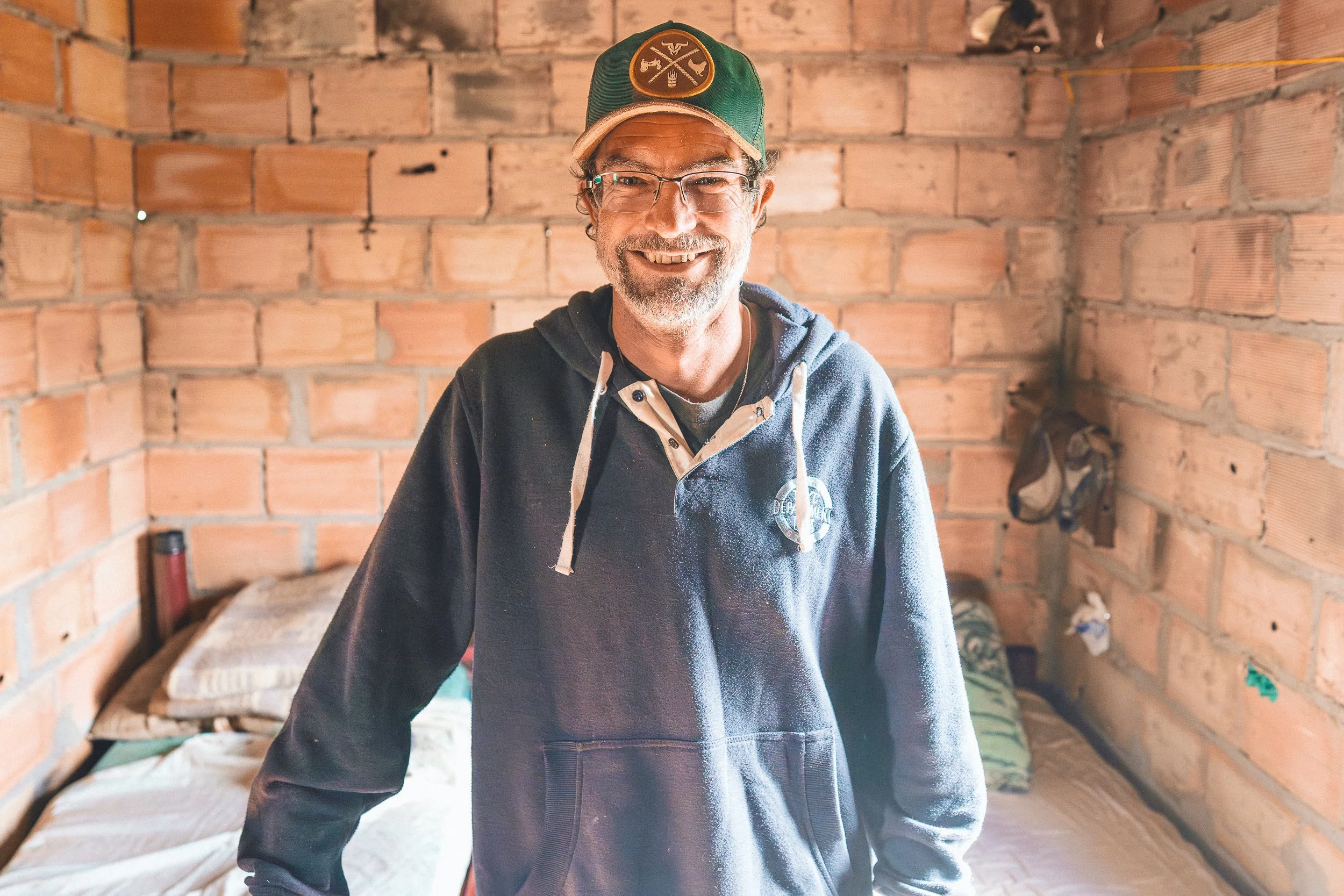
Deco. Breno. Cosme. Pê.
Dorico. Barbosa. Lúcia. Perón.
Ronaldo. Zekinha. Diego. Dilsinho.
We like to think that the promise of new landscapes and undocumented trails is all the motivation we need to fill our packs with 25 kilos of gear and tech and send us walking hundreds of kilometers across the serra in rain and heat.
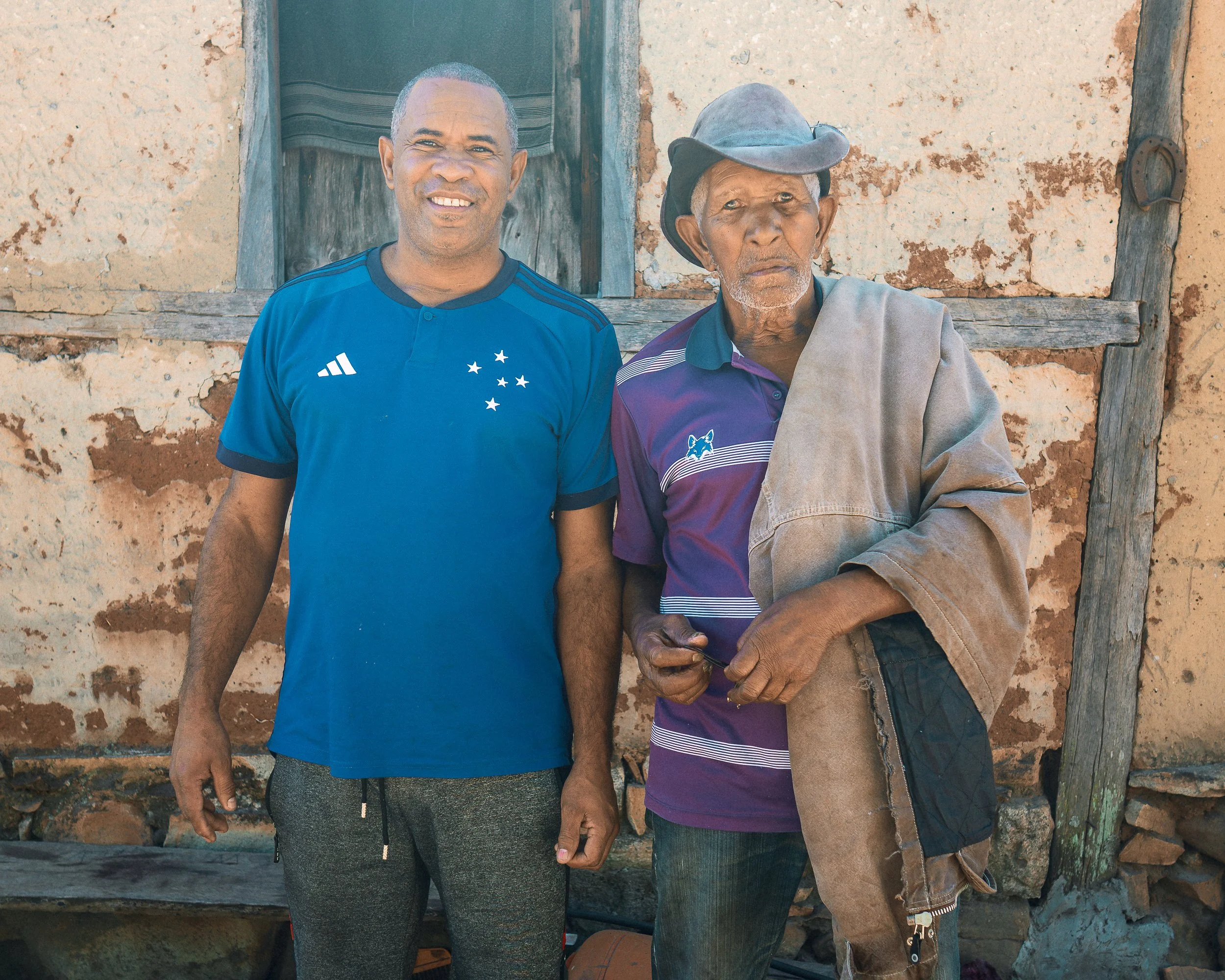
The truth is we’re just as motivated by the thought of dinner at Gilma’s house, catching up with Santo and Dona Maria at their homestead in Bica d’Agua, or drinking beer and shooting the breeze with Pê on his front porch in Santa Rita.
There’s also this: no matter how beautiful the landscapes, the moments we spend with friends—new and old—along the trail are the ones we remember most vividly months later. The trail brings adrenaline and awe. The dinner table brings safety and joy. Two sides of the same coin, each renewing in their own way.
We had the chance to spend time with lots of people during Field Trip No. 12, many of whom I’ve written about previously and at length in this journal. For Elisa and I, these men and women are much more than hosts and cooks, ranchhands and housewives, farmers and flower-gatherers. More than friends, neighbors, mentors, and heroes even.
They’re touchstones for the range. Keepers of the region’s traditional ways of life. Keys into the world around us.
Without them, we’d just be walking through the mountains.
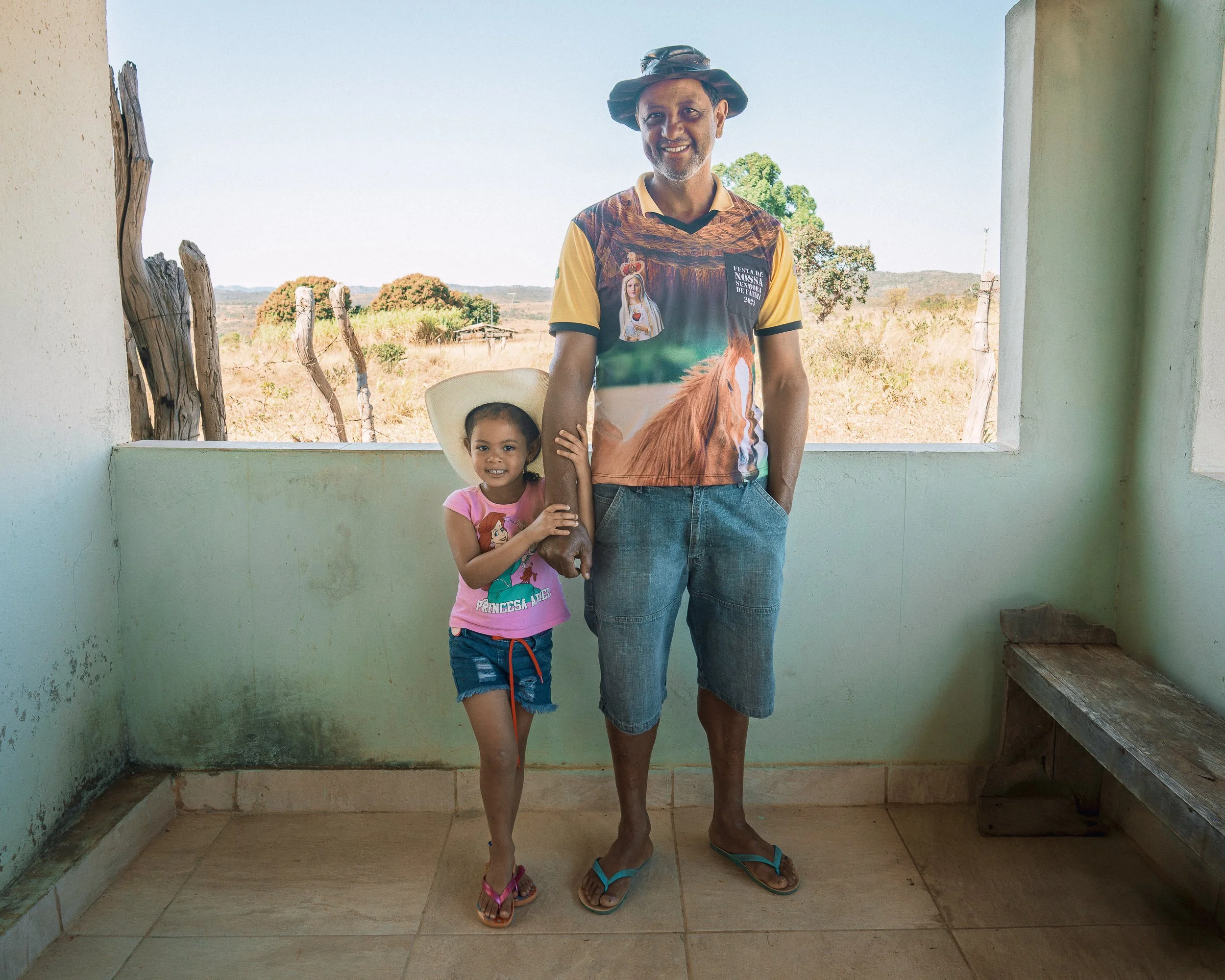
Luisinha & Pê. Day 15
Deco! Day 4
Felipe & Elisa. Day 8
Dilsinho & Diego. Day 18
Breno. Day 9
Ronaldo & Zekinha. Day 16

Barbosa & Lúcia. Day 8
V.
Saudades, Lúcia
When Tiago, Elisa, and I waved goodbye to Lúcia and Barbosa (her husband of thirty years) from their front porch on Day 8, none of us had any idea it would be the last time we would ever see her.
Life comes and goes so quickly. Moments like that seem to become clear only afterward…
Every chance we get to sit down with people whose minds we admire, whose presence puts us at ease, and whose company we genuinely enjoy is something worth protecting.
Elisa and I have promised ourselves we’ll make more time to visit Barbosa. Not because we owe it to Lúcia or even Barbosa, but because we owe it to ourselves.
Calliandra Dysantha. Day 8
VI.
Cold, (Mostly) Dry, and Bursting with color
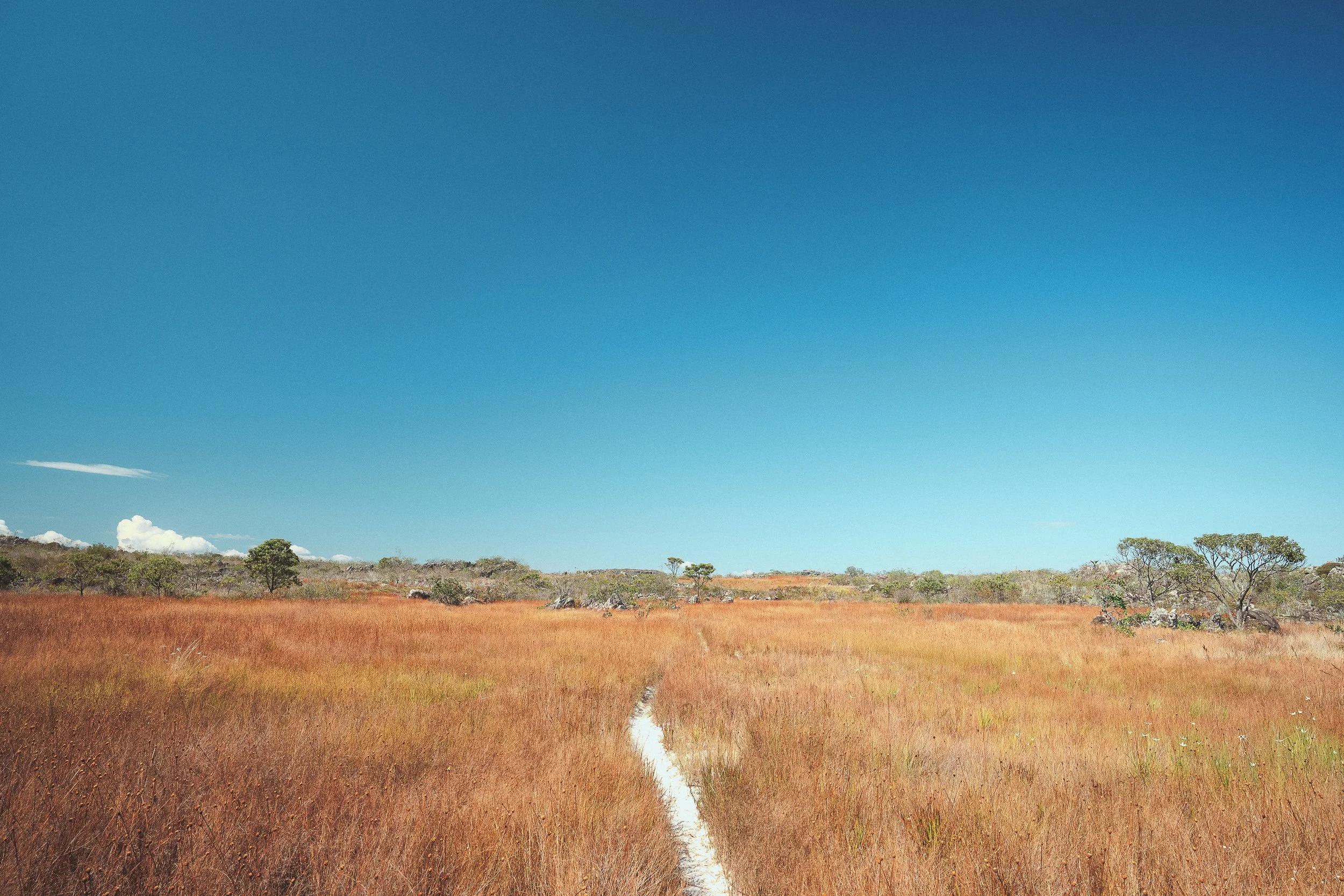
This was the third multi-week expedition Elisa and I have conducted in July—the most of any month. I have two theories as to why this is the case. The first is that the kids are on their winter break. (But the kids aren’t usually with us on these trips, so…) The second is that July offers the most predictable trekking conditions of the year: blue skies, warm sun, cold nights, little to no rain…
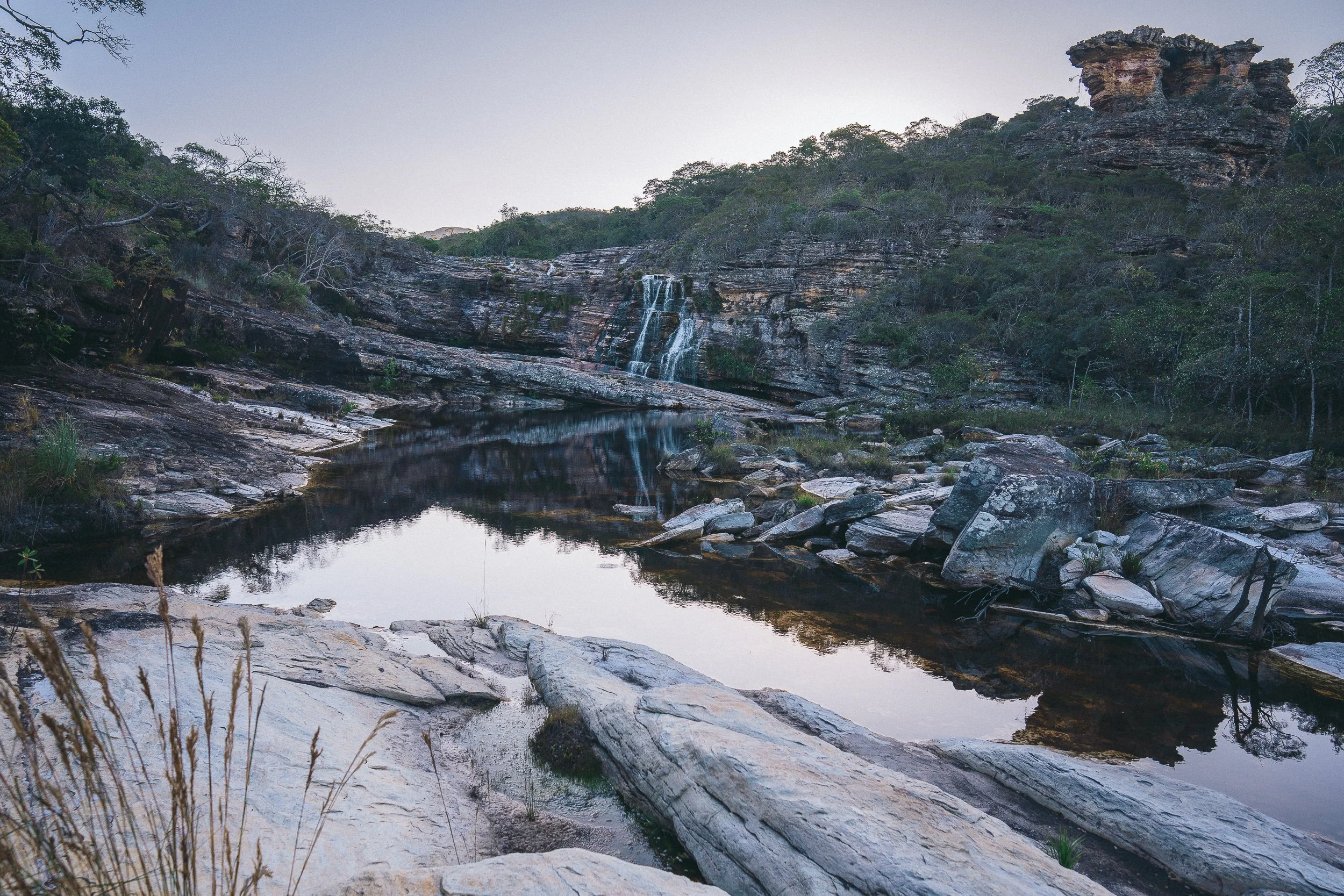
The waterfalls shrink to icy trickles rather than roaring torrents, which I actually prefer on long treks.
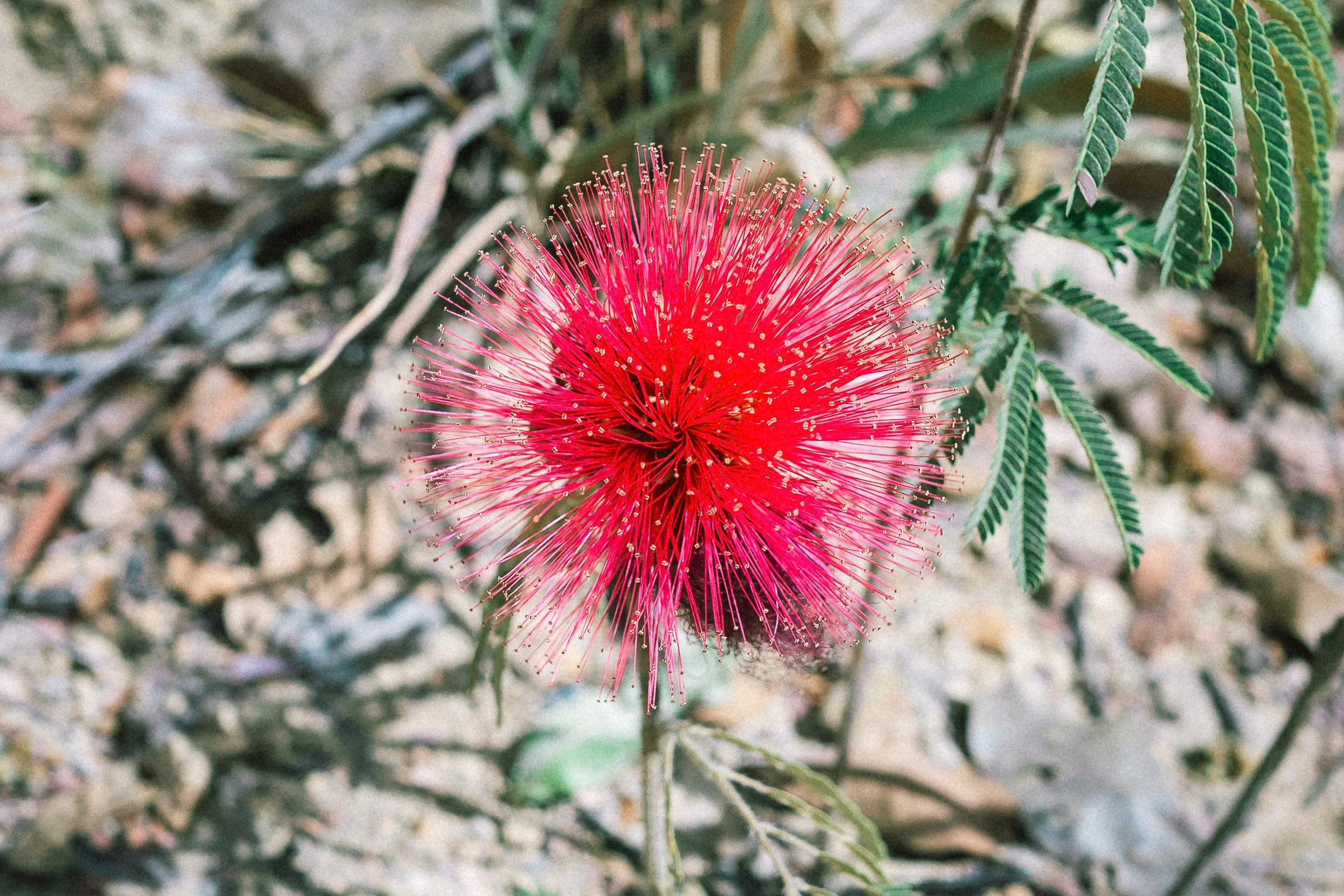
Ticks are a major drawback. Wildflowers, however, (almost) make up for it. They explode across the straw-colored savannah in vivid bursts of color.
Other months have their own beauty: April is lush and green. May is mild and balanced. September (festa season) is communal and joyous. October sees the rains return and the savannah turn a thousand shades of green.
But the winter months (June, July, and August here in the southern hemisphere) are the most reliable months for long treks.
Which I suppose might explain why our field trips keep happening then…
Cachoeira da Sempre viva. Day 2
Fields of Gold. Day 19
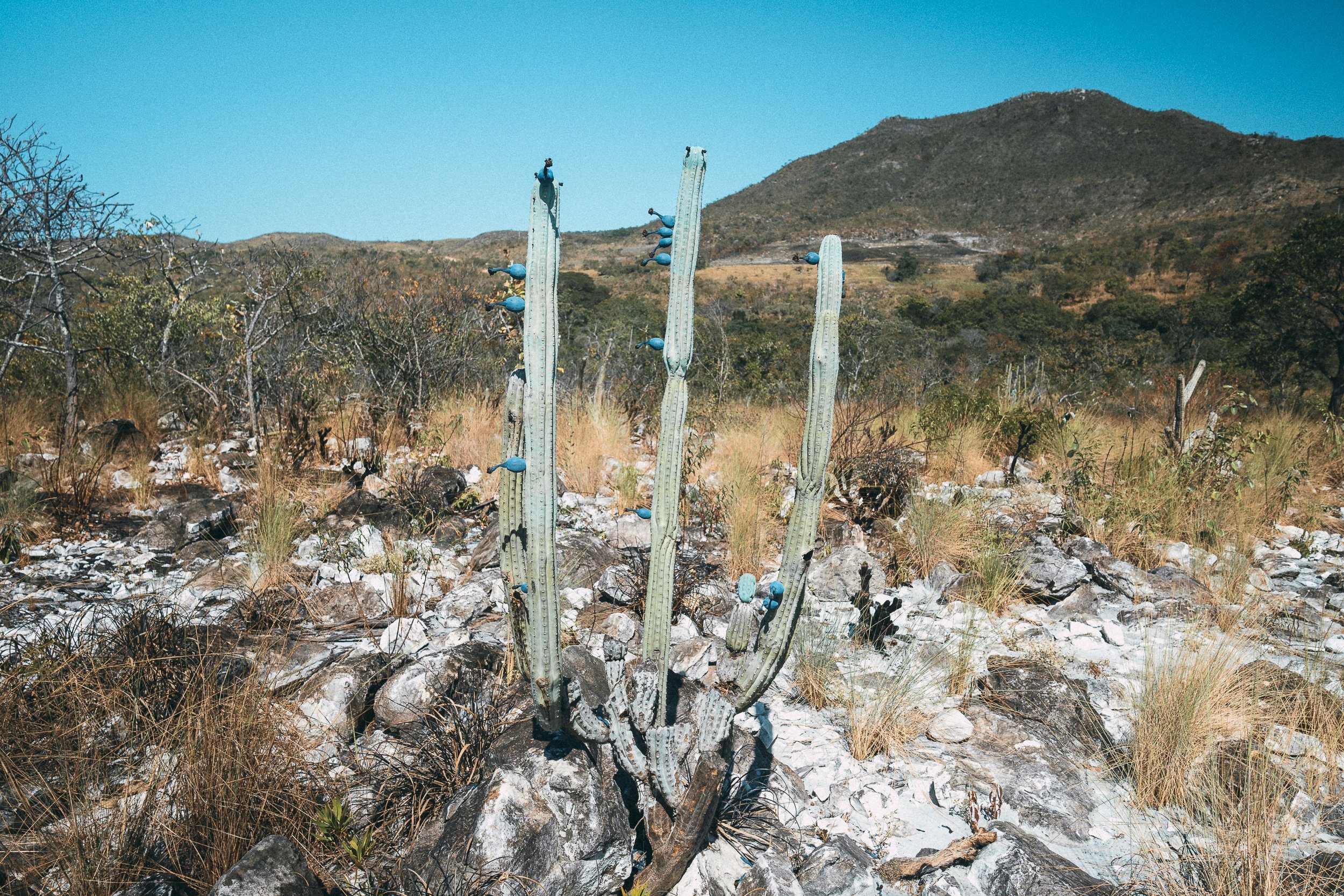
Cipocereus minensis (Quiabo da lapa). Day 15
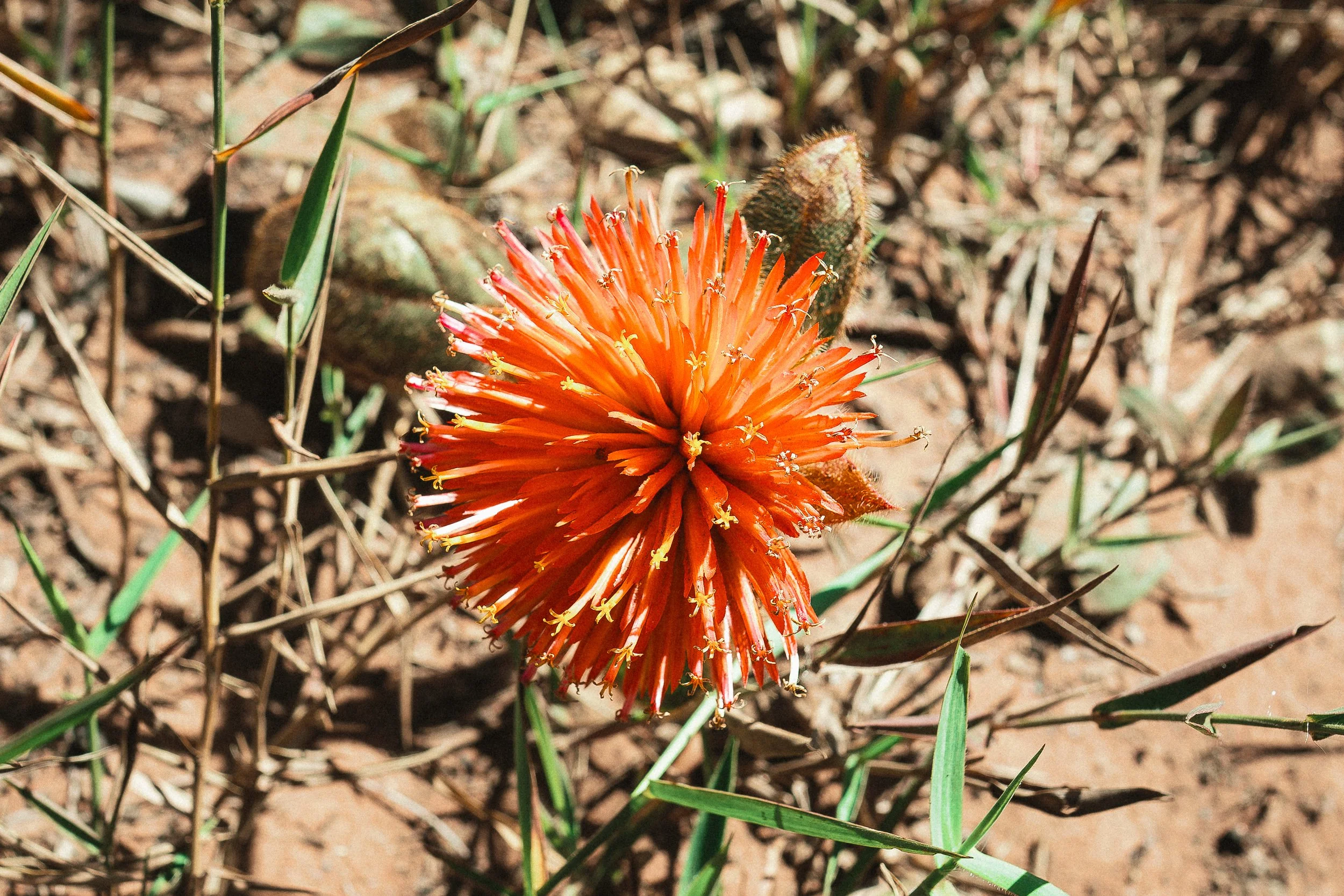
Unidentified. Day 9
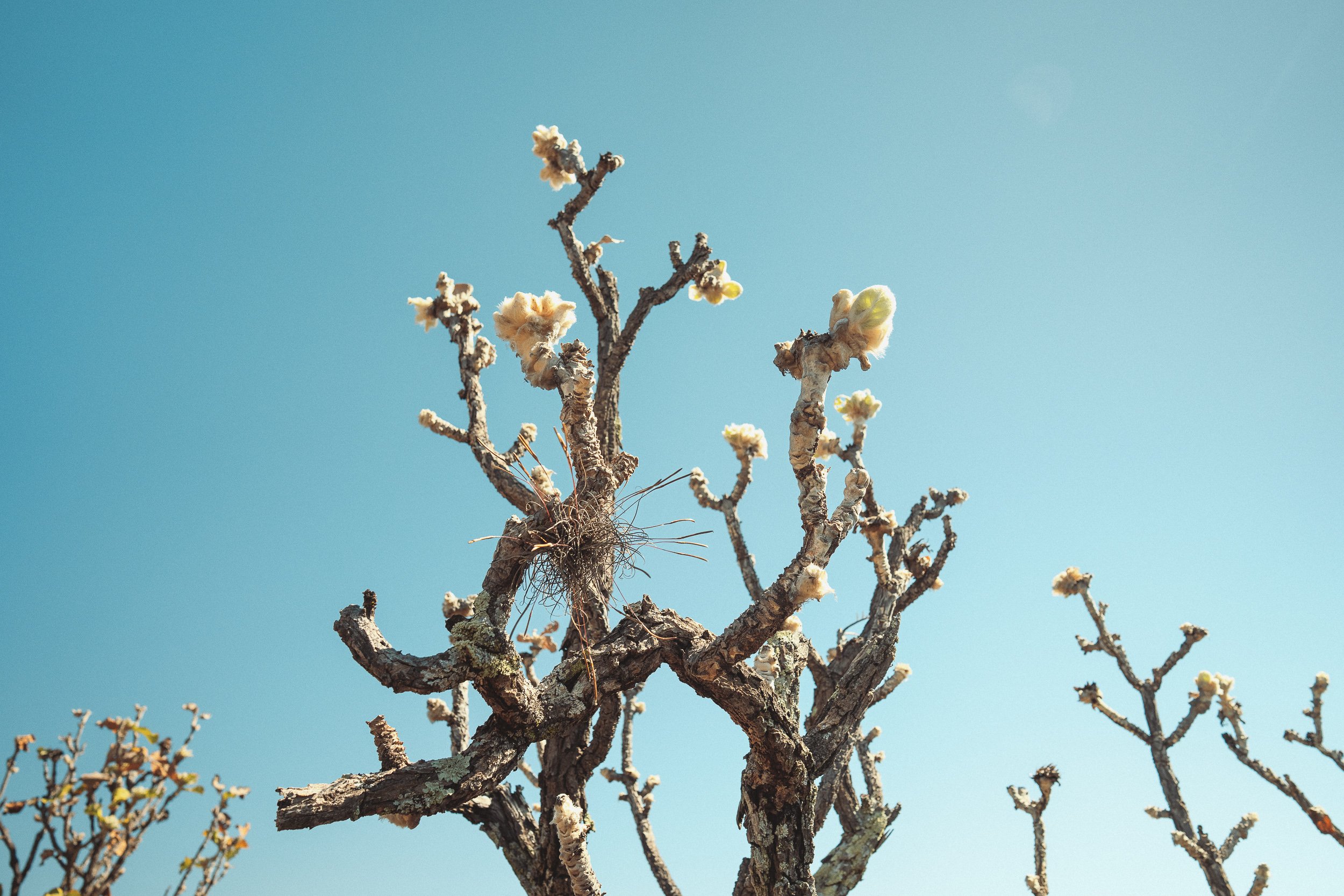
Ceiba speciosa (Paineira). Day 15
Roughing it. Day 1
VII.
A Very Different Day 1
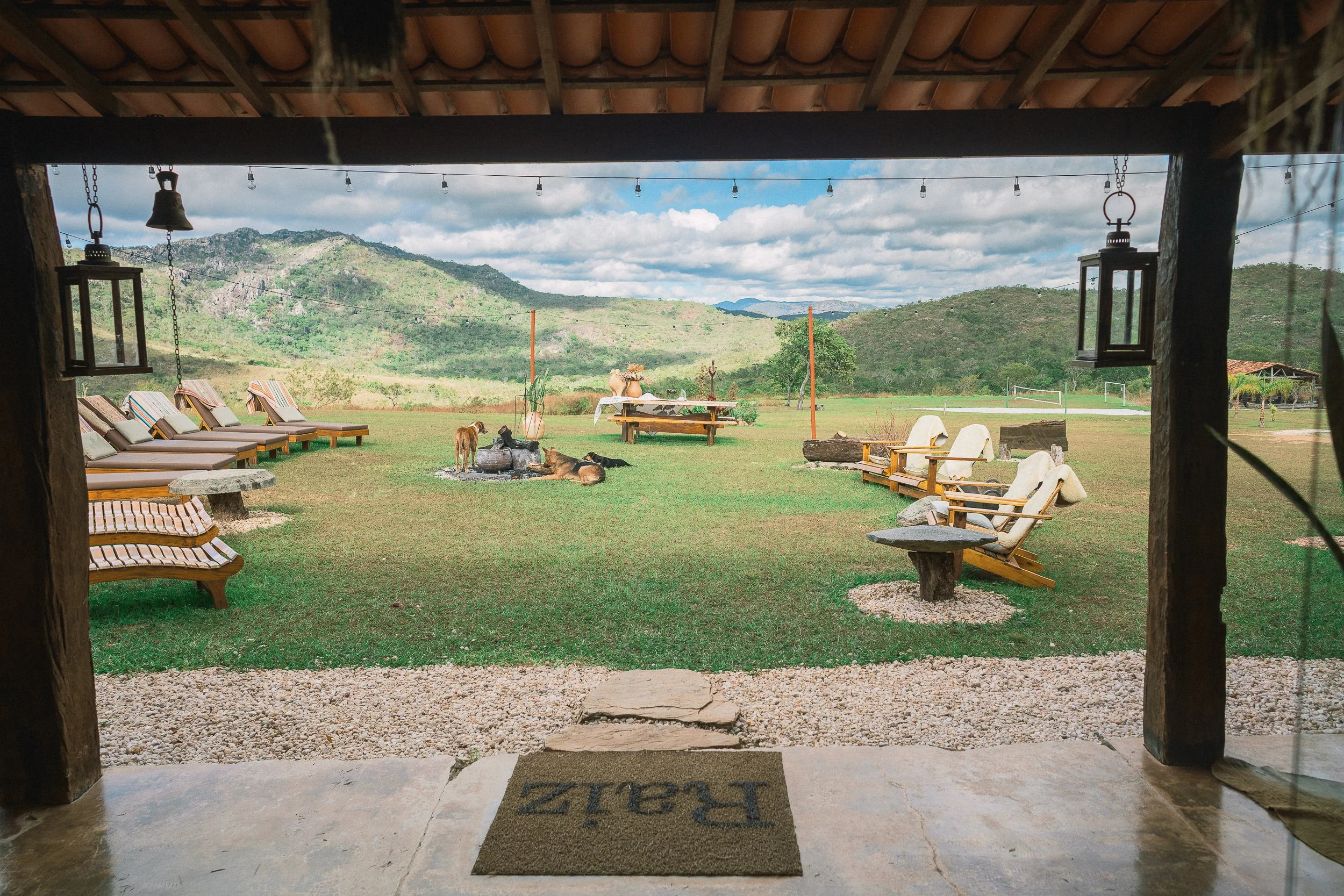
Just north of Rio Preto State Park, nestled peacefully between rolling hills atop a verdant patch of campo and bending pristine waterways, sits a remarkable accommodations. Sprawling, tranquil, and meticulously—if exotically—decorated, Raíz Parque is the closest thing to a safari-style lodge I’ve encountered in the Espinhaço.
Elisa and I had heard about this pousada for years and had been genuinely curious to see it for ourselves, but until now we’d never made the trip. Not because of price (although it’s true that a stay costs more than the old elementary school in nearby Abóboras, our usual digs during Field Trip treks out of the Park)or hype (the pousada is said to have achieved icon status among residents of Montes Claros, an honest three-hour drive away), but because for years the Park’s northern boundary also marked the northernmost edge of our research and guiding territory.
We wanted to see whether those limits might be pushed a bit. Given the trails we planned to explore in the first leg of the trip, Raíz Parque made sense as a starting point.
We were the lone guests on the night we stayed. The rooms were quiet, the beds comfortable, the meals refined, and the firepit impeccable. One of the owners, Totinho, joined us for dinner, showed us around the property, and even led the way to the trailhead the following morning along a little-used Park firefighter trail (one of his dogs decided to accompany us even further, creating a small dilemma during the first 5 km).
Class differences have always played a fundamental role in Brazilian society. They manifest differently in the country’s urban and rural environments, but they’re no less integral to understanding life in Brazil, whether in the mountains or the metropolis. Our job is to identify those layers, document them, and weave them into routes that hold together both narratively and logistically.
Raíz Parque’s location will likely keep it off most of our itineraries. For this particular crossing, though, it was a revealing place to begin.
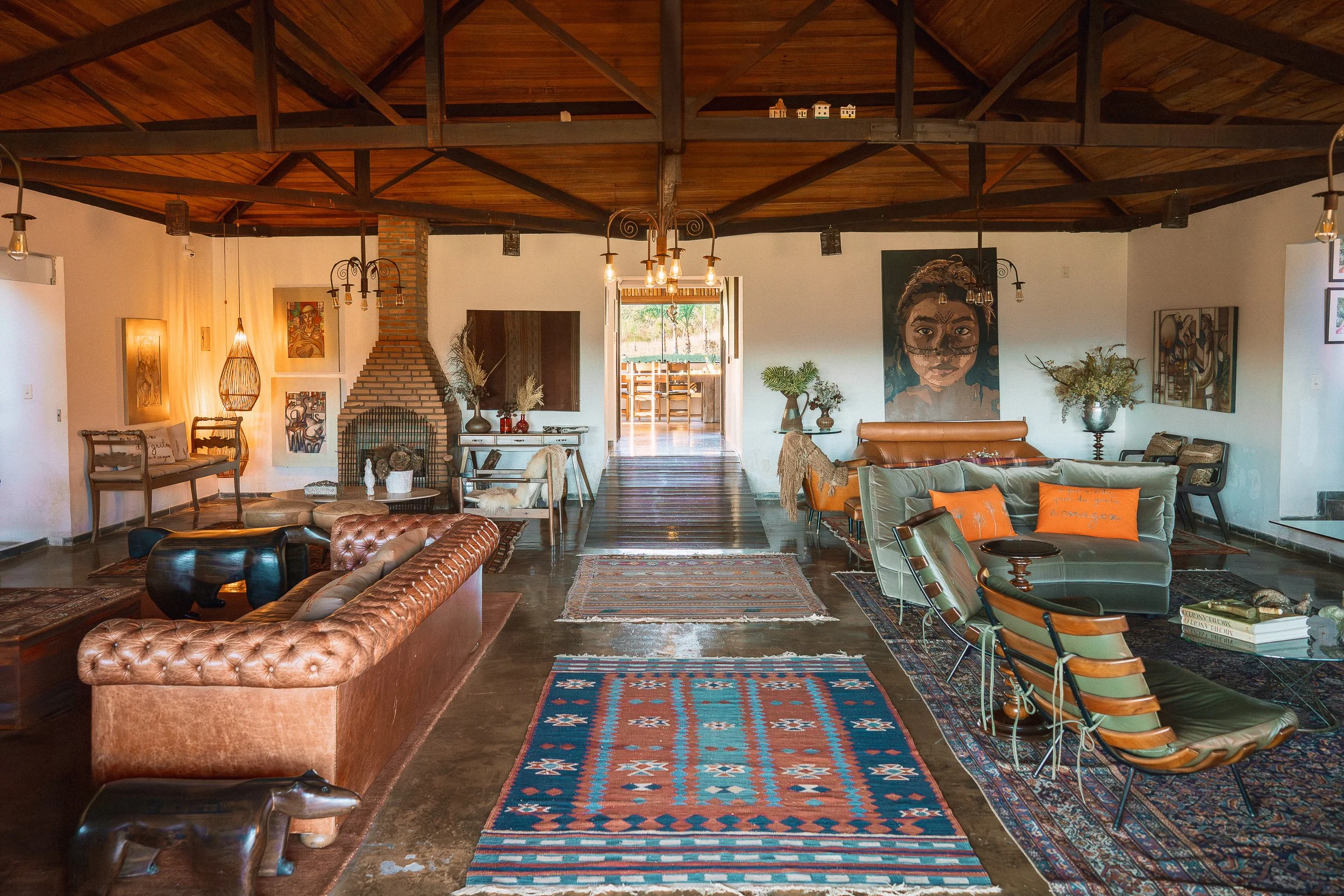
Gathering Room. Day 1
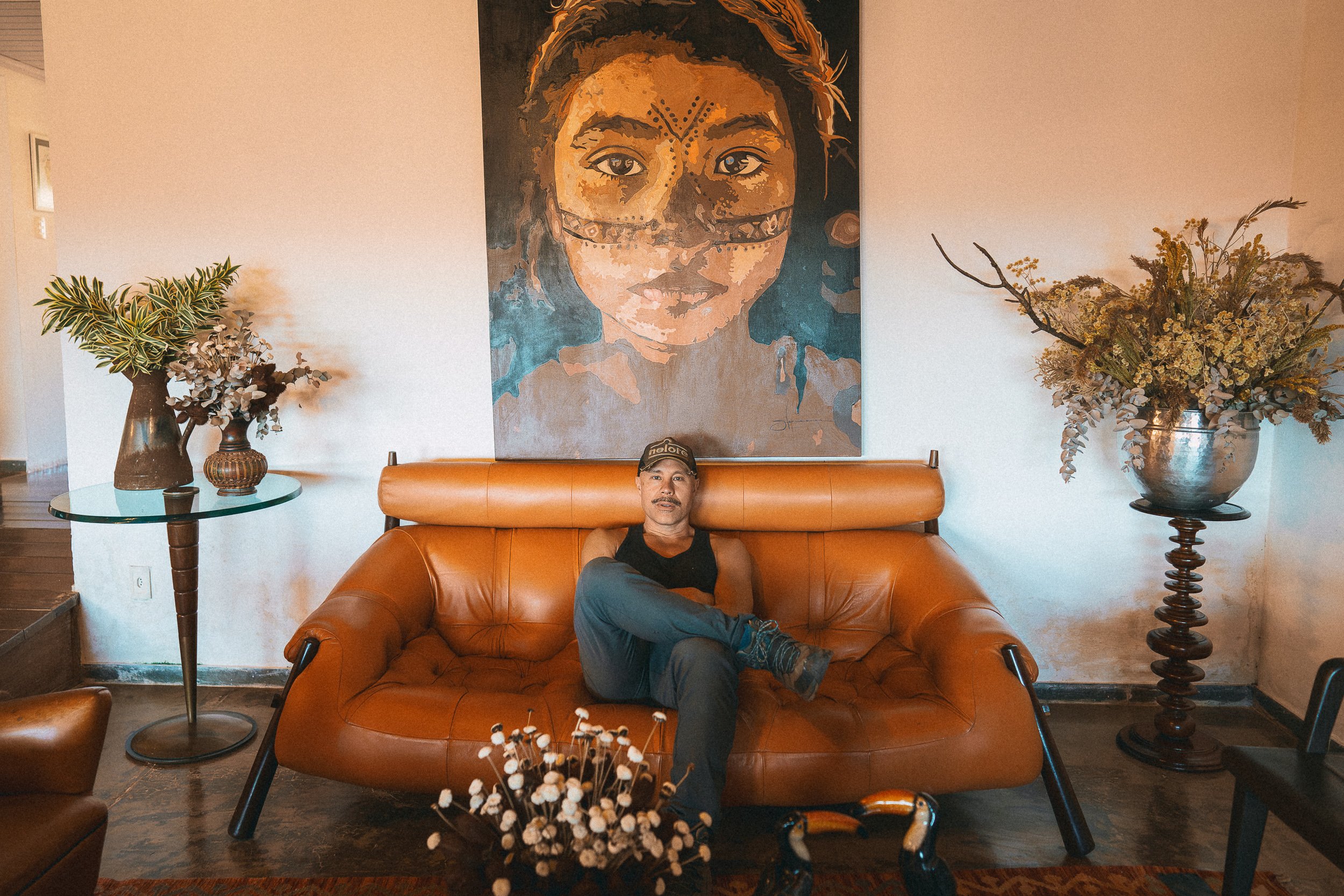
Gift of Go Face. Day 1
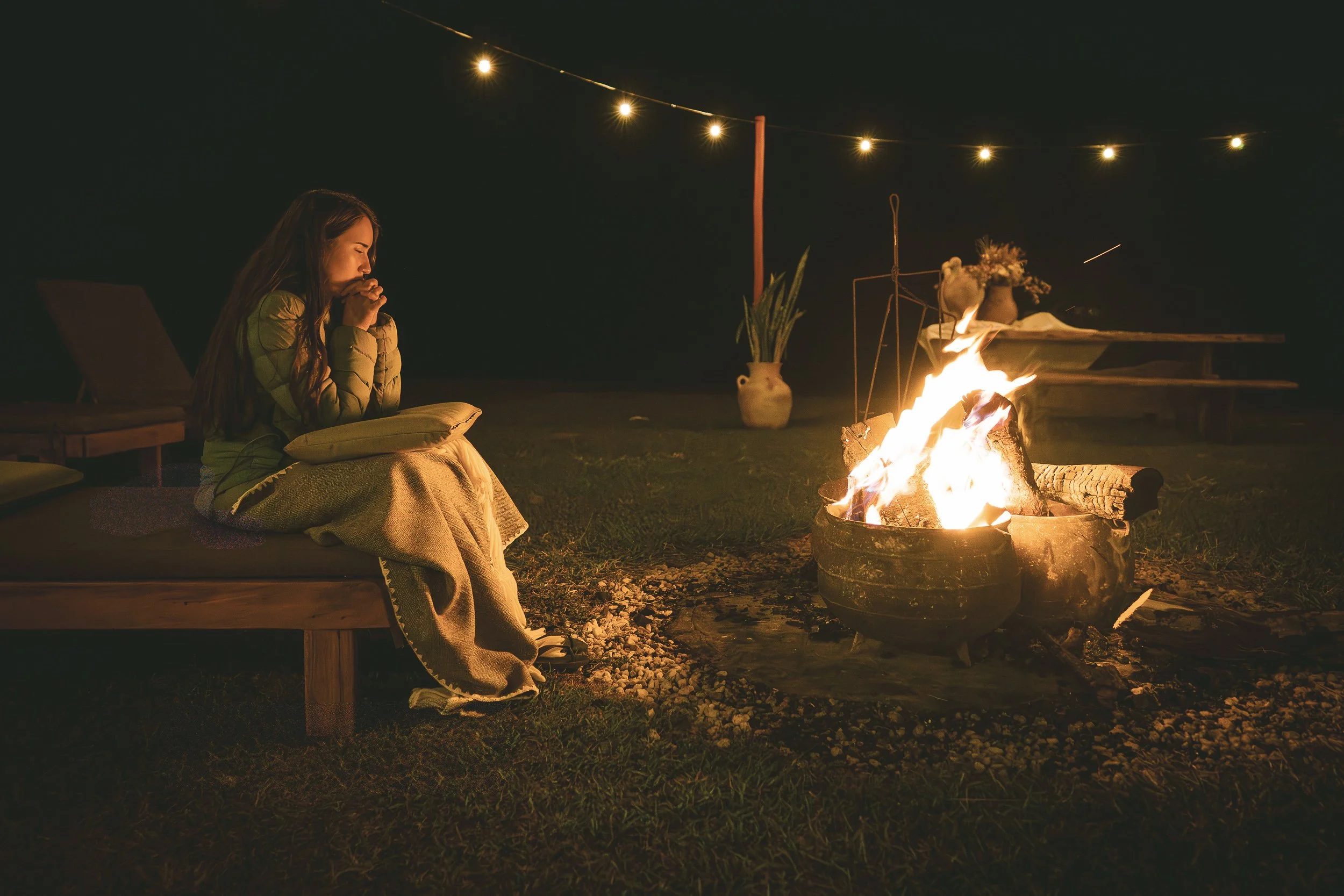
Day 1 prayers. Day 1
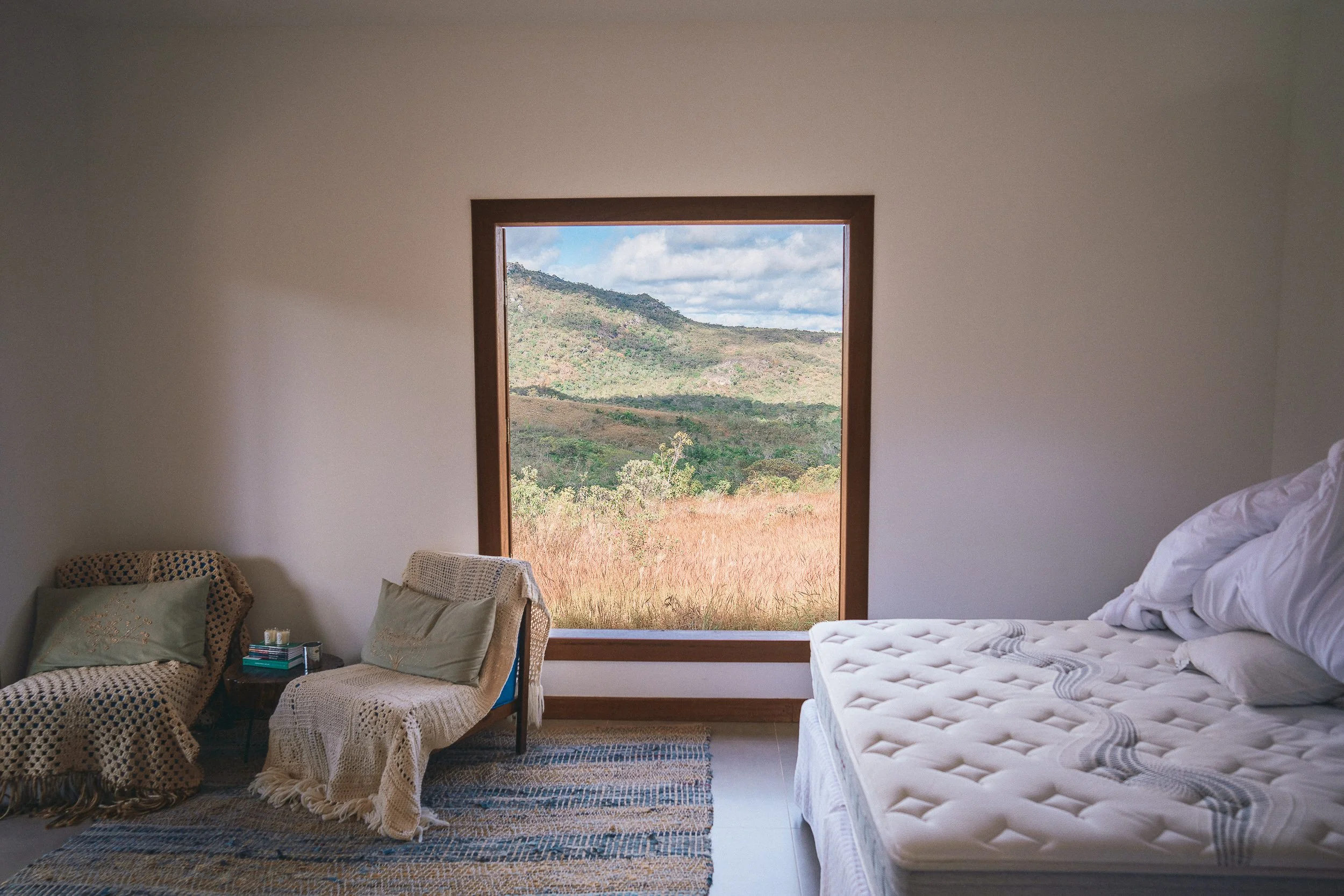
Room with a view. Day 2
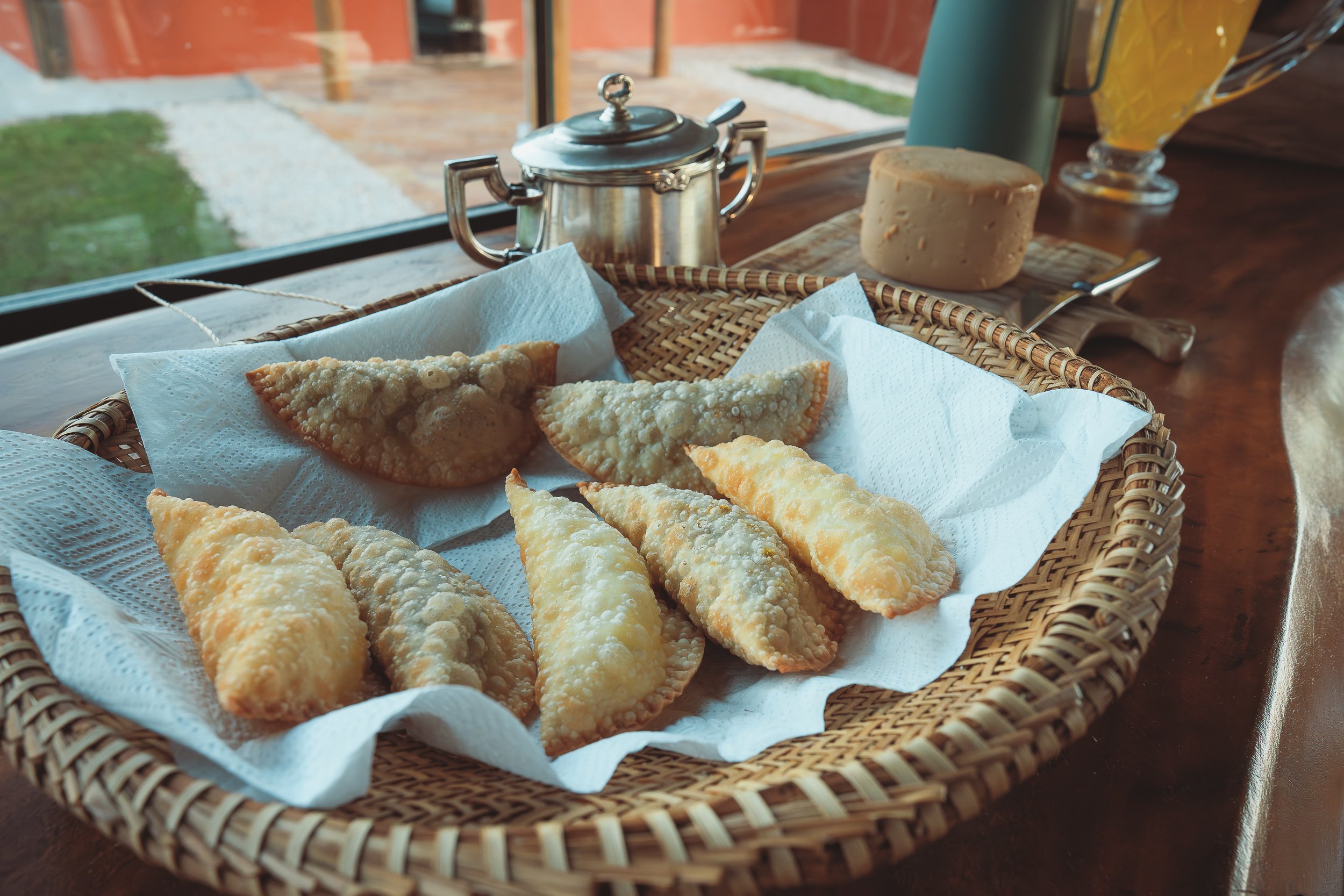
snacks. Day 1
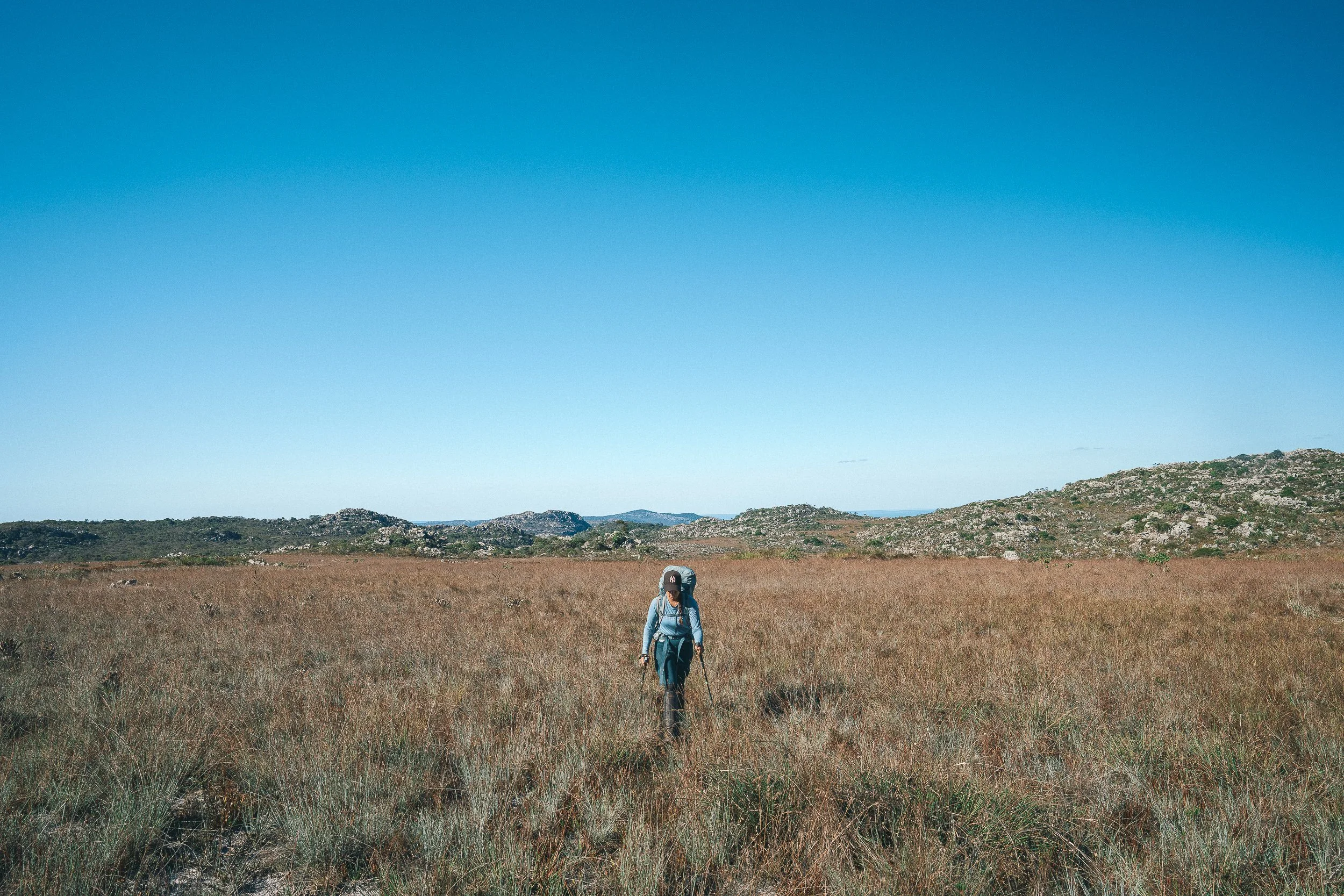
Almost there. Day 8
VIII.
Always Day 8
There’s something about Day 8 that keeps producing the climax of these trips.
It happened during the Financial Times expedition last April, and again during Adriano’s Bespoke trip in October. And it happened here.
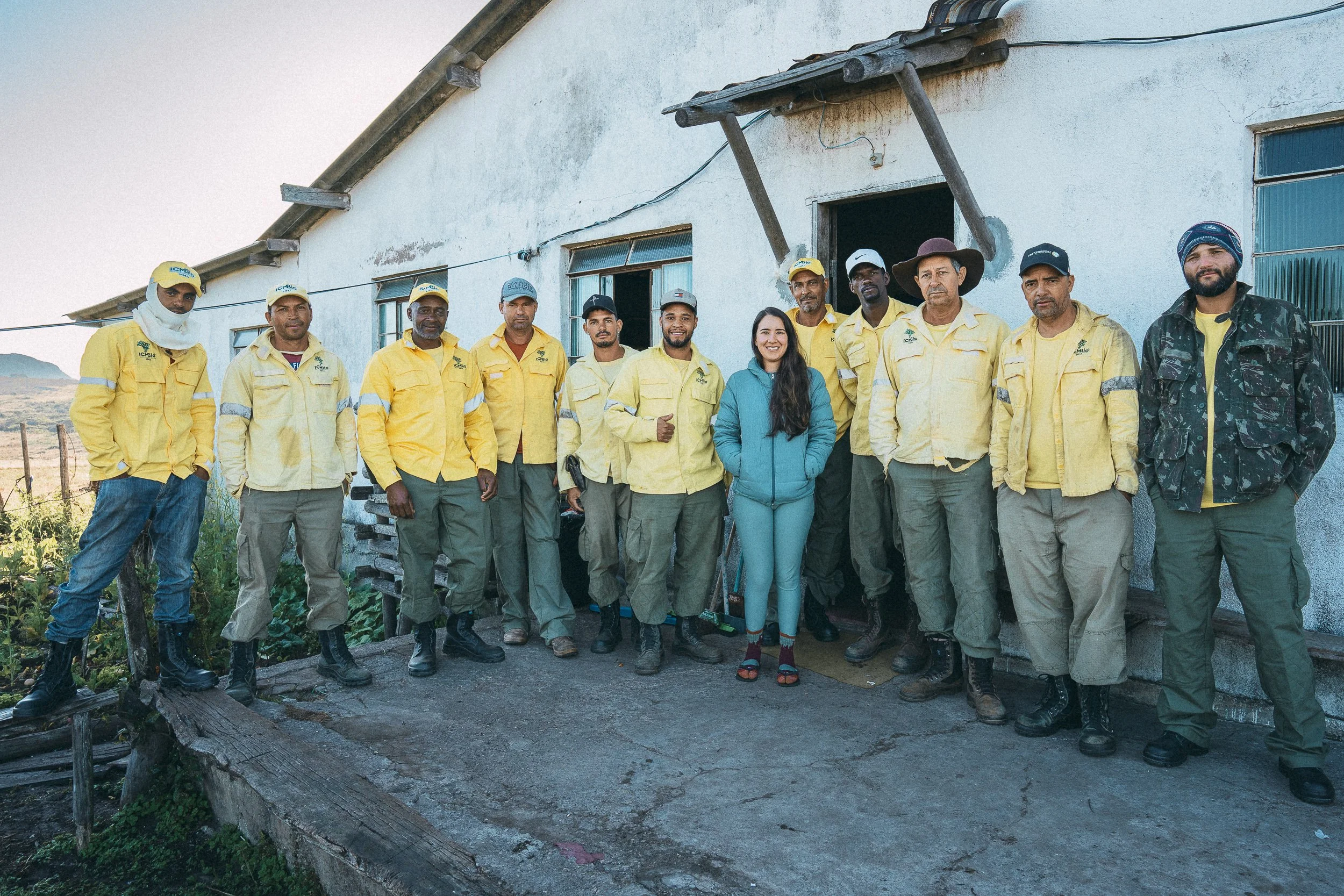
The day began at sunrise in our tents on an unnamed high campo (we’ve since christened it Campo do Tiago), condensation dripping from the fabric above our heads. It ended on the cracked and crooked porch of Casa Kolping—the unofficial base of Sempre Vivas National Park—under a sky full of stars.
In between, over the course of roughly 27 kilometers and ten long hours, we encountered nearly every element that defines this part of the range: Expansive vistas. Relentless sun. Vanishing flower-picker trails. Waist-deep bogs. Head-high grass. A short stretch of forsaken road. Clear mountain streams. And a golden-hour arrival that none of us will forget.
Thirteen firefighters were stationed at the house that night. They welcomed us, fed us, asked about our route, and let us sleep in a spare room. Elisa and Tiago took showers. I stayed on the porch drinking cachaça with Sidimar until the early hours.
It was the best version of Sempre Vivas—beauty, exhaustion, exhilaration, and camaraderie—without the worst of it.
I sometimes wonder whether we could survive a trip full of Day 8’s. What would Day 8 of that trip look like? What would we look like afterwards?
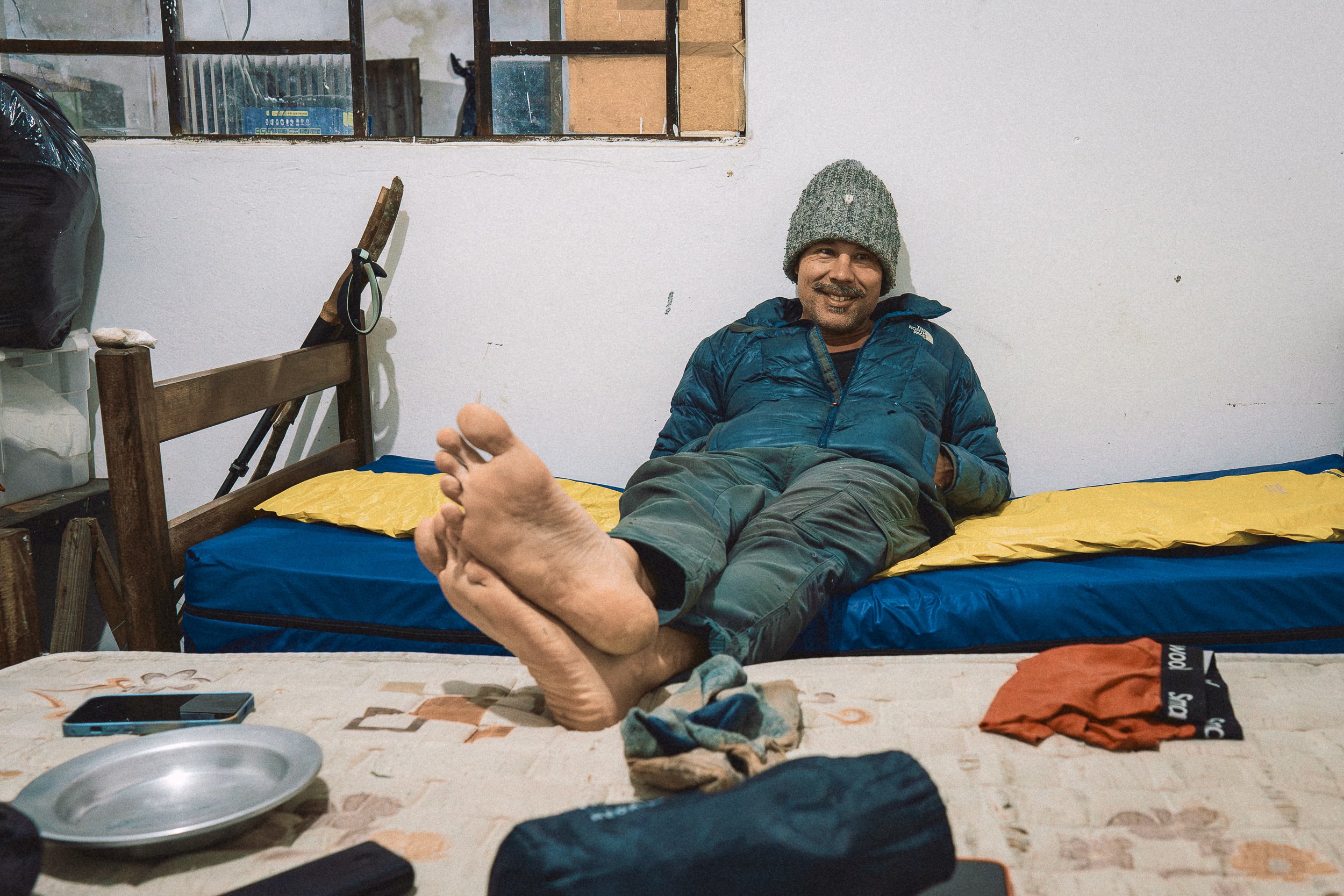
Me & My Big Feet, happy. Day 8
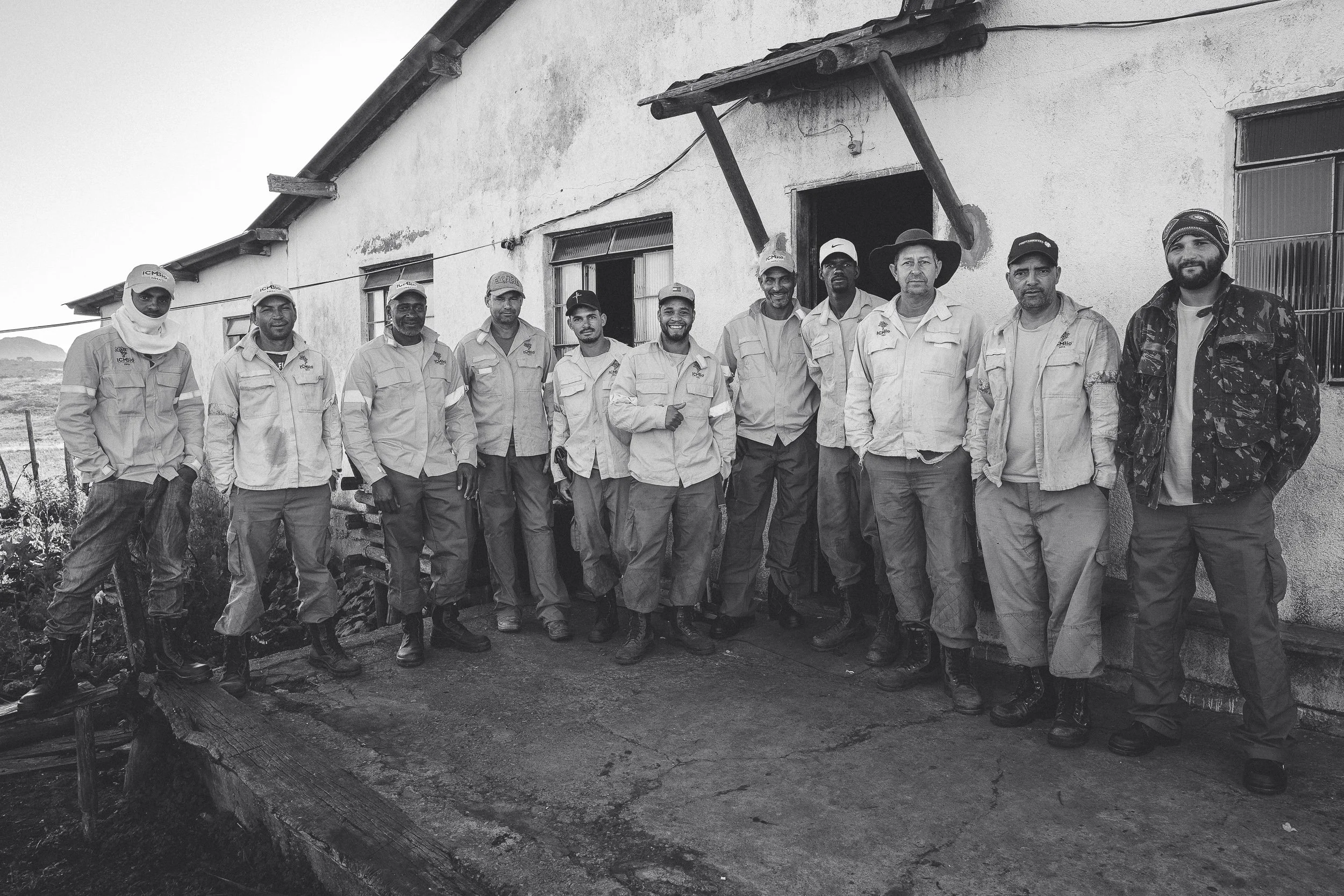
The Brotherhood. Day 8
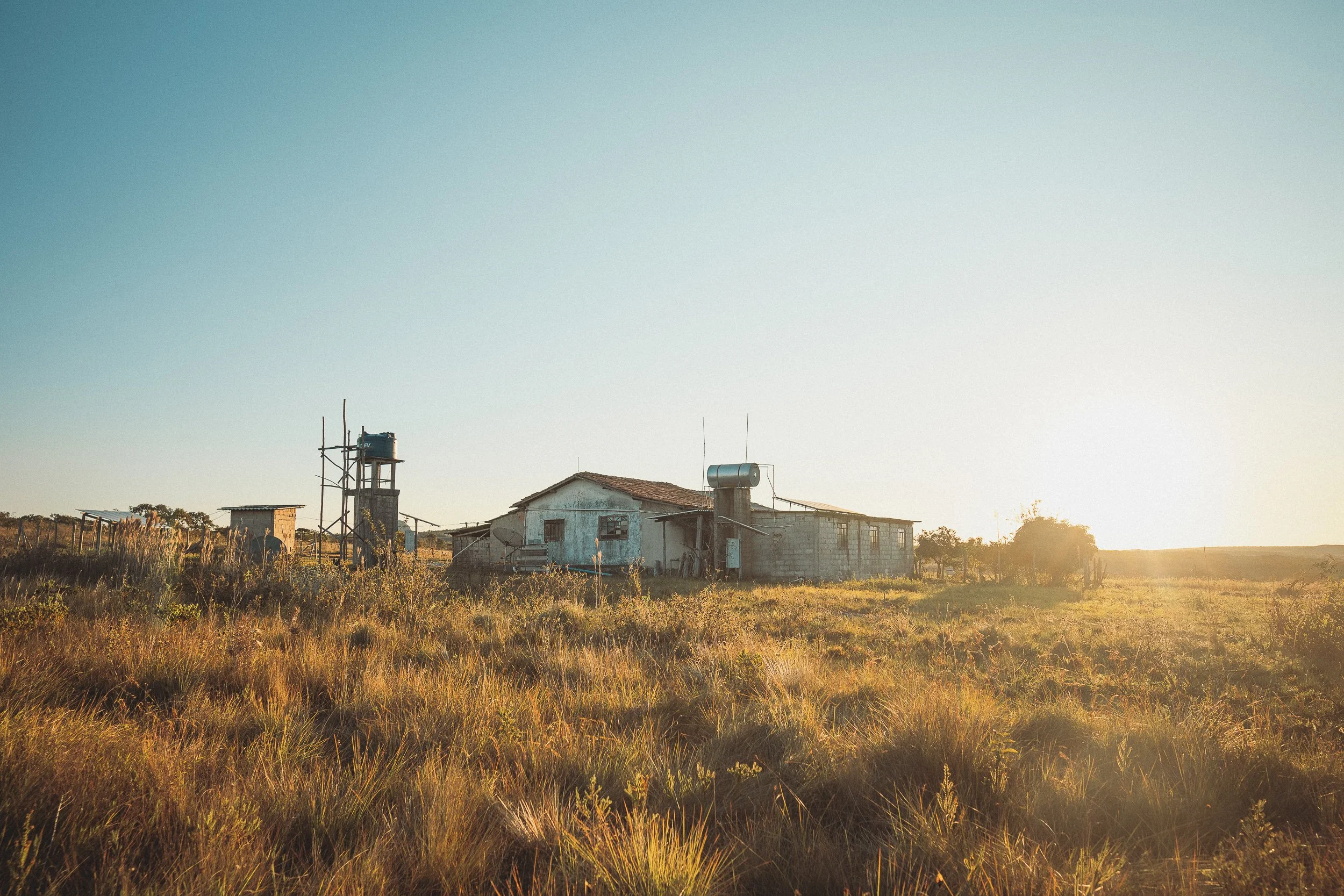
Casa Kolping. Day 8
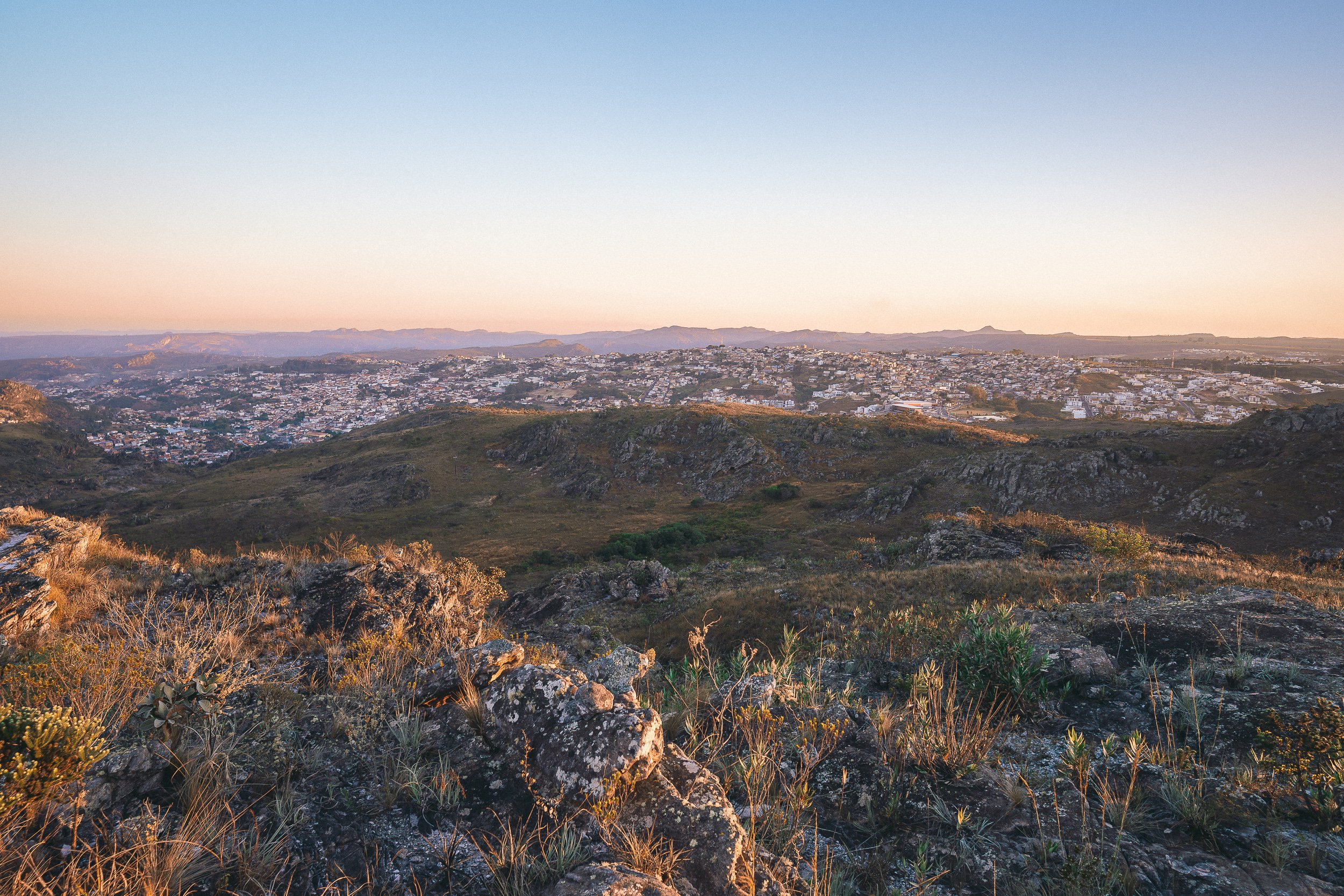
Diamantina / Sight for sore eyes & feet. Day 20
This was the twelfth multi-week field trip that Elisa & I have conducted in the Espinhaço since 2021.
The work continues.