
Where we Sleep
Home for a Night
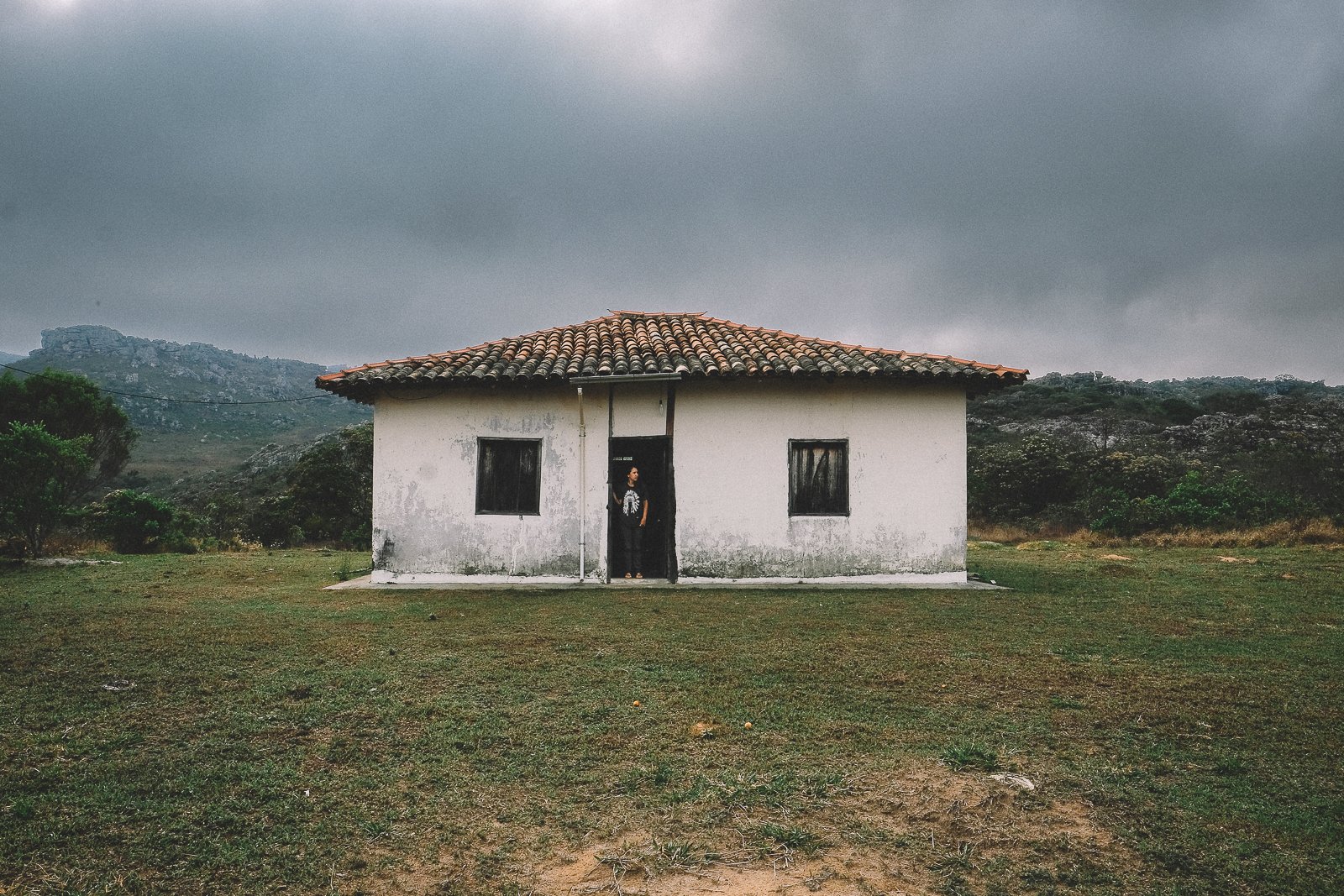
Where we sleep changes constantly throughout a crossing: homestays, pousadas, wilderness campsites, ranches, village guesthouses, and the occasional more refined stay along the way.
Most of these places are small and personal. Some are rustic, while others are unexpectedly comfortable. What they share is a connection to the landscapes and communities around them.
All become part of the story of the crossing.
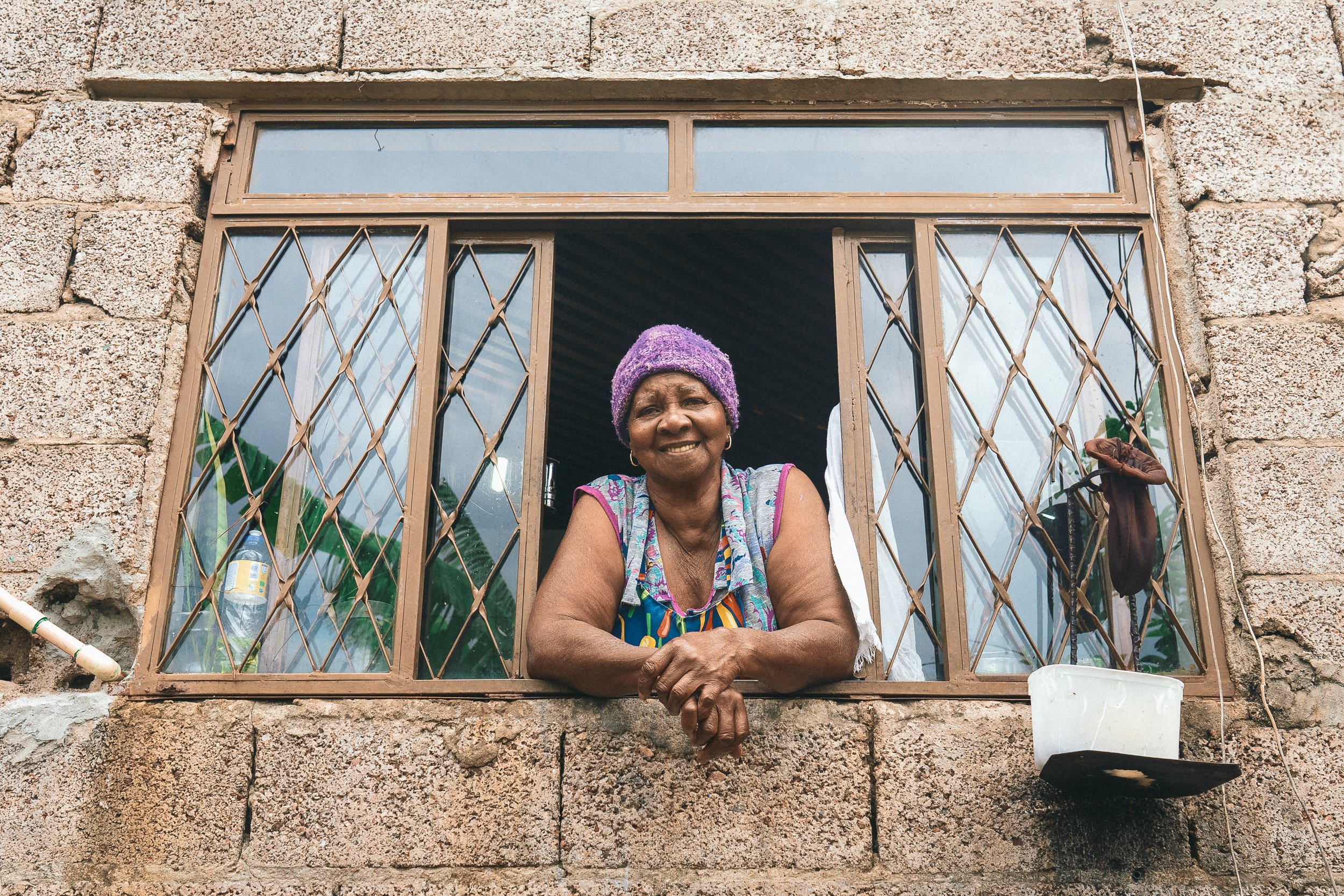
Dona Maria’s house.
São João da Chapada, October
Homestays
The trail will test us, and the peaks and waterfalls will leave their mark. In our experience, though, it’s the evenings spent breaking bread with local families—sometimes well into the night—that stay with us the longest.
The homes we stay in are part of everyday life in the range, sometimes far removed from tourism. Conditions vary from home to home, but the welcome rarely does. Rooms are often modest. Meals and conversation are generous.
Often, they’re among the most memorable stays in the range.

Dona Maria & family. São João da Chapada, October
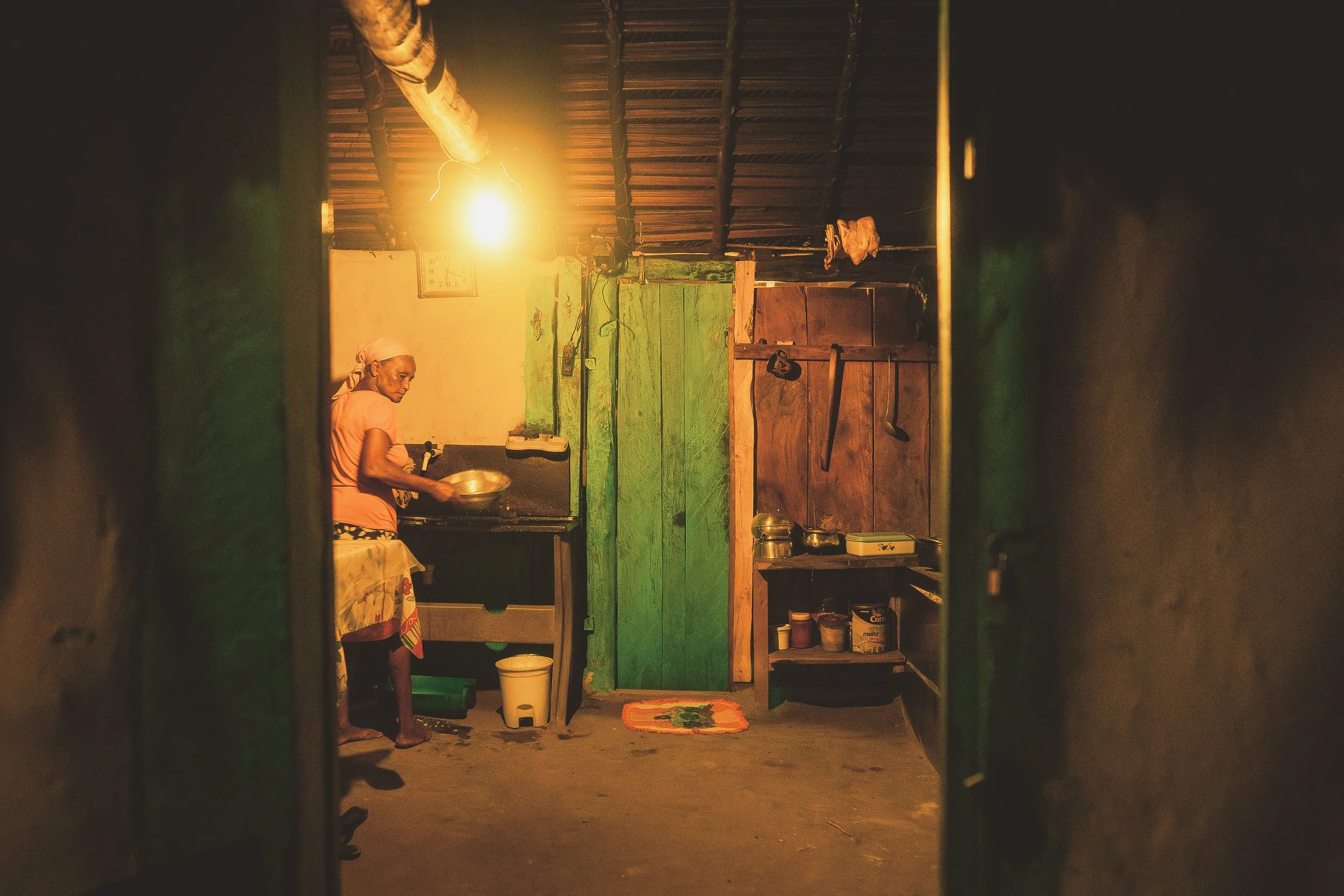
Dona Maria. Bica D’agua, July
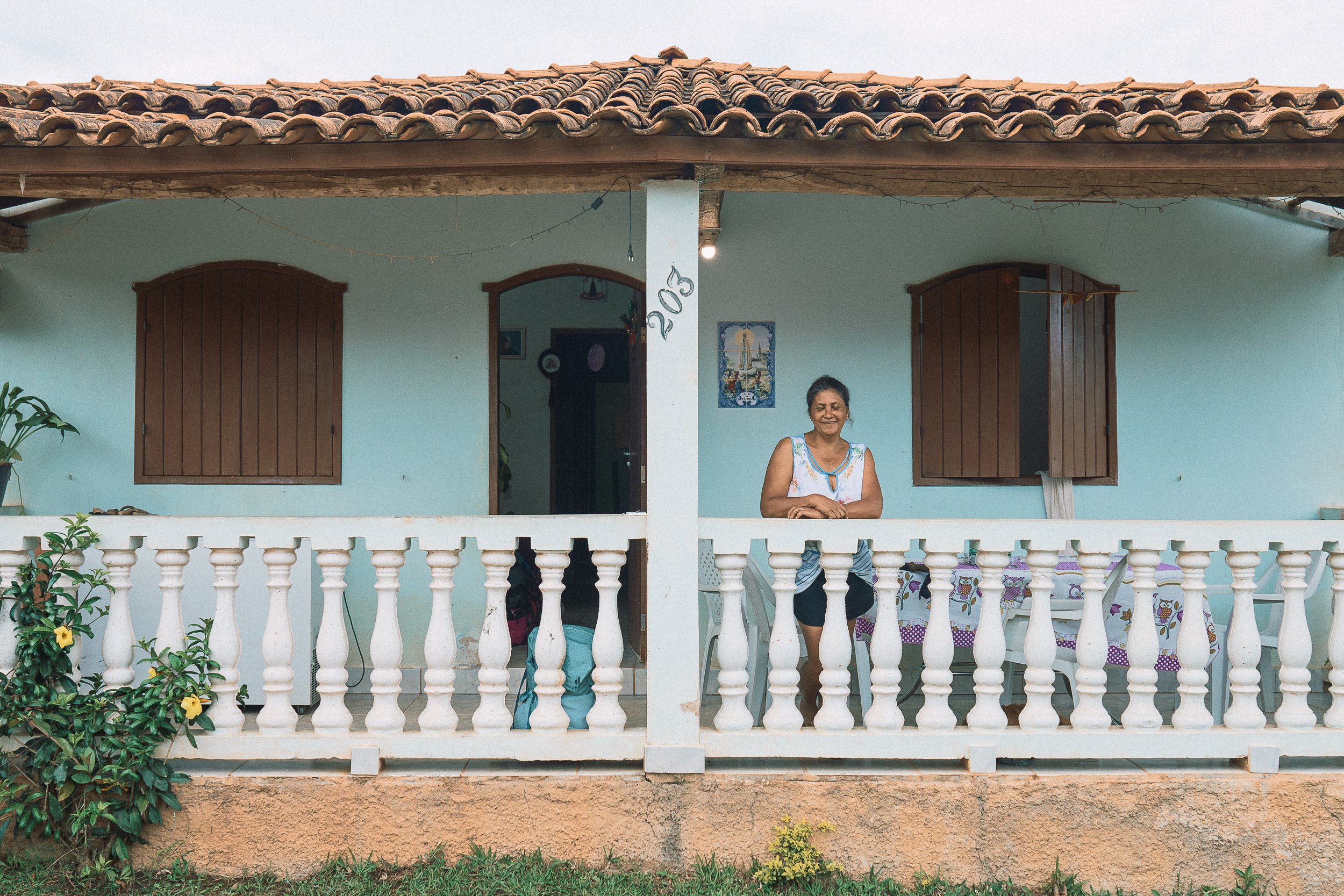
Noêmia’s house. Capivari, April
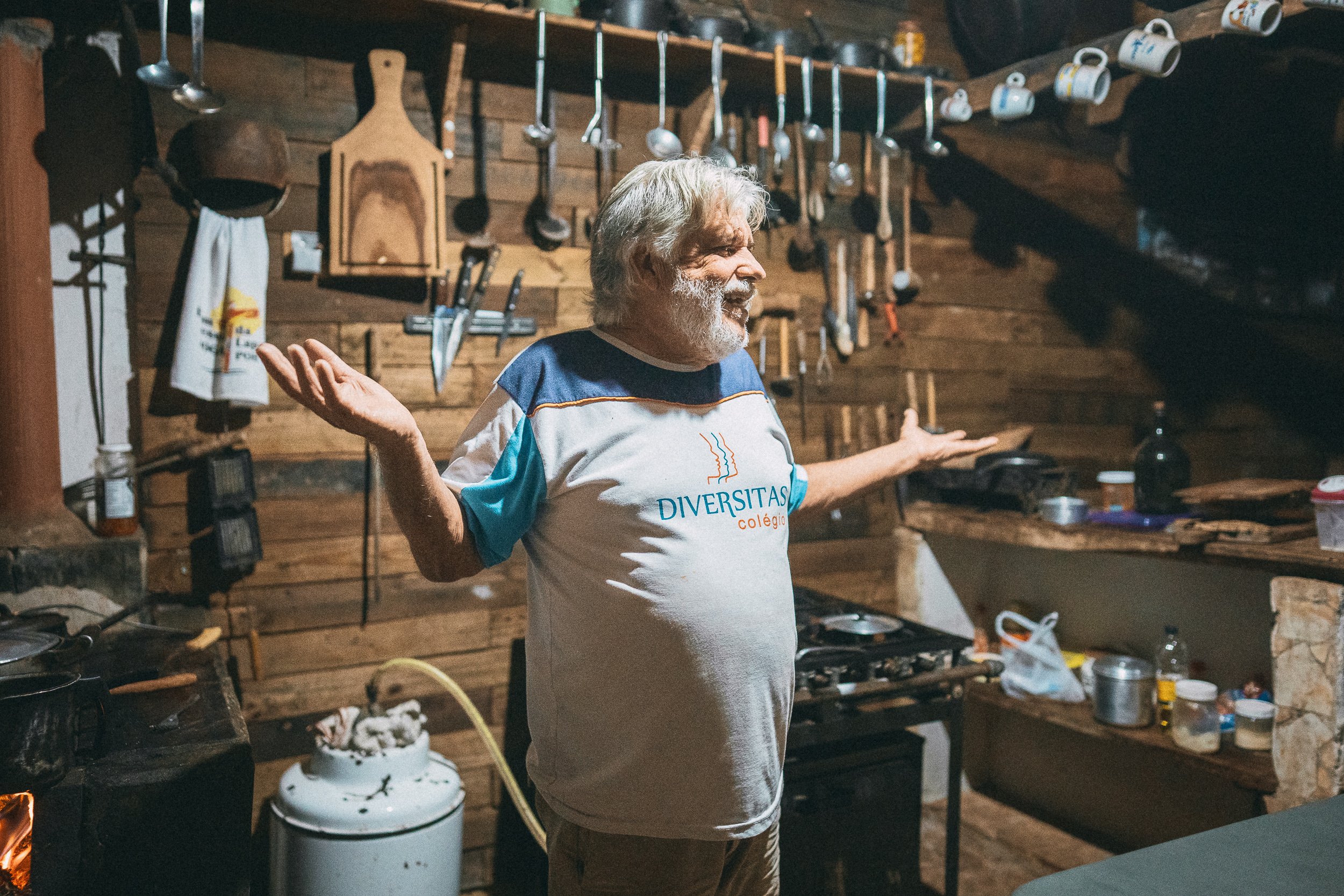
Deco’s house. Couto de Magalhães, July
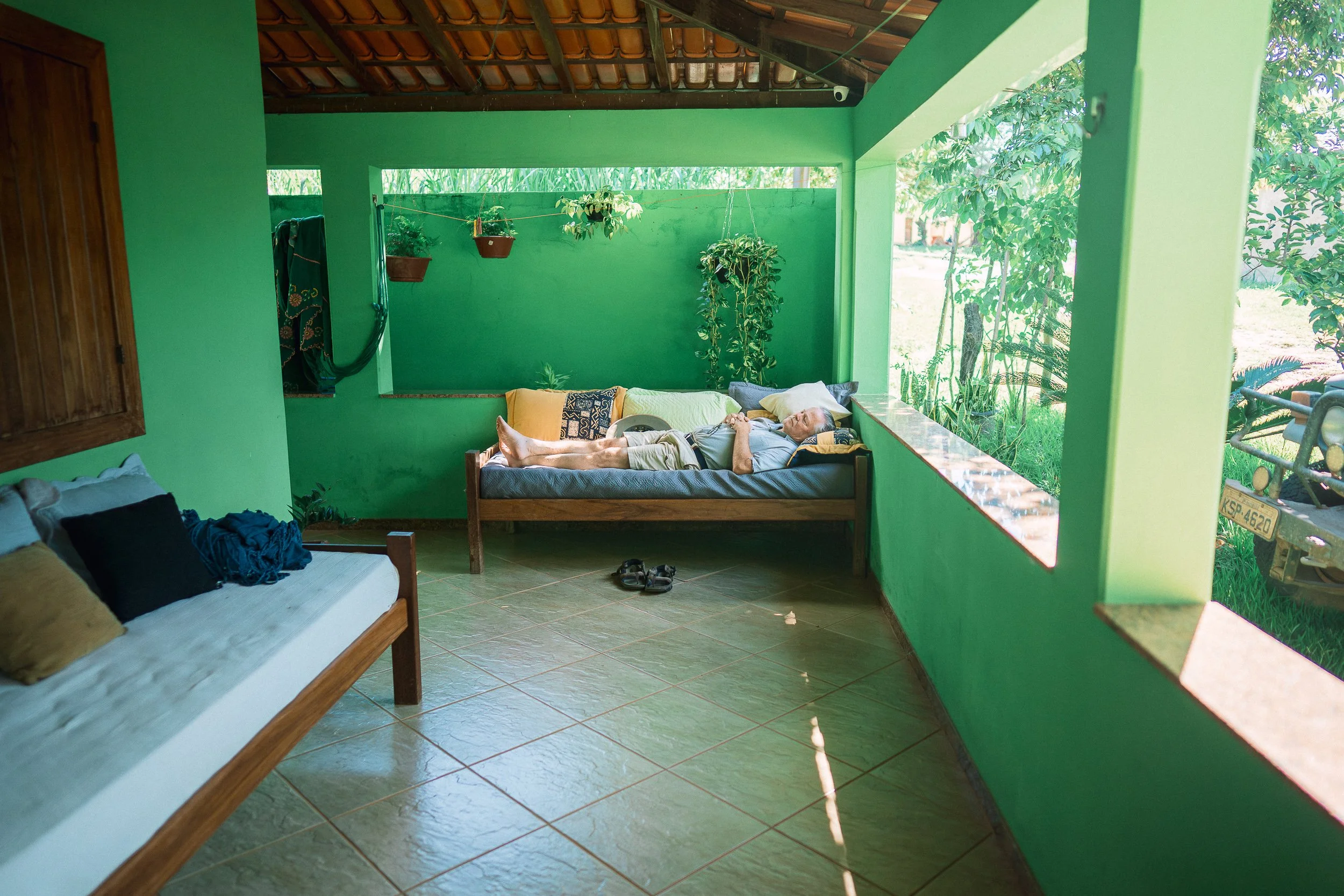
Pousada Sempre-Vivas.
Curimataí, March.
Pousadas
Small, family-run inns are a cornerstone of travel in Brazil.
Some are simple and homey. Others feel more carefully designed or restored. Nearly all reflect the people who built them.
Sometimes after a long day on the trail, a hot shower, a soft bed, and freshly baked pão de queijo in the morning are all the luxury we need.

Sheets. Pousada Capistrana, November
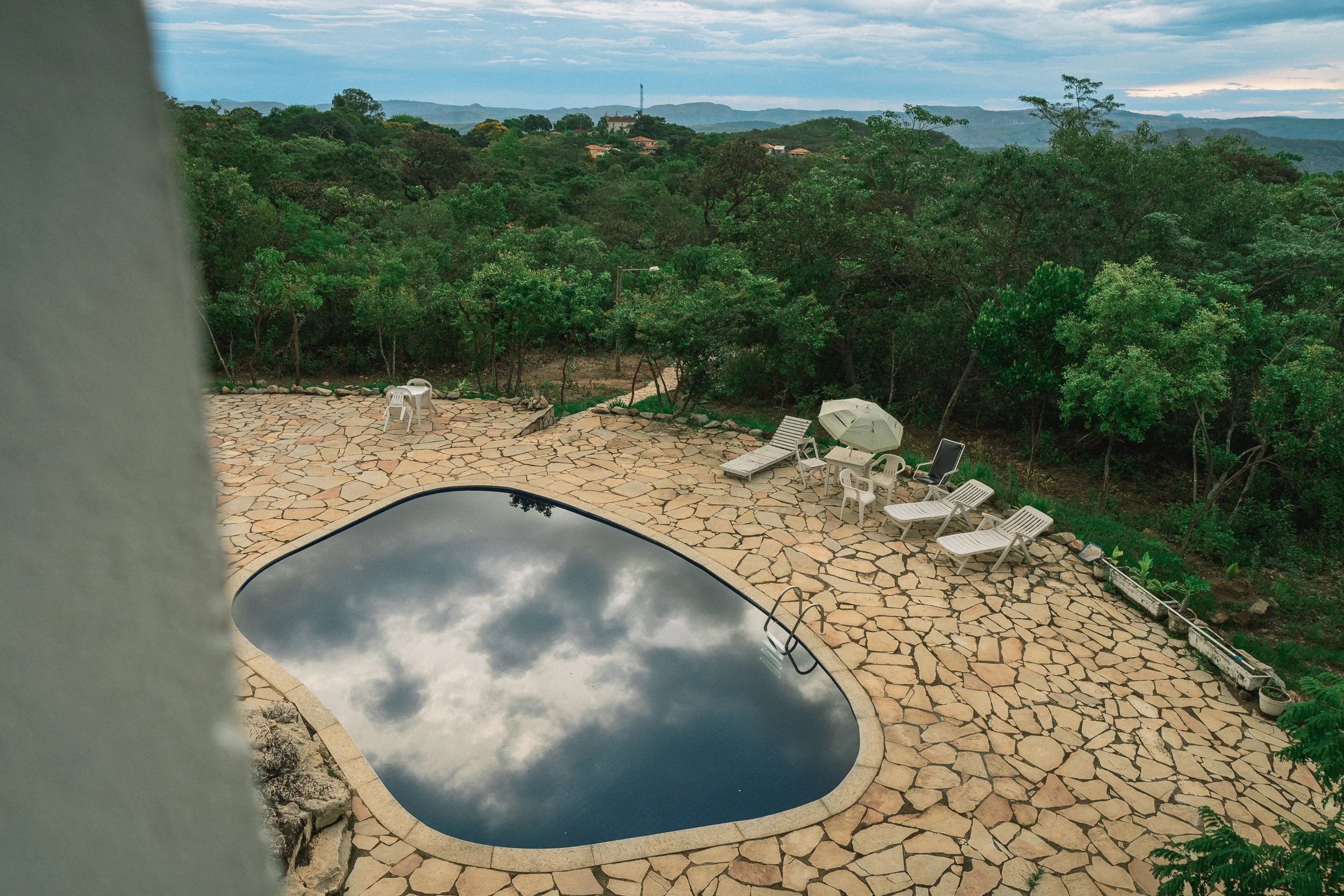
Pool + view. Pousada do Capão, January
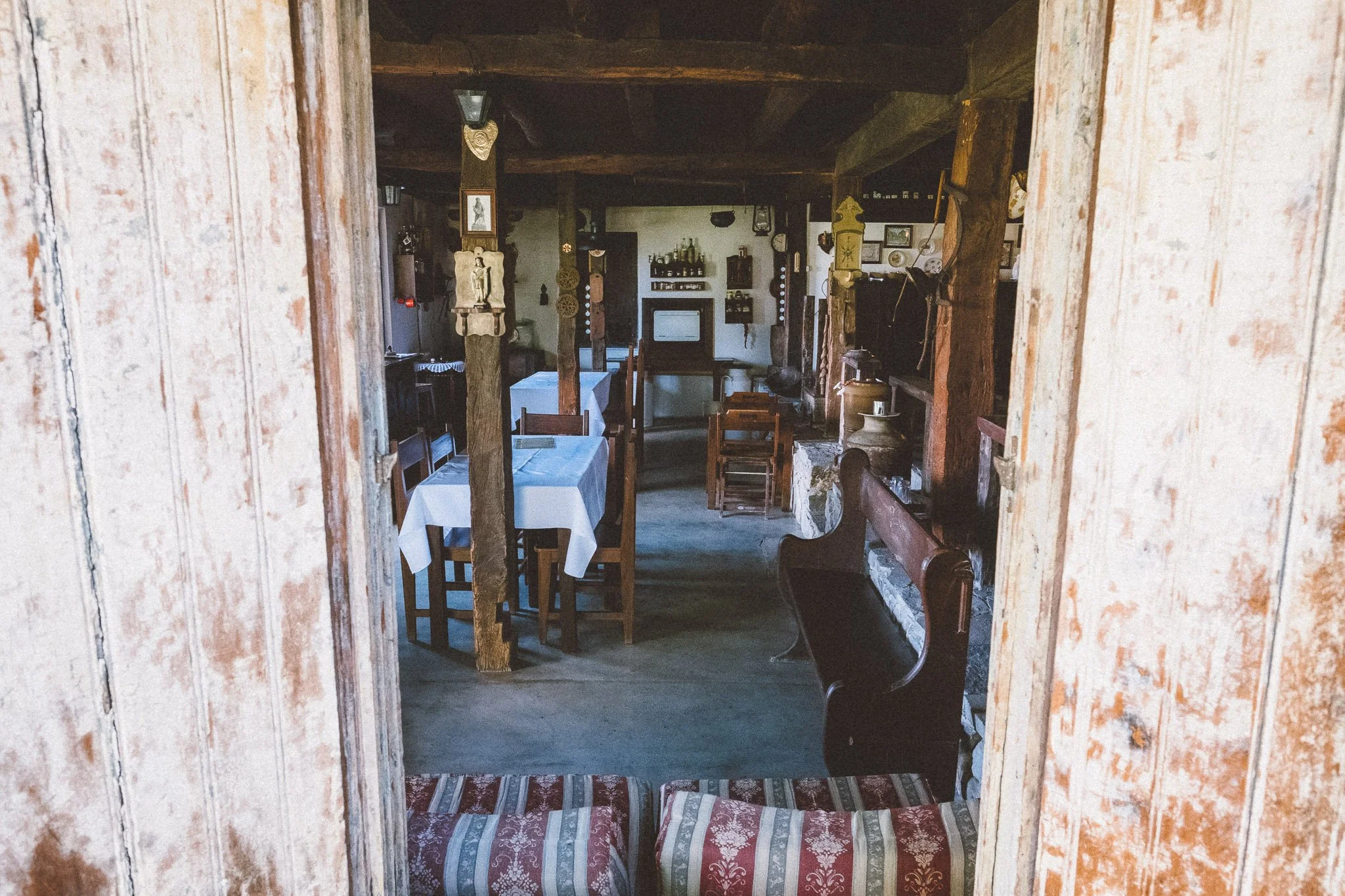
Dining room. Pousada do Capão, São Gonçalo
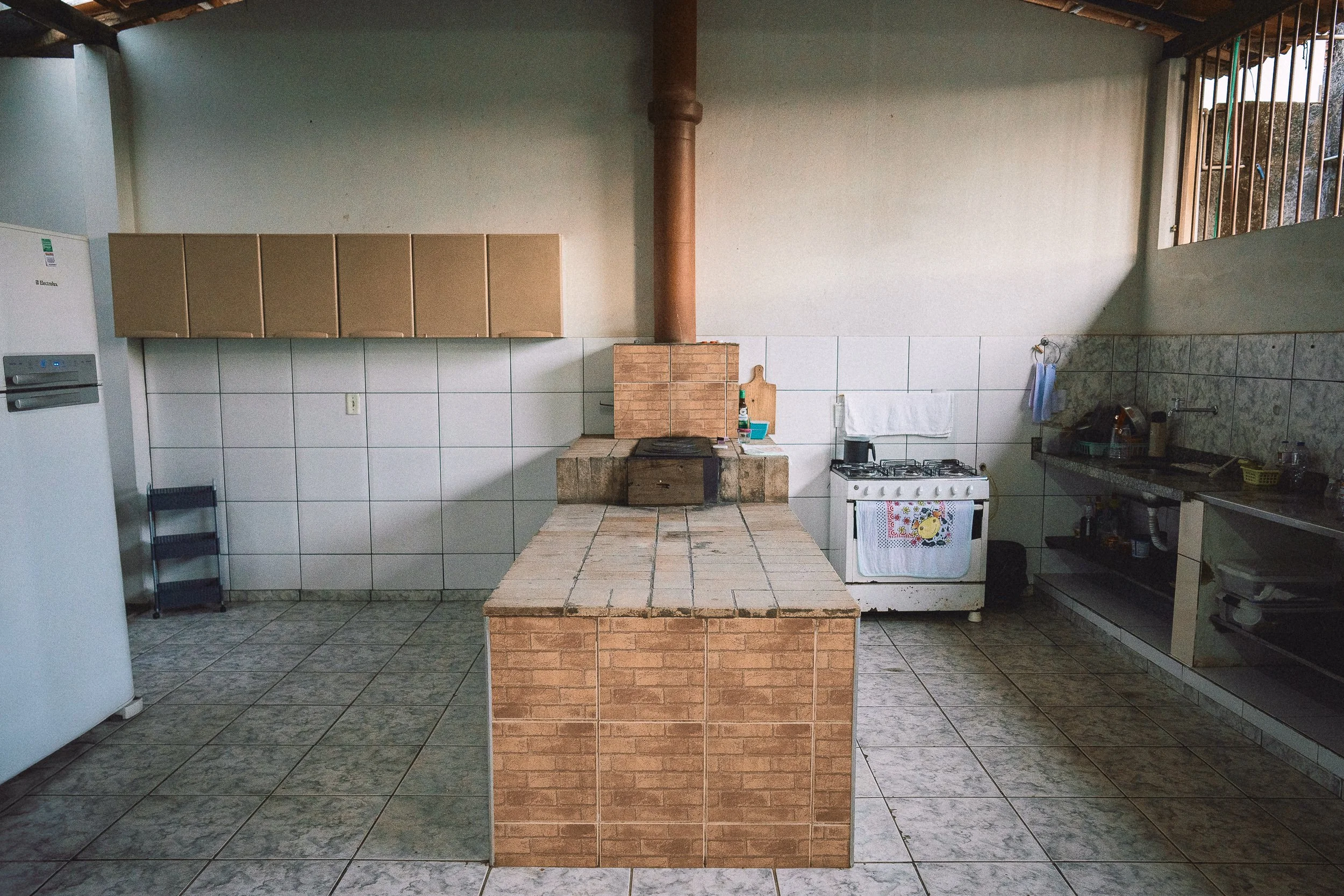
KitcheN, REceptivo Familiar. Inhaí, March

Fireside.
Vale do Rio PReto, April
Wilderness Camps
Sometimes the landscape itself becomes home for the night.
During long stretches of wilderness, we pitch tents alongside quiet rivers, in high savannah clearings, or in places that have been used for shelter for generations.
We don’t camp on every route. When we do, we cook simply, share drinks by the fire, and watch the light leave the mountains. They’re often some of the most memorable nights of the trip.

Campo. Capyvara, July
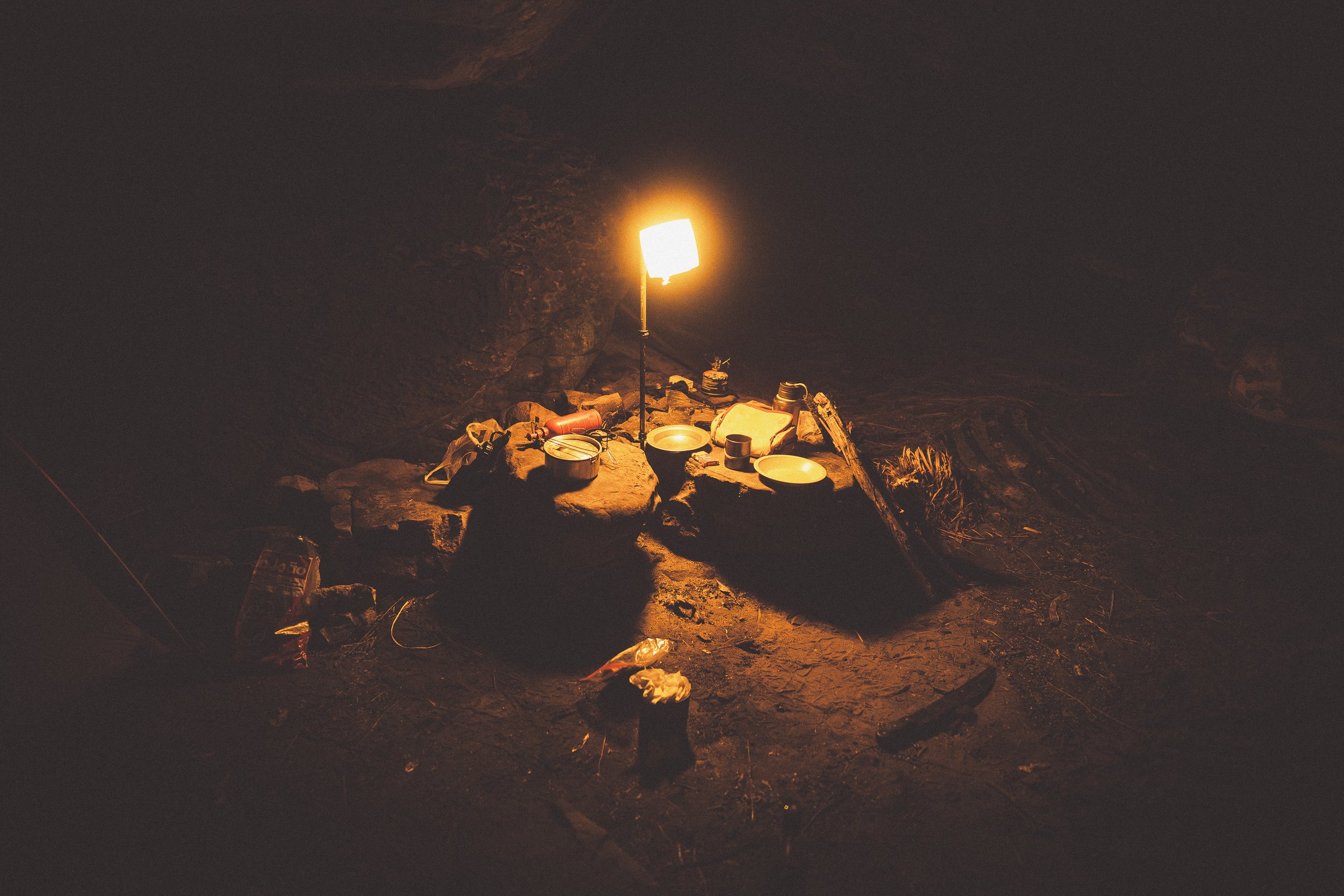
Rock Shelter. Sempre Vivas, October
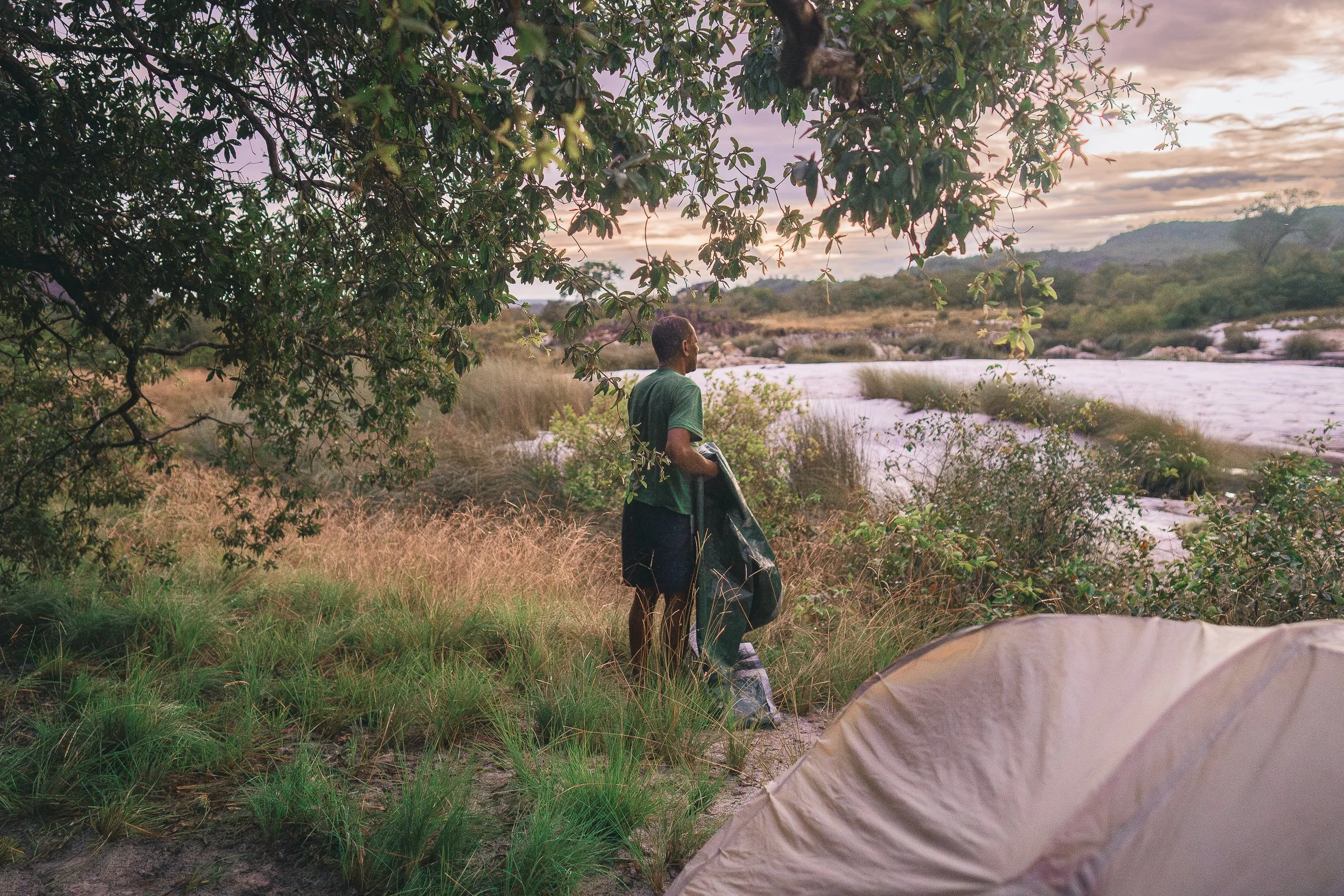
Riverbank. Inhacicão, April
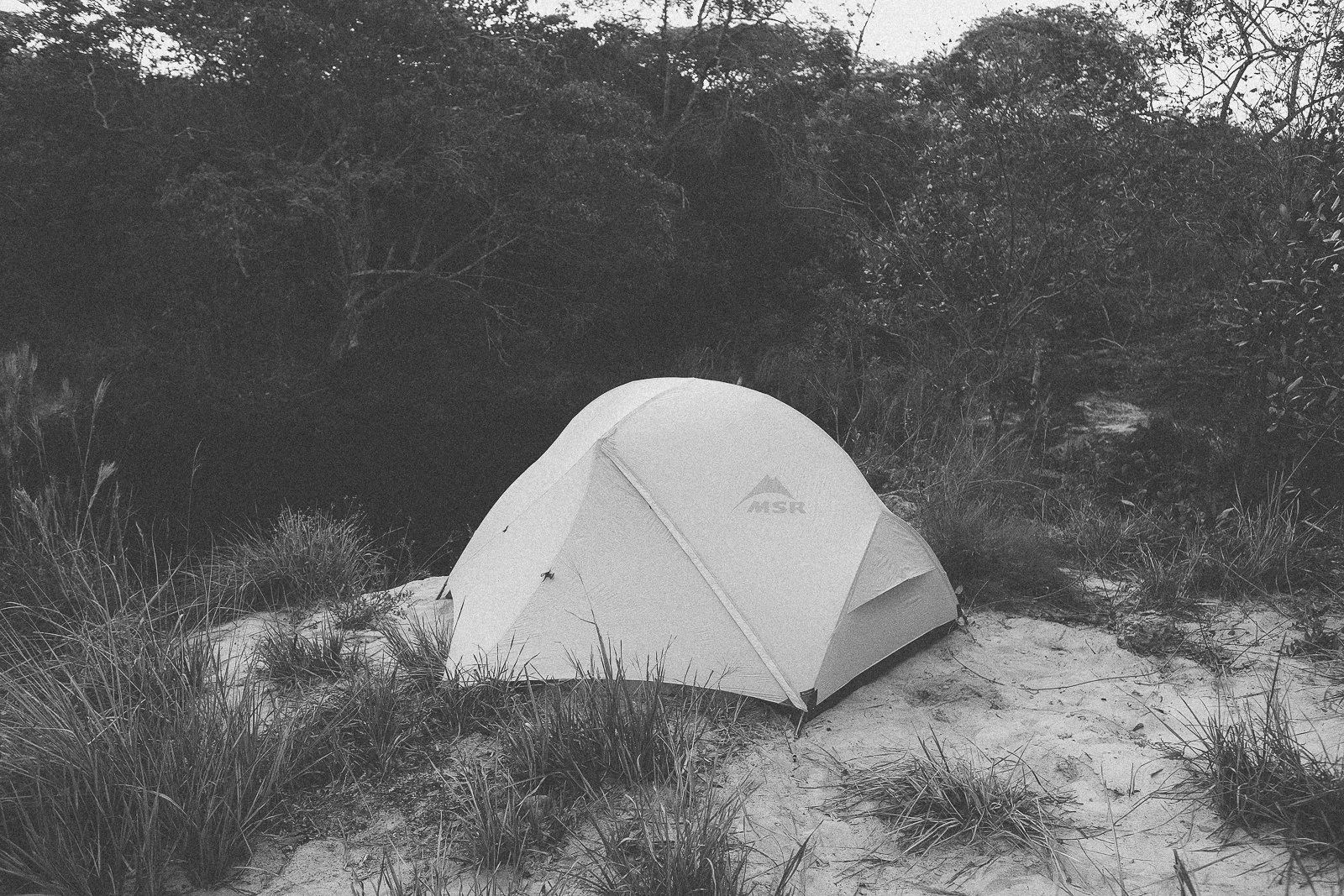
Stream. Pindaíba, September

Levi’s house.
Taquaral, October
Wilderness Refuges
Simple structures, often on private land, used seasonally by the men and women who work these landscapes.
They offer shelter, and a glimpse into a way of life.
Sometimes we sleep in them. Other times we pitch tents next to them.
Location is the luxury here. Silence comes standard.
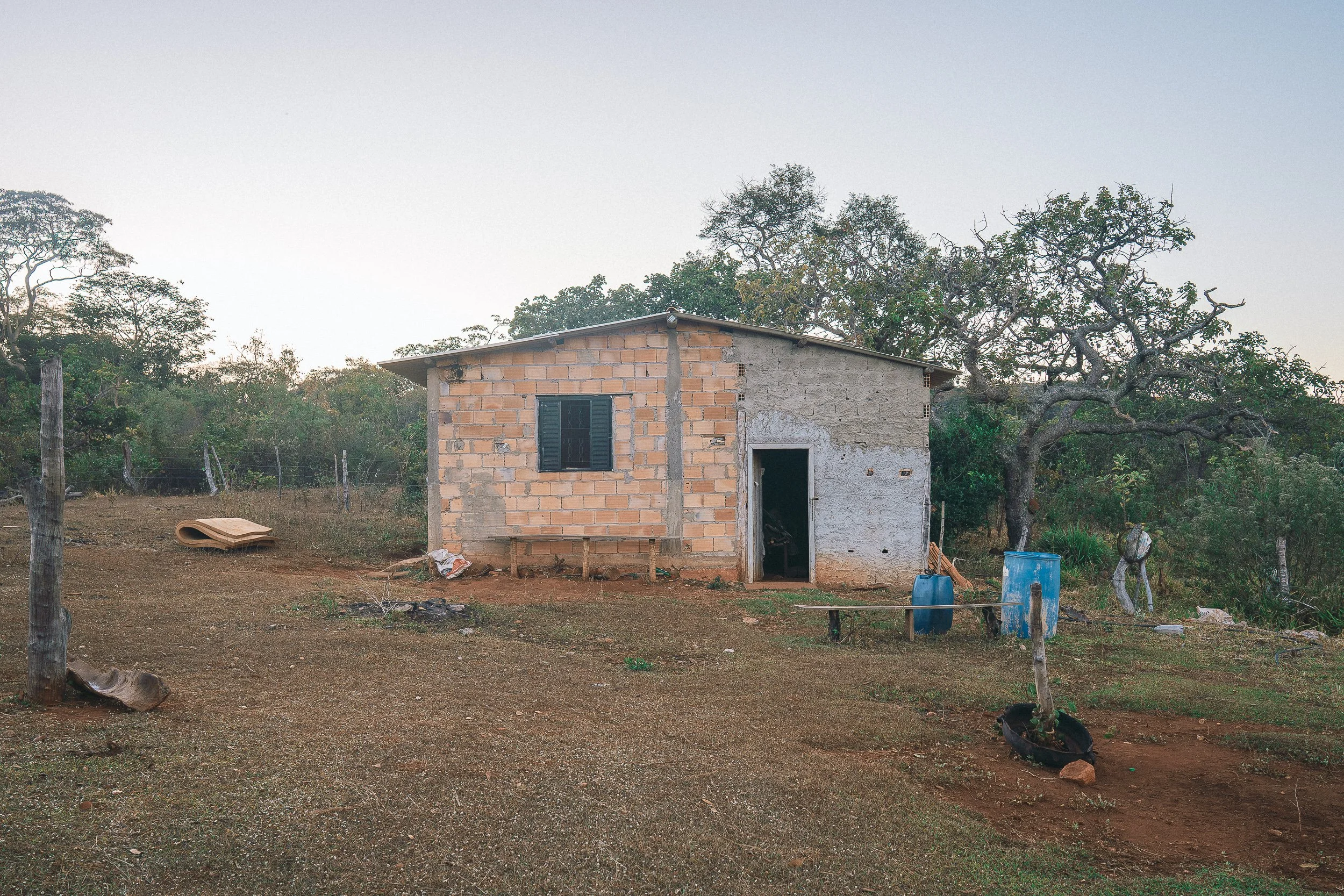
Flower picker shack. Sempre Vivas, July
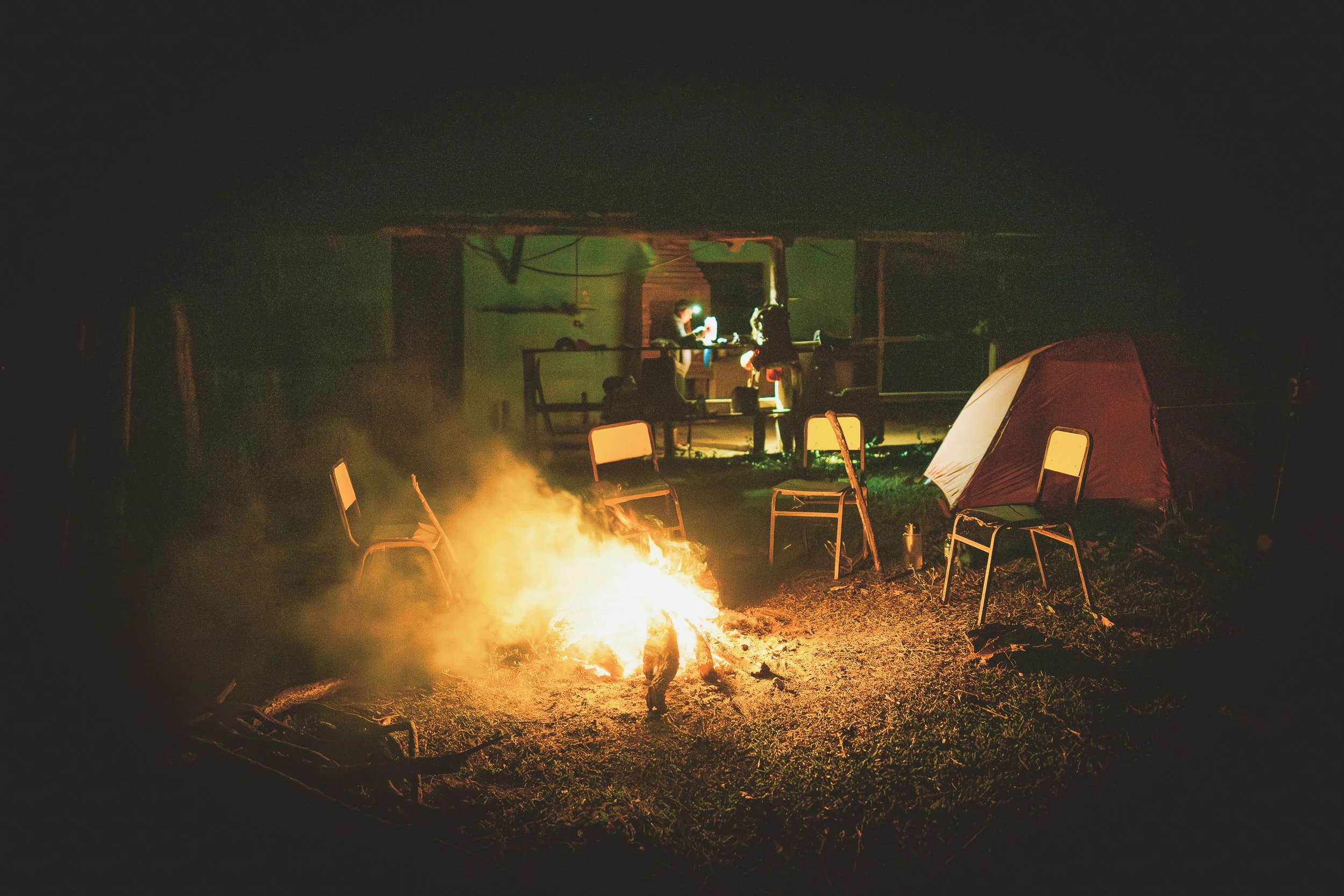
Bonfire. FAzenda Gavião, July

rancho do lu. Catraia, April
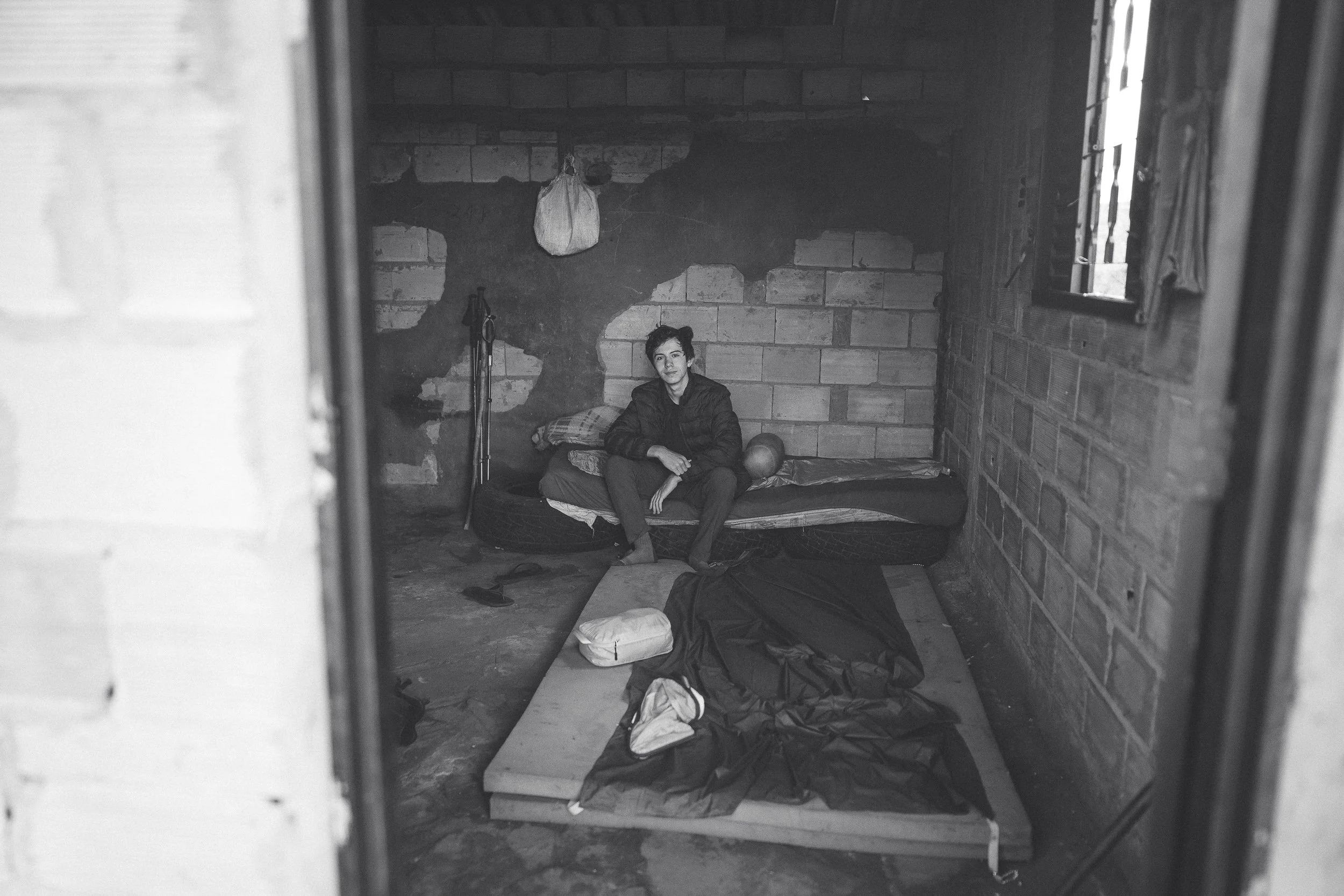
Beds. Vargem Grande, July

Fazenda Santa Cruz do Gavião.
OCtober
Private Homes
Occasionally, the route gives us a place of our own.
A historic home in a quilombola village. A vacant ranch in the hills.
After days on end of being received, sometimes it feels good to simply close the door, spread out, and make yourself at home.

Elisa’s House. Curralinho
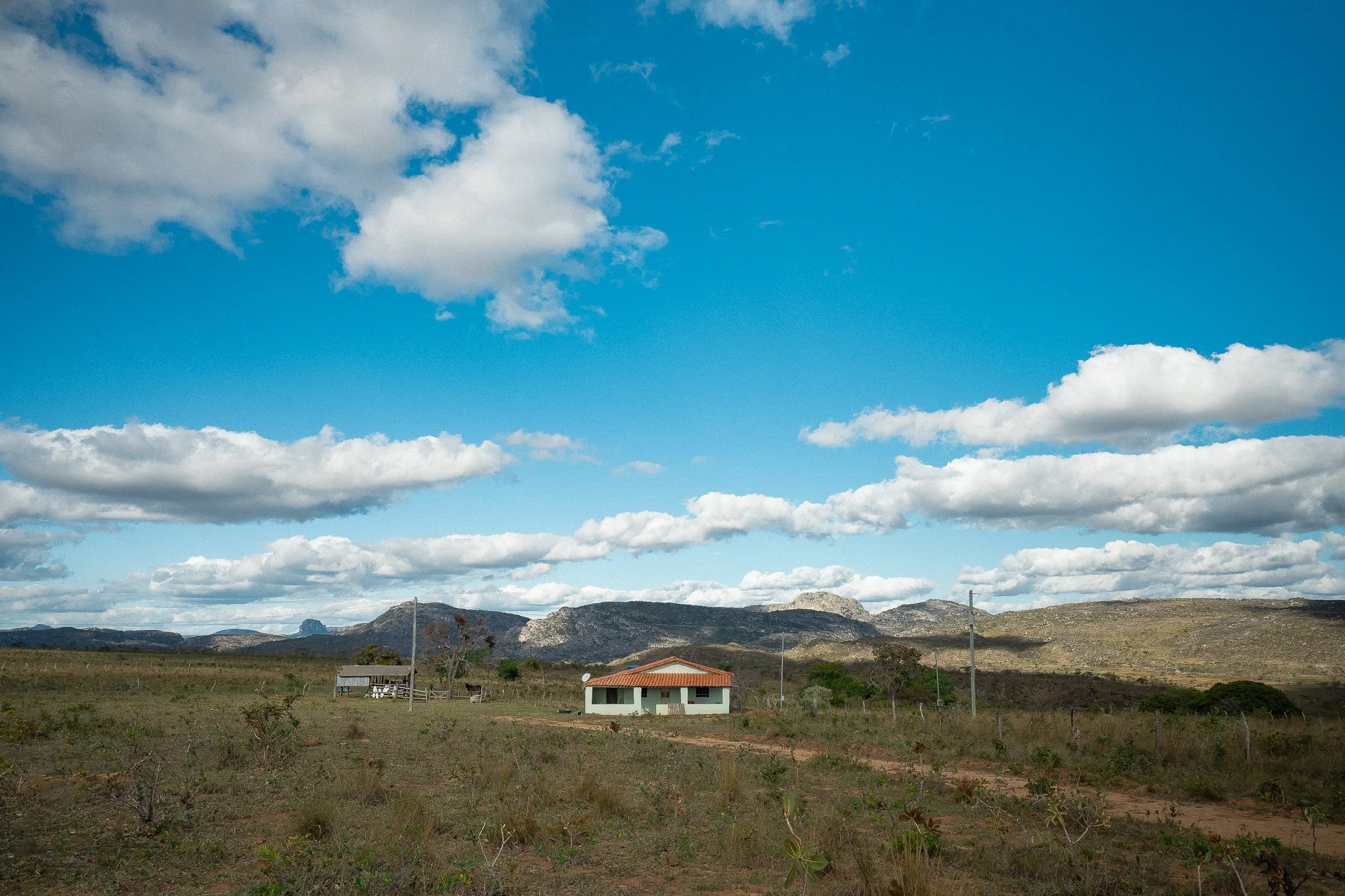
Nica’s House. Santa Rita
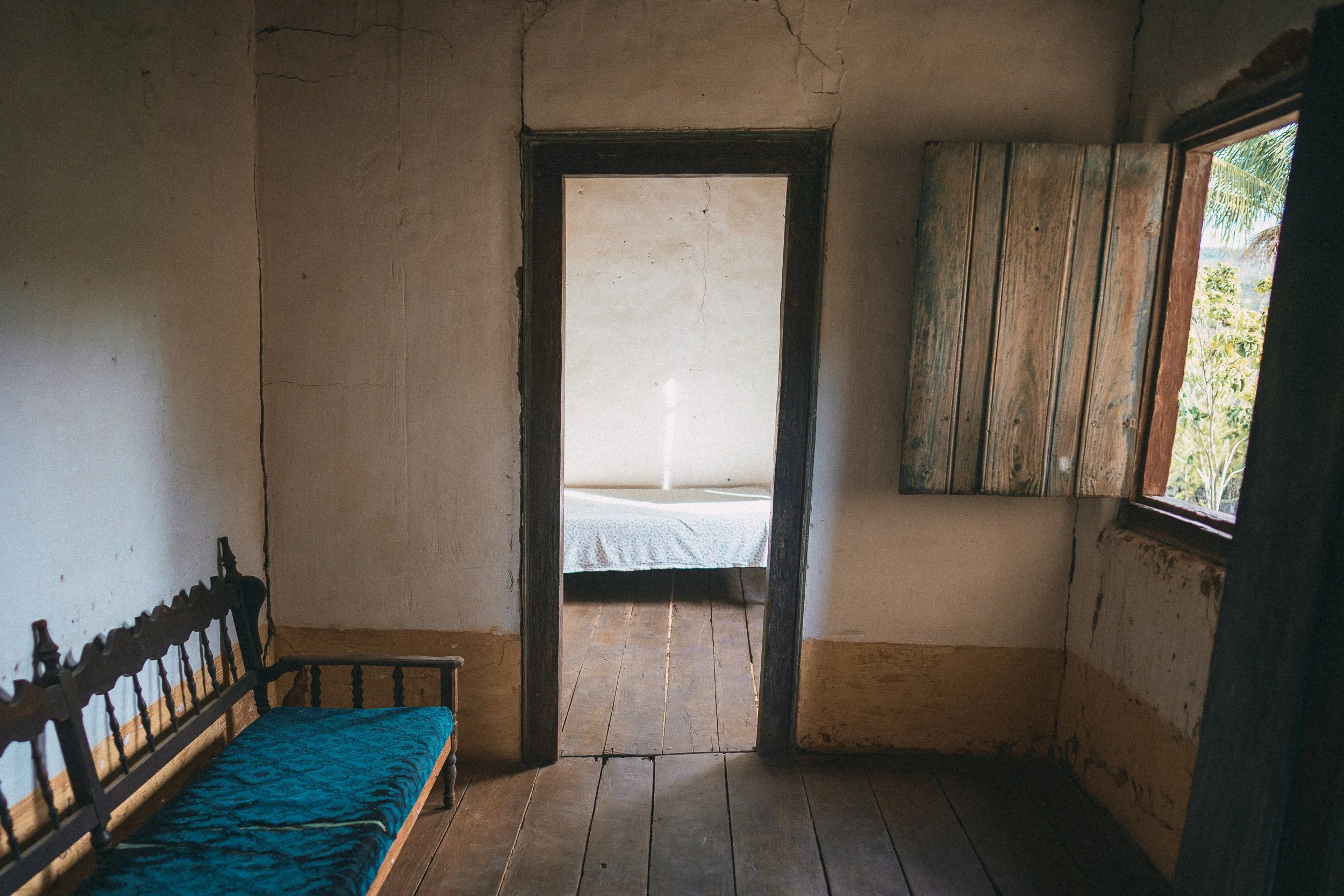
Carol’s House. Quartel do Indaiá

Townhouse. Extração
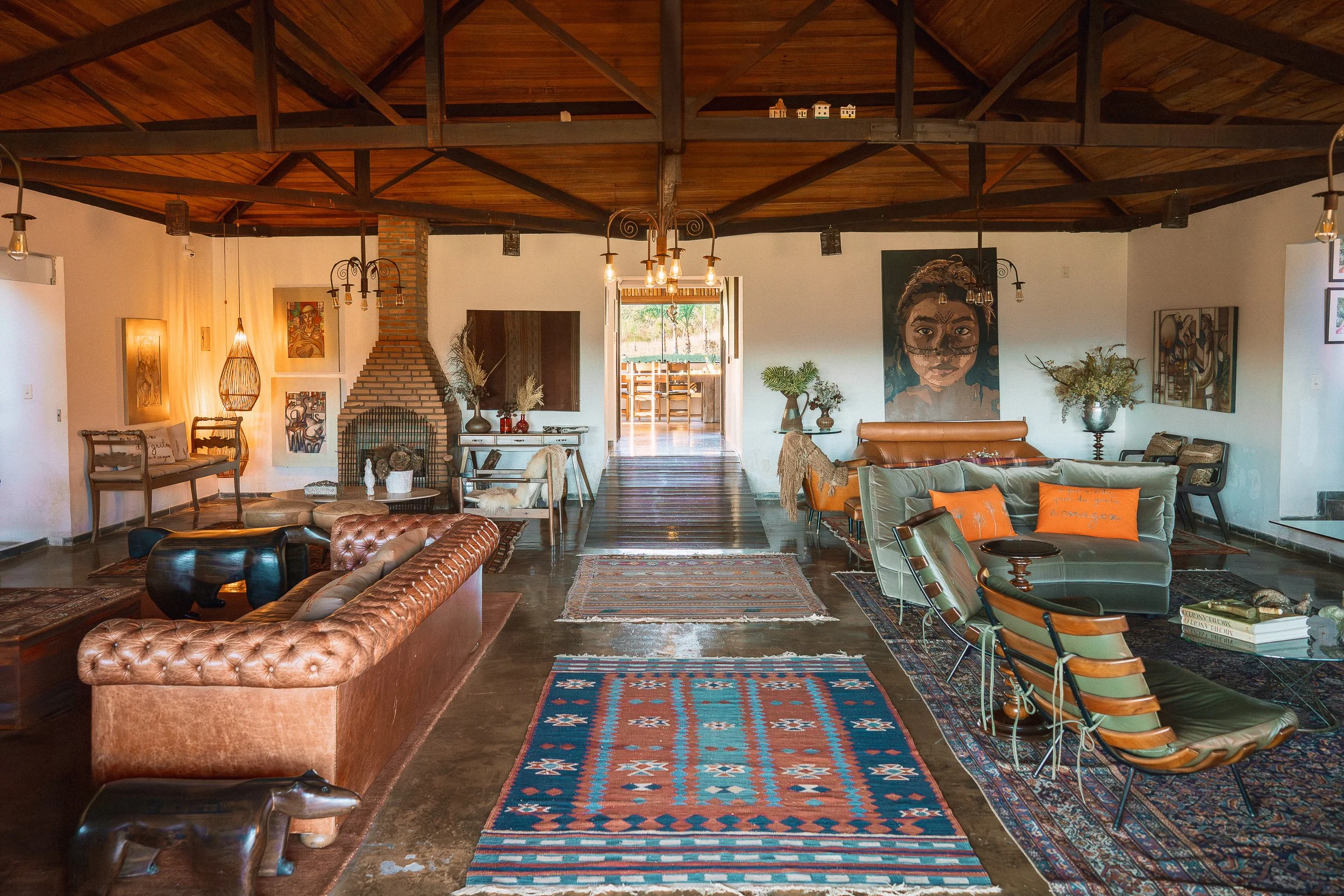
Main sala, Raiz Parque
The Occasional Contrast
Not every night is rustic.
At times the route brings us to guest ranches, historic villas, or rural retreats built for healing, wellness, and leisure. These places are part of the region too.
Experiencing them in contrast to the backcountry doesn’t dull the senses. It sharpens them.
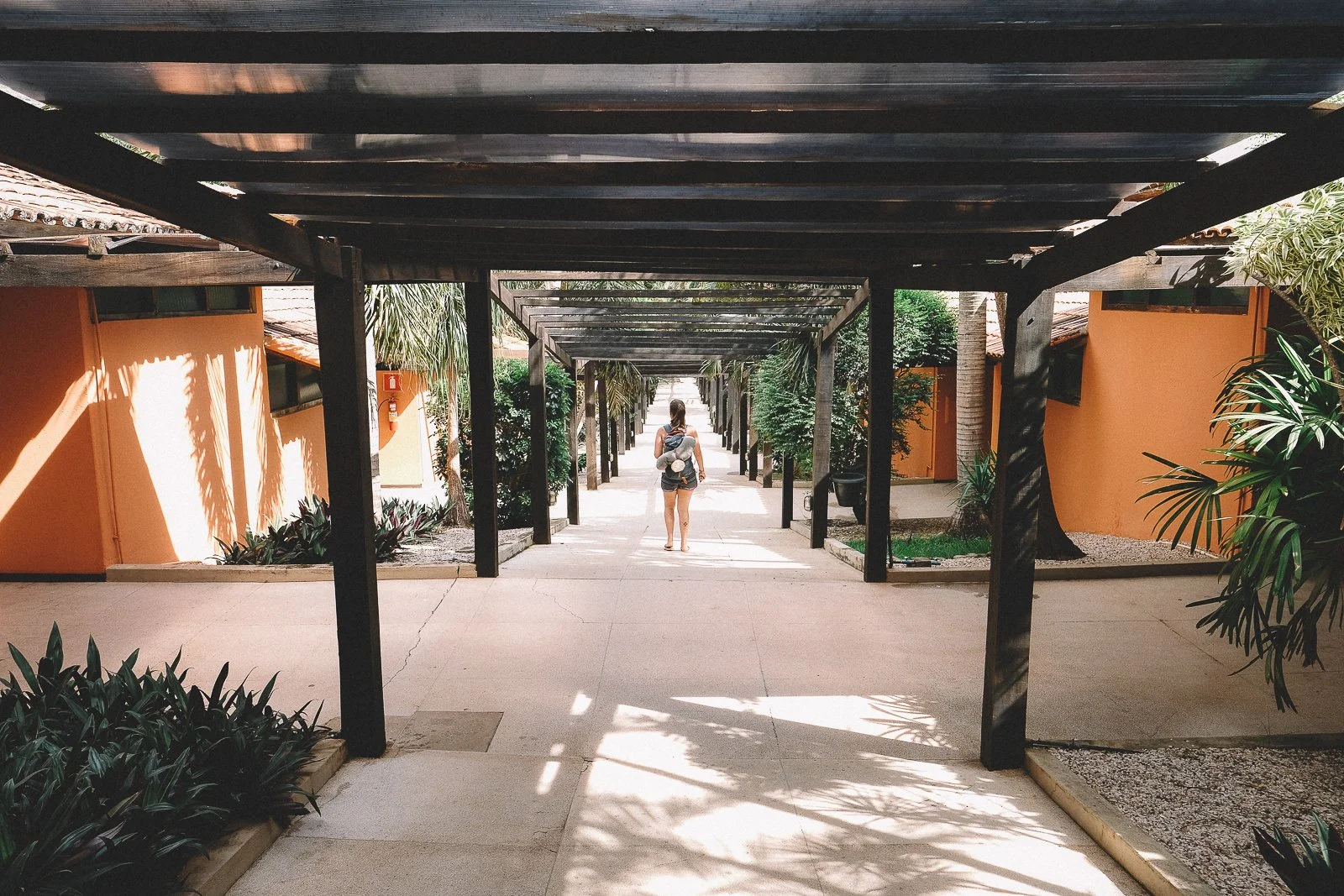
Change of Pace. Santa Bárbara, September
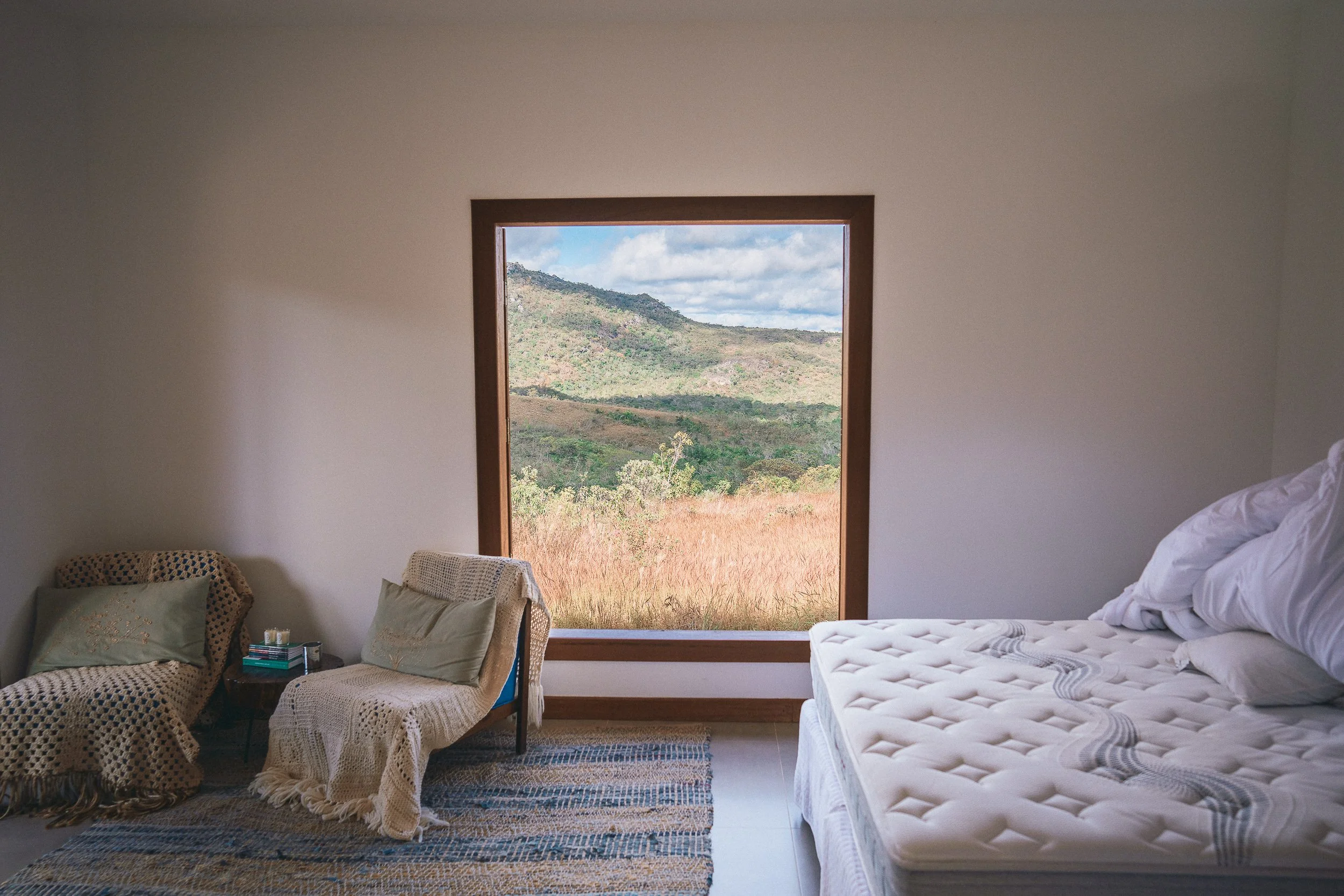
Room with a view. Alecrim, July

Pouso da Chica. Diamantina, April

Dinner. Santa Bárbara, April
If the Espinhaço is calling, we’re happy to talk it through.