

Where We Go
The Secret Serra
Introducing Brazil’s majestic, unheralded Serra do Espinhaço
2026–27
When we set out to build Gift of Go, we wanted to share the story of Brazil — the deeper, less-exported version we fell in love with, about gracious people and bucolic backroads, Atlantic Rainforest and high savannah, colonialism and slavery, rural and urban ways of life, and strikingly varied socioeconomic realities.
The highlands around Diamantina, in Minas Gerais, gave us everything we needed and more.
Once the epicenter of the global diamond trade, the Serra do Espinhaço was largely abandoned and forgotten by the outside world for nearly two centuries. Today it’s on the cusp of wider recognition as one of the most remarkable mountain ranges on earth.
If you’d like to see how we walk into this story,
[See our 2026–27 trips →]

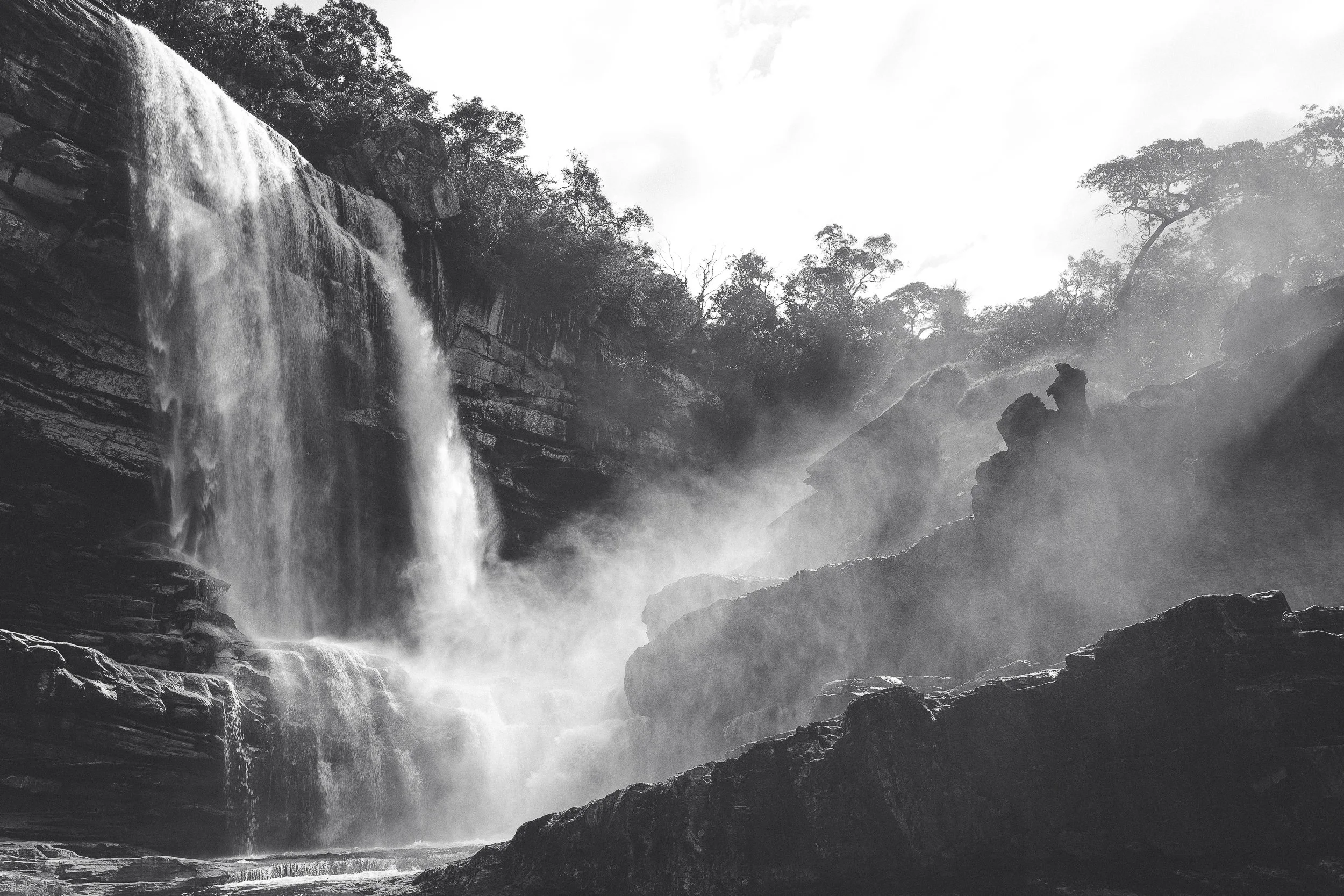


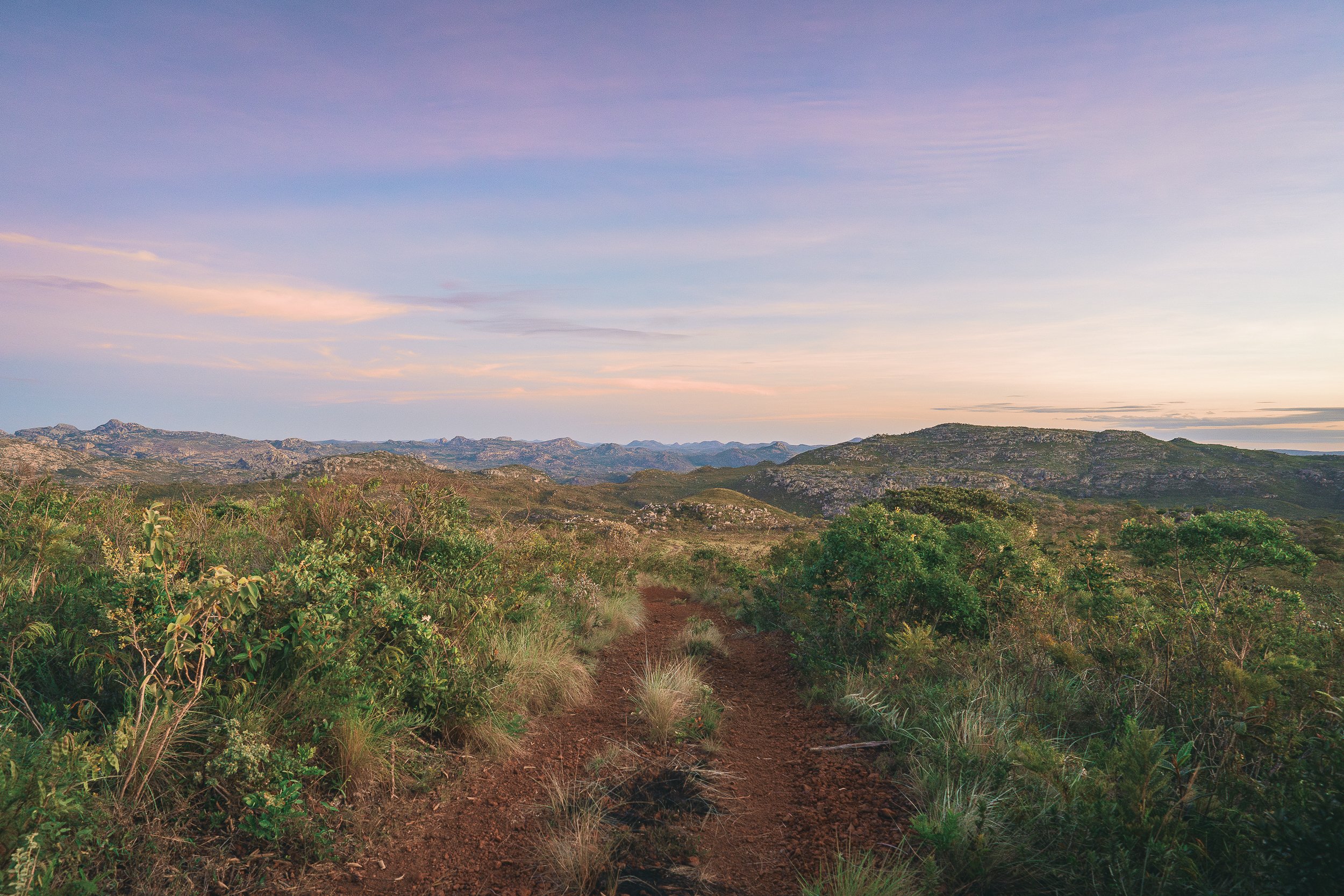
trailhead, Sempre Vivas National Park Serra do Espinhaço
The Secret Serra
A brief introduction to the range we call home.
Stretching nearly 1,200 km from the Quadrilátero Ferrífero in Minas Gerais to Chapada Diamantina in Bahia, the Serra do Espinhaço (literally, the Spiny Mountains) is considered Brazil’s only true cordillera.
Within that spine, centered around the colonial city of Diamantina, is the region we call home: the Espinhaço Mosaic (Mosaico do Espinhaço, also known as the Alto Jequitinhonha – Serra do Cabral Mosaic), a nearly 2 million-hectare (~5 million-acre) expanse of protected areas and buffer zones that includes 19 adjacent conservation units, 14 municipalities, and hundreds of small rural communities, many of which maintain traditional ways of life.
Geographically, the Mosaic sits at a set of remarkable confluences: an ecotone between two major biodiversity hotspots (the Cerrado, or Brazilian savannah, and the Atlantic Forest); the watershed for three of Brazil’s most important rivers (the Jequitinhonha, São Francisco, and Doce); and a transition zone between the country’s southeastern and northeastern cultural lines.
Historically and ecologically, it’s a place of superlatives: the epicenter of the world’s diamond trade — and much of Brazil’s slave trade with Africa — for nearly 200 years; home to one of the country’s most biodiverse and threatened ecosystems, the campos rupestres, which harbor almost 15% of Brazil’s plant species in less than 1% of its territory; one of Brazil’s least-visited national parks (Sempre Vivas, with only a few dozen registered visitors each year); and the birthplace of one of the country’s most vital waterways, the Jequitinhonha.
On the international stage, this corner of the range has slowly begun to garner recognition for its unusual mix of nature and culture: a UNESCO Biosphere Reserve (Serra do Espinhaço – Minas Gerais), a UNESCO World Heritage city (Historic Centre of Diamantina), a UNESCO Intangible Cultural Heritage (traditional ways of making artisanal Minas cheese), and an FAO (UN) Globally Important Agricultural Heritage System (Sempre-Vivas traditional agriculture).
On the ground, though, the Espinhaço remains largely anonymous. Even in Diamantina and the surrounding towns, few residents have ever heard the word “Mosaic,” let alone visited its parks. Sempre Vivas (its largest conservation unit) has had a formal management plan for decades, yet receives just a few dozen registered visitors each year.
We didn’t know any of this when we first followed a trail into the range in 2018. We just knew it felt special: beautiful, overlooked, full of generous people and stories worth listening to.
In a country with countless ways to tell its story, few settings are as rich, revealing, or quietly extraordinary as this “secret” serra.
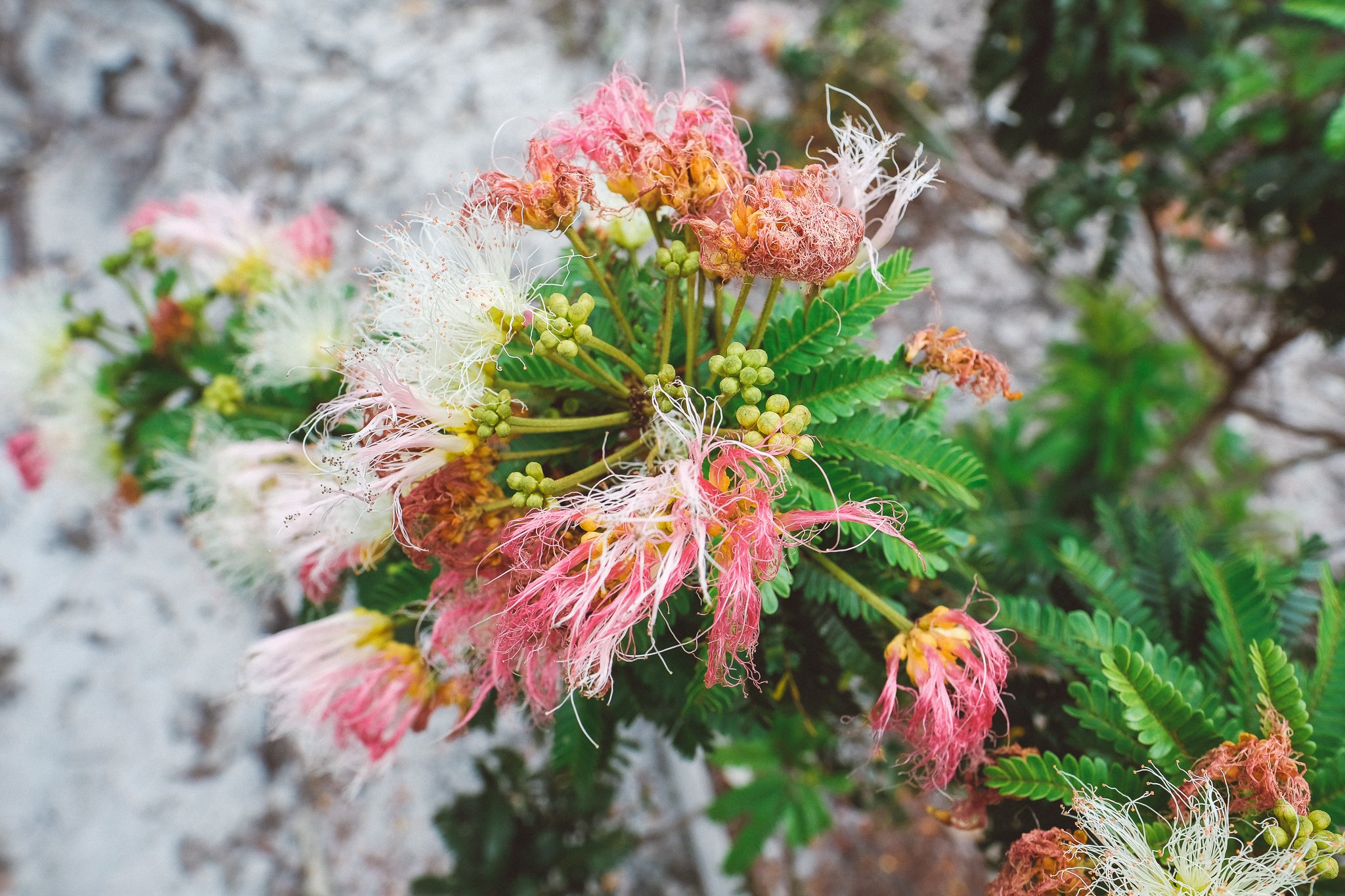
WildflowerS in October
The Garden
More life than land. More urgency than time.
It’s difficult to overstate how rich the Espinhaço is in biodiversity. The range represents just a sliver of Brazil’s territory but harbors thousands of plant species, many of them found nowhere else.
The high-altitude ecosystem behind that miracle is the campos rupestres — a rocky, flower-strewn expression of the Cerrado (Brazilian savannah) that occupies less than 1% of Brazil’s area yet holds almost 15% of its flowering plant species.
Beyond the high savannah, the range also cradles the westernmost remnants of the Atlantic Rainforest, making it one of the few places on earth where two critically endangered biomes meet.
It’s ironic, and tragic, that a landscape this rugged can also be this fragile. Much of the range sits atop quartzite and ironstone: coveted by mining interests, slow to heal, and vulnerable to careless fire.
The Espinhaço isn’t just overlooked by tourism. In many ways, it’s in the crosshairs. It’s a privilege to be able to show it to travelers now, like this, while so much of it is still intact.
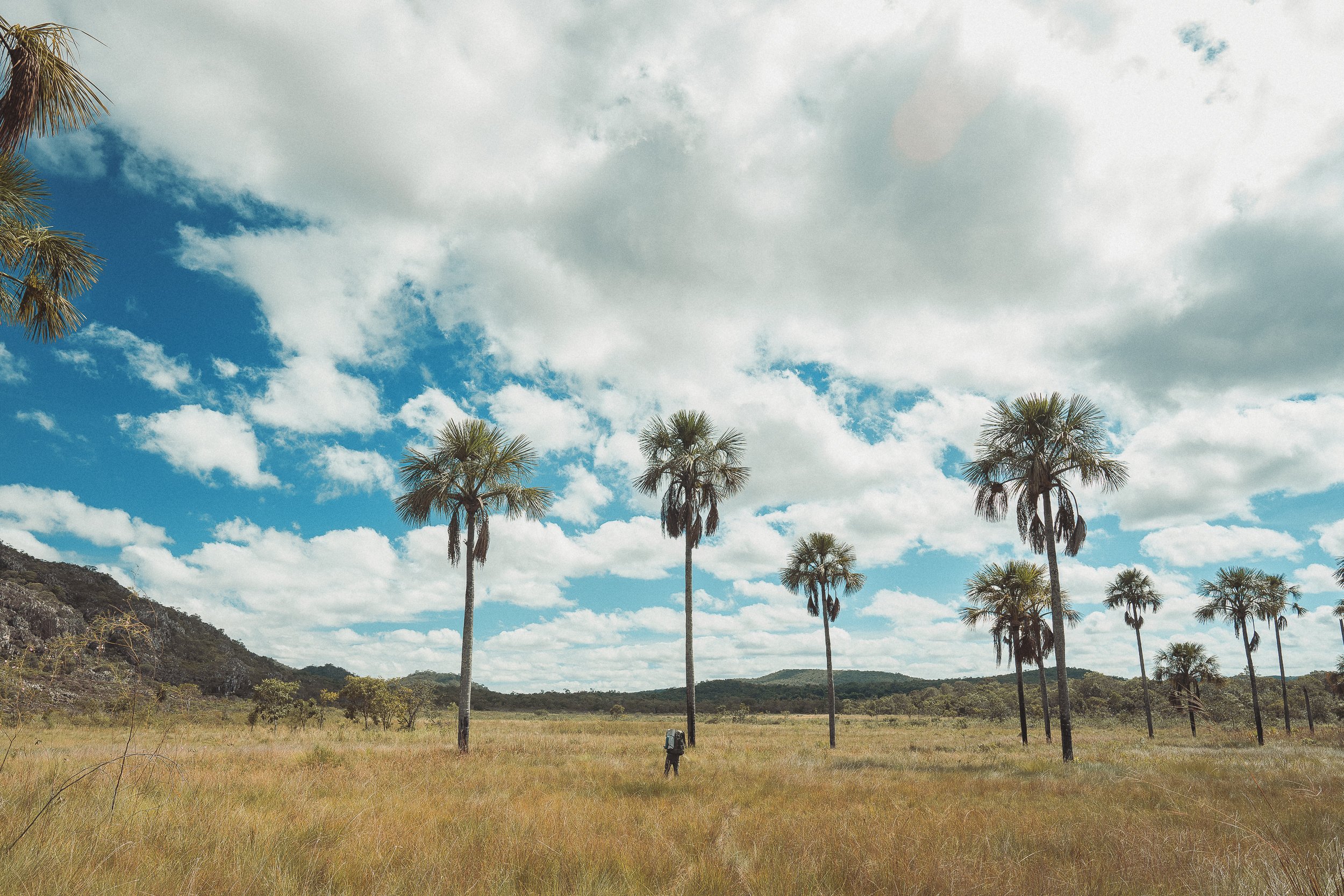
Vereda, Sempre Vivas NP
The Mosaic
A forgotten wonderland, and the stage for everything to come.
Imagine an unfathomably large swath of protected highlands gushing with green mountain vistas, white-sand waterfalls, cola-colored rivers, one of the highest concentrations of endemic species on the planet, a network of historic trails, and almost no tourism.
Welcome to the Mosaic of the Espinhaço: 19 adjacent conservation units and their buffer zones, totaling almost 2 million hectares (~5 million acres; roughly the size of Wales) of protected Cerrado and Atlantic Forest. It includes one national park (Sempre Vivas), multiple state and municipal parks, and other reserves… with little to no visitor infrastructure.
For travelers who love untouched wilderness, unadulterated culture, and unhurried adventure, the Mosaic is the stuff of dreams.

vesperata! Diamantina
The City of Diamonds
A world traveler’s dream, hidden in plain sight.
UNESCO World Heritage city. Terminus of the Estrada Real. Bastion of Portuguese colonial architecture. Former diamond-mining capital of the world.
Somehow, little Diamantina (pop. ~49,500) manages to be all this and more — a college town, a musical capital, and a cultural crossroads — while remaining virtually undiscovered, even by many Brazilians.
Add it all up and you have a strikingly rare combination: old soul, vibrant present, and relative anonymity, sitting in the middle of one of the most enchanting ranges on earth.
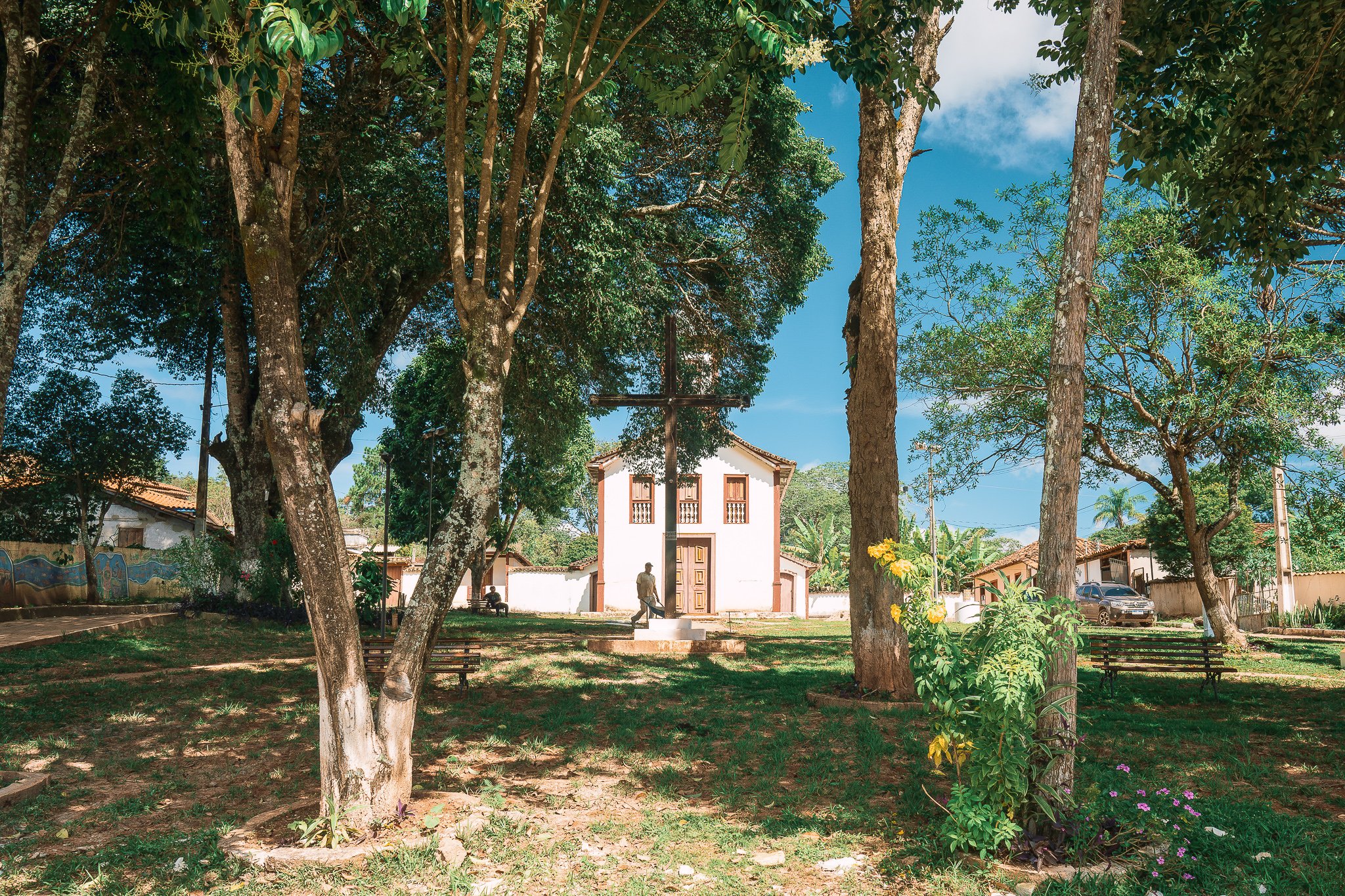
Street Scene, São Gonçalo do Rio das Pedras
Colonial-era Villages
Gems from a bygone era.
Extração. Mendanha. Inhaí. Serro. São Gonçalo. Milho Verde.
If it starts to feel like every other community in the Espinhaço is a mythic colonial-era mining hamlet, you’re not far off. From elegant São Gonçalo do Rio das Pedras to mysterious Inhaí, festive Milho Verde to contemplative São João da Chapada, the region is full of storied mountain settlements, each with its own setting and reasons for being.
There’s a particular kind of magic in these places, and the locals know it. Few settings are capable of bringing travelers into the enchantment of the Espinhaço quicker.
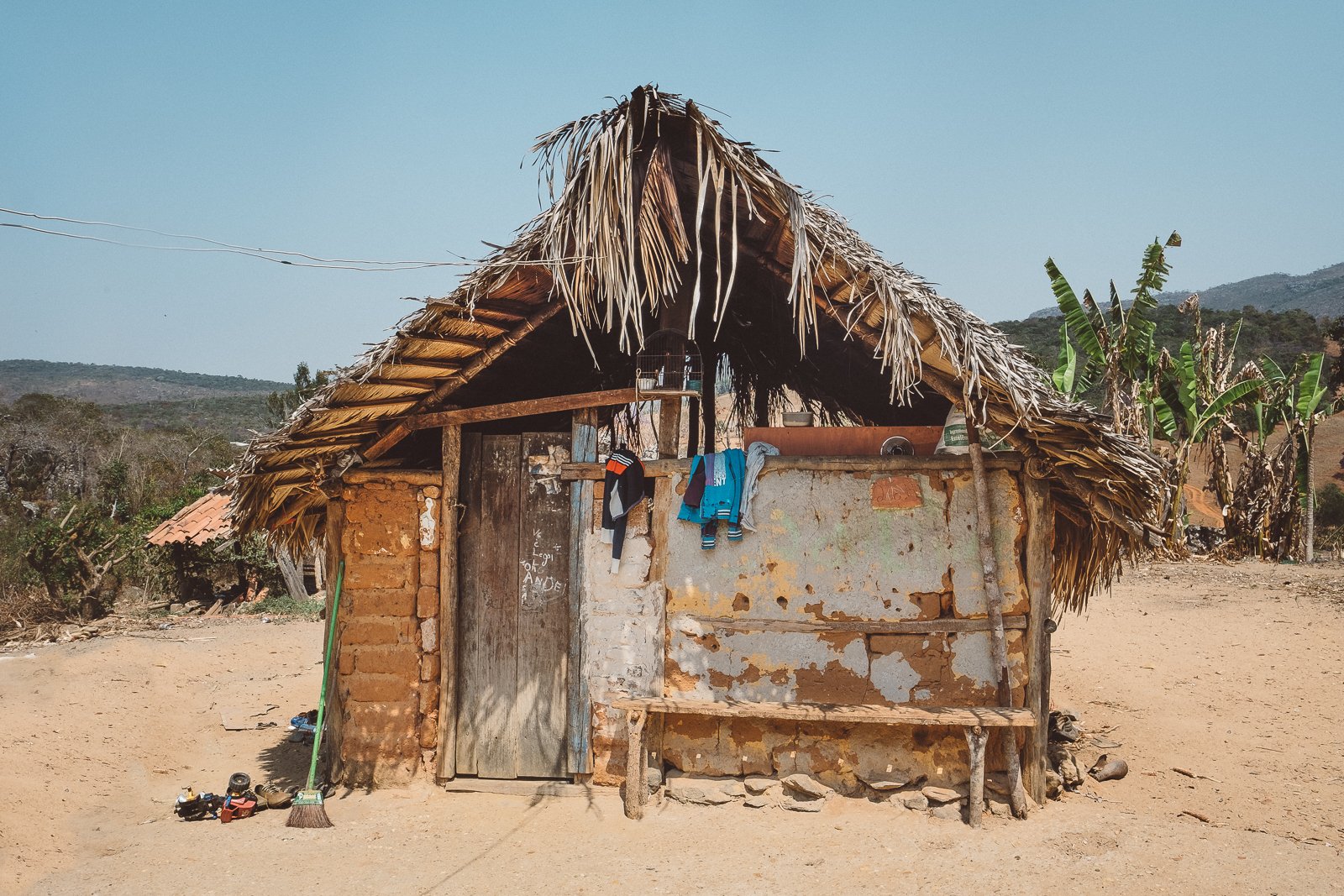
Guesthouse, Quarteis do Indaia
Quilombola Communities
Memory, resilience, and the road less travelled.
The discovery of diamonds in the Espinhaço changed the fortunes of Europe — and the fate of Africa. Today’s quilombola communities bear quiet witness.
Founded by formerly enslaved Africans or their descendants, these largely self-governed settlements are scattered across the Espinhaço and the Jequitinhonha River Valley, often tucked deep in the mountains or hidden along forgotten roads. The region is home to dozens of officially recognized quilombola communities, with many more that exist outside the paperwork.
Sleepy, unpretentious, and almost always framed by beautiful scenery, they offer a rare window into the cultural complexity of Brazil and the quiet strength of community.
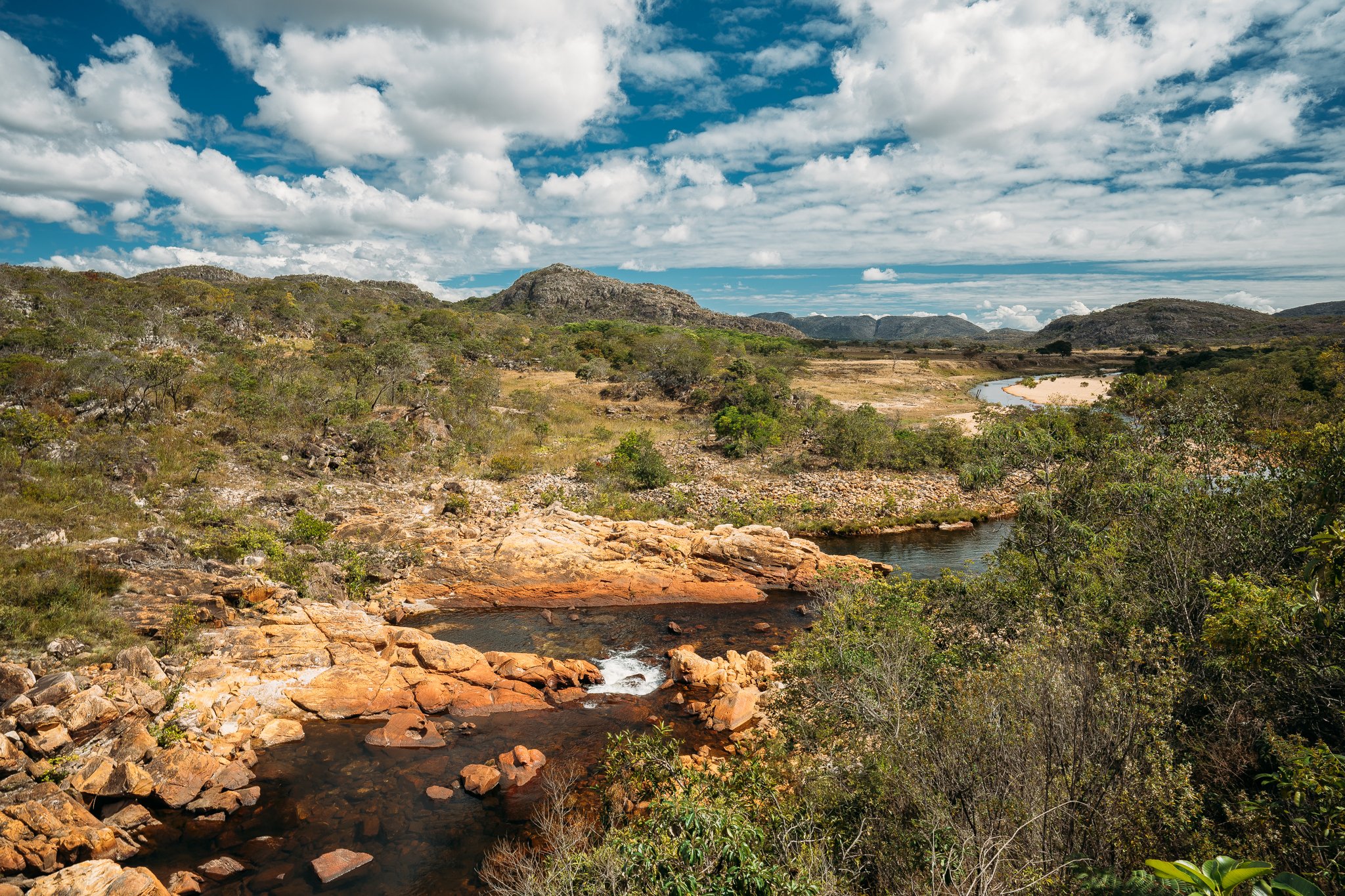
View of the Rio Pardo Pequeno, from pontilhão (Green Line).
The Green Line
The way it was.
A series of tiny settlements that time forgot, strung along a former railway leading westward through lush mountain vegetation. From dusty, rough-around-the-edges (but only the edges) Conselheiro Mata (pop. 200) to lonesome Mendes (pop. 2) and serene Barão de Guaicuí (pop. 50), this microregion’s unique—and uniquely diverse—residents, crystal-rich inselbergs, fertile soil, and halfway location between Diamantina and the western lowlands make it a fascinating little case study in regional identity.
Nowhere else do ambitious miners, idealistic mystics, hardened flower-pickers, and rowdy cowboys unite around watering holes and waterfalls with such conviction.
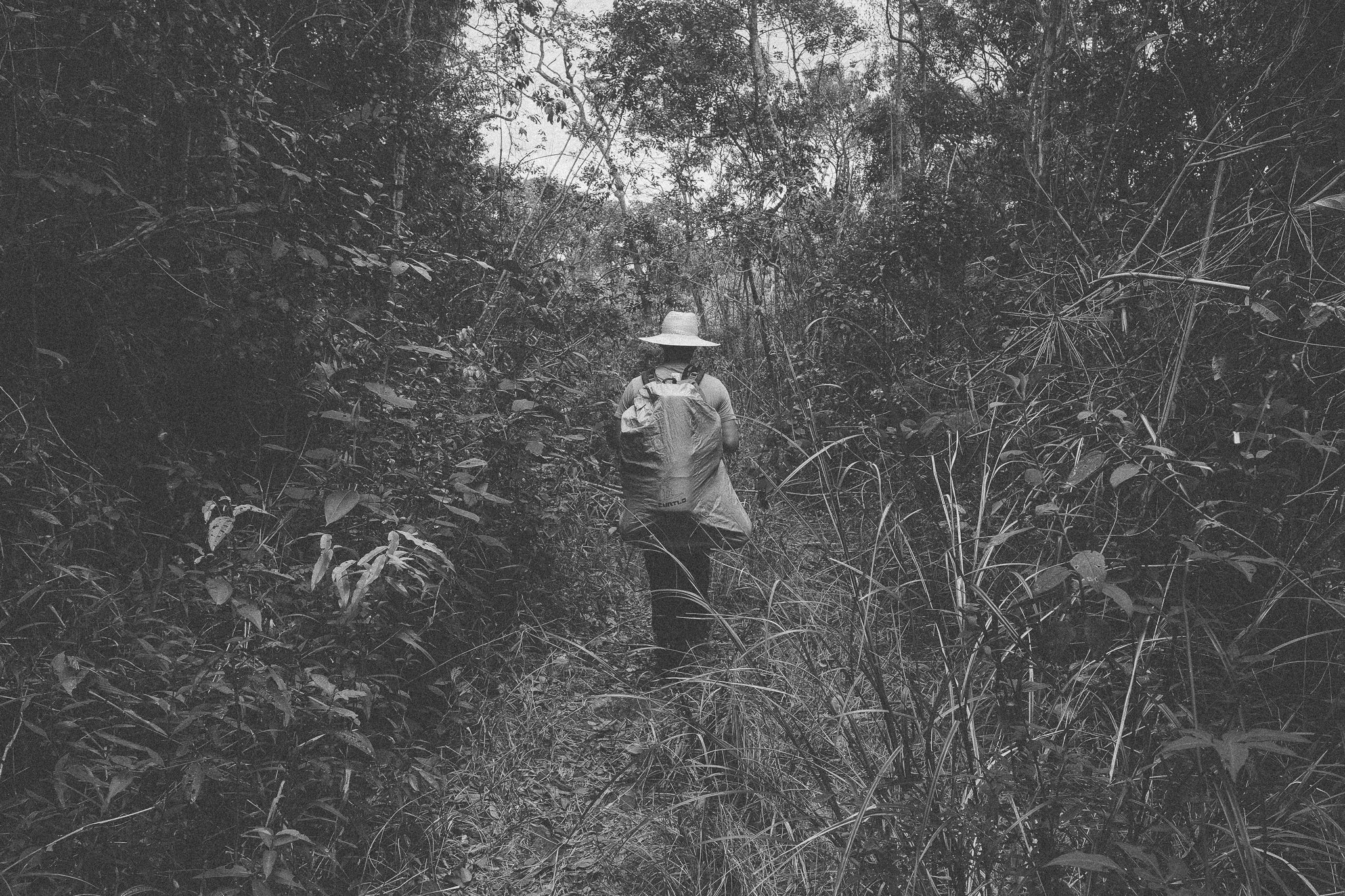
On The trail, Sempre Vivas National Park
Sempre Vivas National Park
Half bushwhack. Half fever dream. Wholly its own universe.
Imagine a stretch of wilderness the size of New York City, with just a handful of residents, a few dozen visitors a year, thousands of endemic species, and almost no visitor infrastructure. Sempre Vivas isn’t just one of Brazil’s least visited national parks; its one of the country’s wildest and most enigmatic places.
From the lush palm groves of the untamed eastern borderlands to the wind-swept campos of the west and the secluded flower-strewn gardens in between, the park is truly a universe unto itself; a labyrinth of nameless peaks, overgrown trails, and exuberant high-savannah vegetation.
If we decide to cross Sempre Vivas during your trip, you should expect long days of bushwhacking, off-roading, and/or canoeing, and unforgettable evenings in rock shelters, flower-picker camps, and hauntingly isolated ranches. Pointy grasses, ticks, snakes (including venomous species), large felines, lack of shade, and fast-changing weather are all part of the reality here, alongside some of the most pristine scenery we know.
Gift of Go is a member of the park’s council (CONVIVAS), sitting alongside local communities, firefighters, and researchers as Sempre Vivas prepares for a new phase of public visitation.
Few places on earth manage to feel this magical, this wild, and this overlooked.
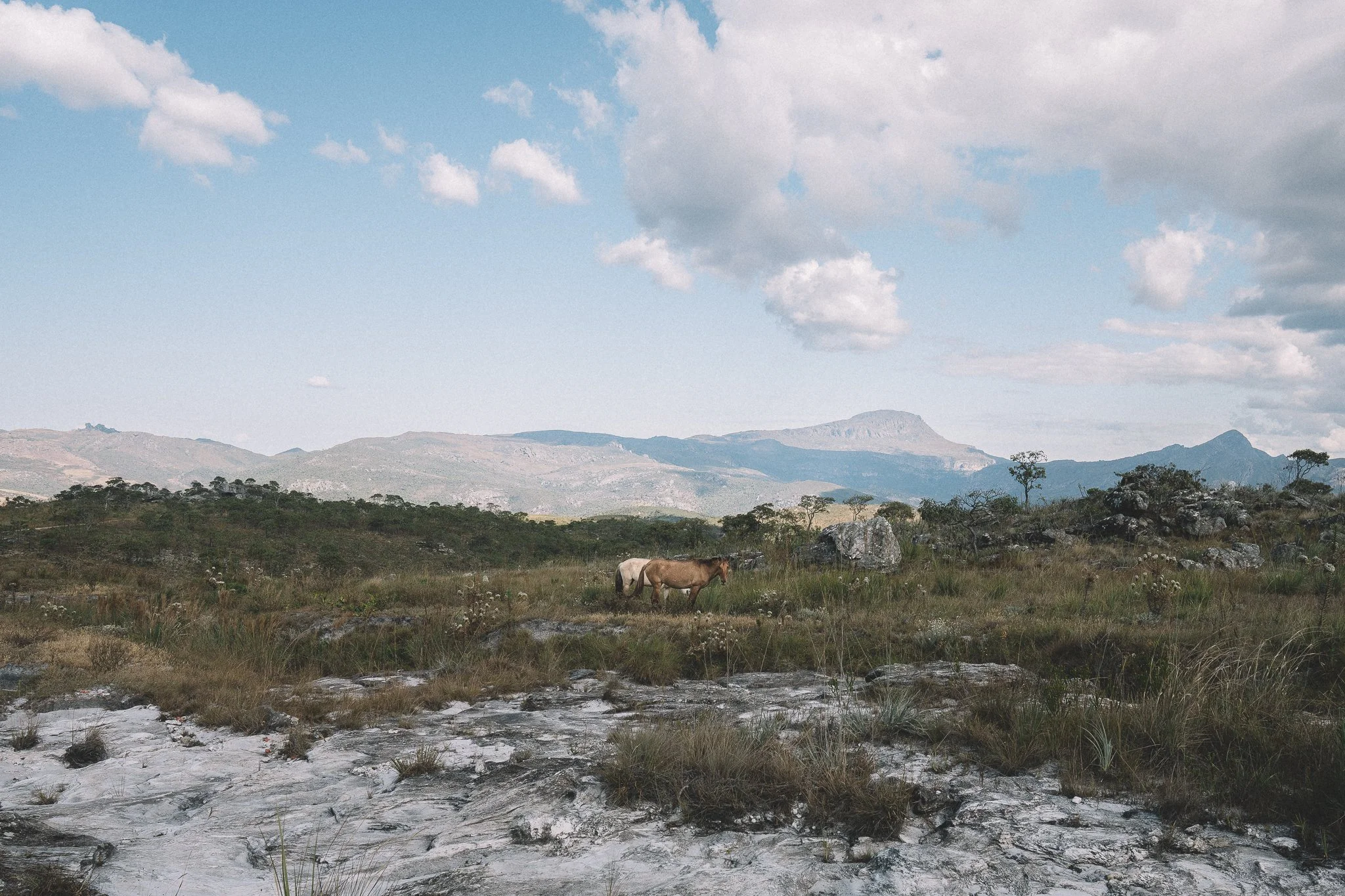
View of Itambé from the Chapada do Couto
Pico do Itambé
A mountain. A monument. And a milestone.
The region’s undisputed icon, Pico do Itambé (2,052 m) watches over the range like a citadel, living up to its billing as “the roof of the Espinhaço.” Rising more than a thousand meters above the surrounding peaks, it marks a hard divide between the Jequitinhonha and Doce river basins, and a softer one between the Atlantic Rainforest and the Cerrado.
Taking in the view from the summit after a sustained climb is one of the most satisfying moments to be had anywhere in the Espinhaço, rivaled only by a golden-hour descent.
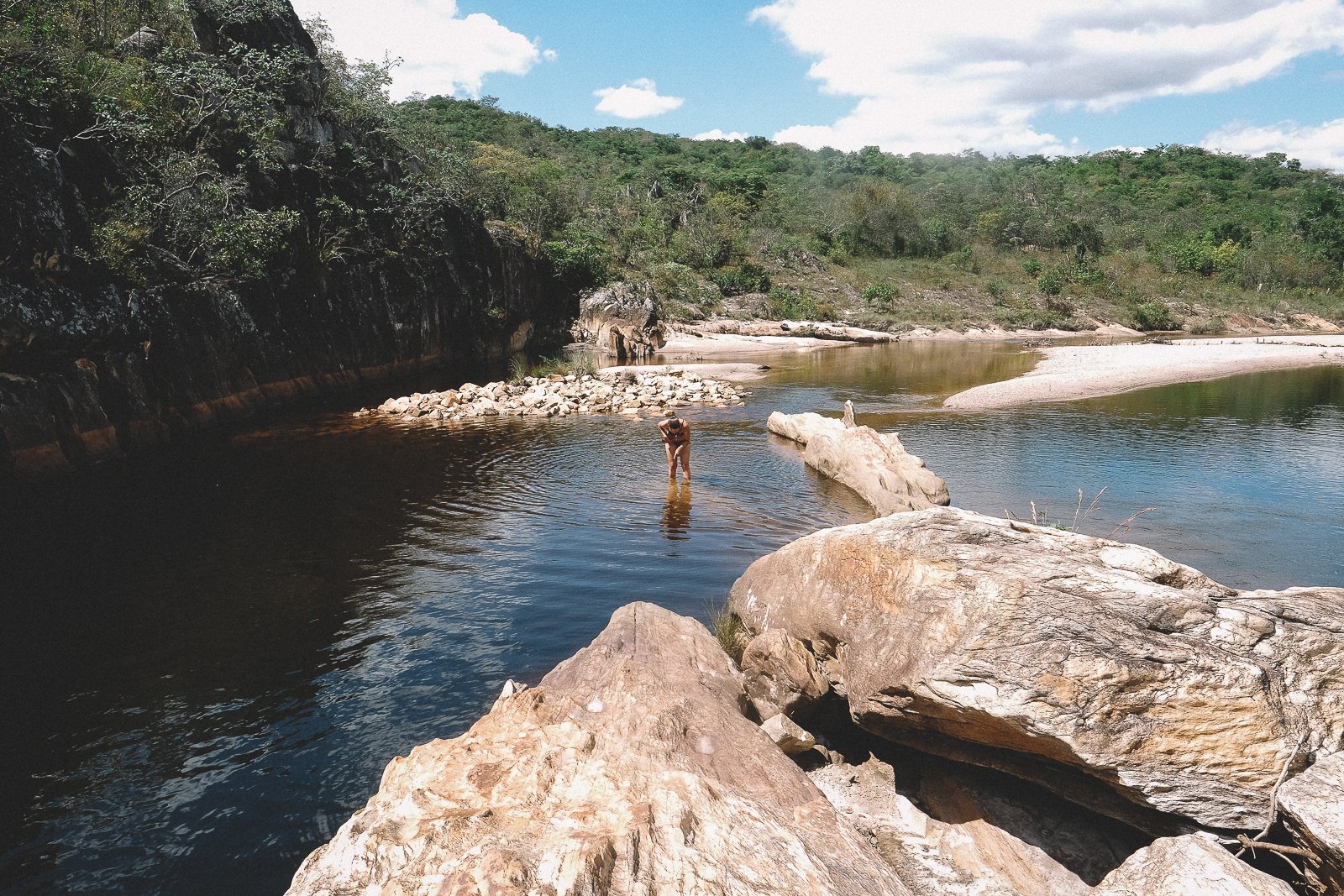
Rock Quarry-turned-swimming hole
Agua… Everywhere
The waterfalls (rightfully) steal the scene, but água pulses everywhere — and permeates everything — in the Espinhaço. From crystalline streams, bright emerald lagoons, and cola-colored rivers to palm-strewn wetlands, flowery bogs, and even oasis-like “hot” springs, the range wouldn’t be the natural paradise it is without the water coursing beneath and across its landscapes.
Three of Brazil’s most important rivers — the São Francisco, the Jequitinhonha, and the Doce — take shape here, with the latter two rising on the Espinhaço’s high plateaus.

The Waterfall of Lost Time
Waterfalls
The Espinhaço’s answer to sun, sea & sand.
Take it from us: attempting to count the waterfalls of the Espinhaço is an exercise in futility. Just as futile: trying to spend more than a day or two on the trail without bathing in one.
We typically cross paths with at least one named falls per day during trips: from soothing, cola-colored cascades to show-stopping, white sand-beach masterpieces, and everything in between.
Whether you’re the take-it-all-in-from-a-comfortable-rock type, the tip-toe-and-wince type, or the cannonball-and-cold-plunge type, it doesn’t get better than this.
“Ice-cold” has never felt so good.
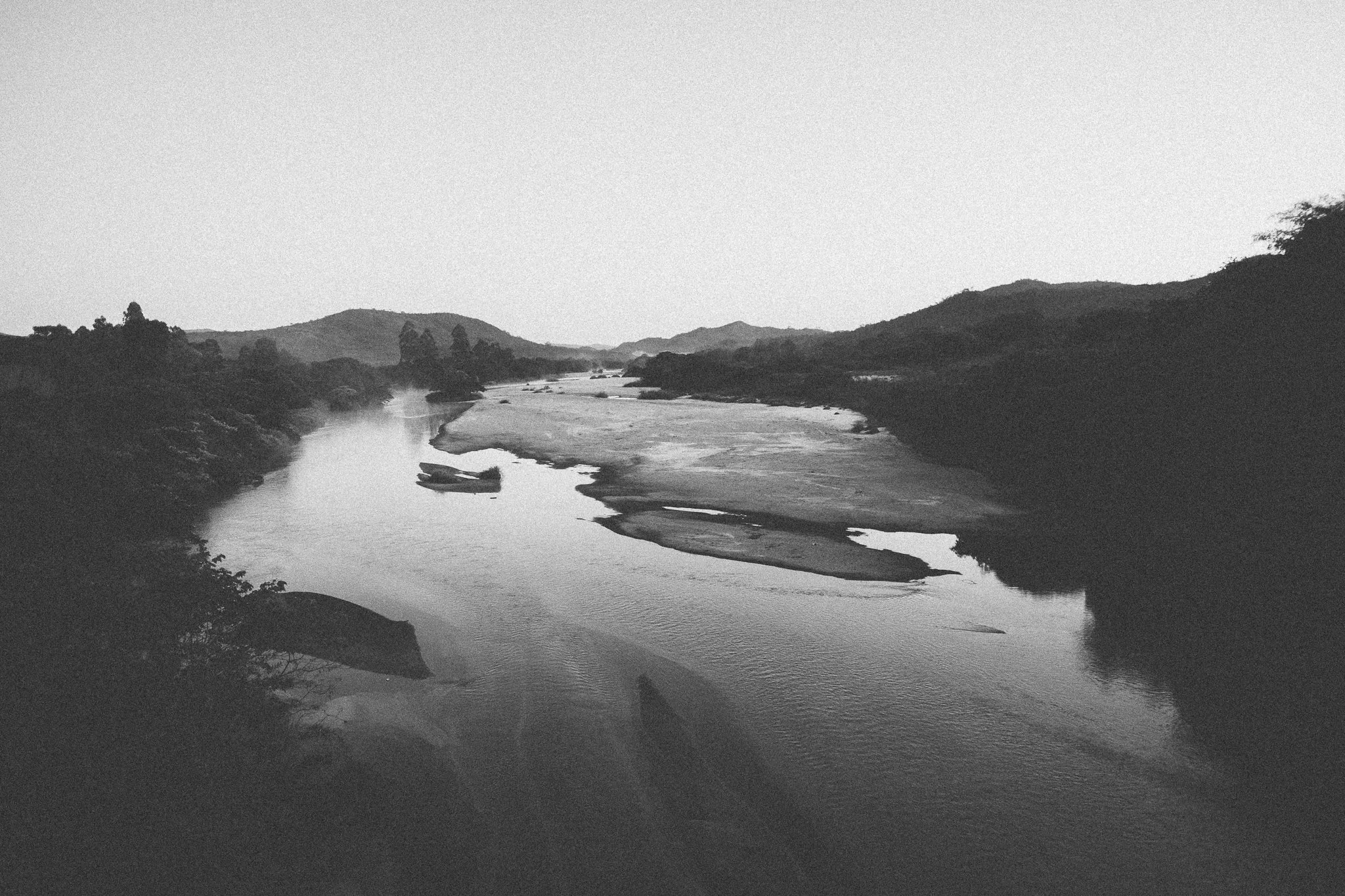
The Jequitinhonha: scarred But Beautiful.
The Jequitinhonha River
A chance to touch time.
The peaks and parks may get more glory, but nothing shaped this region or its fortunes more than the rivers that run through it — and none more so than the Jequitinhonha.
Solemn and dignified even after centuries of extraction and neglect, its diamond-rich waters once ran strong enough to buoy a distant empire and cradle a nation.
Even today, scarred and overlooked, it sustains more than half a million Brazilians living downstream.
In theory, we cross enough rivers, creeks, and streams during trips for it to “get old.” There’s something about standing on the banks of the Jequitinhonha, though — then stepping into it — that never stops feeling special.
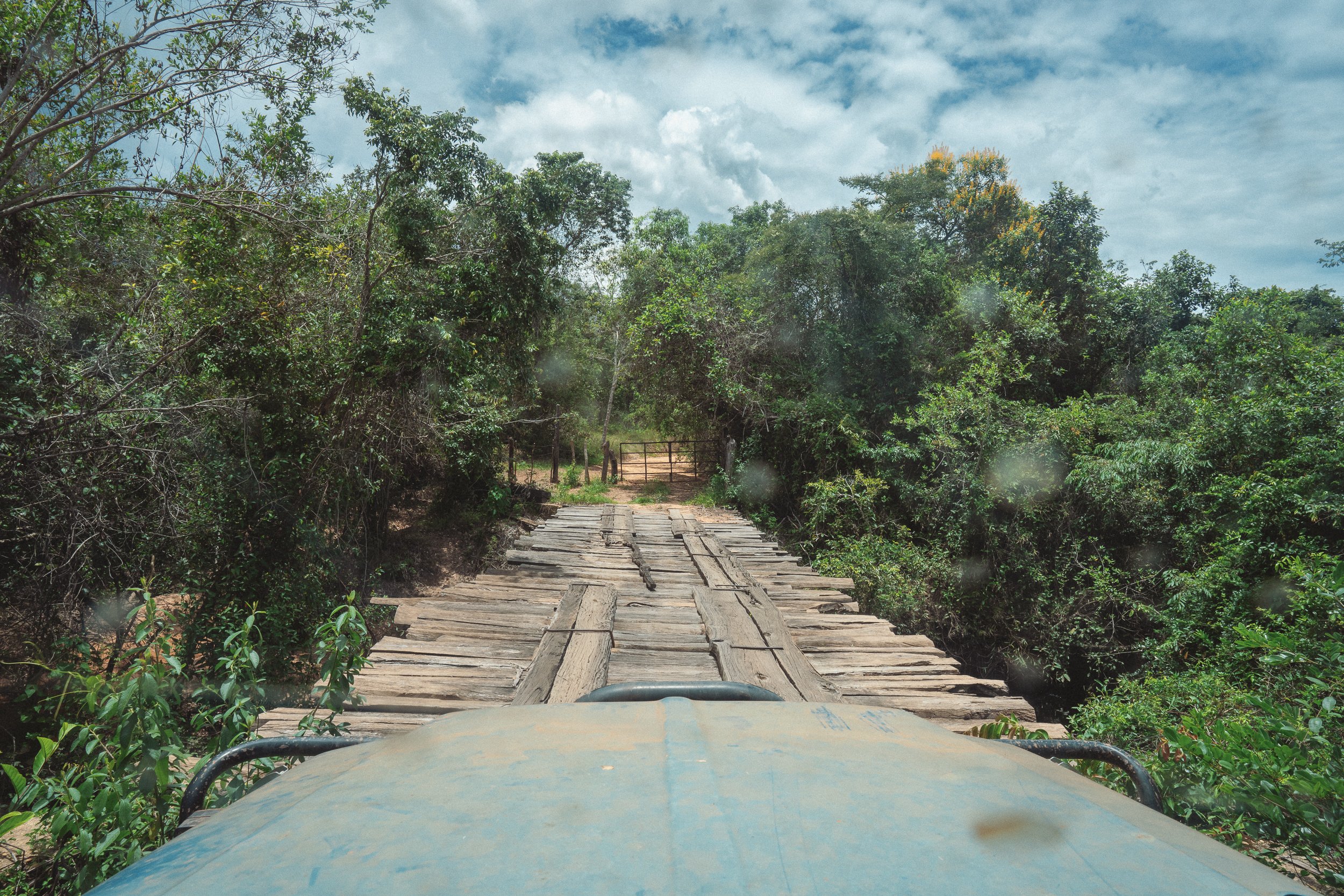
Secret Entrance, Sempre Vivas National Park.
If reading this has you quietly plotting how to get here, you’re our kind of traveler.
or