
Diamantina
City of Diamonds
A portrait of the living city at the heart of the Espinhaço
UNESCO once described Diamantina as “a colonial village set like a jewel in a necklace of inhospitable rocky mountains.”
Set in the highlands of Minas Gerais, the city once known as Arraial do Tijuco was the epicenter of the world’s diamond trade for nearly two centuries.
Today, it sits at the center of the Espinhaço, geographically, culturally, and historically.
It remains remarkably under-visited, even by Brazilians.
Caminho dos Escravos. Diamantina
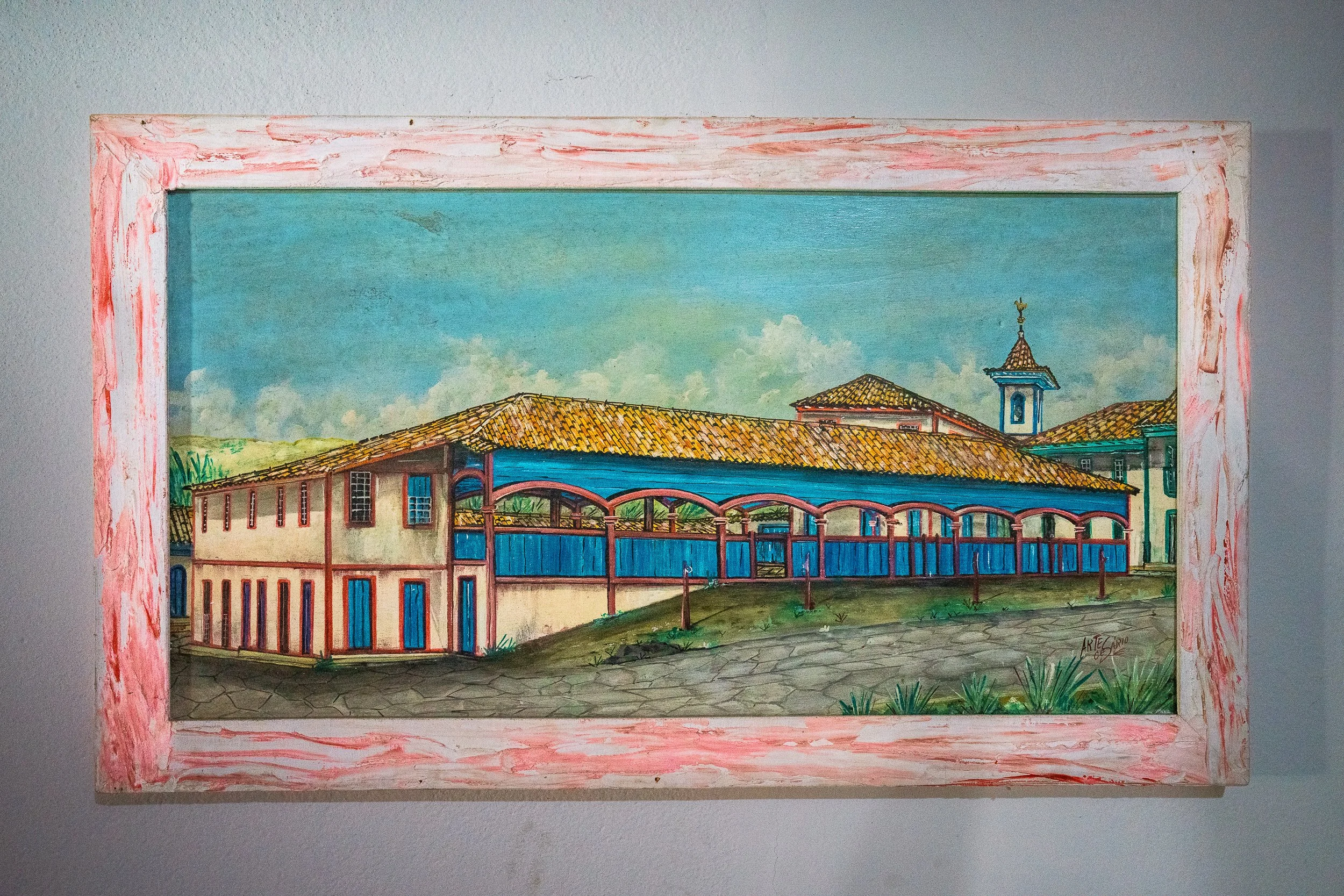
A painting of the Mercado Velho in Diamantina hangs on the wall of the lone pousada in Inhaí, the city’s oldest district. The market has had many lives. As a terminus of the Estrada Real, goods from as far away as Rio de Janeiro once arrived here. Prior to abolition in 1888, enslaved people were bought and sold in this square. Later, it became the final stop for tropeiros carrying produce and dry goods from the surrounding valleys and lowlands.

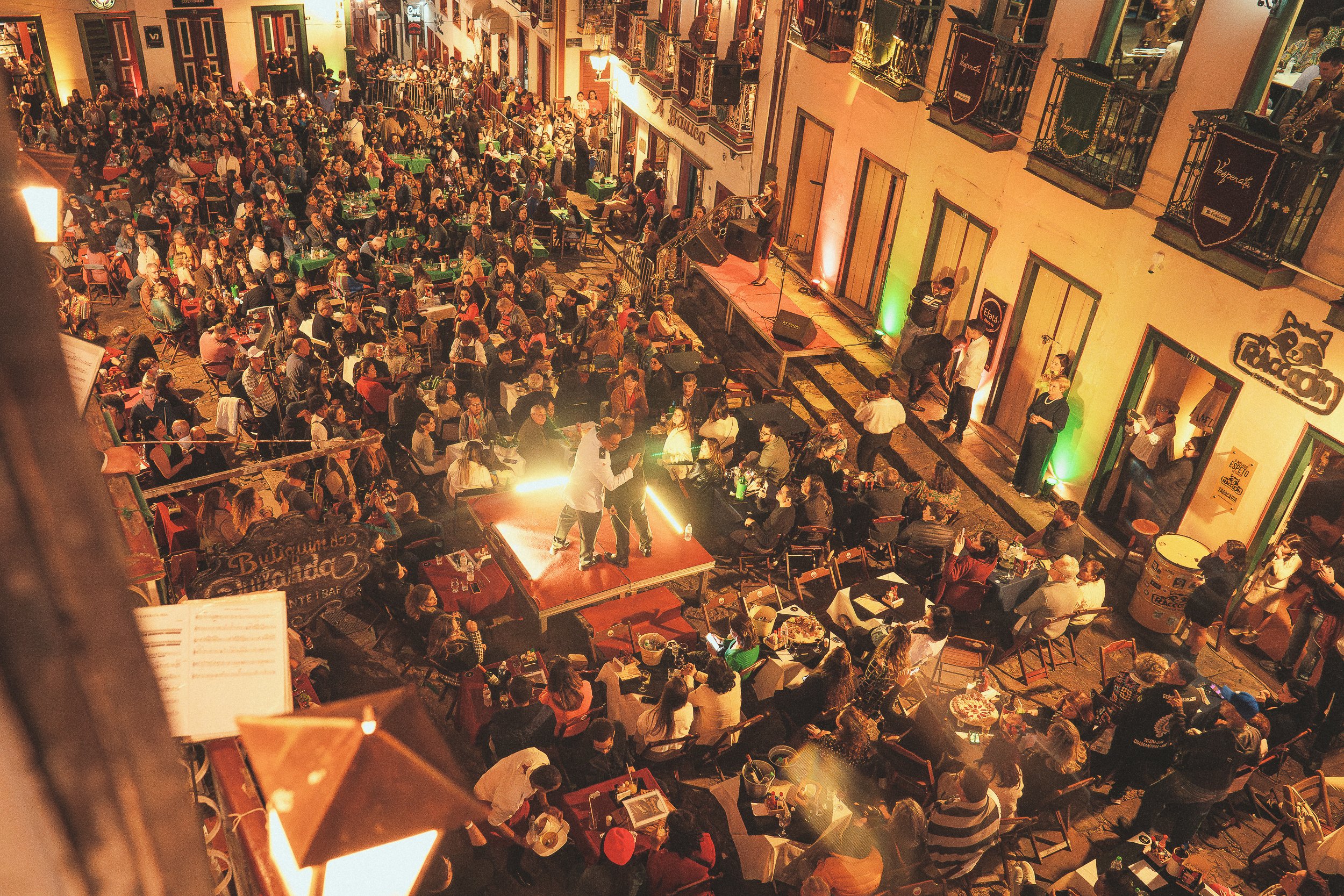
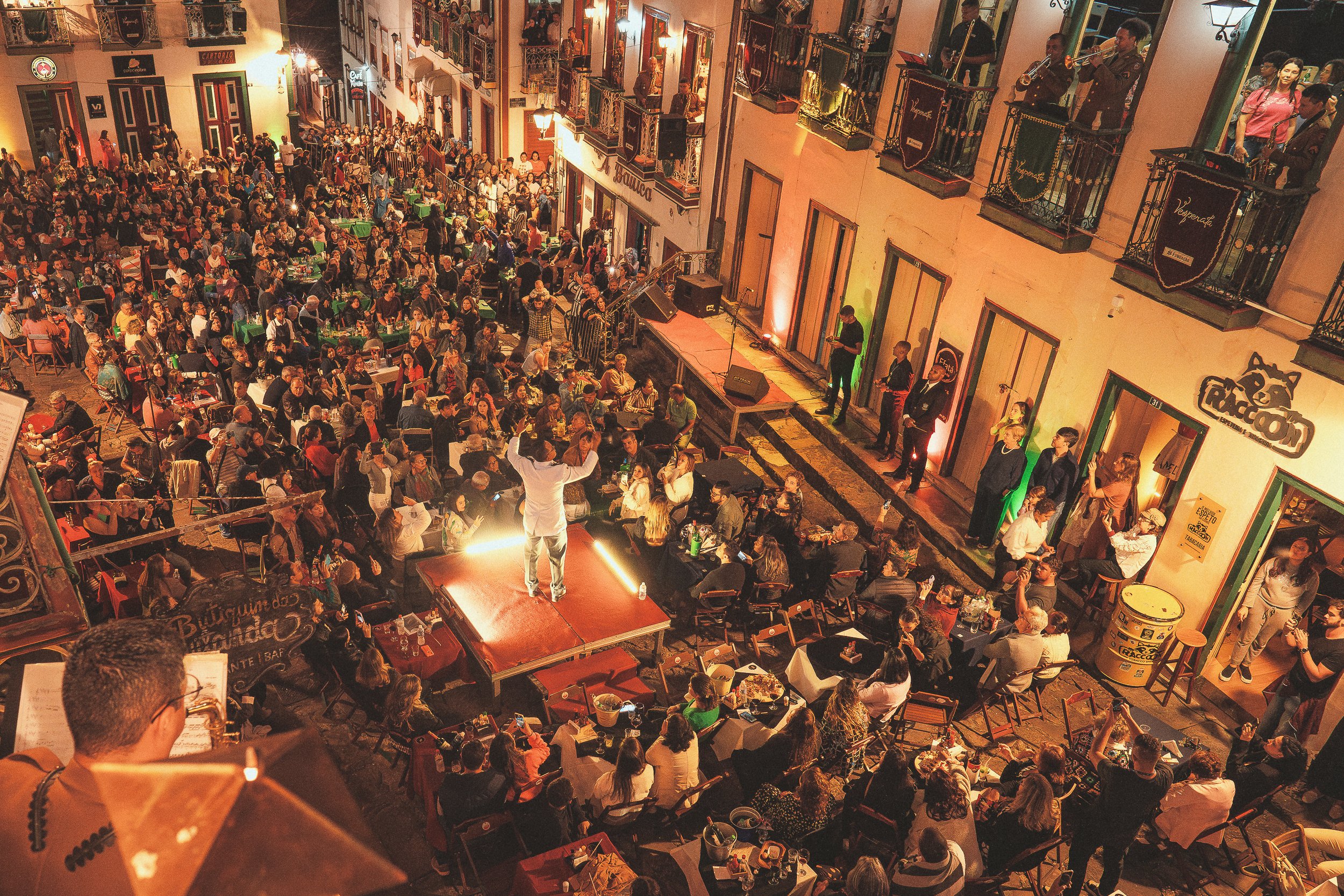
The Vesperata is Diamantina’s most beloved tradition: a nighttime serenade where musicians play from balconies and windows above, and the audience gathers in the cobblestone streets below. Part spectacle, part performance, part shared release, it remains a defining expression of life in the city.
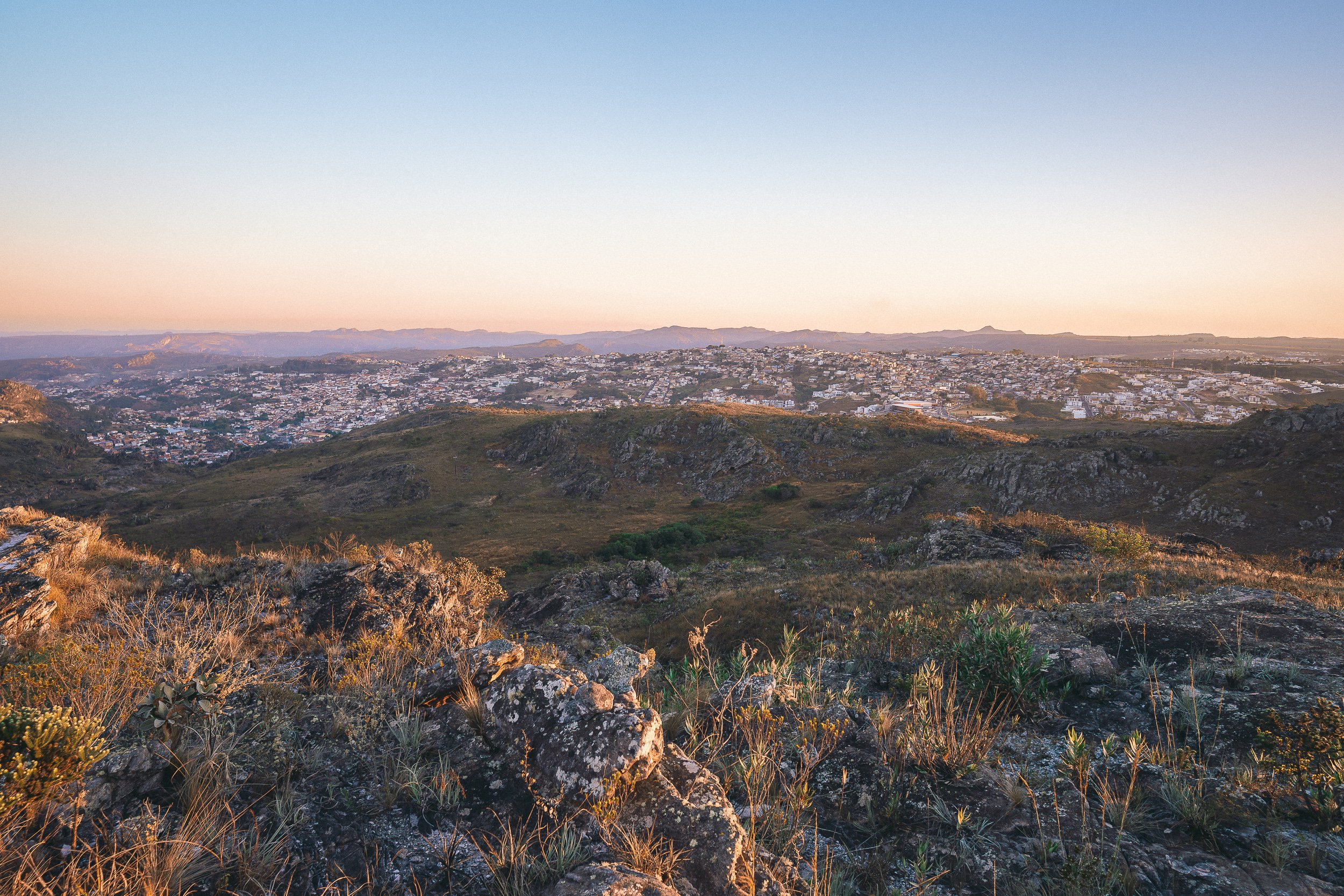
Diamantina, as viewed from the Serra dos Cristais
City of Diamonds
For nearly two centuries, the world’s diamond trade ran through Diamantina—a legacy that continues to shape both the city and the range today.
As wealth flowed outward, control flowed inward, shaping the Espinhaço’s landscapes, infrastructure, socioeconomic realities, and cultural identity in ways that have endured.
As the terminus of the Estrada Real, Diamantina became the point through which goods, people, and power moved between the interior and the coast. For much of the 18th century, it was so tightly controlled that even the governor of Minas Gerais couldn’t enter without the express permission of the crown.
The city center’s Portuguese colonial architecture—arguably the most intact expression of its kind in Brazil—still carries that history. Less ornate than Ouro Preto, and more lived-in than Tiradentes, it reflects a different relationship to wealth, time, and remoteness.
Juscelino Kubitschek (better known as “JK”) is Diamantina’s most beloved son—and one of the most revered figures in Minas Gerais. Born and raised here, he went on to serve as Brazil’s 21st president (1956–61). His name and statue adorn this praça in the city center, and his initials are scattered across storefronts and façades across the region.
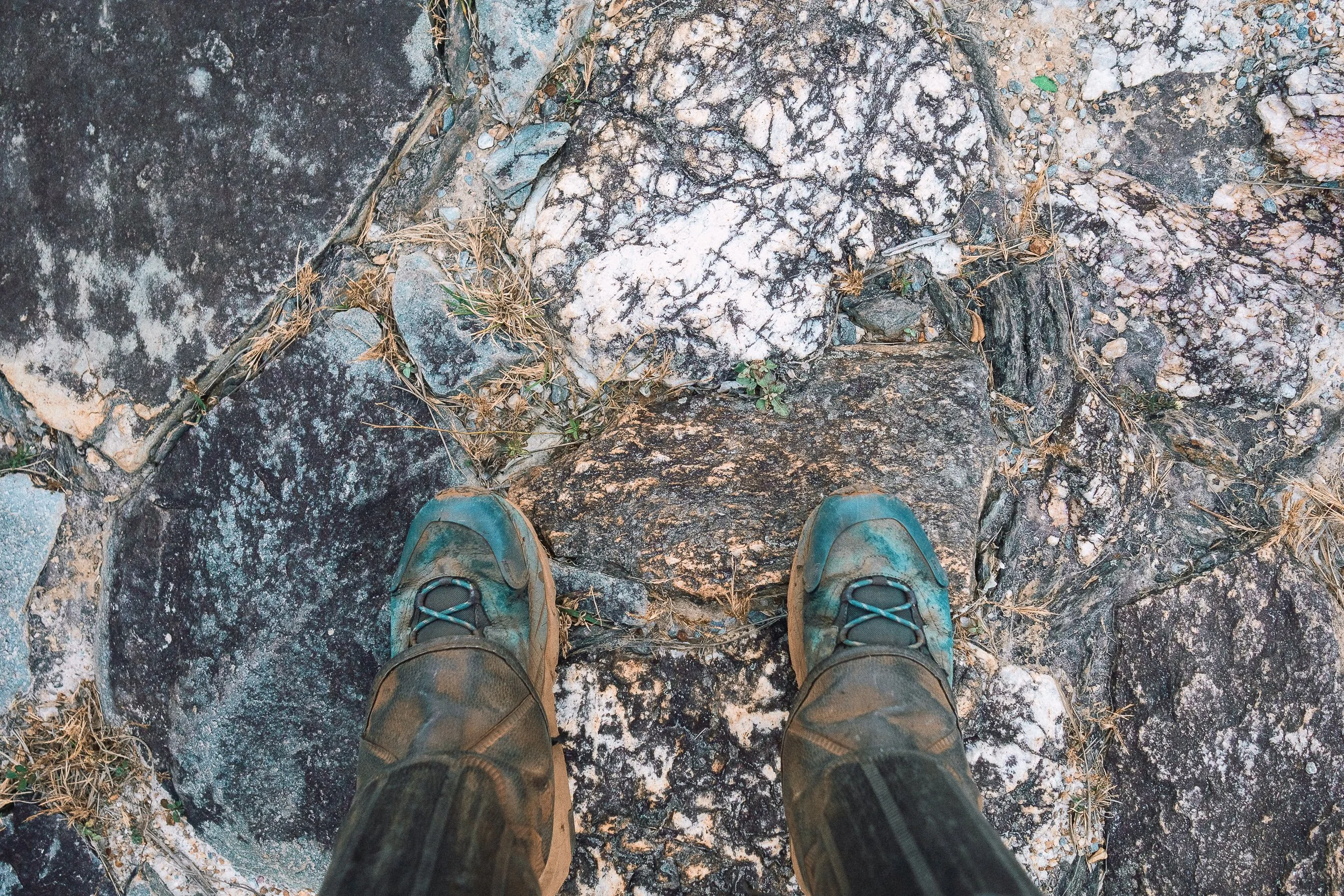
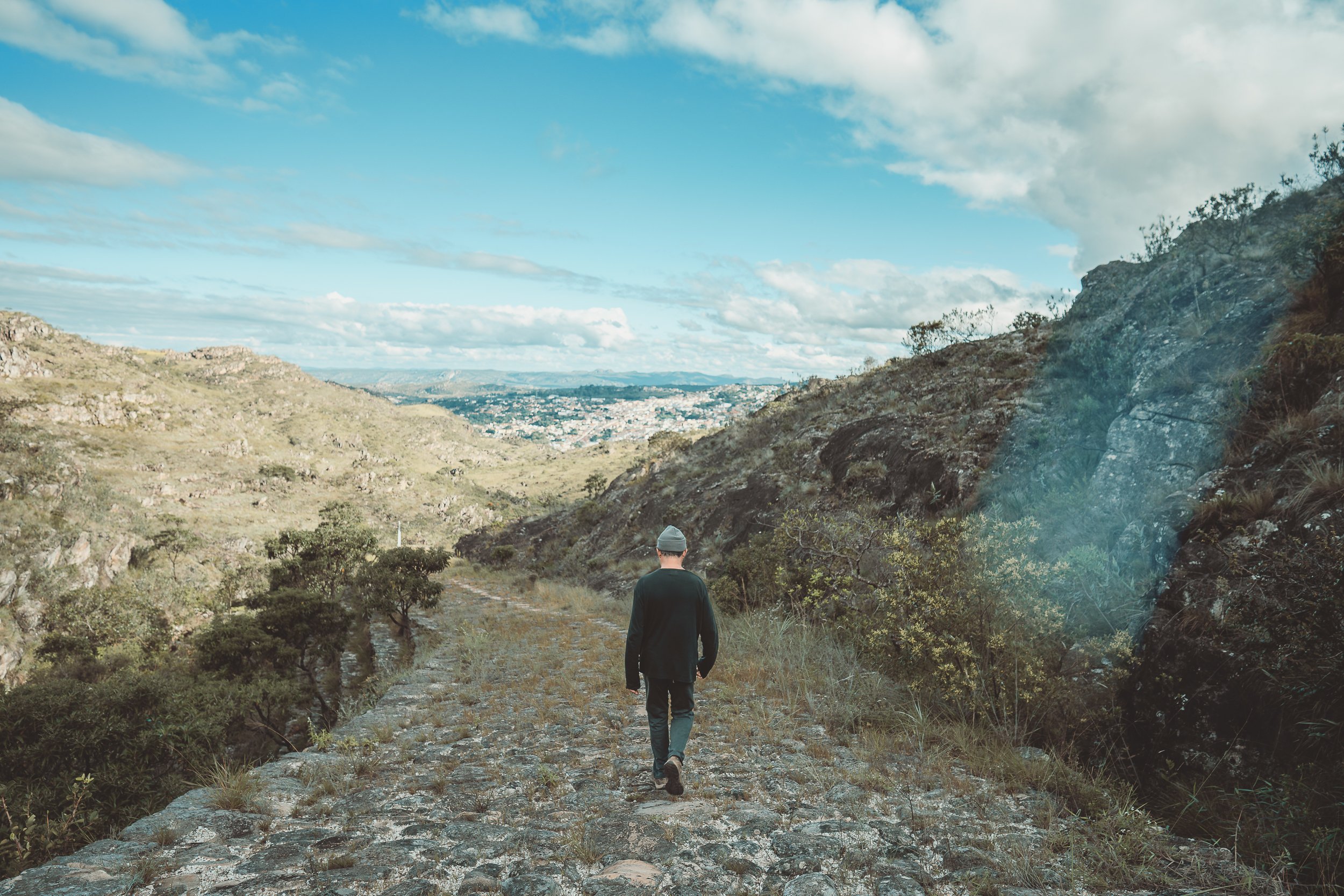
An impressive 20-kilometer stone road running between Diamantina and the colonial-era mining district of Mendanha, the Caminho dos Escravos is as steep as it is storied. Once used by enslaved people, miners, and traders moving through the range, it remains one of the most powerful physical traces of the region’s past—its original and restored sections still visible underfoot.
A Living City
For all its beauty, Diamantina is neither preserved nor restored. It functions.
The city has long been the cultural and administrative center of the surrounding region—a place where people come for work, study, healthcare, trade, and life beyond the smaller towns and districts that orbit it.
It’s the hometown of figures like Chica da Silva and Juscelino Kubitschek, and it continues to shape its identity through music, education, and public life. Conservatories, orchestras, and a growing university population give the city a rhythm that changes throughout the year.
During Carnaval, that rhythm can swell to overwhelming proportions. At other times, it returns to something more measured, but no less present.
For those living in the surrounding region—whether north, south, east, or west—the city remains the nearest thing to a capital. The place the range returns to.
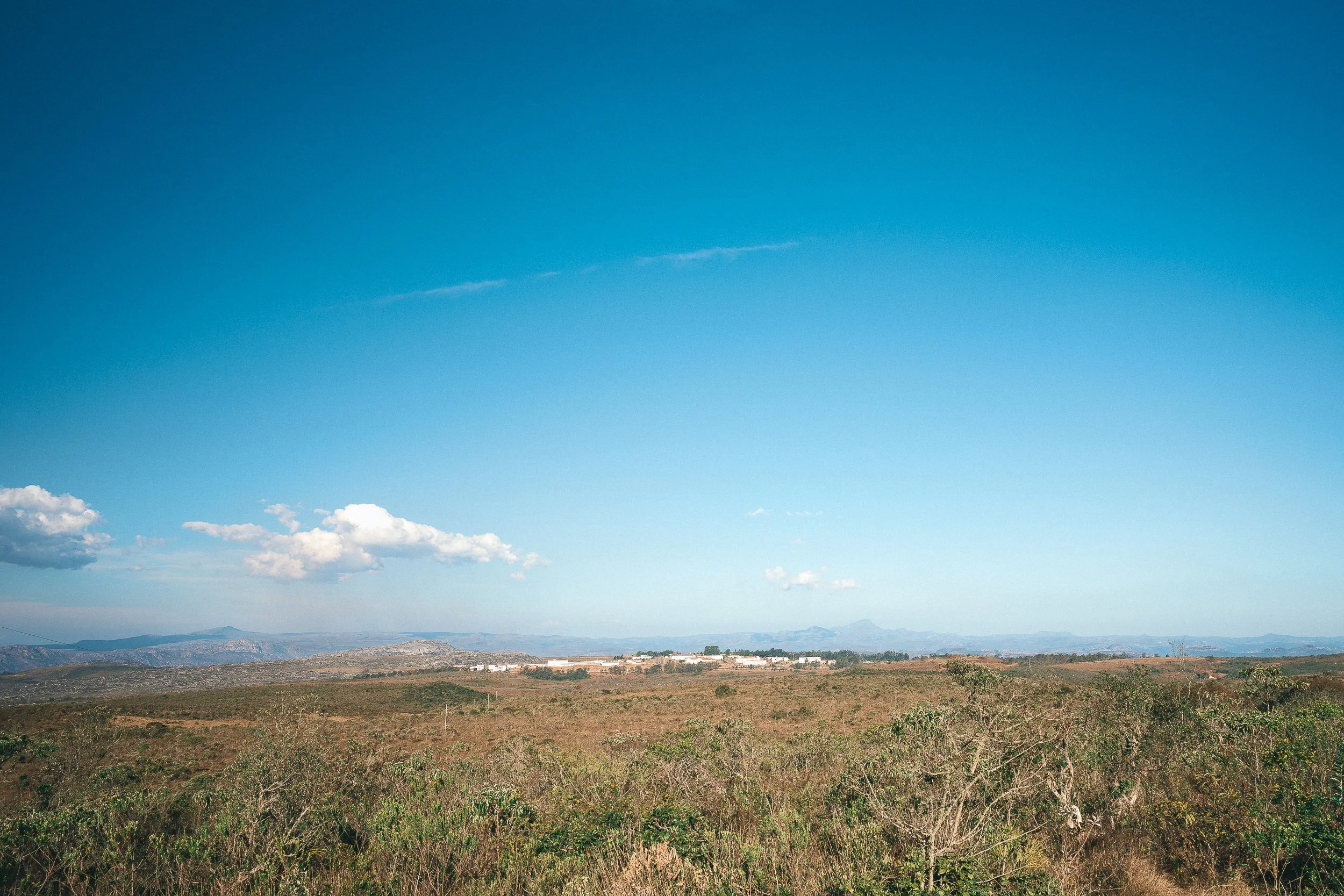
A view of UFVJM—the Federal University of the Jequitinhonha and Mucuri Valleys. Set atop the high campos of the Serra dos Cristais, just outside Diamantina and near Biribiri State Park, the university plays an outsized role in the city’s modern life. Founded in 1953, it has expanded rapidly in recent decades and now offers dozens of undergraduate and graduate programs, helping shape Diamantina’s identity as both a historic city and a growing academic center.

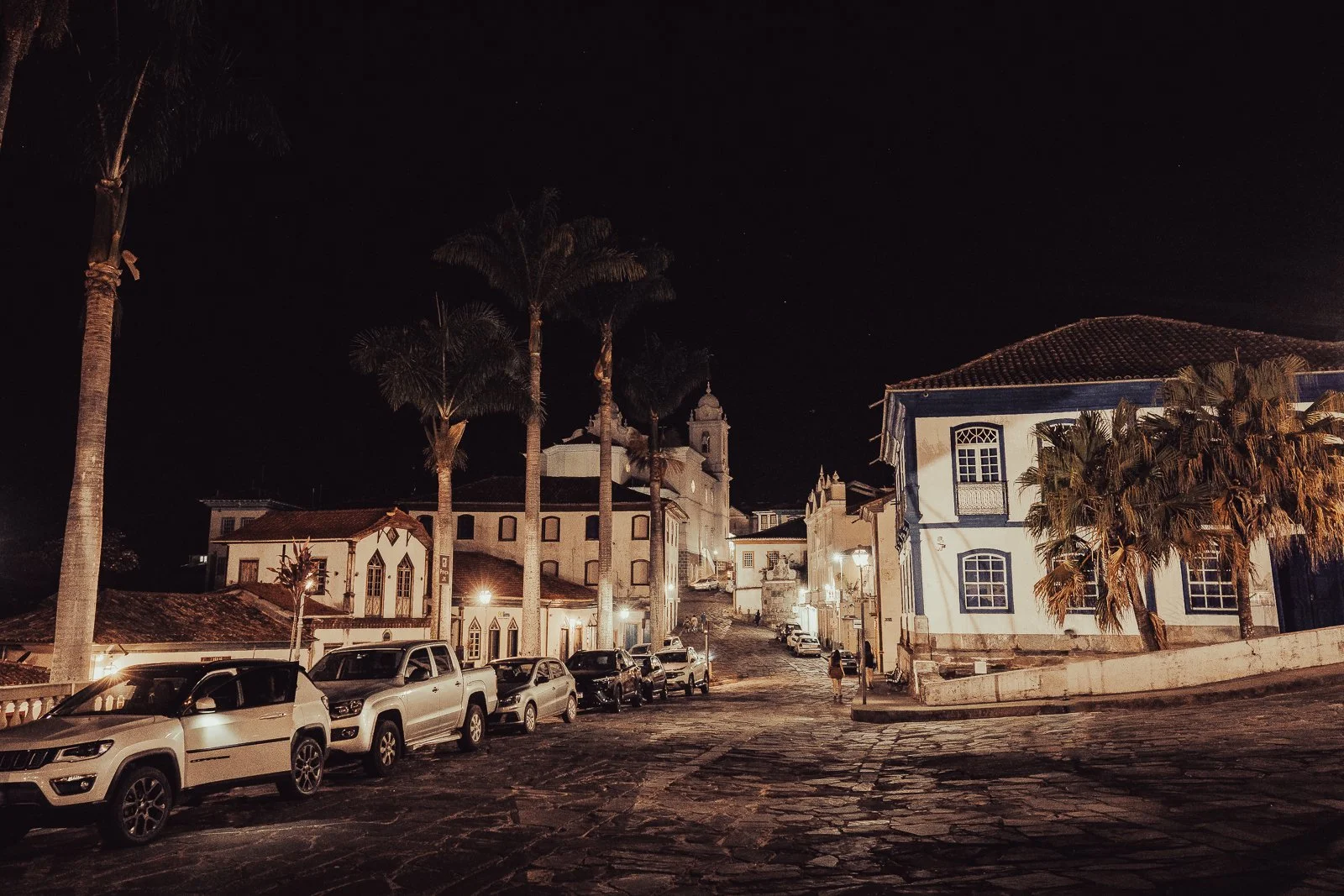
Saturday night on Rua Campos Carvalho, in July. Boêmia is a seasonal affair in Diamantina. From November to March, the city’s nightlife leans heavily on its university students (and professors).
During Vesperata season, from April to October, things go to another level, with visitors from Rio, São Paulo, and Belo Horizonte Rubbing shoulders with locals in the historic center.
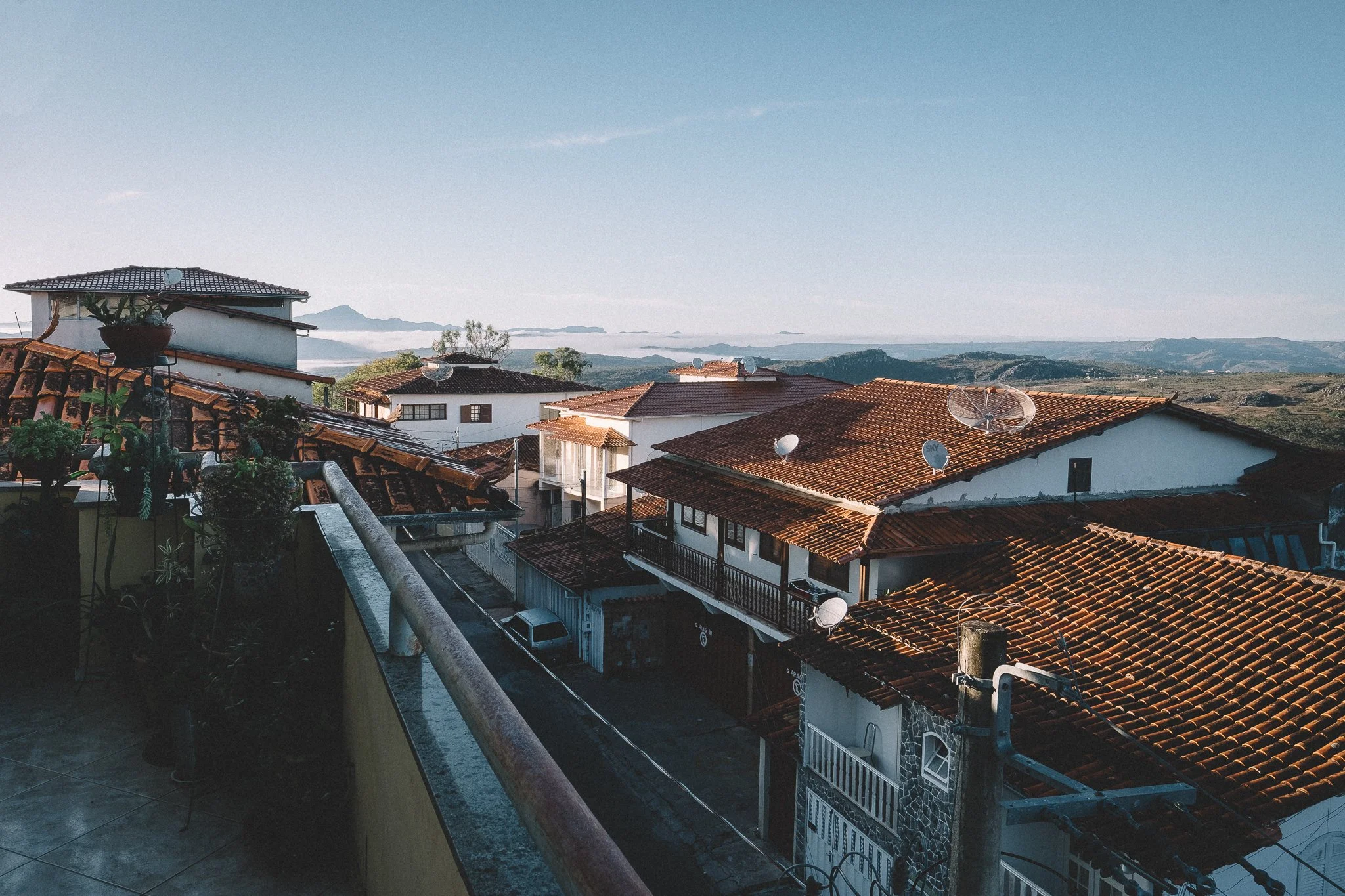
Sunrise, DIamantina
Life in the Becos
Diamantina moves at its own, unhurried pace, perhaps befitting the largest city in a remote and sparsely populated region.
It’s a tourist town that closes on Sundays. A town of 50,000 with a single traffic light.
In the historic center, the days start slowly and early. The sun peeks over the surrounding range, casting pastel light on burnt-orange rooftops and rococo townhomes. Padarias fill. Breads and quitandas are sold. Café is poured, often more than once.
As the day goes on, the city moves just enough to remind you it’s inhabited. Shopkeepers linger in doorways and behind registers. Faxineiras lean out of windows to talk to passersby below. Cars crawl cautiously along cobblestone roads better suited for horse and buggy.
Lunch is the main affair, with outdoor tables filling with students, professors, and professionals, and the smell of comida drifting through the narrow becos. Streets fill briefly, then empty again in the hours that follow. This is when the city is at its most languid.
As the sun sets over the Serra dos Cristais, the rhythm shifts. The dress code changes. Butecos—small neighborhood bars—begin to fill. A beer turns into two, a quick stop turns into an hour.
Time, wealth, and politics have created distance between Diamantina and its former mining districts, but the city is more roça than it lets on. Faces are familiar. Someone always seems to know someone.
During the week, the city often feels like it’s yours.
The proud capital of a once-relevant, now largely quiet province.
A cultural center still waiting to be discovered again.

Lunch time, Praça Conselheiro Mata

Brewpub, Monday night
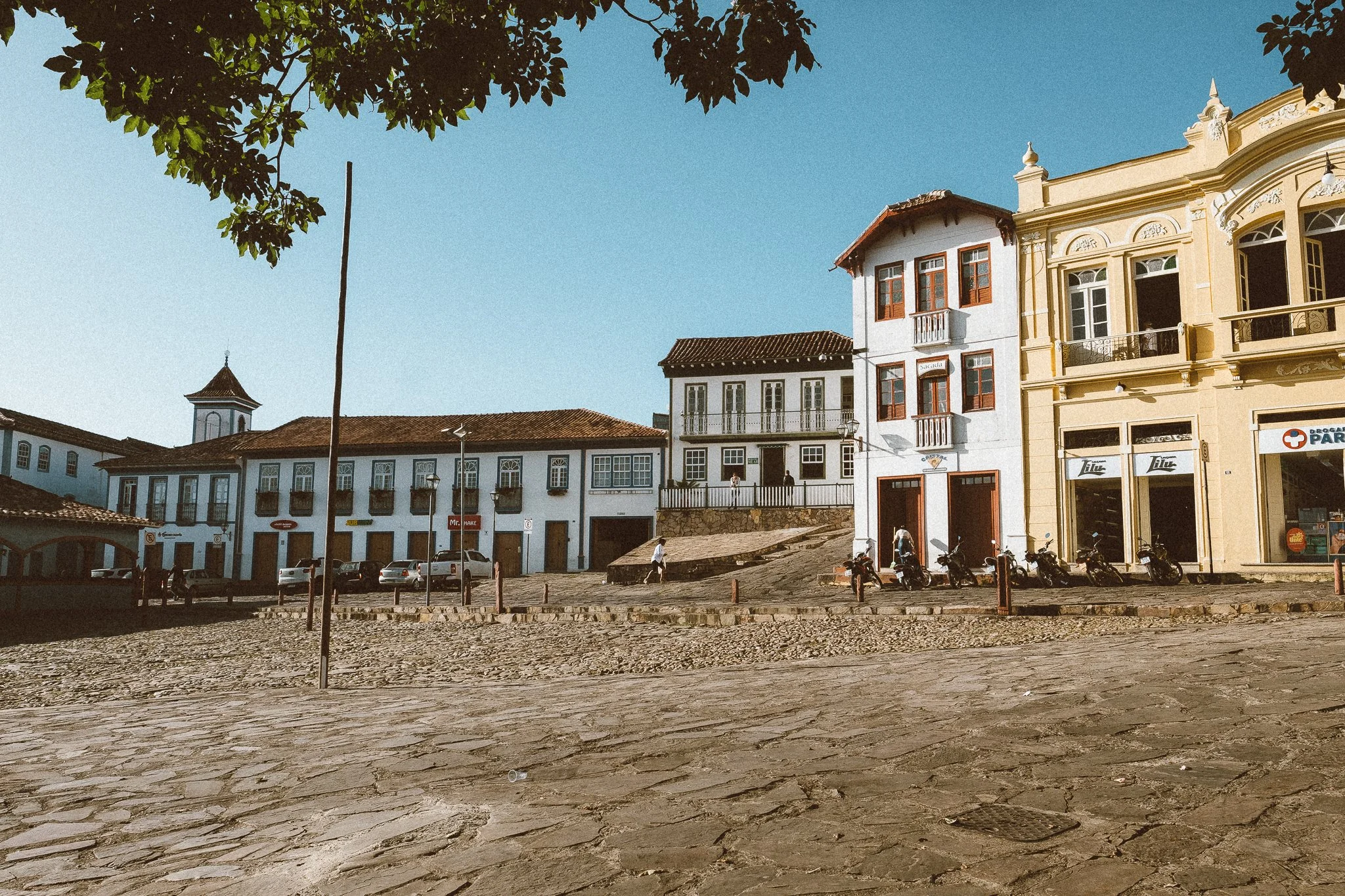
Cesta hours, Praça Barão de Guacuí

Vesperata, Rua da Quitanda
Vesperata
On certain nights, Diamantina rearranges itself.
Red ropes appear suddenly, and chairs and tables fill the Rua da Quitanda. Well-dressed visitors arrive early, claim their places, and order drinks. The streets take on a different shape before a single note is played.
When the music begins, it doesn’t interrupt anything—it folds into an atmosphere that’s been building. Musicians stand in windows and on balconies above, playing into the open air while the crowd below talks, listens, and sings along.
Samba, bossa nova, Música Popular Brasileira, the occasional Beatles song and wedding-rock tune—somehow it all holds together. Part spectacle, part performance, part release.
Vesperatas are one of the few moments when the city feels full.
Visitors come for it. Locals come back for it.
It’s hard to imagine a more fitting end to a journey in the range.


A Frame for Our Crossings
Journeys in the Espinhaço have long begun and ended in Diamantina.
The city often bookends our crossings as a natural anchor point, a place to gather, reflect, and to celebrate.
After weeks in working landscapes and small villages, it reads differently. Architecture that once seemed picturesque carries more weight. Market squares hold other histories. Festivities unfold atop foundations that took generations of sacrifice to build.
We’ve traversed valleys that sustained it. We’ve met families whose ancestors cut the stone, mined the diamonds, and carried goods along the roads that lead here.
The city hasn’t changed. We have.
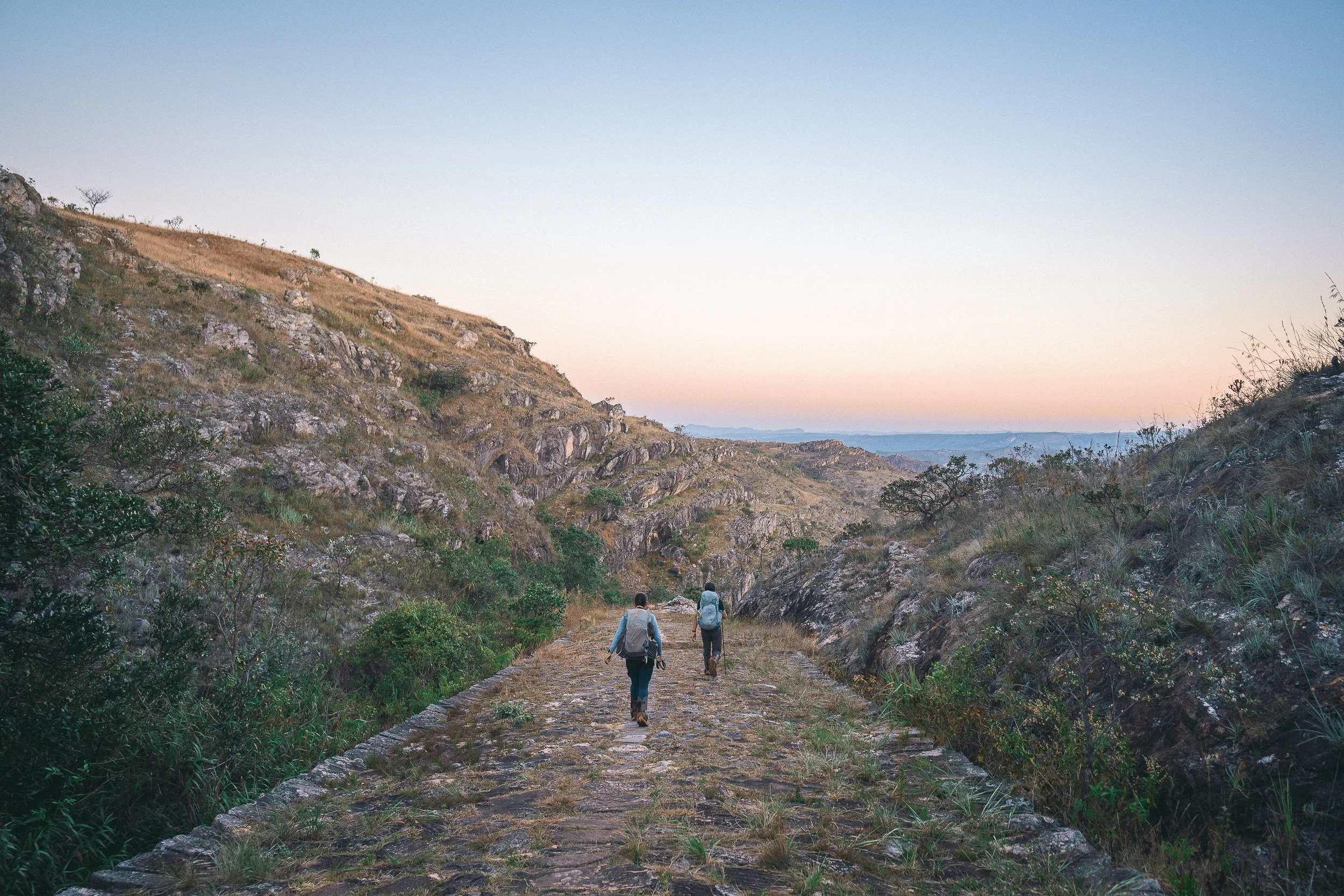
The road Home. (July)
If the Espinhaço is calling, we’re happy to talk it through.