Who We Meet
The People at the Heart of Our Crossings
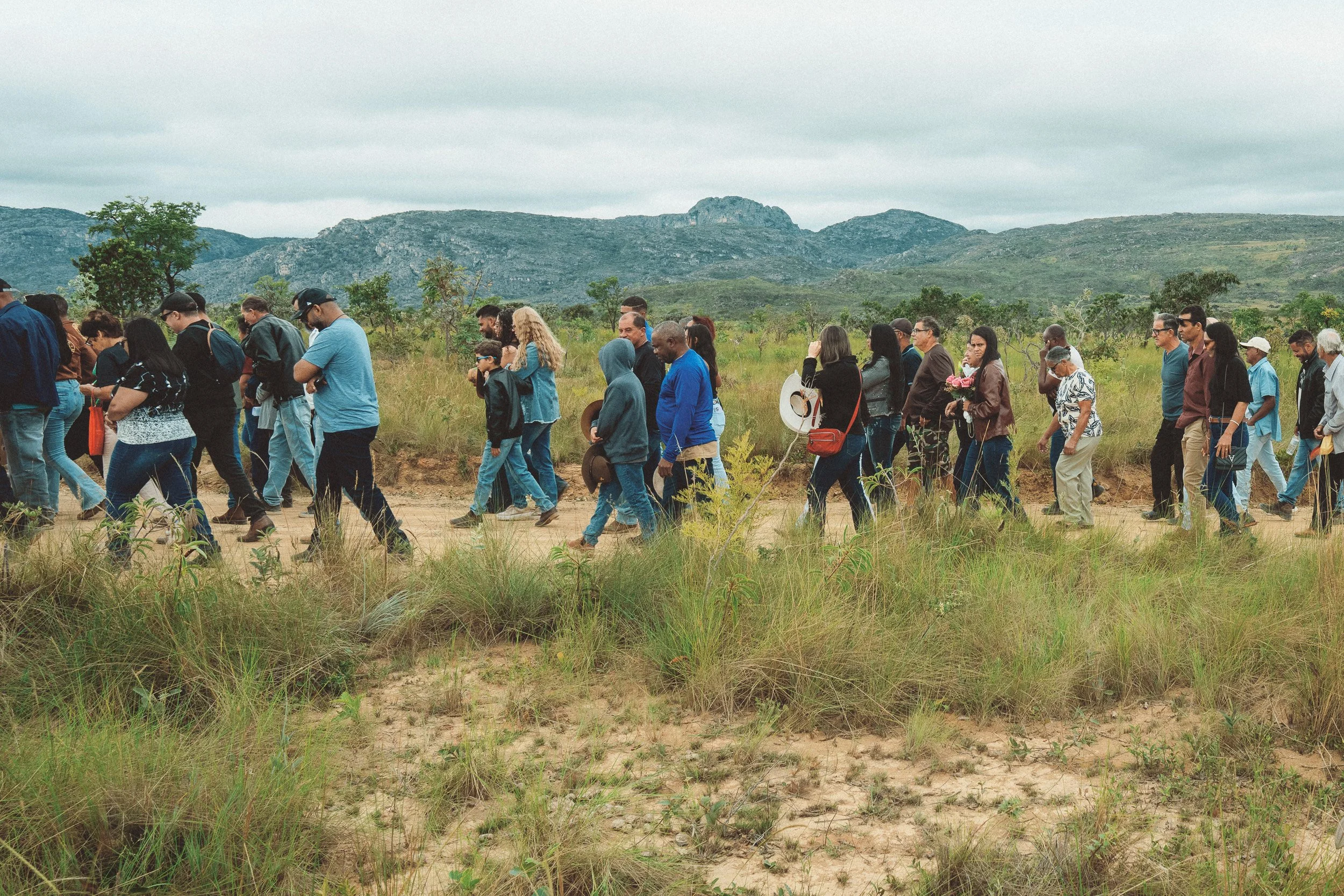
Residents and communities of Brazil’s Serra do Espinhaço
People sit at the center of our crossings.
The landscapes reshape your sense of scale, and the trails give you reason to celebrate each evening, but what stays with most travelers are the people they meet along the way.
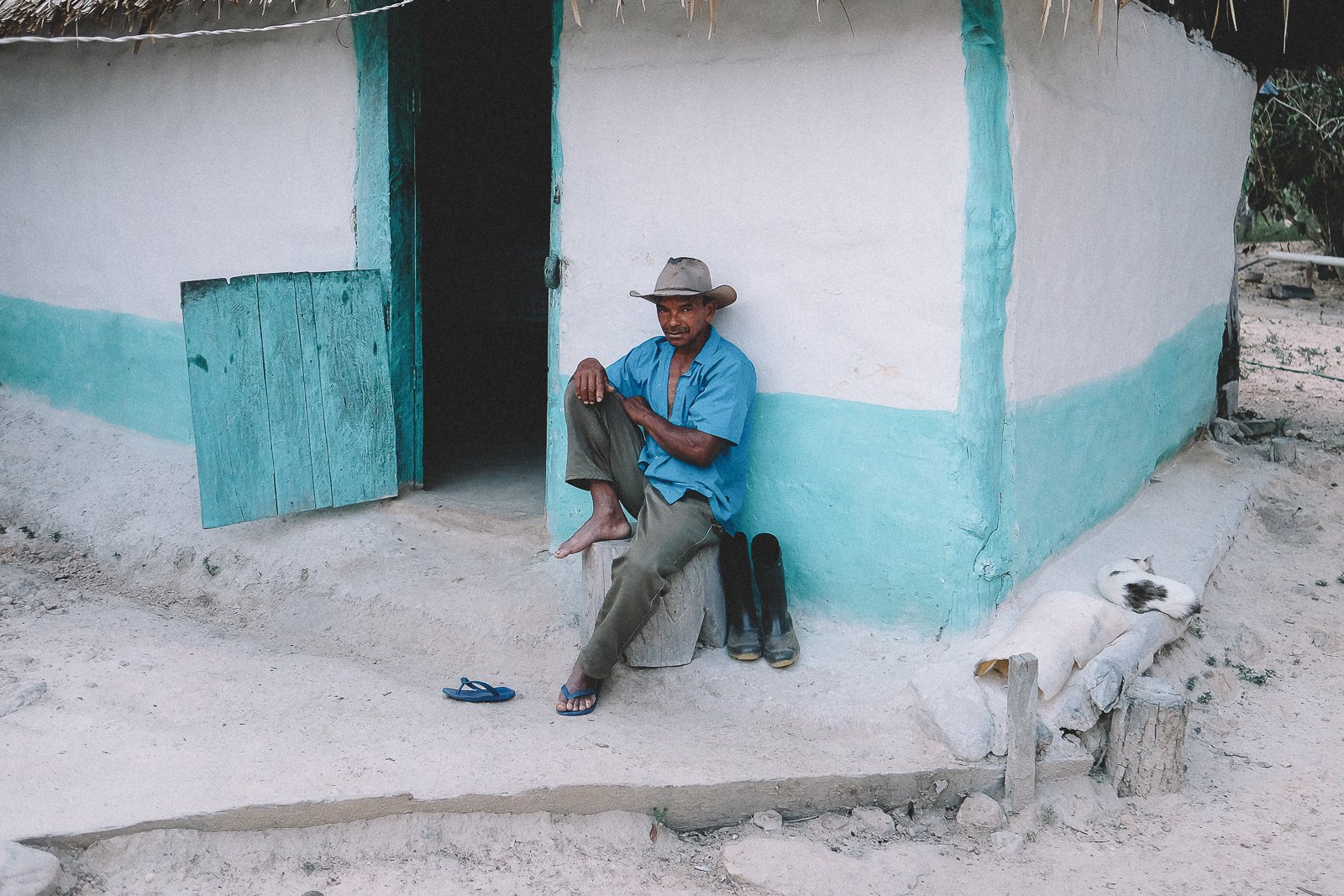
Across the range, you’ll meet mineiros from all walks of life—farmers, flower pickers, teachers, drivers, guides, cooks, business owners, students, and many others.
Some may walk beside you for days. Others you’ll meet once, in a doorway or around a table, and remember for years.
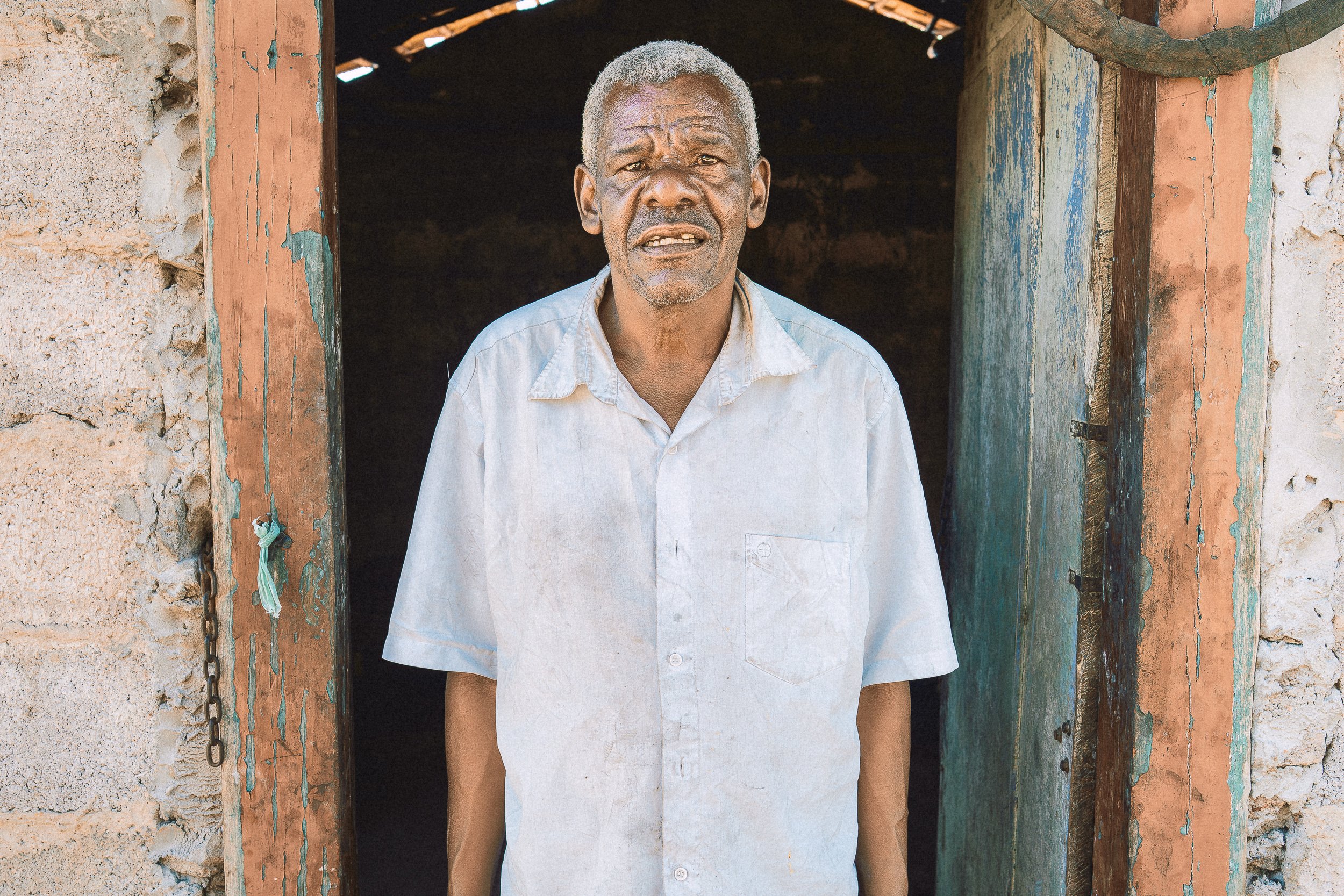
Cosme. São João da Chapada, July
Mineiros
Minas Gerais is Brazil’s heartland, and mineiros are known throughout the country for their warmth and hospitality.
Easygoing, down-to-earth, and famously conversational, they set the tone for life in the range and on our crossings.
Most of the folks you’ll meet here, from crew members and hosts to locals at the buteco and kids walking to school, will be mineiros.
You’d be hard-pressed to find a more welcoming group anywhere in Brazil.

Luzimar. near Pedrão, July

Lucas. Fazenda Santa Cruz, November

Levi. Taquaral, November
The Mestres
The men and women who join us on the trail are residents, friends, and mentors whose lives have long been tied to these landscapes.
We call them the mestres (masters): former miners and mule drivers, ranchers, farmers, flower pickers, and others who know the range through years of living and working in it.
They know which roads are impassable after heavy rain, where old trails still run, and how movement through the Espinhaço changes from season to season. When we travel through their world, we follow their lead.
Much of what makes our crossings possible—and meaningful—depends on their knowledge, judgment, and generosity.
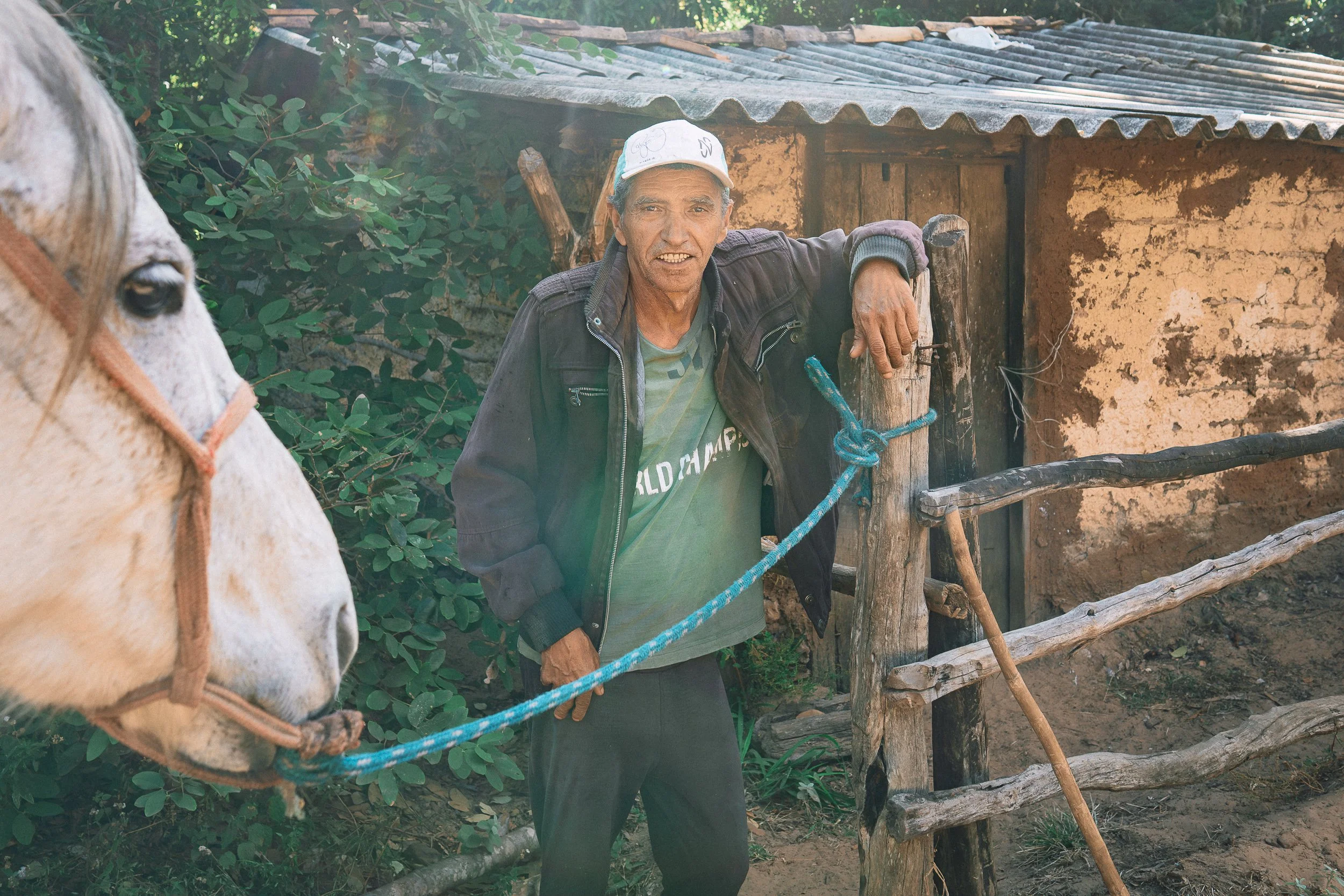
Dorico.
Vale do Rio Preto, July
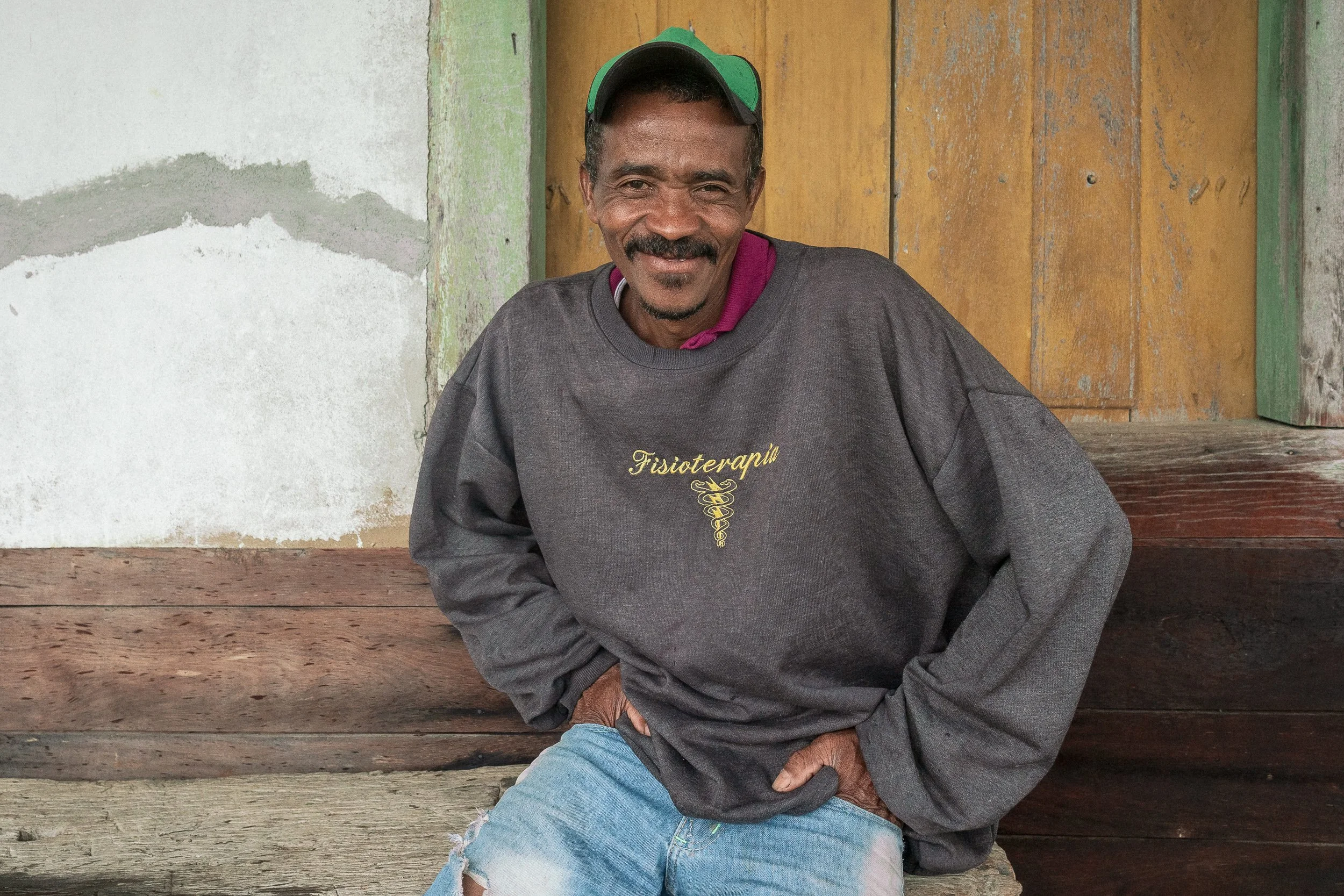
Valdir.
FAzenda Santa Cruz do Gavião, October
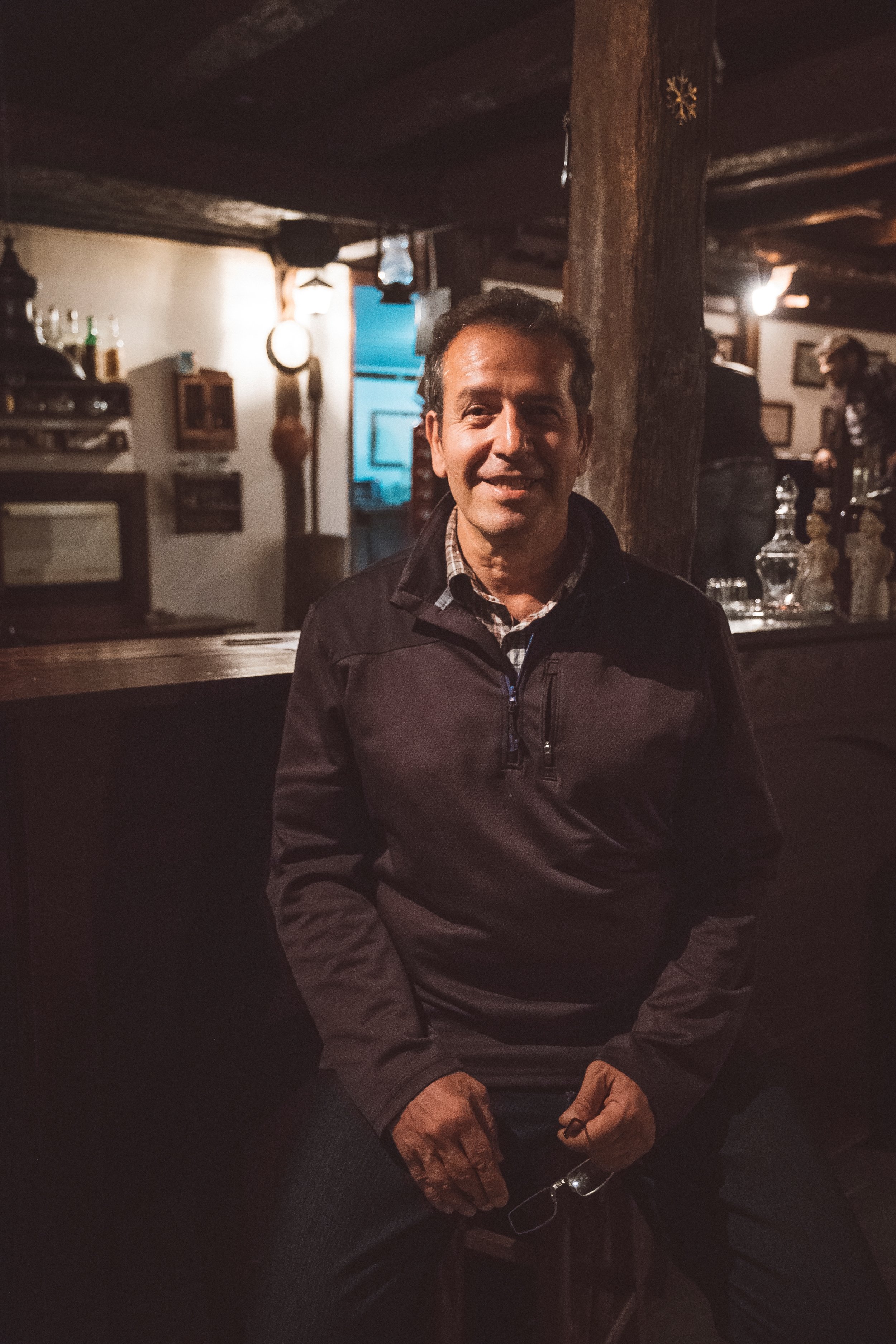
Luis. São Gonçalo (July)
Hosts
We stay in a variety of accommodations during crossings, many of which are small and family-run. At the end of long days on the trail, the men and women who receive us open their doors, light stoves, lay out meals, and make sure there’s hot water and café.
Their homes and guest rooms are where we hear the local news, learn which festas are coming up, and get a sense of daily life in this part of the range.
Breaking bread with them—sometimes well into the night—is often one of the most memorable parts of a crossing.

Dona Raquel.
Conselheiro mata (November)
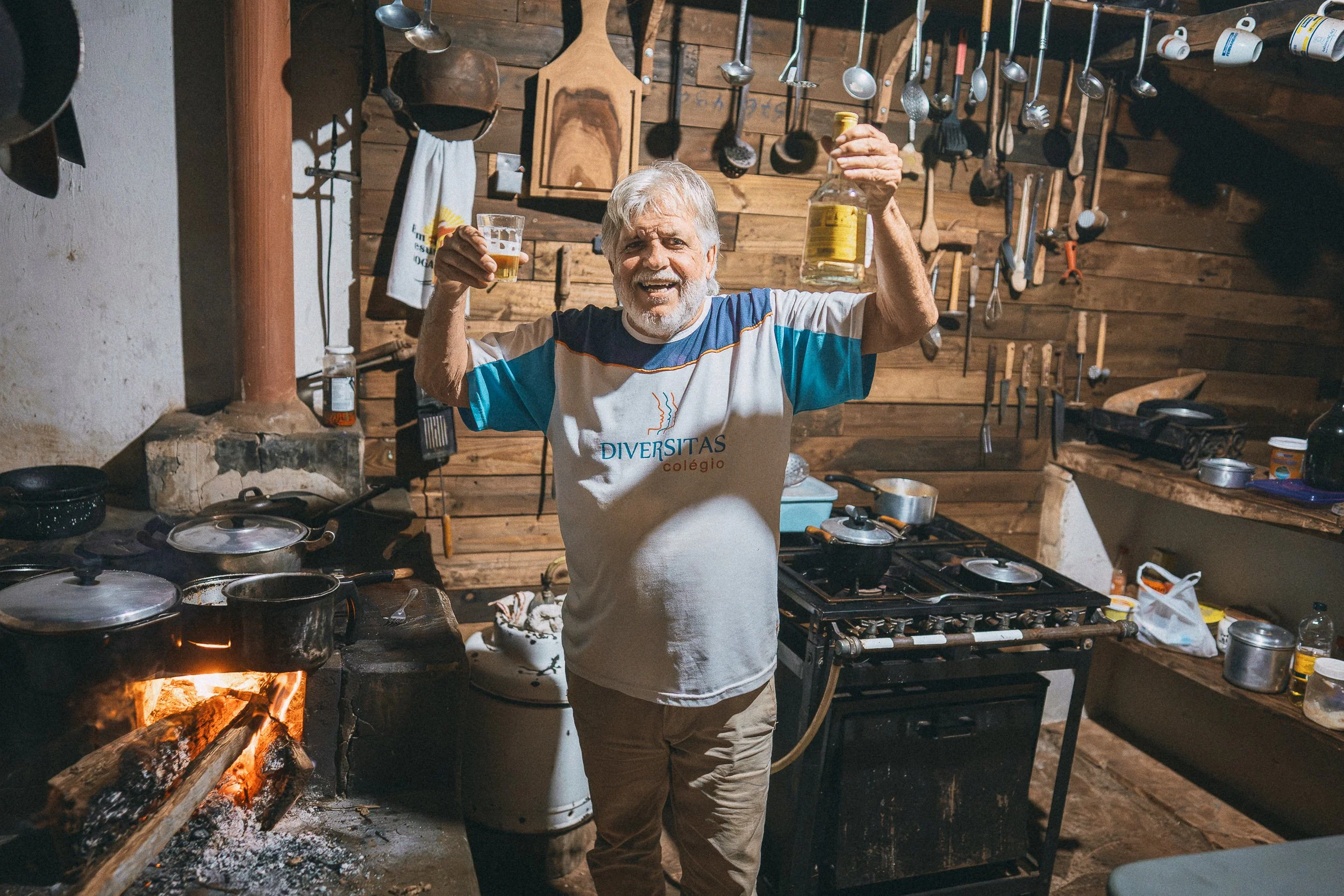
Deco.
Couto de Magalhães (July)

Zekinha.
Vale do Rio Preto, April
Rural Brazil
It’s estimated that up to 89% of Brazilians live in cities today. The Espinhaço offers a window into life for the remaining 11%.
The range sits deep in the interior of Minas Gerais, far from Brazil’s coastal centers and major skylines. During crossings, we pass through dozens of communities: former mining districts, agrarian towns, quilombola villages, and other small settlements spread between river valleys and high plateaus.
Roosters still set the alarm clock in these places. Laundry dries on lines in the wind. Kids ride past on motorbikes. In many places, families can trace their roots through the same hills for generations.
Mining booms and busts, conservation policies, and new roads have all left their marks in the Espinhaço. Across much of the range, though, daily life is still closely tied to weather, soil, distance, and community.

Dona Maria & Family.
São João da Chapada, October
Quilombola Communities
Quilombola communities are part of life across the Espinhaço. Their roots go back to Afro-Brazilian families and communities shaped by slavery, resistance, land, and generations of life in the backcountry.
Today, many residents in these villages still farm, mine for diamonds by hand, gather sempre-vivas, and maintain ways of speaking, cooking, celebrating, and relating to the land that remain deeply tied to life in the range.
When our routes pass through these communities, as they often do, we do so with great care. We come as guests, contribute to local economies, dine with our hosts, speak with our neighbors, and try to leave with a deeper understanding than when we arrived.
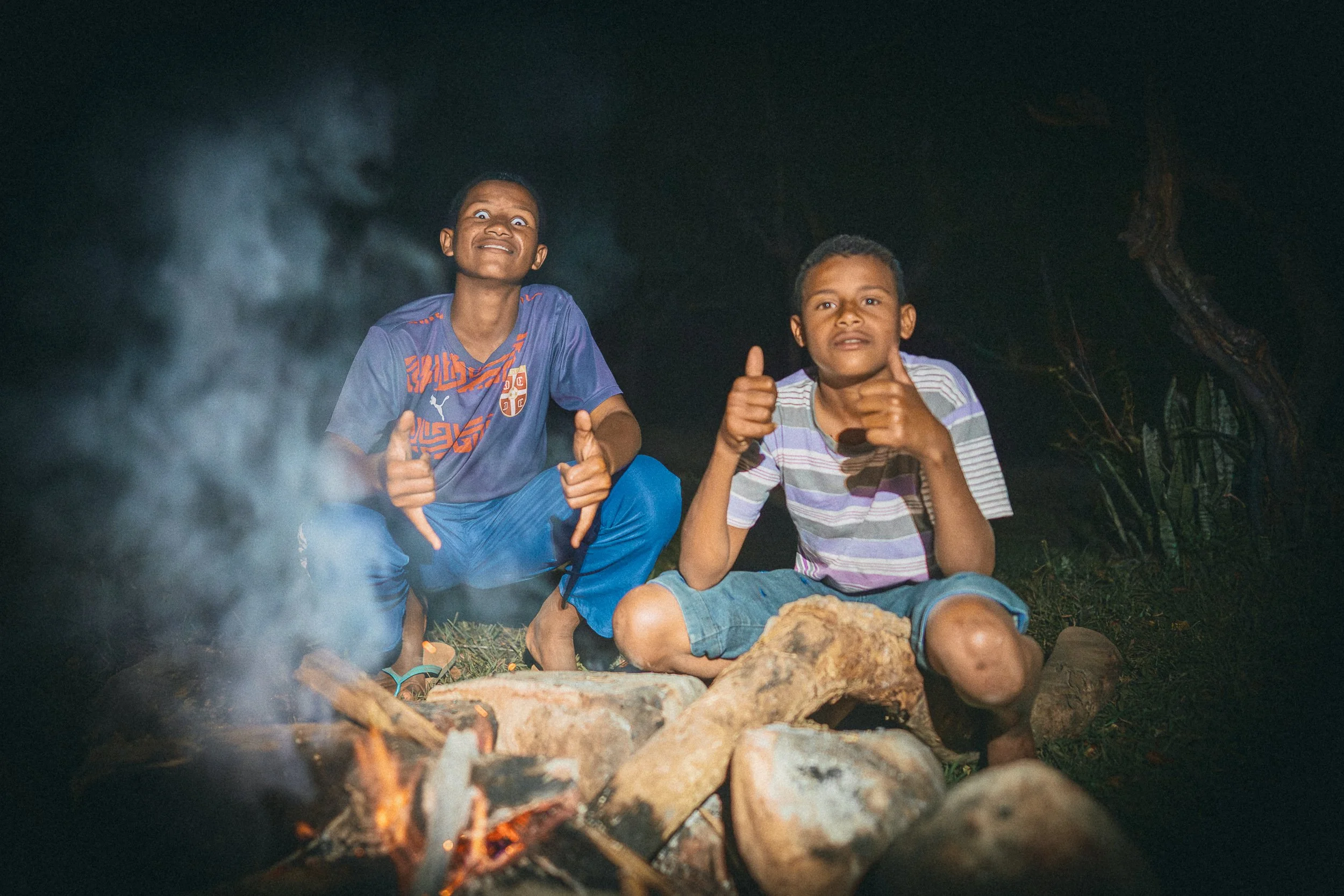
Diego (Right) and Gilsinho.
Quarteis do Indaia, July
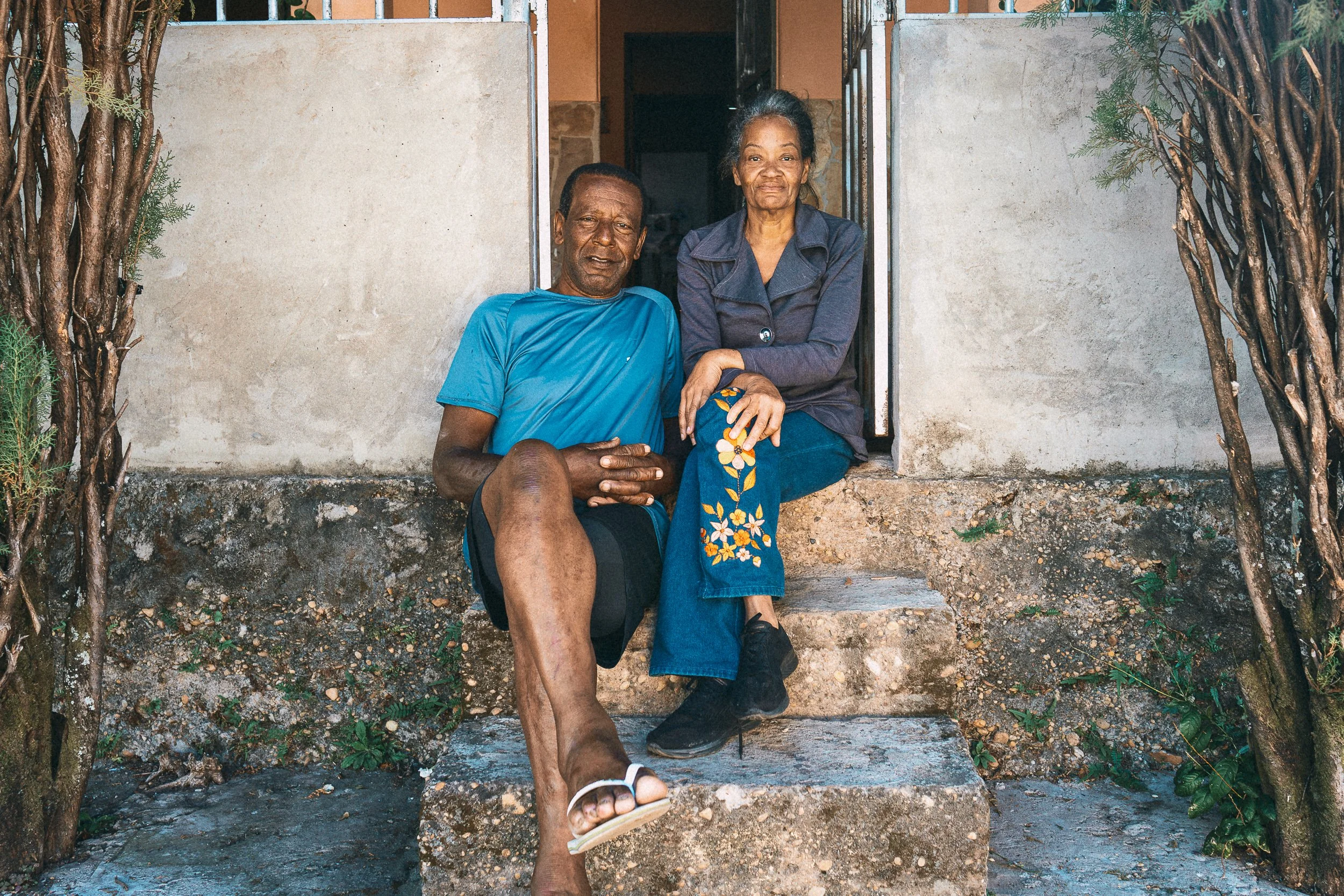
Barbosa and Lúcia.
Inhai, July

Street Scene, Sáo Gonçalo do Rio das Pedras, April
Colonial-era villages
Curralinho. Mendanha. Inhaí. Serro. São Gonçalo. Milho Verde.
If it starts to feel like every trail in the Espinhaço leads to a centuries-old mining town, you’re not wrong. Across the range, small villages still carry the marks of the diamond rush: steep cobblestone roads, whitewashed houses with bright doors, baroque churches, and squares built for processions, markets, and music.
UNESCO World Heritage city Diamantina draws most of the attention, but the settlements around it are each their own small universe. From elegant São Gonçalo do Rio das Pedras to quieter São João da Chapada, each has its own setting, history, and way of life.
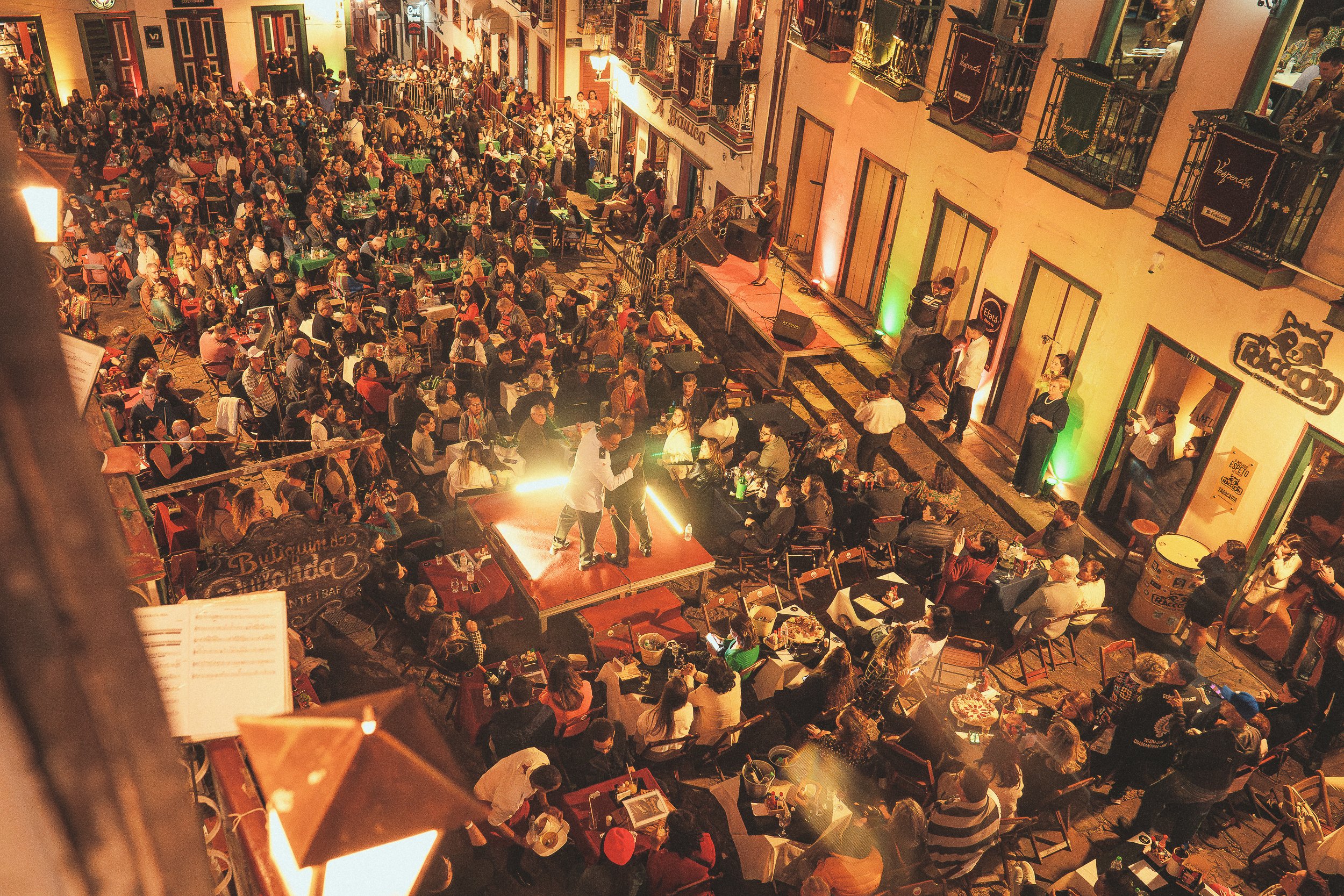
Vesperata. Diamantina, April
Diamantina
UNESCO World Heritage city. Terminus of the Estrada Real. Former diamond-mining capital of the world.
Somehow, Diamantina (pop. 49,500) manages to be all this and more: a university town, a cultural center, and a place where history and everyday life overlap on the same cobblestone streets.
Despite its significance, it remains remarkably under-visited, even by Brazilians.
For many of our crossings, Diamantina is a natural anchor point: a place to gather, celebrate, and mark the end of a journey.
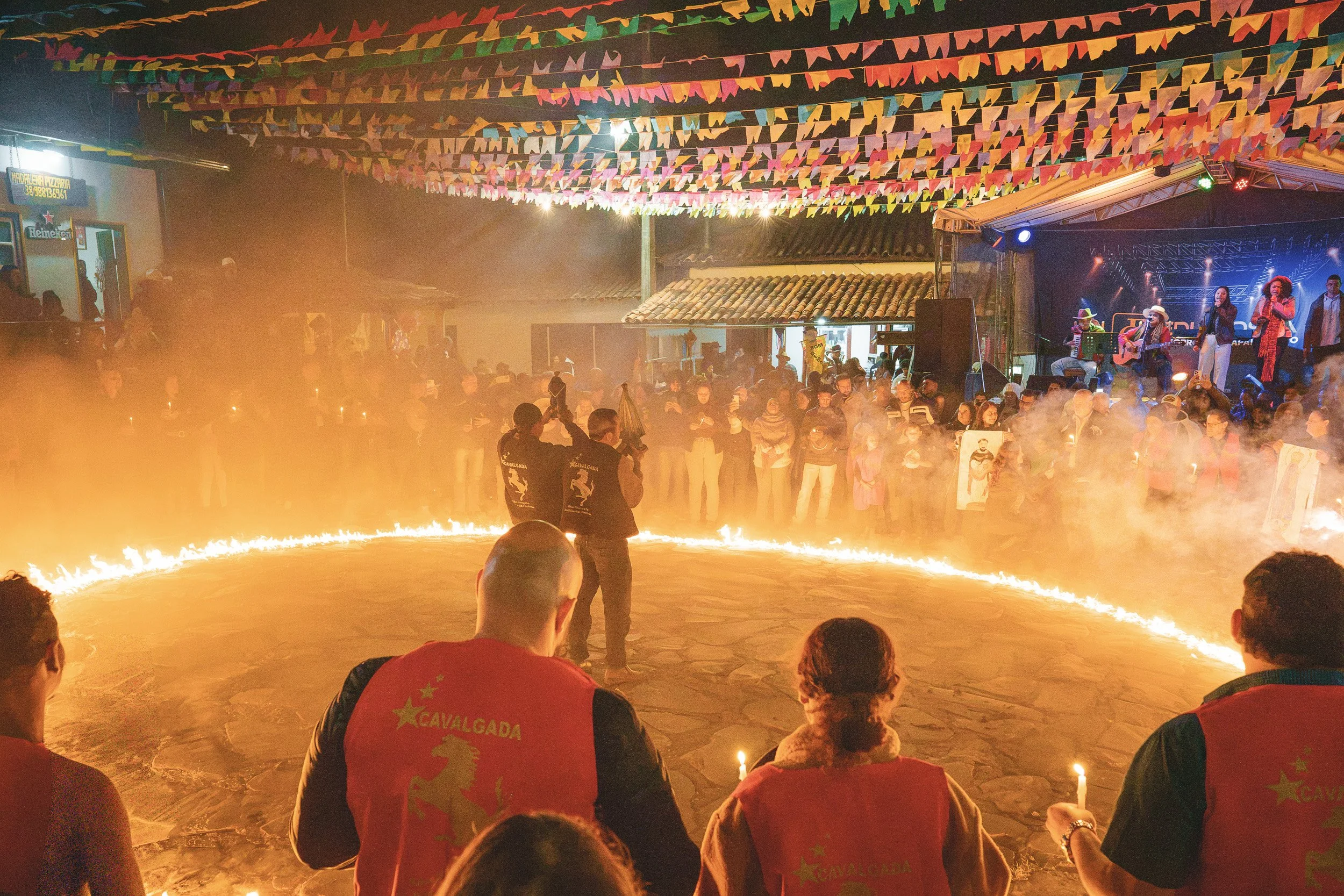
Festa Junina. São Gonçalo do Rio das Pedras, June
Community Gatherings & Festivities
In a country and state known for revelry, the Espinhaço keeps pace. For much of the year, the range can feel almost impossibly quiet. Then suddenly, entire towns fill with music, movement, and celebration.
In small towns and villages, saints’ days, harvest celebrations, patron festivals help mark the year (the smaller the town, the bigger the festa). Churchyards turn into gathering places, with loudspeakers, bonfires, fireworks, food stalls, kids running laps, and elders taking it all in from plastic chairs.
Crossings can sometimes be scheduled around these days, but often we’re just fortunate when the dates line up. During a festa junina, that might mean standing at the edge of a candlelit procession or nursing a beer by the food stalls while a brass band plays. During a cavalgada, it can mean plates of food and dancing in the dust with people we met that afternoon. At a Vesperata, it means watching a historic city center turn into a concert hall.
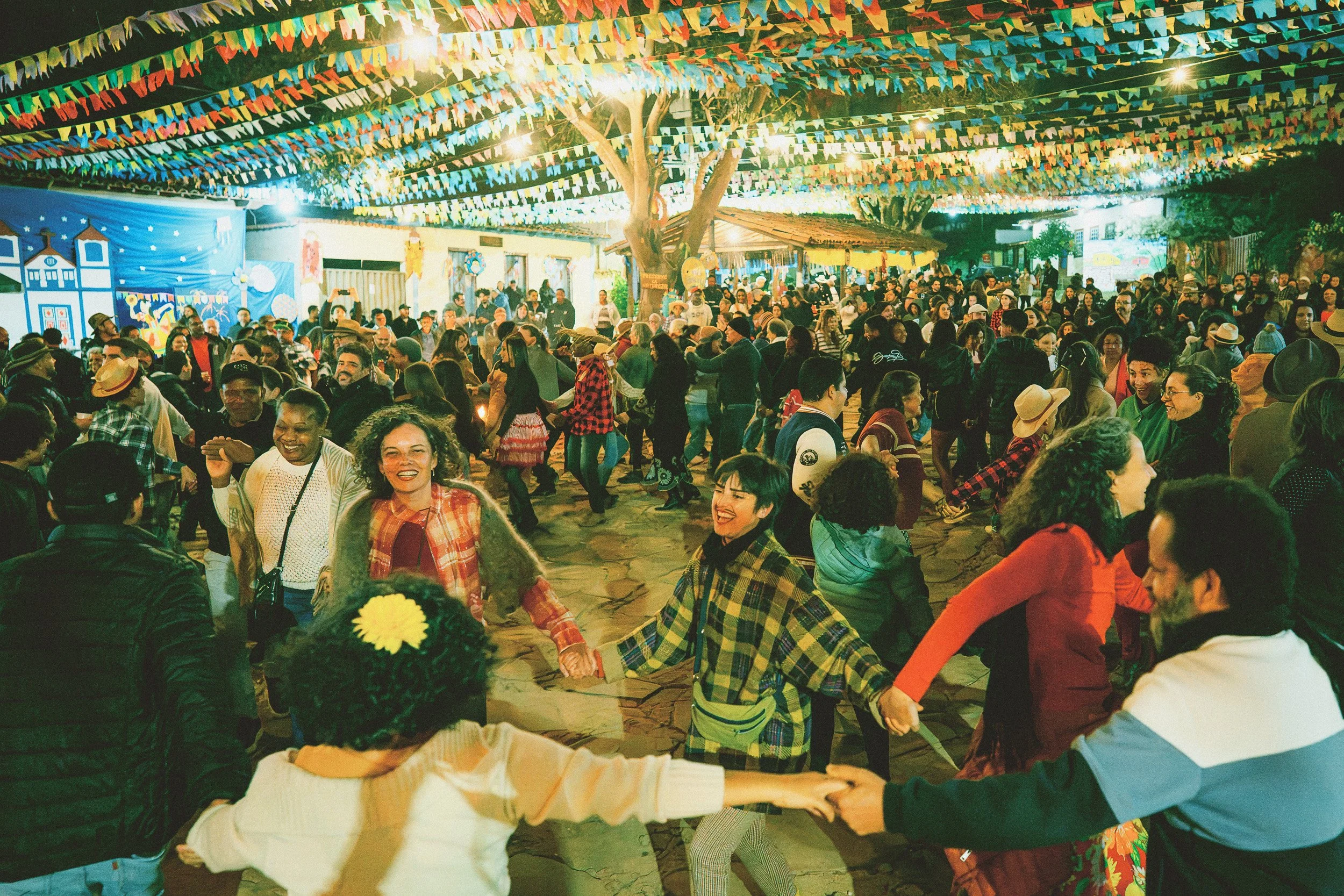
Festa Junina.
São Gonçalo, June
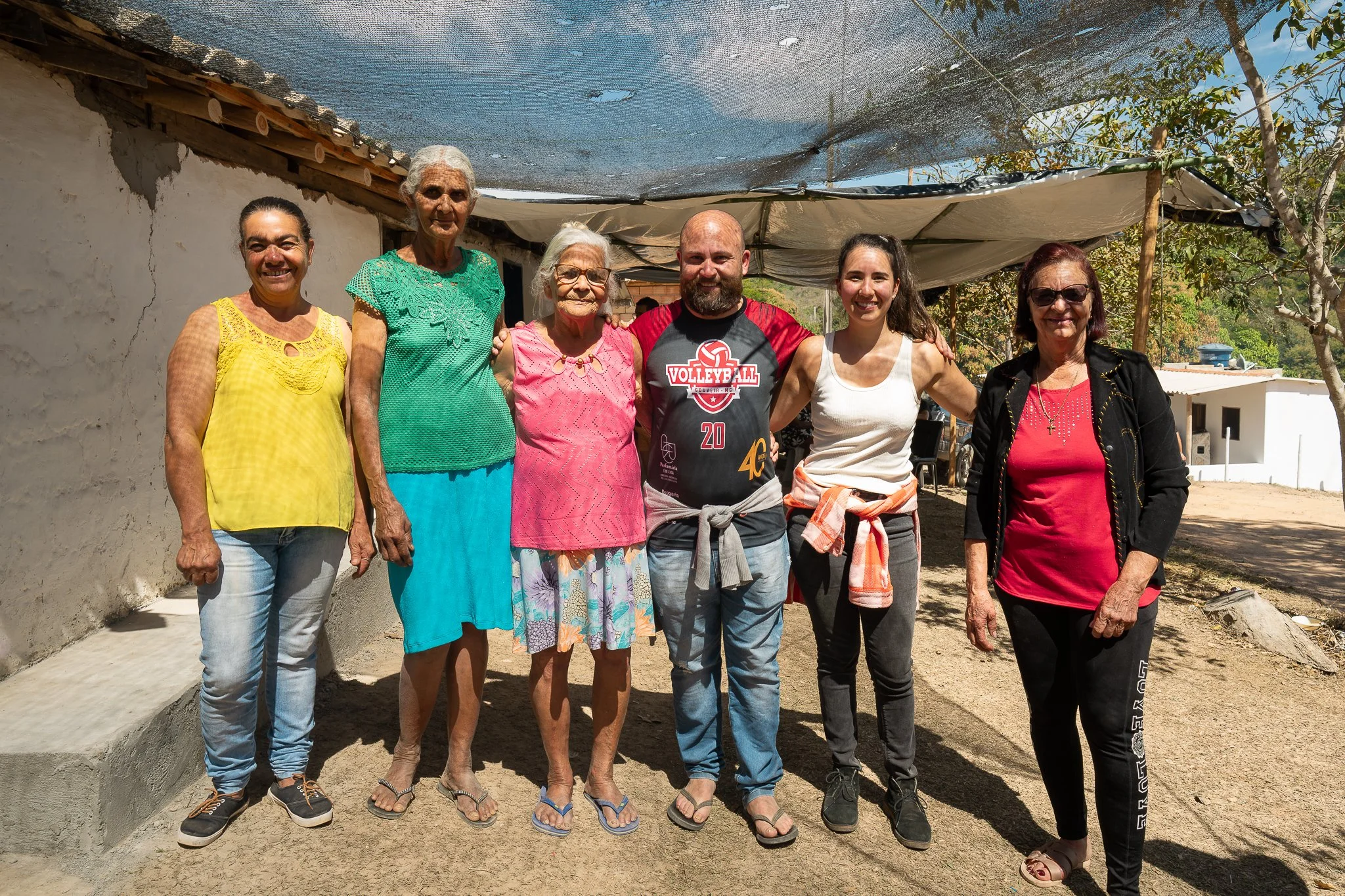
Festa das Almas.
Cemetério do Peixe, August

João’s second Birthday Party.
Burití do Claúdio, October