
Ecology
The Living Landscape
Land, life, and ecology in Brazil’s Serra do Espinhaço
The Espinhaço isn’t just a place. It’s a system.
The range accounts for less than 1% of Brazil’s territory, yet holds a remarkable share of its biodiversity, with the campos rupestres ecosystem alone containing nearly 15% of the country’s plant species—many found nowhere else on earth.
The range holds an extraordinary concentration of life, shaped by altitude, isolation, and time. To travel here is to move through a landscape that is both resilient and fragile, abundant and exposed, ancient and still evolving.
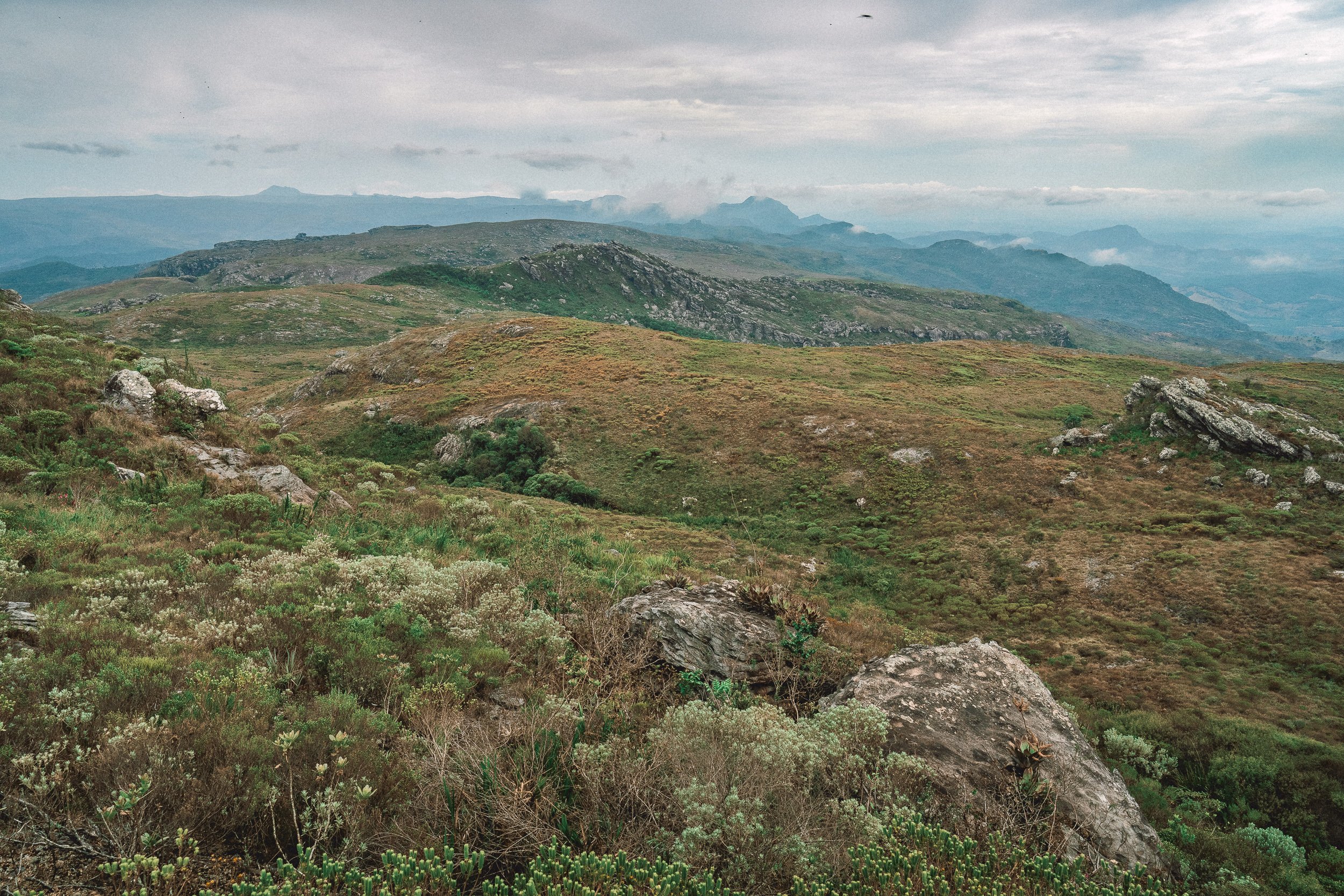
Eastern Edge. (October)
A Place & Privilege
The Espinhaço highlands hold one of the most unique ecological assemblages in the world.
It’s a landscape of quartzite outcrops, shallow soils, and persistent wind, where plants have adapted not just to survive, but to specialize.
At its core are the campos rupestres—a high-altitude, rock-bound ecosystem that appears sparse at first glance but reveals immense biodiversity the closer you look.
The result is a place where scale deceives. What appears austere is, in fact, dense with life.

Rainforest and Savannah. (April)
A Tale of Two Biomes
The Espinhaço sits at a rare ecological meeting point.
To the west lies the Cerrado, the most biodiverse savannah on earth.
To the east, the Atlantic Forest, one of the most threatened and species-rich forests on the planet.
Few places in Brazil bring these two systems into such close conversation.
Crossing the range, you can witness that transition unfold: dense vegetation giving way to dry, open grasslands, and shifts in soil, water, and sound.
It’s not a boundary so much as a gradient that reveals itself slowly, step by step.
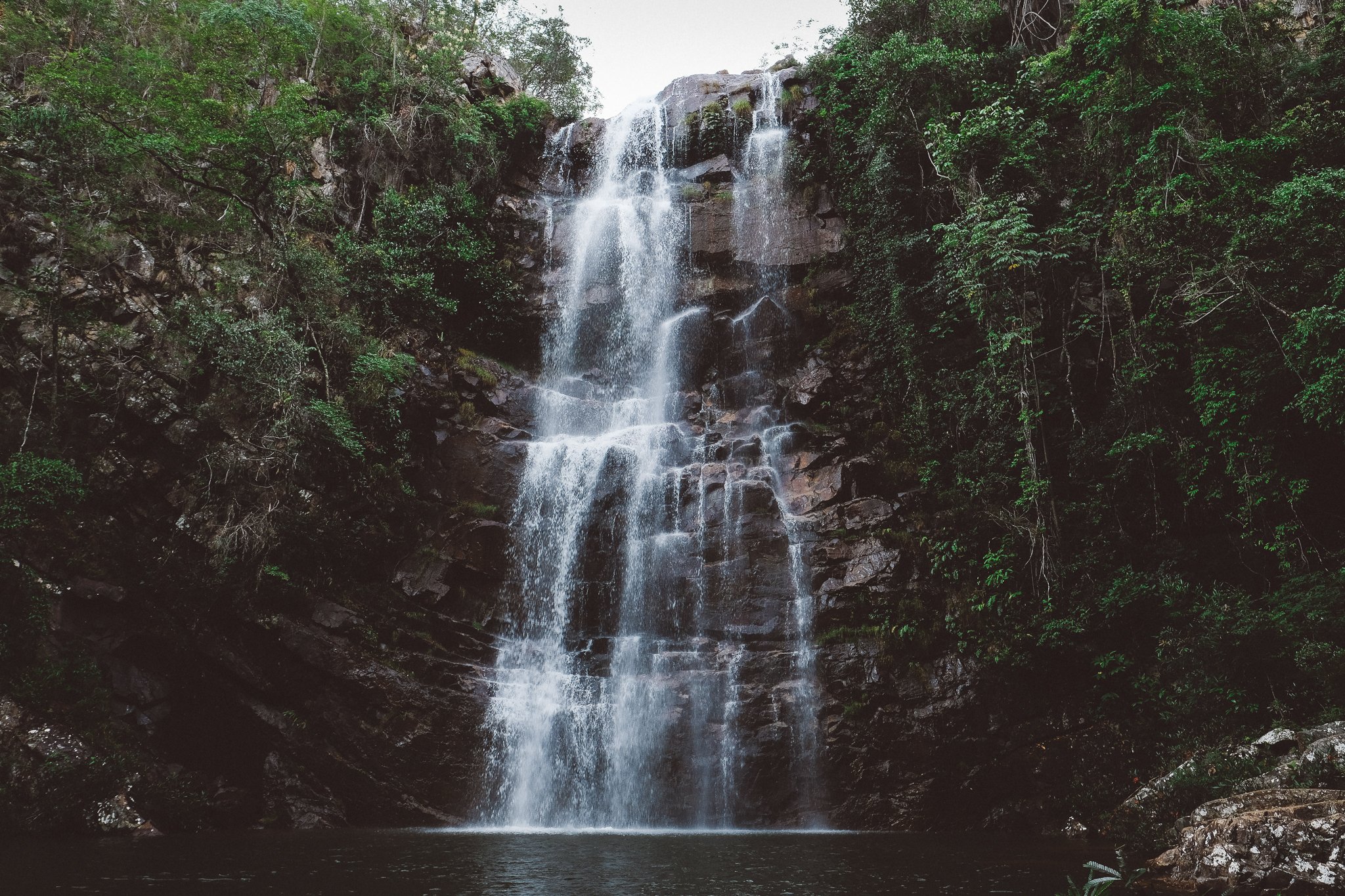
Fairy Falls. (November)
Agua é Vida
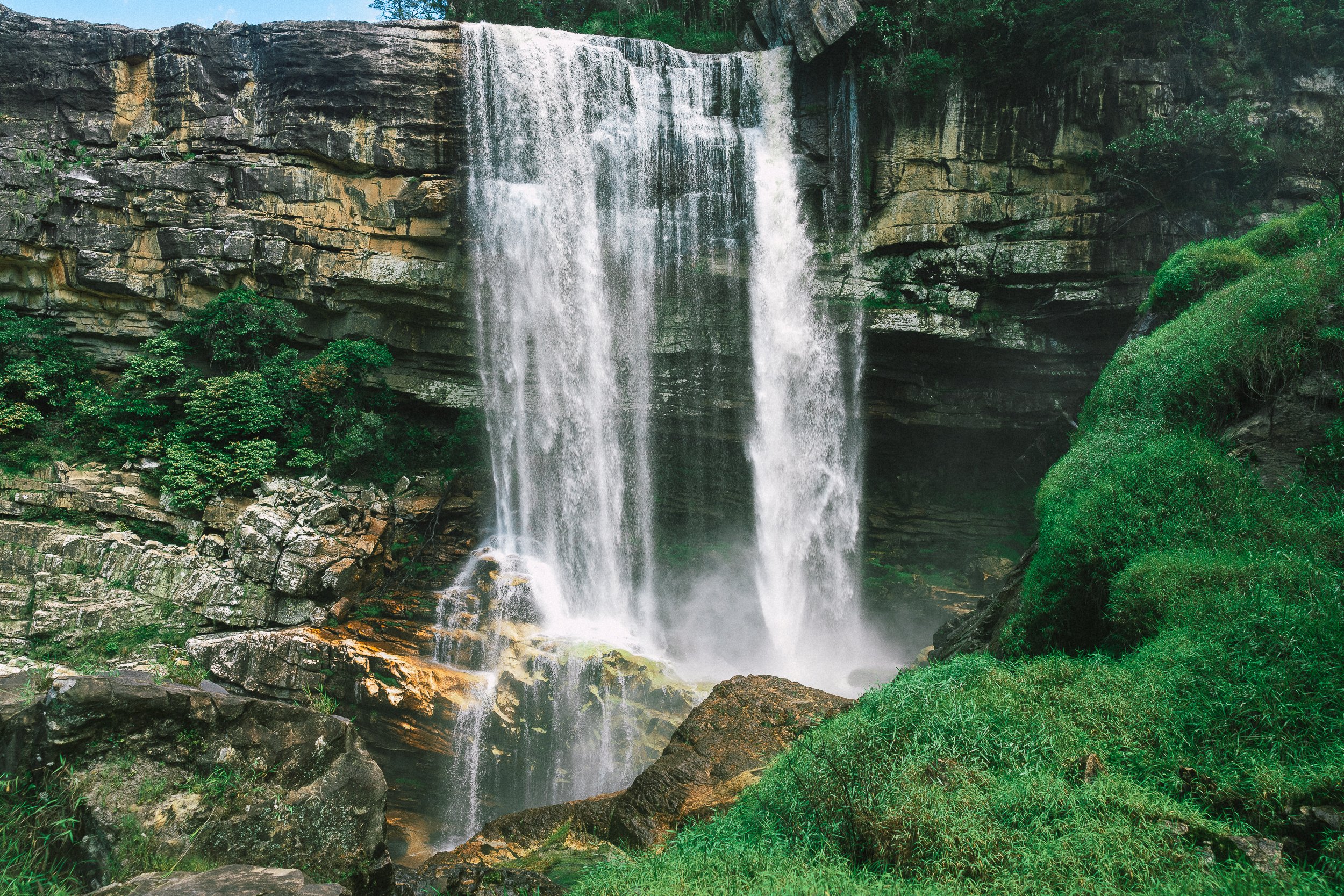
Water is omnipresent throughout the Espinhaço, shaping both the landscape and life within it.
The range is a watershed for three of Brazil’s most important rivers: the São Francisco, the Jequitinhonha, and the Doce, with the latter two born here, and the first drawing from the western highlands.
What begin as gentle springs and seeps at altitude become lifelines that sustain entire regions downstream. Streams, wetlands, lagoons, and thermal springs appear across the range in unlikely places. Water moves beneath and across everything.
And then there are the waterfalls. Hundreds of them, scattered across the range, from small, quiet cascades to vast, show-stopping expanses of moving water.

Cachoeira da Fumaça. (January)

Inhacica Grande. (April)
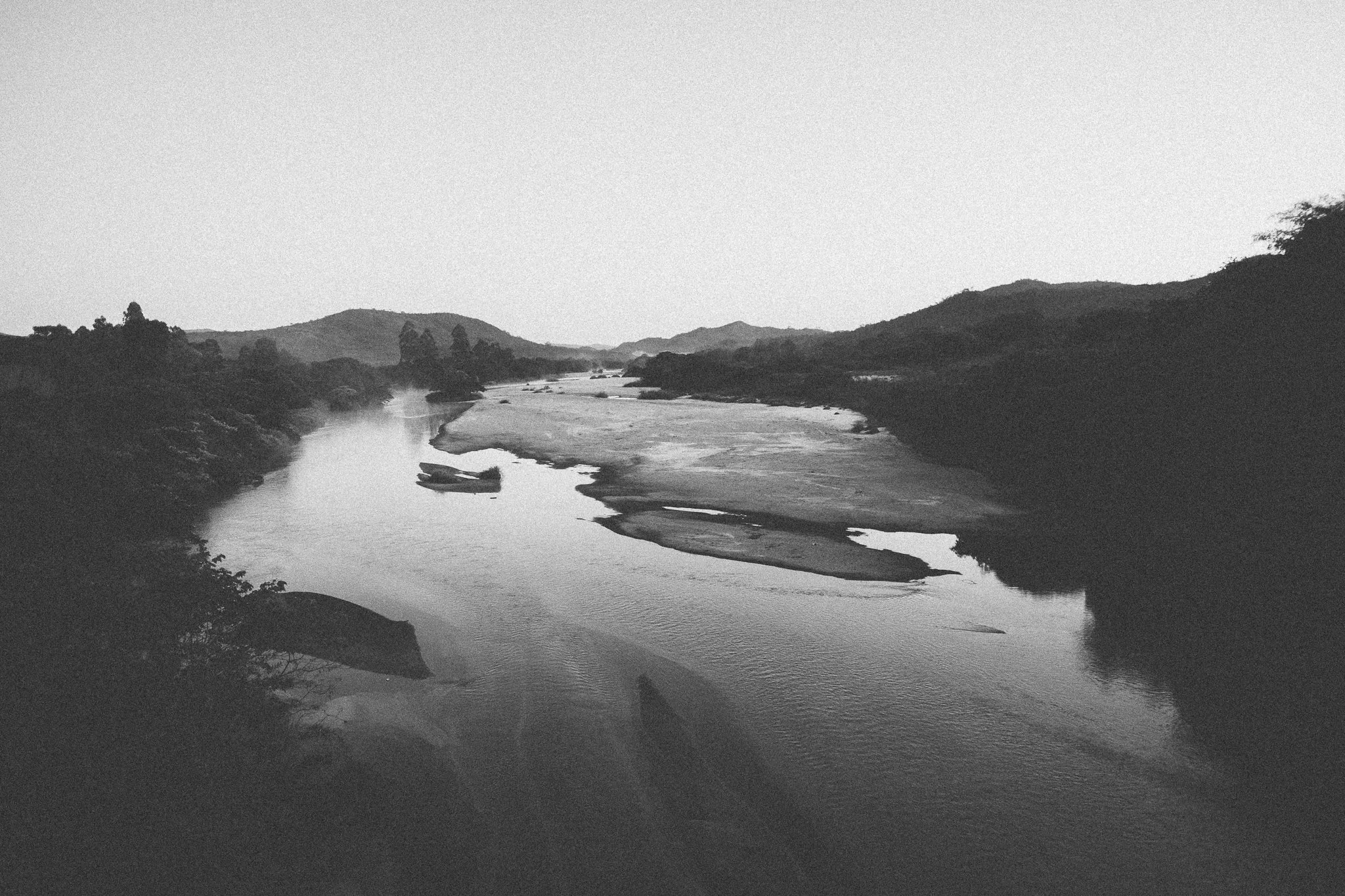
Rio Jequitinhonha. (July)

Tempo Perdido. (August)
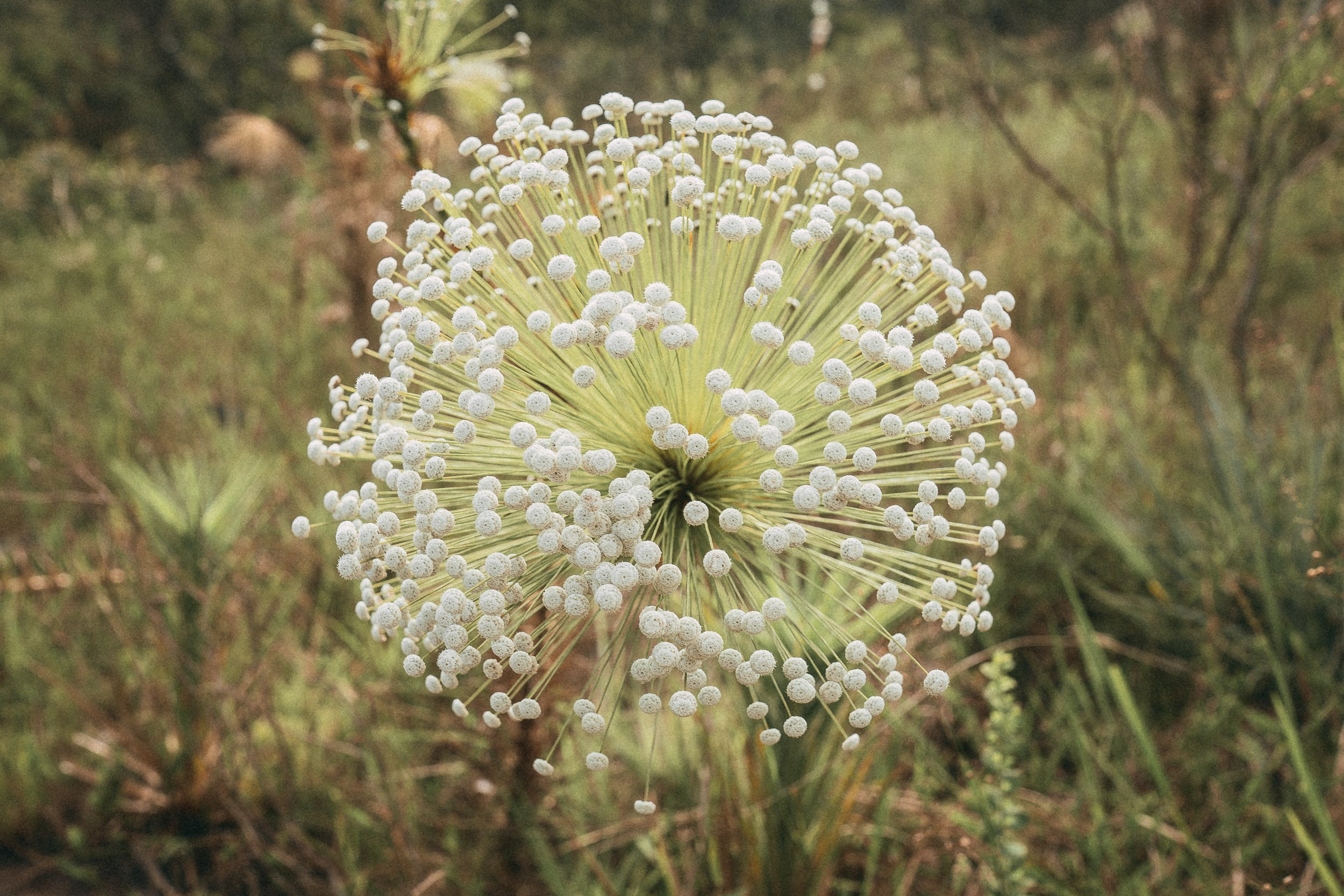
Actinocephalus bongardii. (April)
The Garden
If the landscape feels otherworldly at times, it’s often because of the plants. If ever there were a setting on earth worthy of the word Seussian, it’s here, where odd and oddly shaped species of grasses, shrubs, cacti, and palms abound, creating surreal garden landscapes.
The Espinhaço is home to an extraordinary diversity of wildflowers, many of them endemic. The most iconic are the sempre-vivas—delicate, resilient bouquets that have long shaped the region’s economy, culture, and identity. They grow in unlikely places: out of rock, across wind-swept plateaus, in soils that seem incapable of sustaining life.
Traveling through the backcountry here reveals patterns: repetition, variation, adaptation. What at first appears chaotic begins to resolve into something precise.

Stachytarpheta meninii

Quiabo da lapa (Cipocereus minensis)
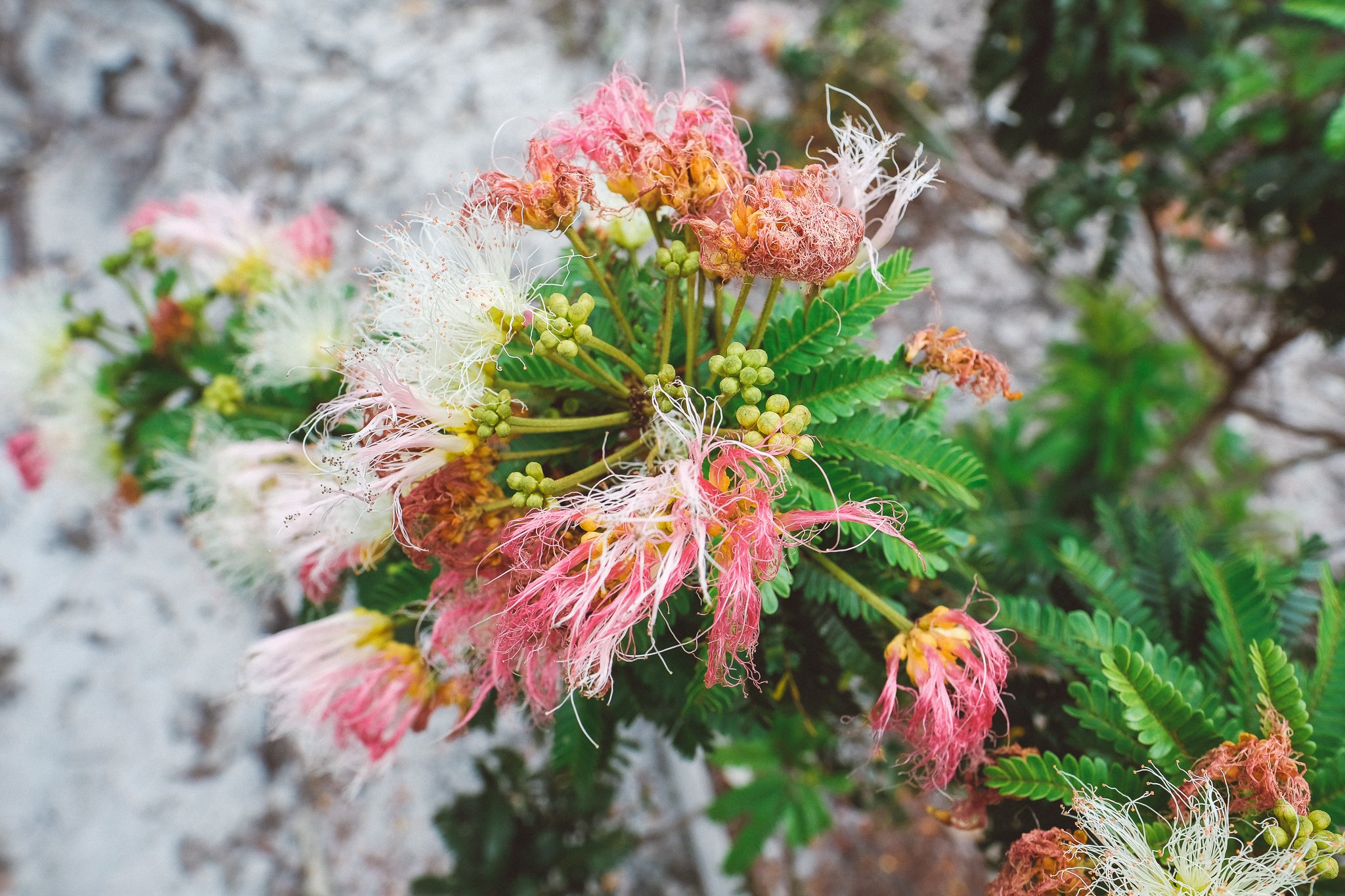
Viuvinha

Unknown
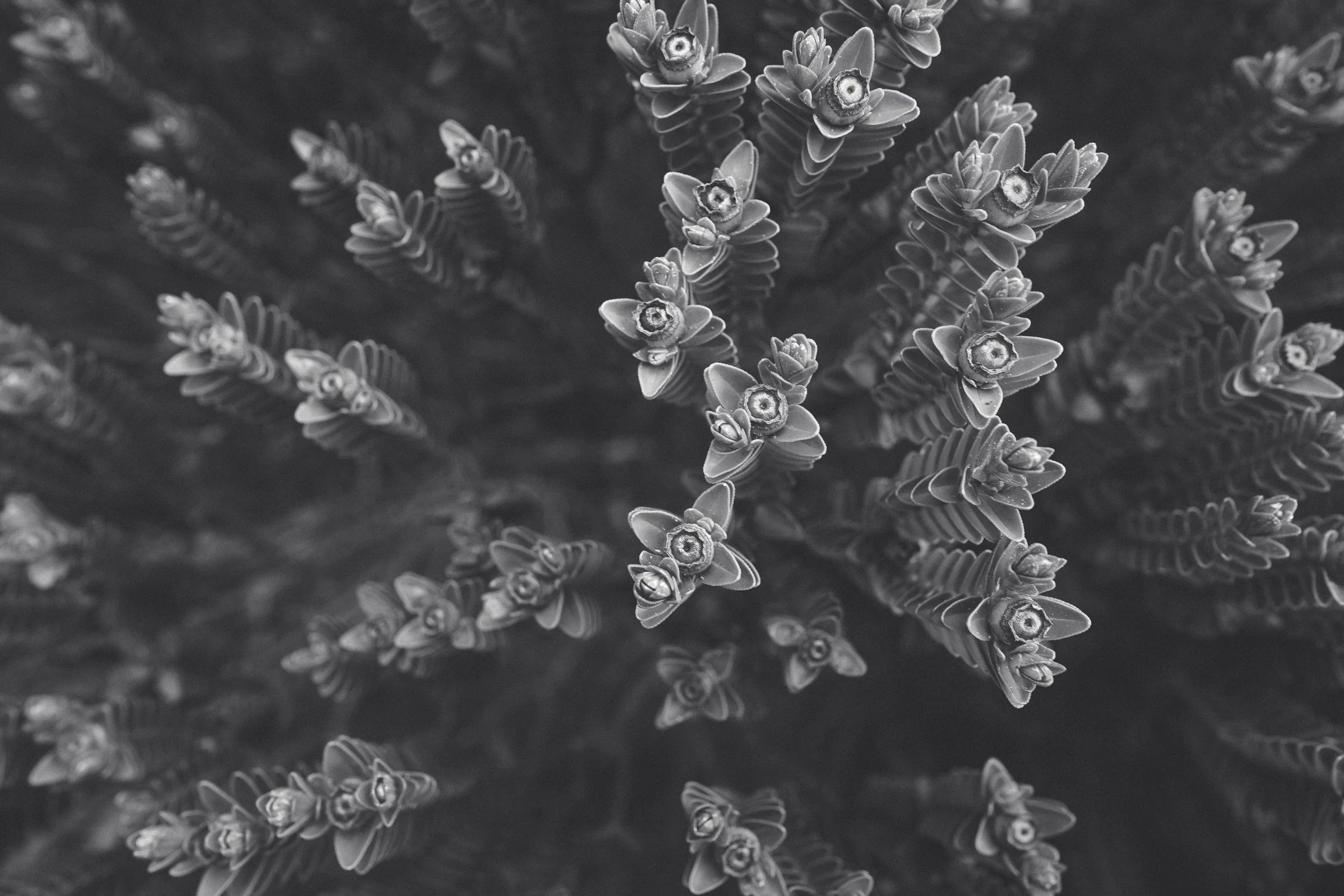
lavoisiera
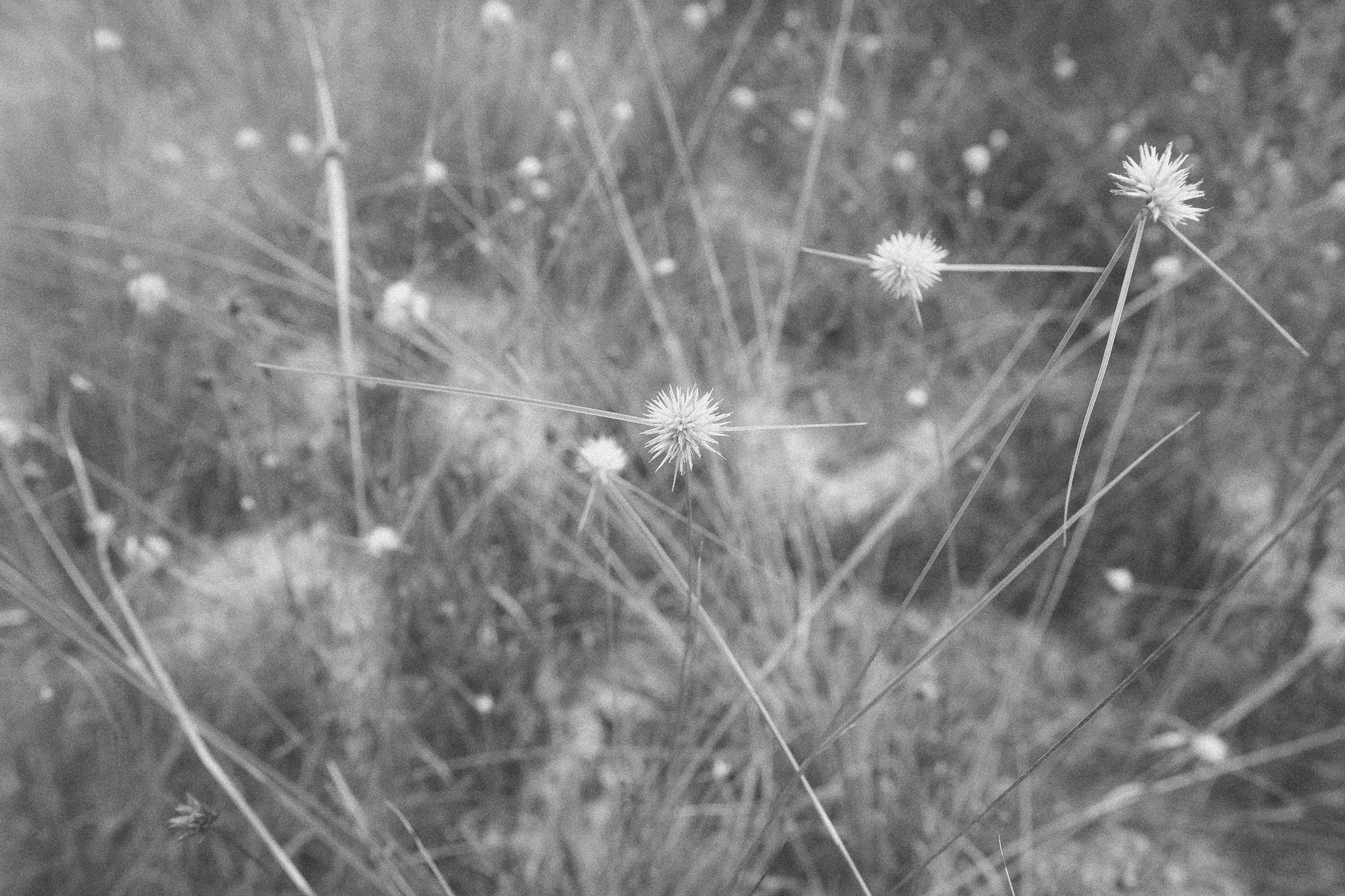
espeta-nariz
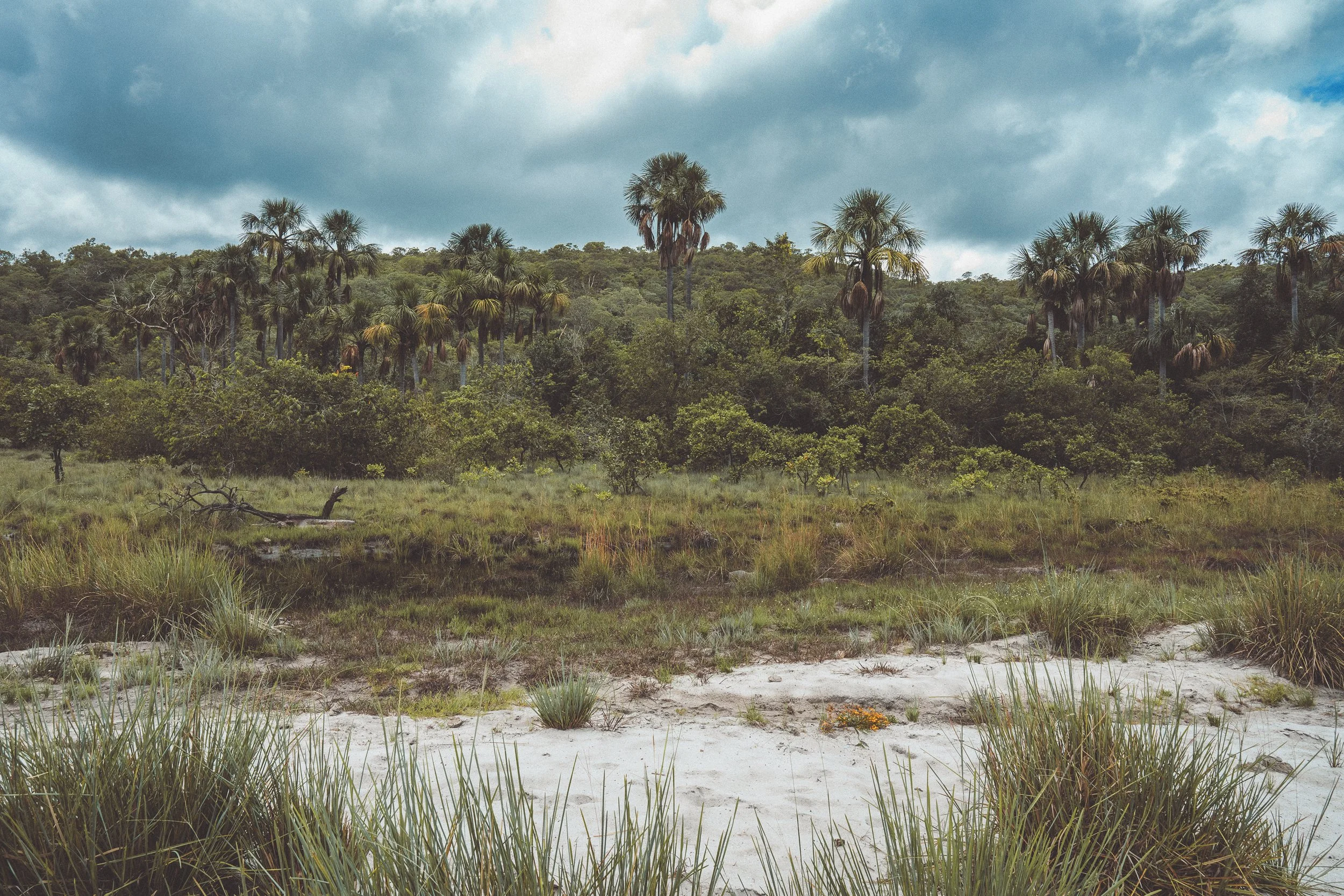
Storm clouds. (January)
Seasons & Rhythm
Life in the Espinhaço is shaped as much by time as by terrain.
The dry season settles in gradually, beginning in May and deepening through the winter months. By September, the grasses have turned gold, the air is clear, and the landscape takes on the look many people associate with the savannah.
Then, suddenly, everything changes.
The rains return in late September or early October, often with dramatic storms that sweep across the highlands. Lightning strikes, flowers bloom, rivers swell, and the high savannah turns a thousand shades of green again.
The landscape is renewed.
By January and February, the wet season reaches its zenith. By April, it begins to fade again.
The cycle is constant. Life here is built for it.
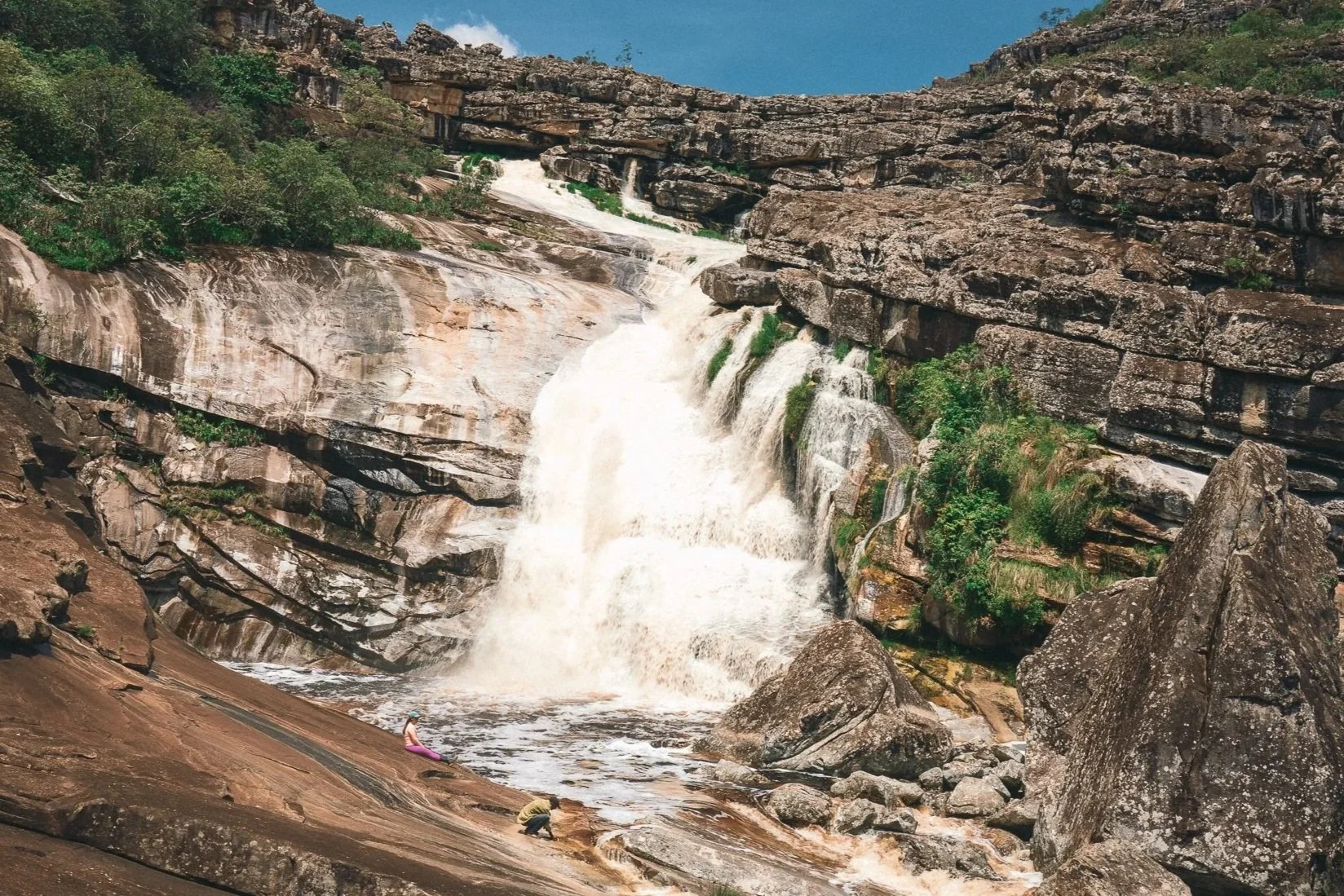
Cachoeira do Fundão in January

Cachoeira do Fundão in April
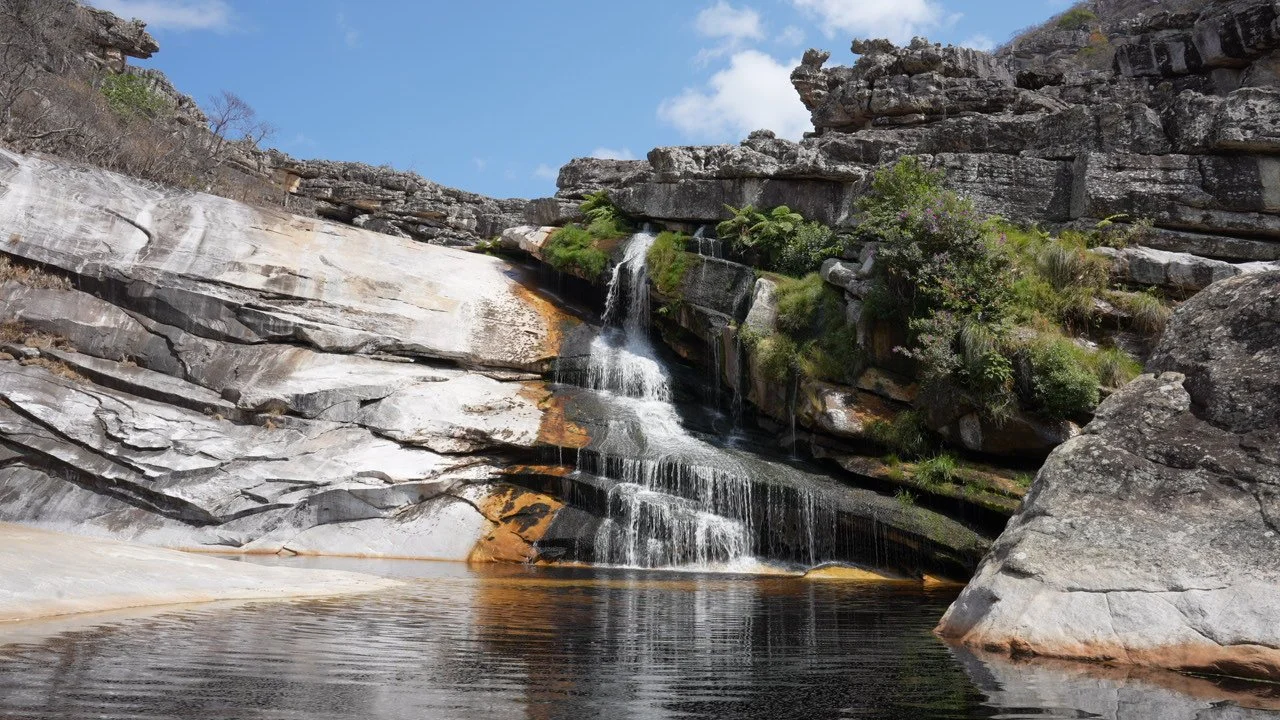
Cachoeira do Fundão in August
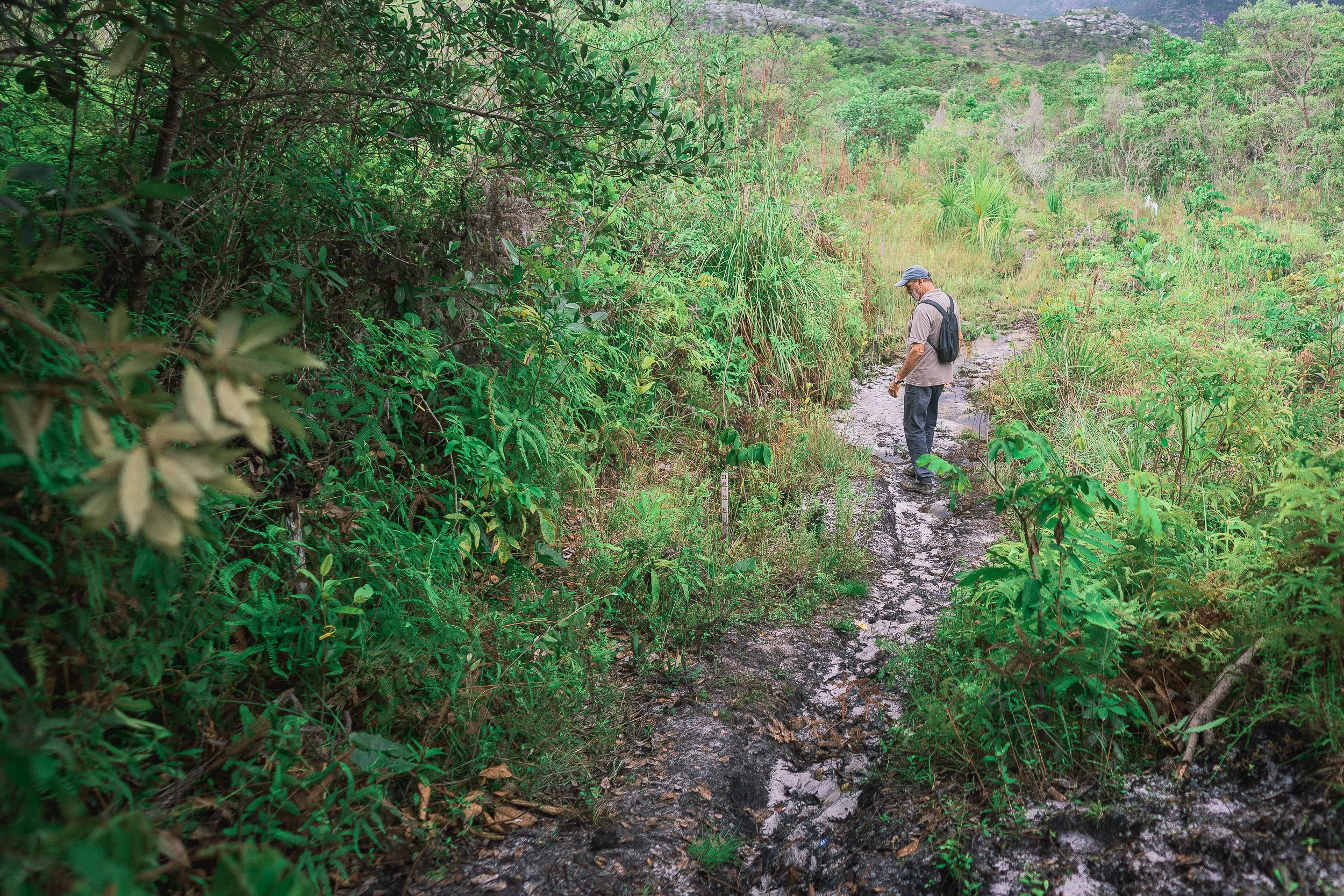
Marcos Guião. São Gonçalo (March)
Living Knowledge
The study of the Espinhaço’s plants is academic, but also medicinal.
Many of the men and women who call this region home understand the land in ways that go beyond classification. Plants are known by many names, but best understood by use: what heals, what soothes, what can be eaten, and what should be avoided.
Leaves for fevers. Roots for inflammation. Stalks for digestion. Flowers for tea.
The knowledge is rarely written down. Instead, it’s passed, practiced, and refined across generations.
Walking alongside someone who knows the land this way changes how you see it. The landscape stops being a backdrop and becomes part of the conversation.
____________________
For those interested in studying the region more deeply:
Field Expeditions →

"It is a fracas of Nature,
a land of crisp Serras stripped to the bones...
It is illiterate, and it is wild.”
- Sir Richard Francis Burton,
Explorations of the Highlands of the Brazil (1869)
Those Who Came Before
The exotic flora of the Espinhaço has drawn naturalists for centuries.
Saint-Hilaire, Spix and Martius, and later Burton all passed through these highlands, attempting to describe what they were seeing, often with language that feels just as unsettled as the terrain itself.
Many of the men and women we walk with today—local naturalists, botanists, and keepers of plant knowledge—carry that lineage forward in their own way.
The times have changed. The work has not.
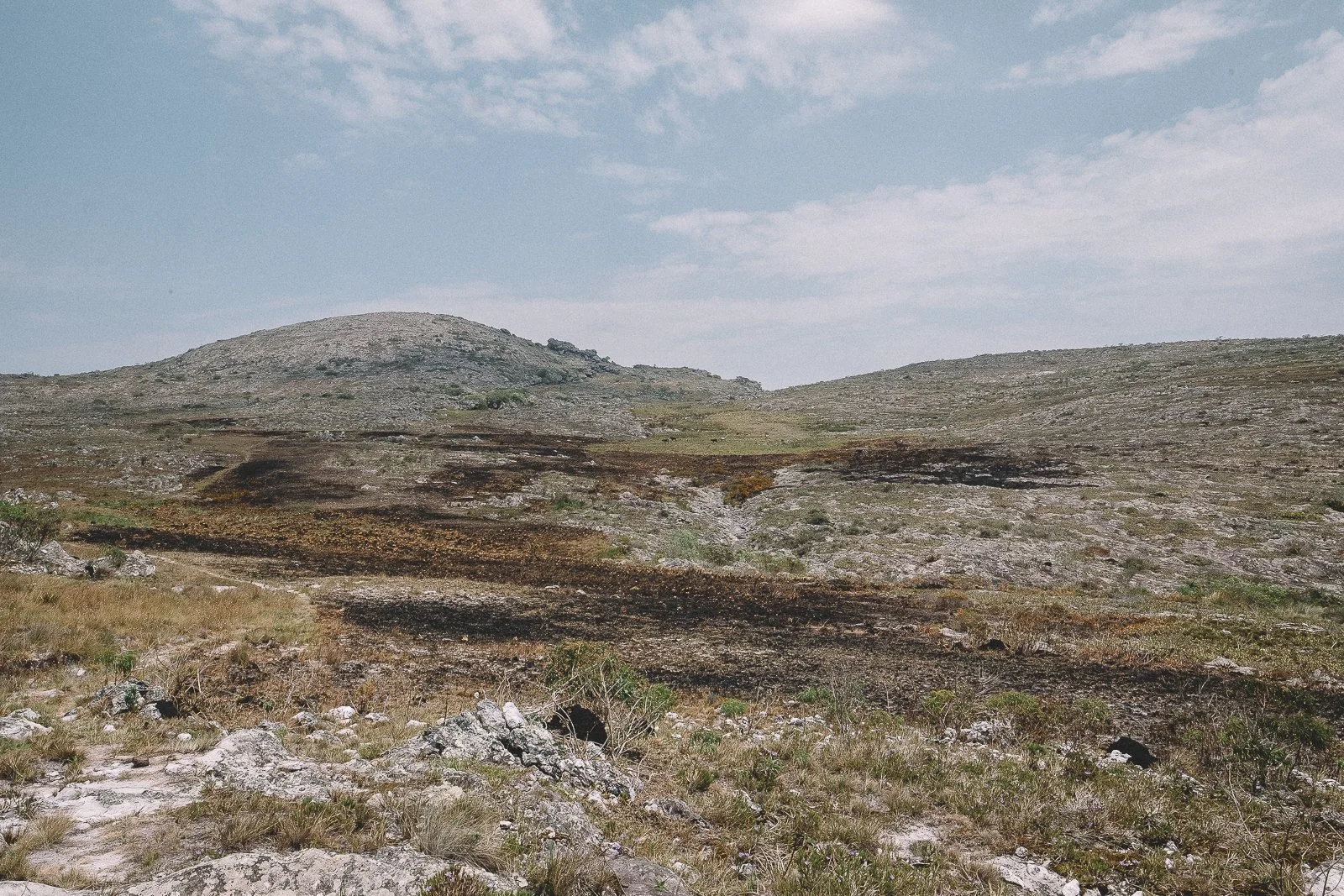
Burn. Vargem da Cobra (September)
Fragility
For all its resilience, the Espinhaço is tragically vulnerable.
Much of the range sits atop quartzite and ironstone—materials that are slow to regenerate once disturbed.
Mining, fire, and land-use changes can and have left marks that take centuries to heal.
The irony is hard to miss: a landscape so rugged and enduring, yet so sensitive.
To move through it is to witness a moment in time. A chapter in its living story.
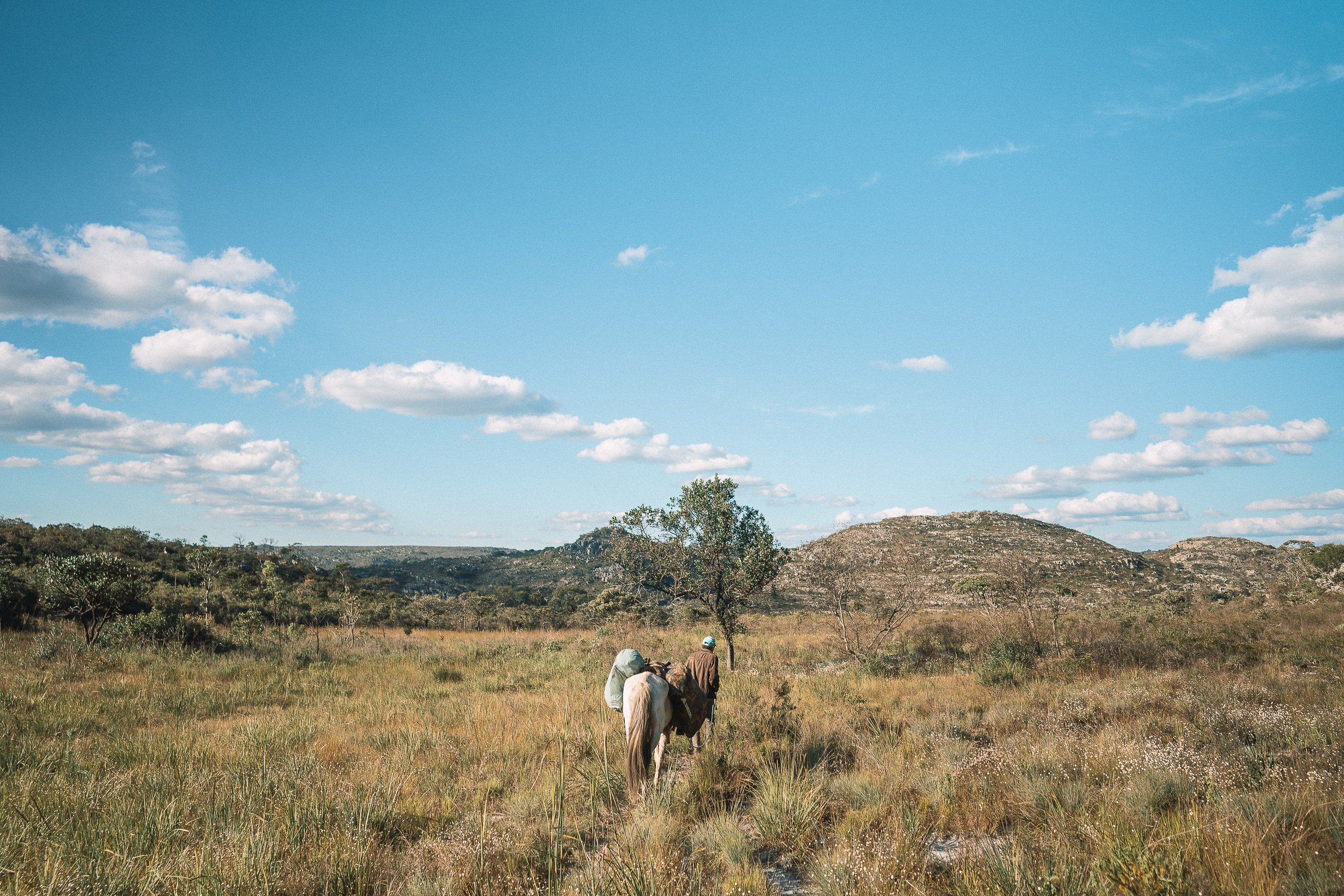
Dorico. Sempre Vivas (July)
If the Espinhaço is calling, we’re happy to talk it through.