

Colonialism & slavery.
Secret gardens & lost trails.
Tropeirismo.
The building of an empire.
And ways of life that still endure.

At a Glance
Across the Espinhaço, into the story of Brazil
-
A 28-day crossing for 2–4 travelers by foot, saddle, 4×4, and river across 495 kilometers of historic trails, conservation units, and working communities.
Diamonds / Wild Tales + Lost Trails is our most expansive crossing: four continuous weeks through the landscapes, communities, and histories that shape the Espinhaço.
The days are long, but full. Four continuous weeks of movement have a way of revealing strengths, weaknesses, friendships, and perspectives alike.
-
City tours. Staged picnics. Curated tastings. Performative culture.
This is not a curated survey of attractions. It is a long traverse through living landscapes, guided by people who call the region home.
We work with the people who live along the route: residents, families, horsemen, fishermen, mechanics, farmers, and others whose lives remain closely tied to the range.
Comfort varies. Conditions change. Plans occasionally evolve.
The story comes first.
-
28 days / 27 nights
-
2 (minimum) to 4 travelers (maximum), guided by Elisa and I alongside a large expedition crew and a rotating cast of collaborators from across the range.
-
High. This is our longest and most logistically layered expedition, built around sustained movement across varied terrain over four continuous weeks.
Trail days, riding stretches, river travel, overland sections, and transitions between modes of movement are woven throughout the route. Individual days vary, but the accumulation is real.
This is not a mountaineering expedition, and you won’t be carrying a heavy expedition pack. Still, you should be prepared for long active days, repeated early starts, uneven terrain, heat, sun exposure, and the practical realities of life on the move.
More than isolated spikes of effort, this expedition asks for stamina, adaptability, and the ability to stay engaged with the crossing over time. Most experienced, well-conditioned travelers do very well here, especially those comfortable with changing environments, simple accommodations, and the rhythms of extended travel.
-
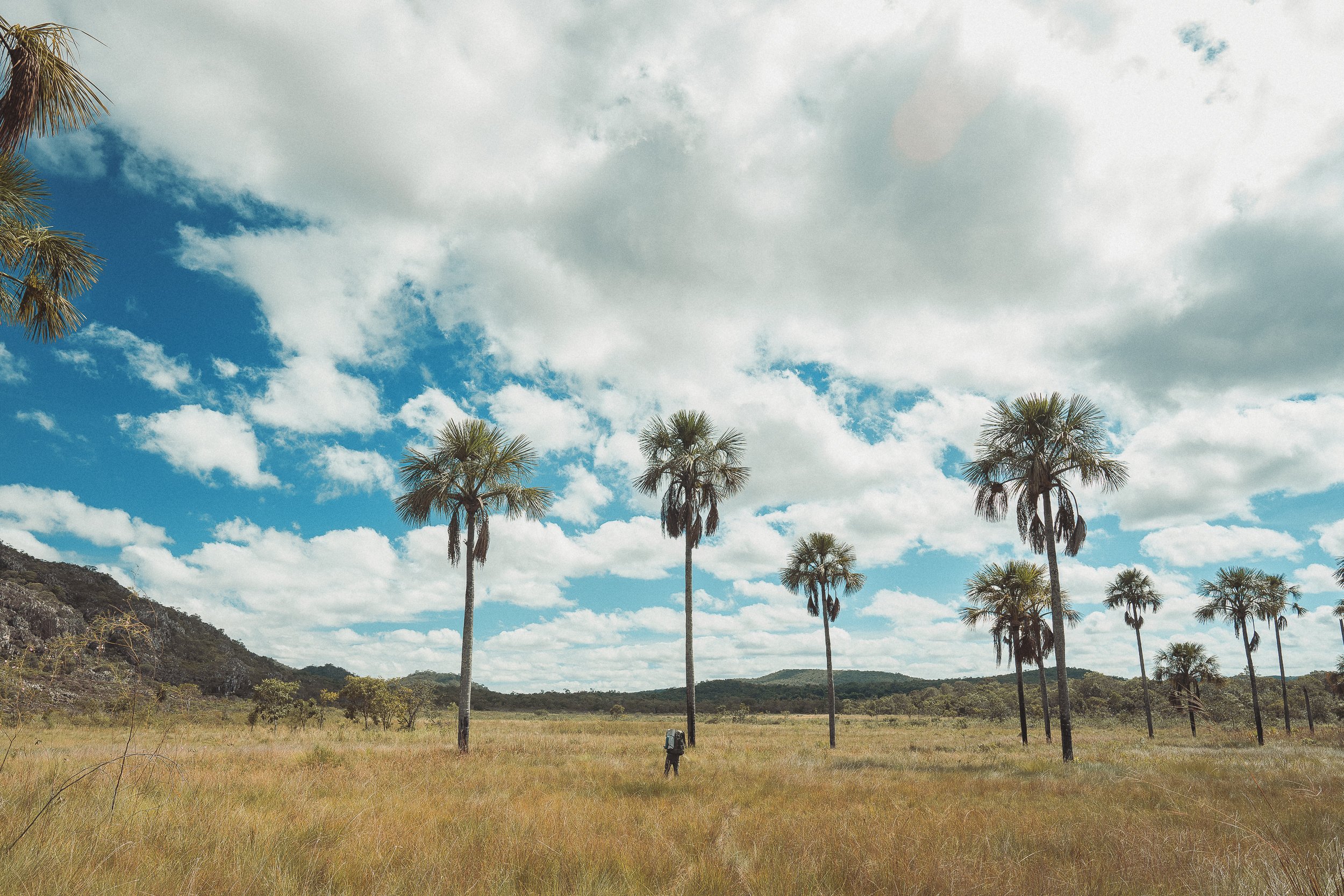
Cerrado (Brazilian savannah)
Mata Atlântica (Atlantic rainforest)This expedition spans the broadest ecological range of the Collection, crossing high savannah, river valleys, and transitional forest as it traces the full arc of the Espinhaço. From windswept campos rupestres in the east to drier western lowlands, the terrain shifts gradually but decisively over the course of four weeks.
-
Aug 9 – Sep 5, 2027
Limited places available
[Hold my place →]
Routes may evolve year to year.
If you’re thinking ahead, we’re happy to talk. -
Travelers who want the unabridged story of Brazil, told through the widest arc of the Espinhaço.
More than any individual day, this expedition is defined by accumulation. The distances, landscapes, conversations, and experiences build upon one another over four continuous weeks. Travelers who thrive here tend to be physically prepared, adaptable, curious, and comfortable settling into the rhythm of a long journey.
You don’t need to be a pro-level trekker or an experienced rider, but this may not be the ideal place to begin if you’ve never spent extended time on the trail.
This expedition isn’t about peak performance. It’s about stamina, openness, and a willingness to stay engaged with the crossing over time—physically, logistically, emotionally, and intellectually.
If this feels like your kind of crossing, we’re happy to talk it through.
Mountains, myth, and motion.
29 chapters from the long crossing →
-
![On the trail near Itambé State Park, Serra do Espinhaço]()
The Mosaic
A vast protected landscape, and the stage for everything to come
The Serra do Espinhaço Meridional harbors a vast patchwork of protected land: nineteen conservation units and buffer zones spanning nearly five million acres of Cerrado and Atlantic Forest.
Collectively they form the Mosaic of the Espinhaço, home to one of the highest concentrations of plant endemism on Earth and one of Brazil’s least-visited protected landscapes.
For travelers drawn to untouched wilderness, unfiltered culture, and the rare pleasure of moving through a place without tourism infrastructure, this is where the story begins.
-
![Viuvinha wildflower on the trail in São Gonçalo do Rio das Pedras, Serra do Espinhaço]()
The Garden
More life than land. More urgency than time.
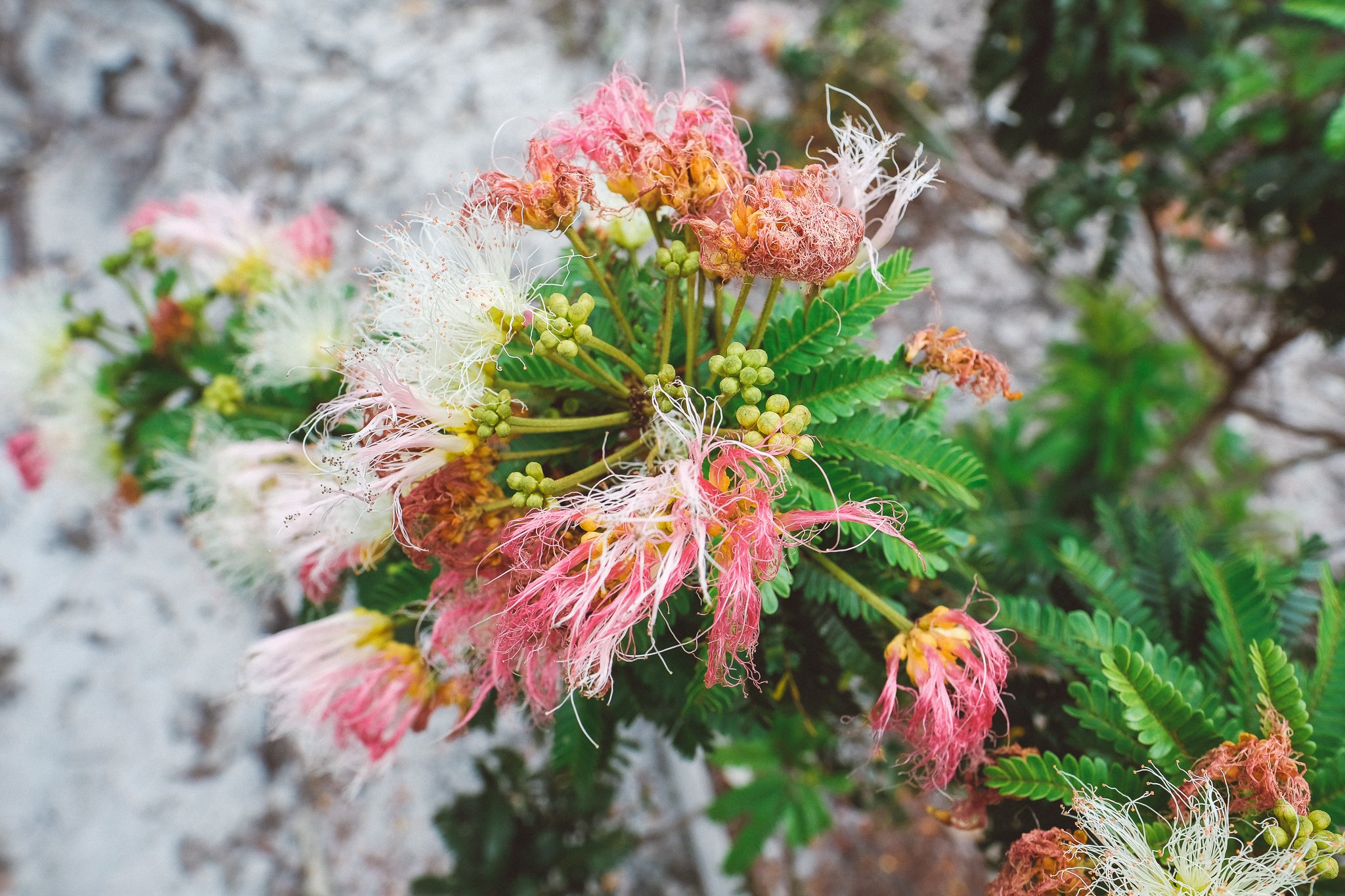
The Espinhaço accounts for less than one percent of Brazil’s territory, yet harbors over seven percent of its species—with more than three thousand found nowhere else.
The ecosystem behind that concentration is the Campos Rupestres: a rocky, flower-strewn expression of the Cerrado so distinct it may eventually be recognized as Brazil’s newest biome.
The range also cradles the westernmost remnants of the Atlantic Forest, making it one of the few places where two critically endangered biomes meet.
It’s a landscape as fragile as it is rugged. Much of the range sits atop quartzite and ironstone, coveted by the mining industry and slow to recover from disturbance.
It’s a privilege to experience it, as it is right now.
-
![Empty tropeiro trail to Capivari from São Gonçalo do Rio das Pedras, Serra do Espinhaço]()
Lost Historic Trails
Three centuries of movement. Three years of rediscovery.
Getting from point A to point B has always been an adventure in the Espinhaço.
The region is threaded with a network of historic paths: colonial stone roads built by enslaved Africans, trade routes carved by mule-driving tropeiros, and smuggler trails later followed by European naturalists.
We’ve spent years exploring these routes, mapping their course, documenting their histories, and stitching together what still remains.
Many of the trails haven’t seen sustained travel in decades. Walking them today feels less like following a path than rediscovering one.
-
![Deco drinking cachaça at his home in Couto Magalhães, Minas Gerais]()
Mineiros
Prosa, carinho, and cafézinho
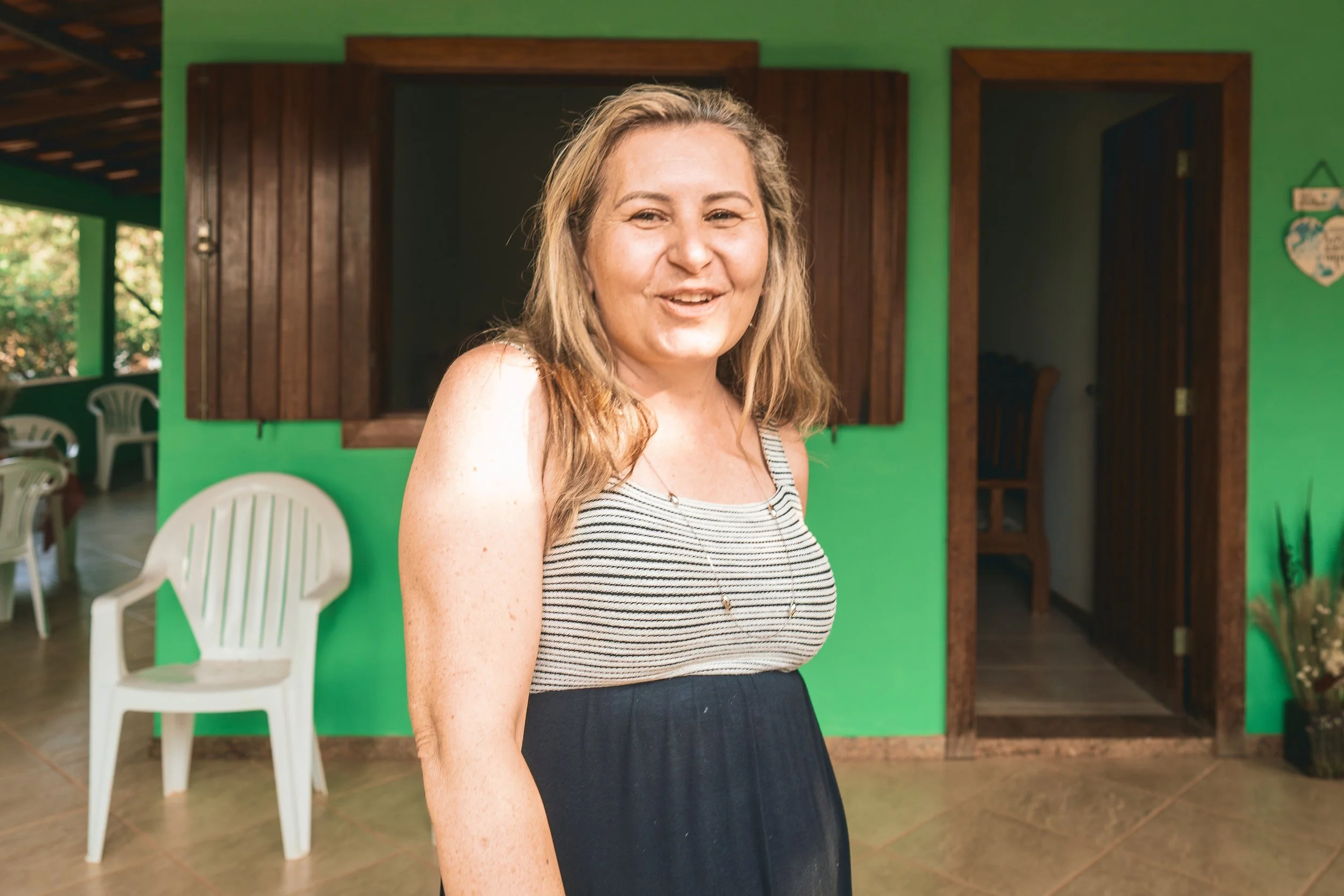
Minas Gerais is Brazil’s heartland, and mineiros (the state’s residents) are its natural hosts.
Easy-going, down-to-earth, famously chatty, and never far from coffee, cachaça, or a long conversation, they set the tone for life here.
The Espinhaço is still little-visited enough that the people you’ll meet here will likely be mineiros: farmers, flower pickers, horsemen, entrepreneurs, homestay hosts, and kids on their way to or from school.
It’s hard to find a more welcoming group anywhere in Brazil.
-
![Typical lunch in Minas Gerais, Brazil]()
Comida Mineira
Calories for the trail. Food for the soul.
Tropeiro. Torresmo. Frango com quiabo.
If you’re unfamiliar with comida mineira, you will be by the end of the expedition—and Brazilians everywhere will be jealous.There’s nothing like arriving to a hot plate of homemade, heartland comfort food at the end of a long day. Throw in a few ice-cold beers and the occasional cachaçinha and you’ll understand why nobody leaves Minas complaining about the food.
Weight-loss goals may suffer.
We consider that part of the experience.Bom apetite.
-
![Cachoeira do Tempo Perdido, Serra do Espinhaço]()
Waterfalls
The Espinhaço’s answer to sun, sea, and sand
Take it from us: attempting to count the waterfalls of the Espinhaço is an exercise in futility.
Just as futile is trying to spend more than a day or two on the trail without bathing in one.
Hundreds of falls spill across the range, feeding the rivers that sustain the interior of Brazil.
We’ll pass dozens of falls during the Expedition, from soothing cola-colored cascades to white-sand masterpieces.
Ice-cold has never felt so good.
-
![Bar scene in Galheiros, Serra do Espinhaço]()
Village Nights
Some of the best stories arrive after dark
The trail eventually ends. The day often doesn't.
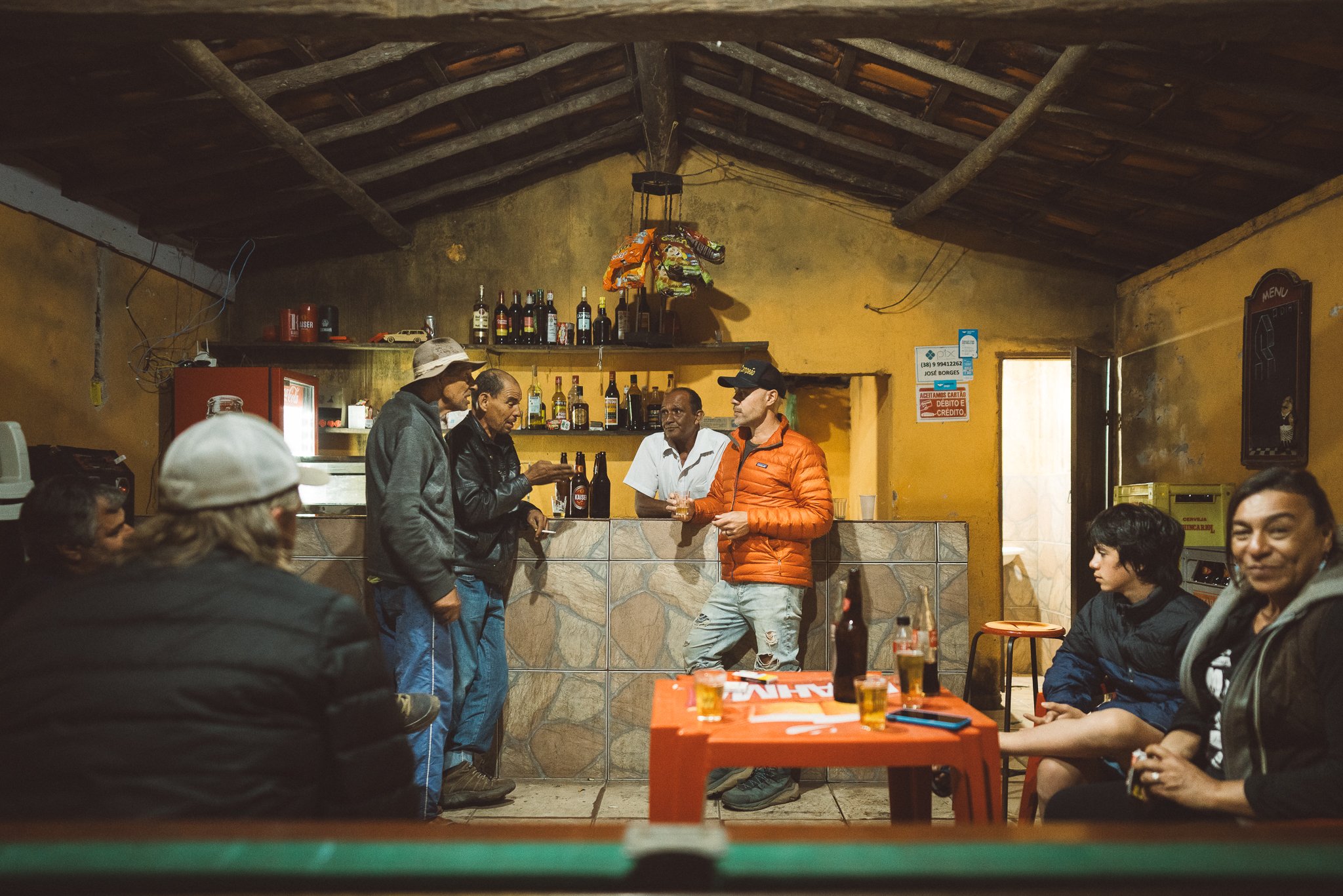
One of the joys of crossing the Espinhaço is getting to explore the rhythms of places that aren't expecting you. A long walk through a small town after dinner. A cold beer or two at a local buteco. A multi-lingual conversation that somehow lasts three hours longer than intended.
Some evenings on the expedition unfold quietly around a family table or beside a wood-fired stove. Others might spill onto a front porch or into a village square.
Inevitably, some of the most memorable moments—and stories—from the expedition happen off-trail, after dark.
We don't necessarily recommend painting the town red every night of a 28-day, 490-km crossing. But we don't not recommend it either.
-
![The Praça do Rosário in São Gonçalo do Rio das Pedras, Minas Gerais]()
Colonial-era Villages
Gems from a bygone era
Curralinho. Capão Maravilha. São Gonçalo. Santo Antônio do Itambé. Inhaí.
If it starts to feel like every trail on the expedition leads to a centuries-old mining village, you're not far off.
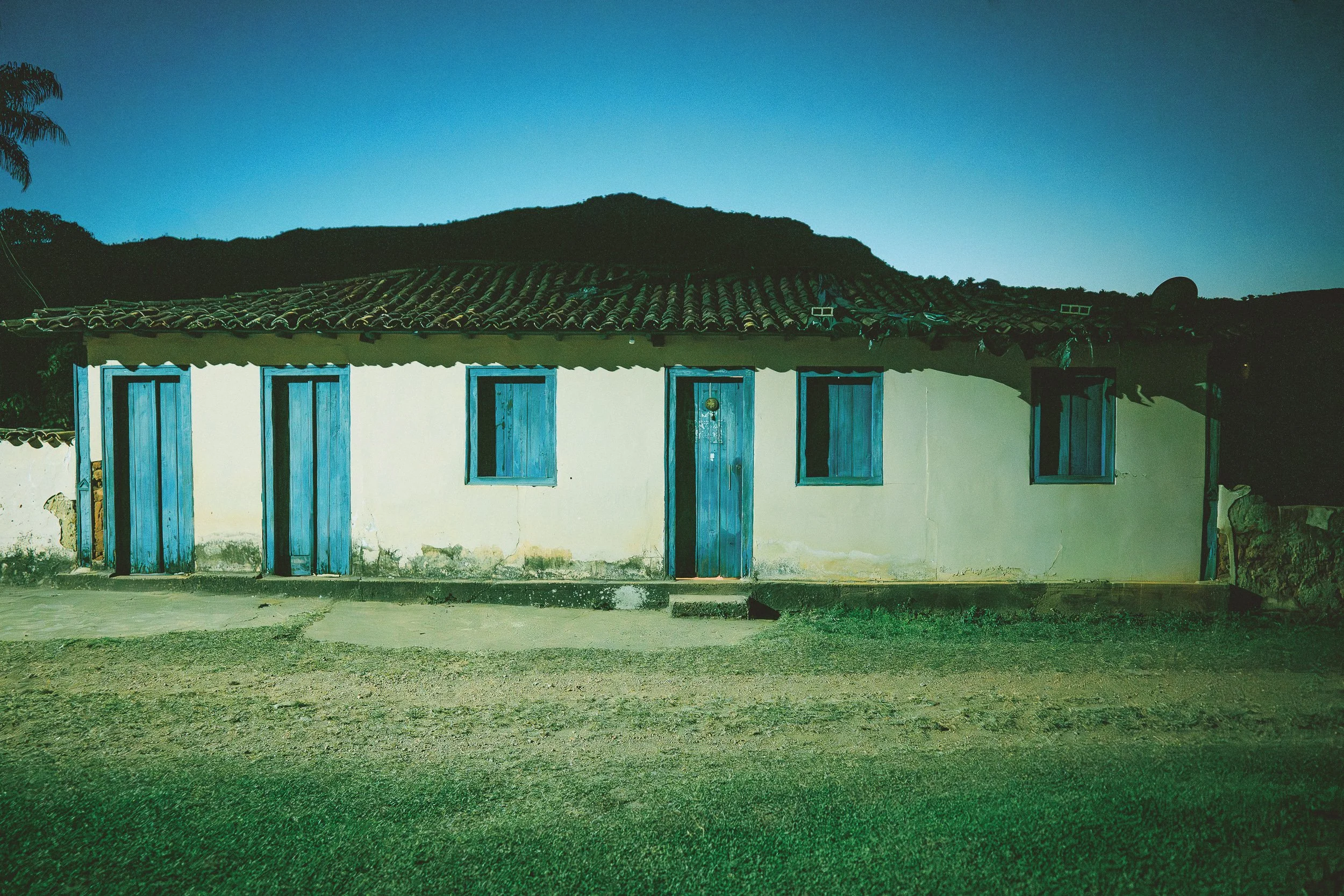
The range is dotted with mountain settlements whose origins trace back to the diamond rush. Cobblestone streets, whitewashed houses, baroque churches, and quiet central squares remain part of everyday life in many of them.
We’ll pass through, sleep in, and return to these communities throughout the crossing, encountering different chapters of the region’s history along the way.
Few places bring you more quickly—or more deeply—into the living story of the range.
-
![Poliana's house in Quartel do Indaiá, Serra do Espinhaço]()
Quilombola Communities
Built in resistance. Rooted in place.
The discovery of diamonds in the Espinhaço reshaped both fortunes in Europe and the lives of countless Africans brought here in chains.
Founded by formerly enslaved Africans and their descendants, quilombola communities remain scattered across the mountains and valleys of the range, often tucked deep in the hills or hidden along little-used roads.
We’ll pass through several quilombola villages during the expedition, overnighting in seven of them (Days 4, 6–7, 11, and 23–25).
We feel incredibly fortunate to be welcomed into these communities.
-
![A flower-picker holds a bouqet of freshly picked sempre-viva flowers in Galheiros, Serra do Espinhaço]()
A Way of Life
The namesake flower of Sempre Vivas National Park is as woven into the identity of the Espinhaço as the diamonds that once sustained it.
The Serra do Espinhaço contains one of the greatest concentrations of sempre-vivas anywhere on Earth, including many species found nowhere else. Their delicate blooms appear across the range, from windswept campos rupestres to the high plateaus where flower-pickers still gather them each season.
Harvesting them has sustained families here for generations, a tradition recognized by UNESCO and the FAO as a Globally Important Agricultural Heritage System.
We leave the flower-picking to those who know it best, but we'll pass plenty along the trail: button-sized blooms, starbursts, and tall stalks crowned with white globes rising above the grass.
Once you start noticing them, you won't unsee them.
On the hardest days, they still have a way of lifting the spirit.
-
![Crossing the Riberão Soberbo in Mata dos Crioulos, Serra do Espinhaço]()
Riding through the Hinterlands
A centuries-old way of moving through the range
If you’ve ever imagined riding through the hills, rivers, and rocky passes of Brazil’s interior, this is the place for it.
Many of the Espinhaço’s longest crossings were carved by hoof long before they were walked. Even today, horseback remains one of the most natural ways to move through the landscape.
Our traverses of the steep and spectacular Mato dos Crioulos (Days 7–8), the high campos of Sempre Vivas (Days 15–16), and the winding Vale do Rio Preto (Days 23–24) can be done either on foot or by saddle, as can the open roads of the Sertão (Days 17–18).
Inexperienced riders are welcome on most stretches. Should you prefer to walk, pack animals can carry the weight.
Either way, you’ll be tracing the same routes once traveled by tropeiros and cattle drivers moving through the highlands centuries ago.
-
![Pico do Itambé, as seen from the Vargem da Cobra, Serra do Espinhaço]()
Pico do Itambé
A mountain. A monument. A milestone.
The region’s undisputed icon, Pico do Itambé (2,052 m), watches over the range like a citadel, living up to its billing as “the roof of the Espinhaço.”
Rising more than a thousand meters above the surrounding peaks, it marks a hard divide between the Jequitinhonha and Doce river basins, and a softer one between the Atlantic Forest and the Cerrado.
You’ll feel every step of our climb on Day 6.
And then we’ll gently remind you that the day is only half done.
-
![Crossing the Jequitinhonha river on foot, Serra do Espinhaço]()
Crossing the Jequitinhonha
A chance to touch time
The peaks and parks may draw the eye, but nothing has shaped this region or its fortunes more than the rivers that run through it.
None more so than the Jequitinhonha.
Solemn and dignified, even after centuries of extraction and neglect, its diamond-rich waters once buoyed a distant empire and helped shape a nation. Today, scarred and overlooked, it sustains more than half a million Brazilians living downstream.
In theory, we’ll cross enough rivers, creeks, and streams during the Expedition to become routine. There’s something about standing on the banks of the Jequitinhonha, then stepping into it, that never does.
-
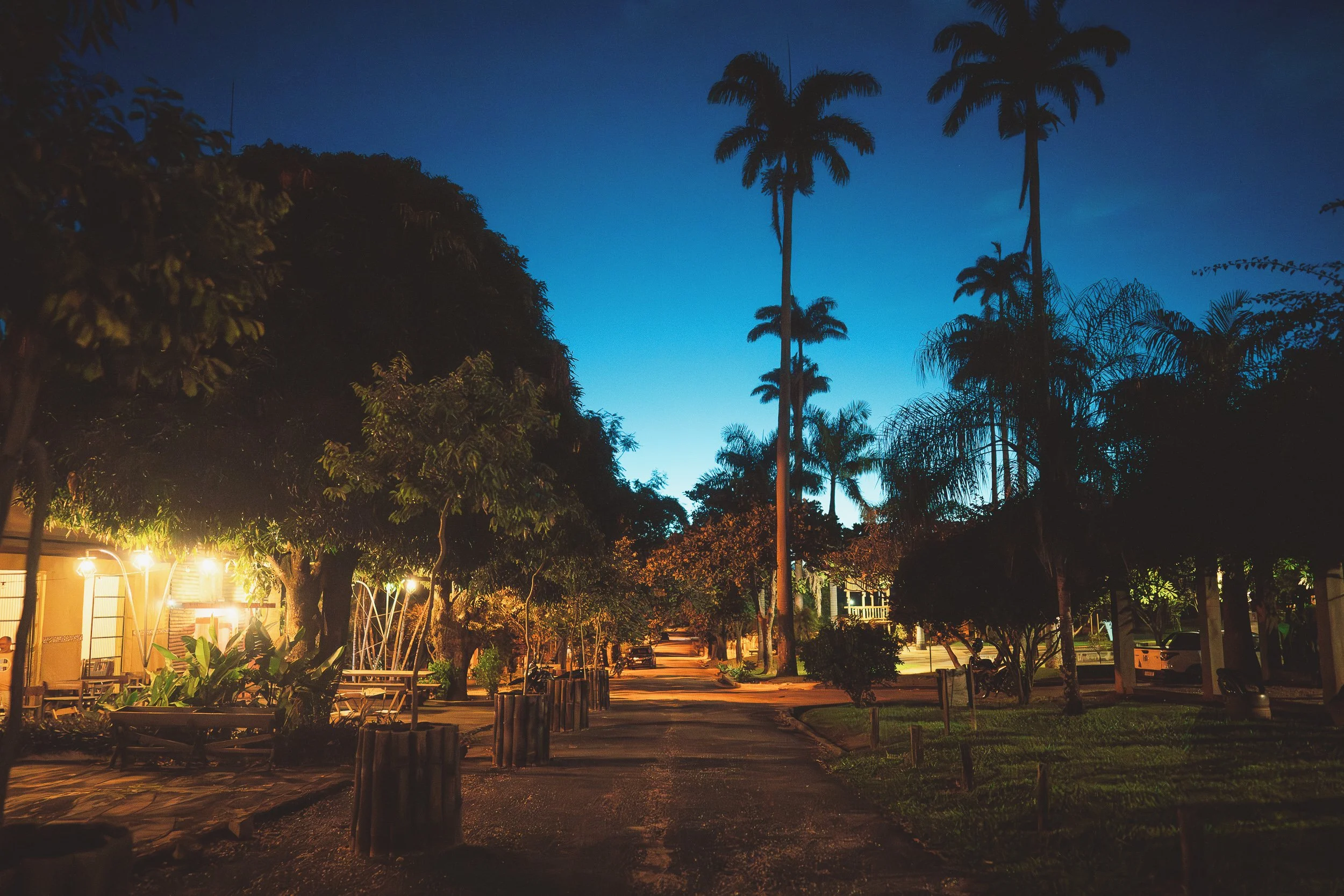
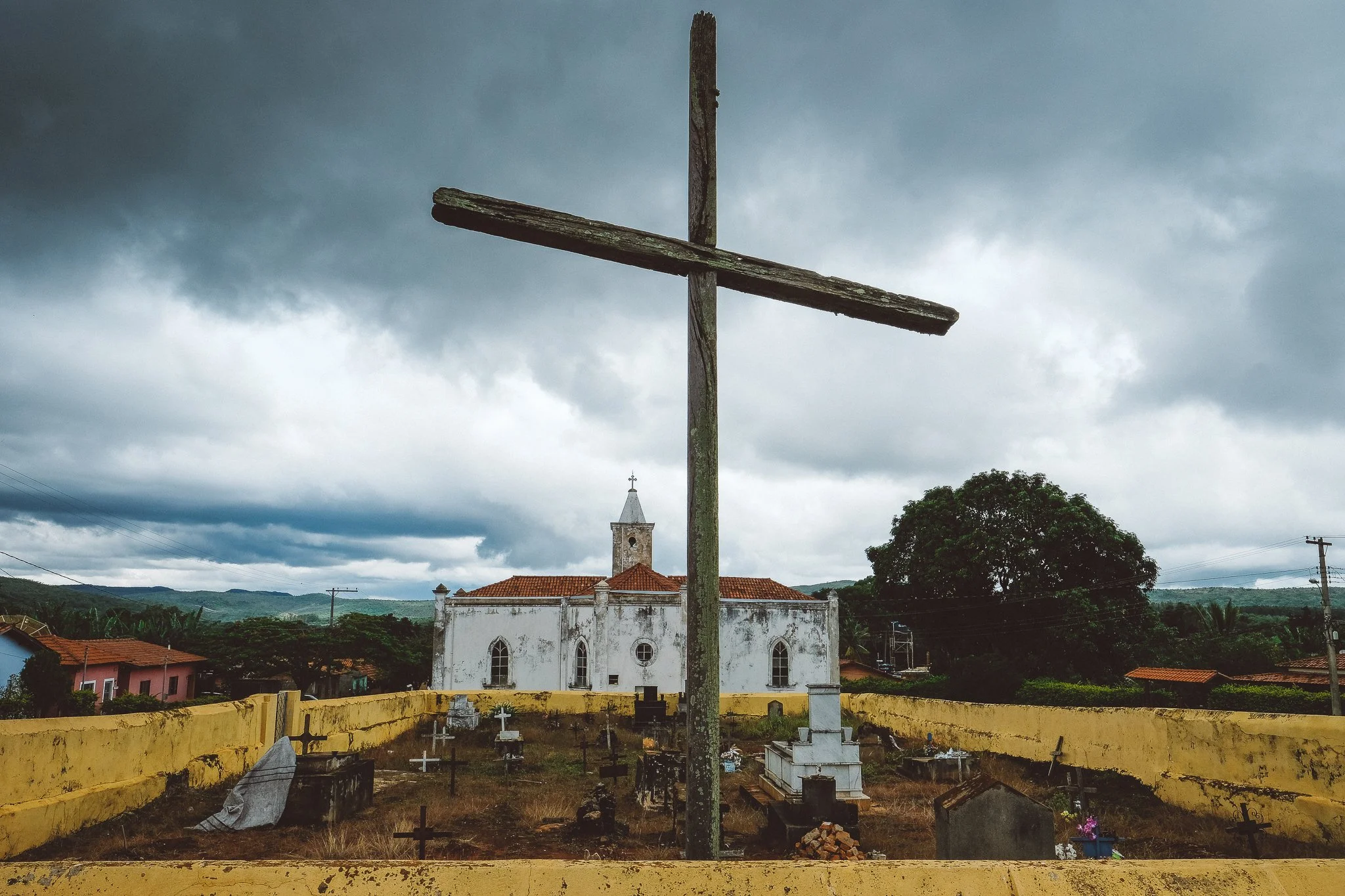
![Street scene at night in Diamantina, Minas Gerais]()
The City of Diamonds
A colonial gem hidden in plain sight
UNESCO World Heritage city. Terminus of the Estrada Real. Former diamond capital of the world.
Diamantina somehow manages to be all of these things at once while remaining largely unvisited, even by Brazilians.
Música Popular Brasileira drifts through stone alleyways, tropeiro fills plates, and the view out the window could pass for something painted two centuries ago.
At times, Diamantina feels strangely untouched for a place of such beauty and history.
There’s no more fitting place to begin—or end—a journey in the range. We’ll have the chance to do just that on Days 1 and 27.
-
![Caminho dos Escravos in Biribiri State Park, Serra do Espinhaço]()
Biribiri
A vila between two worlds
Just outside Diamantina, Biribiri State Park is the Espinhaço’s most visited conservation unit, and one of its strangest contrasts.
The Park protects more than 42,000 acres of Cerrado surrounding a former textile village that shifts constantly between quiet highland outpost and bustling weekend destination, depending on the day and hour you arrive.
Cyclists, weekenders, tour buses from Montes Claros, and Diamantina’s well-dressed gente bonita crowd tend to gather around the waterfalls, roadside bars, and village center, while long stretches of historic trail sit empty just beyond them.
It’s a natural transition back toward the modern world beyond the range. After nearly four weeks on the move, Biribiri (Day 26) feels less like an ending than a gentle reintroduction.
-
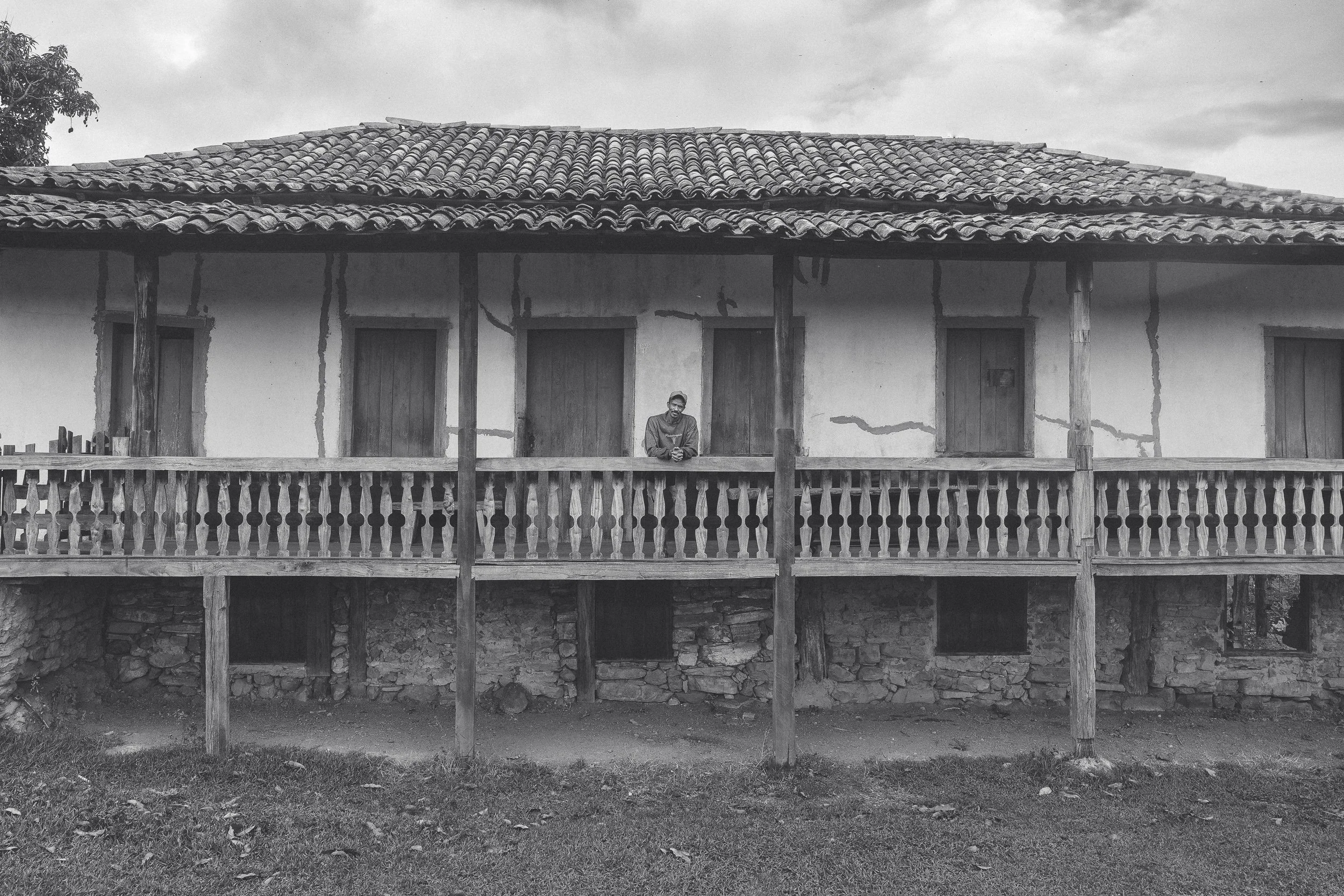
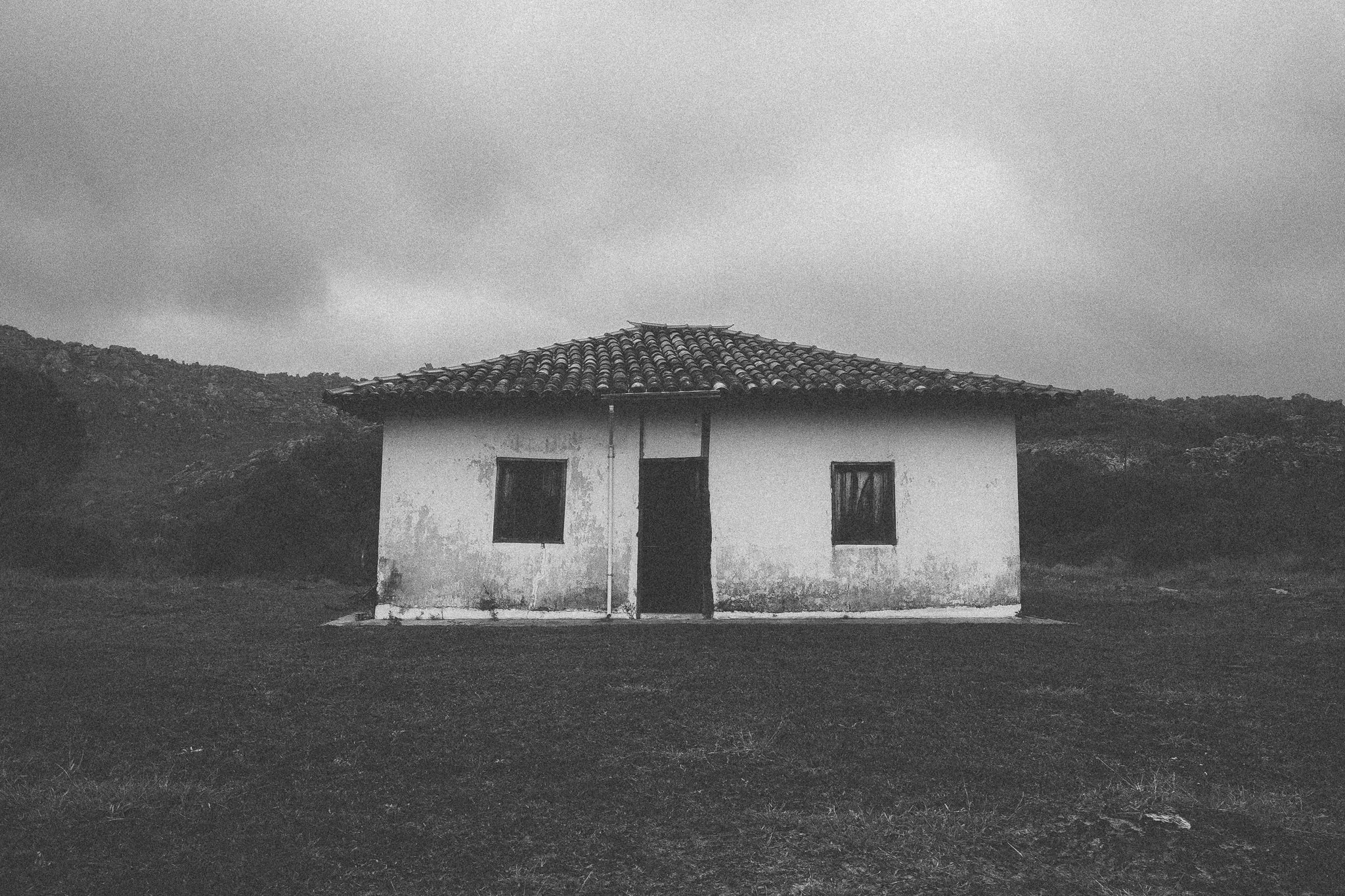
![A black and white photograph of Fazenda Santa Cruz do Gavião in the Serra do Espinhaço]()
Fabled Fazenda Gavião
A place we thought might not exist
Some places arrive in conversation long before they arrive on a map.
Perched high above the Jequitinhonha River amidst rolling cerrado and open sky, Fazenda Santa Cruz do Gavião is one of them.
For years, we heard stories about the ranch without ever managing to reach it ourselves. Once we did, it changed the way we thought about that corner of the range.
The house is simple. Its story is not.
Peaceful, isolated, and surrounded by historic paths, the ranch feels suspended somewhere between the Espinhaço's past and present—the sort of place that invites long conversations by the fire, early mornings, and the occasional reluctance to leave.
We'll spend the evening here with the ranch's caretaker, Sr. Valdir, who knows its history better than anyone, and whose hospitality is as memorable as the landscape surrounding it.
-
![Sunset view from the summit of Pico Dois Irmãos, Rio Preto State Park]()
Golden Hour, Pico Dois Irmãos
A high point. And a turning point.
Twin peaks rise above the windswept fields at the southern edge of the Chapada do Couto, dividing the Black and Araçuaí river basins in the process.
Known for generations as Serra Grande (“Big Mountain”) by the residents of the valley below—who could only see the taller twin—Pico Dois Irmãos (1,825 m) is one of the highest summits in this part of the Espinhaço and one of its most rewarding climbs.
A day-long approach through valleys and highlands leads to a short, steep ascent and a panoramic view that includes both Itambé and the western lowlands.
It marks the high point of one of the expedition’s most exhilarating days (Day 8)—and the journey down into the backcountry still lies ahead.
-
![Overlanding in Sempre Vivas National Park, Brazil]()
Backroading
Part transfer. Part contact sport.
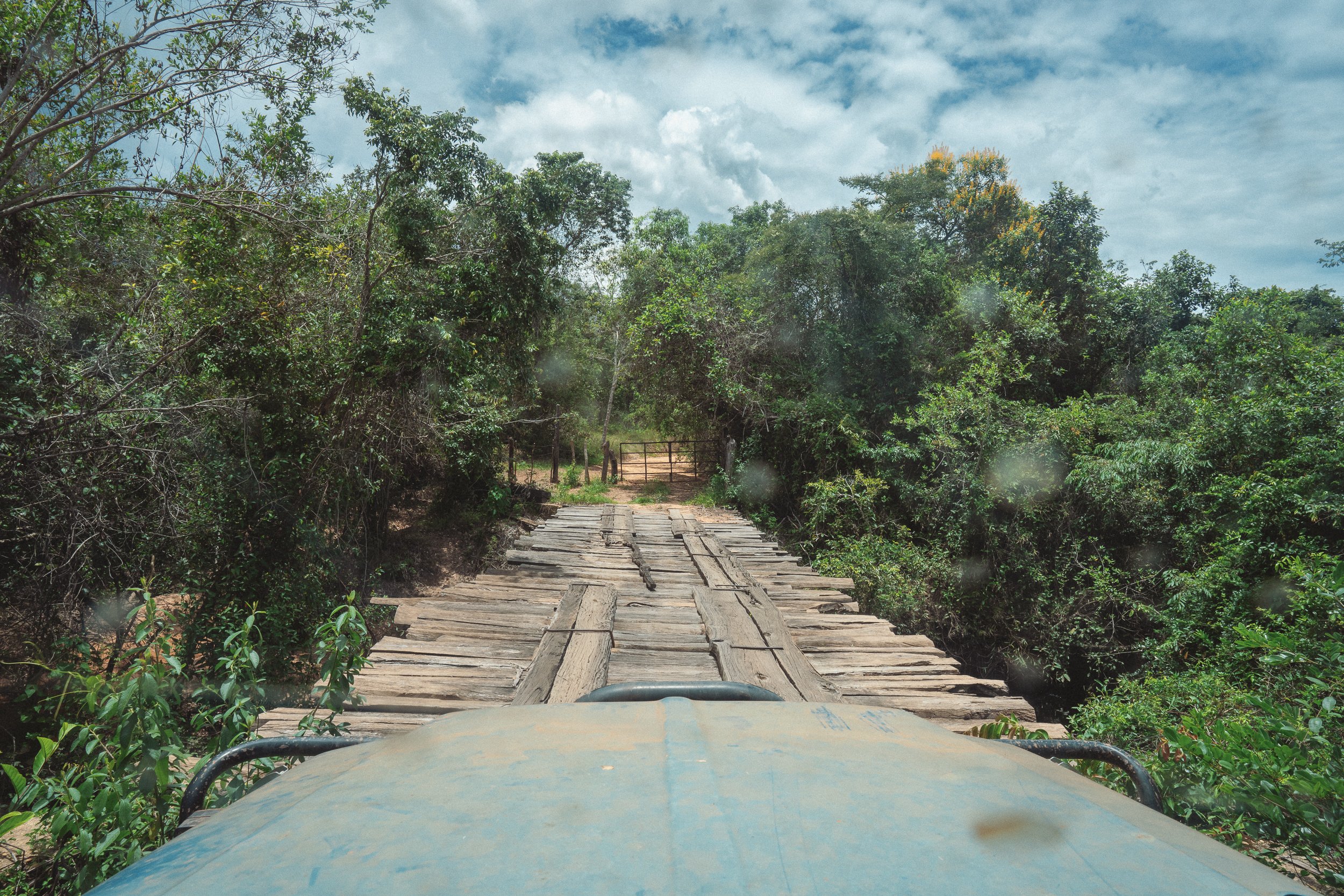
There’s off-roading… and then there are the backroads of the Espinhaço, where dirt tracks intersect with rivers, potholes become craters, and harrowing bridges, devastating lombadas, and the occasional white-sand beach are all part of the daily commute.
On Day 8, we’ll spend part of the crossing navigating the roughest roads in Sempre Vivas National Park on our way toward the western escarpment. The Park may be a national treasure. Its road network? More debatable.
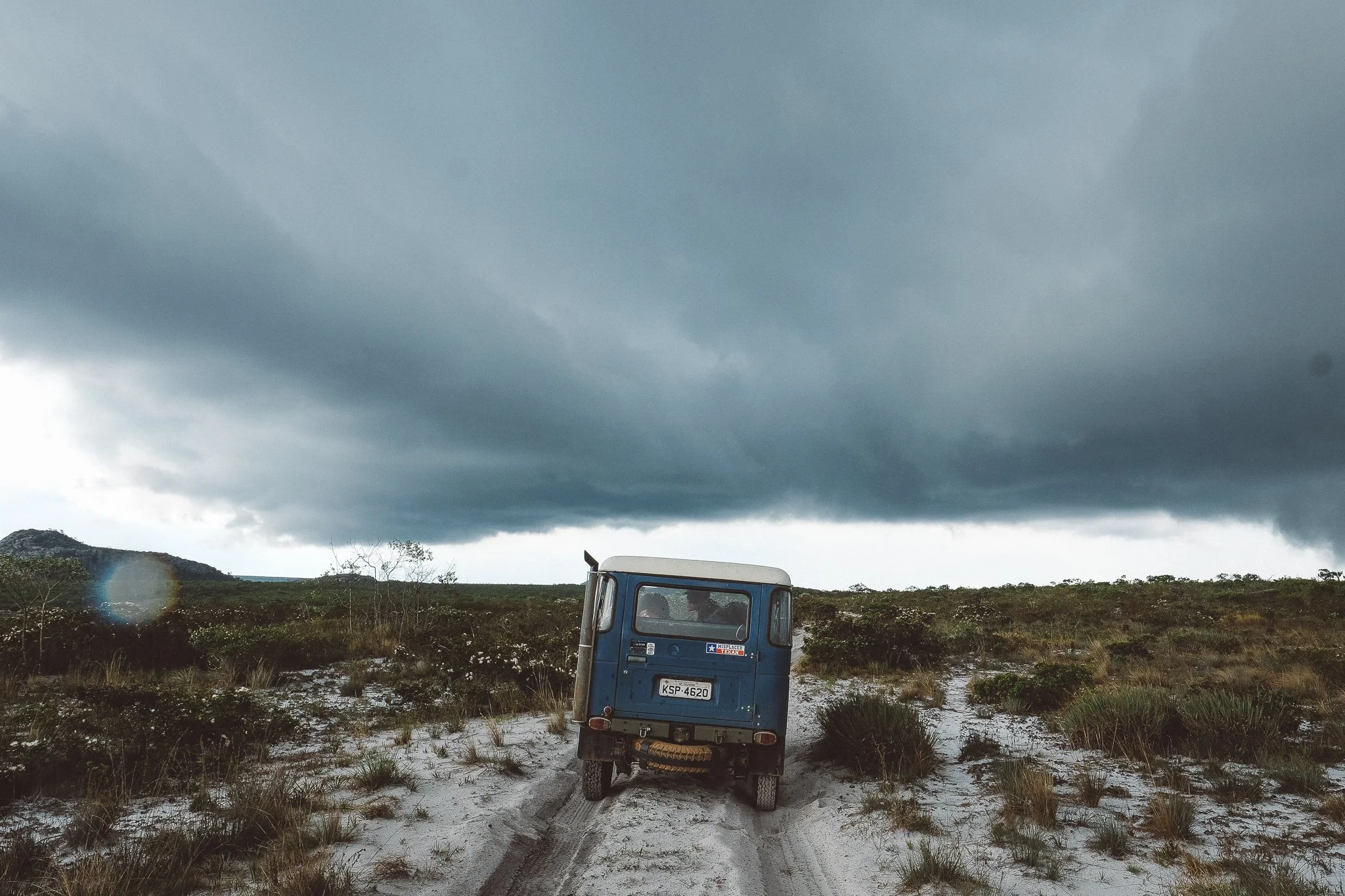
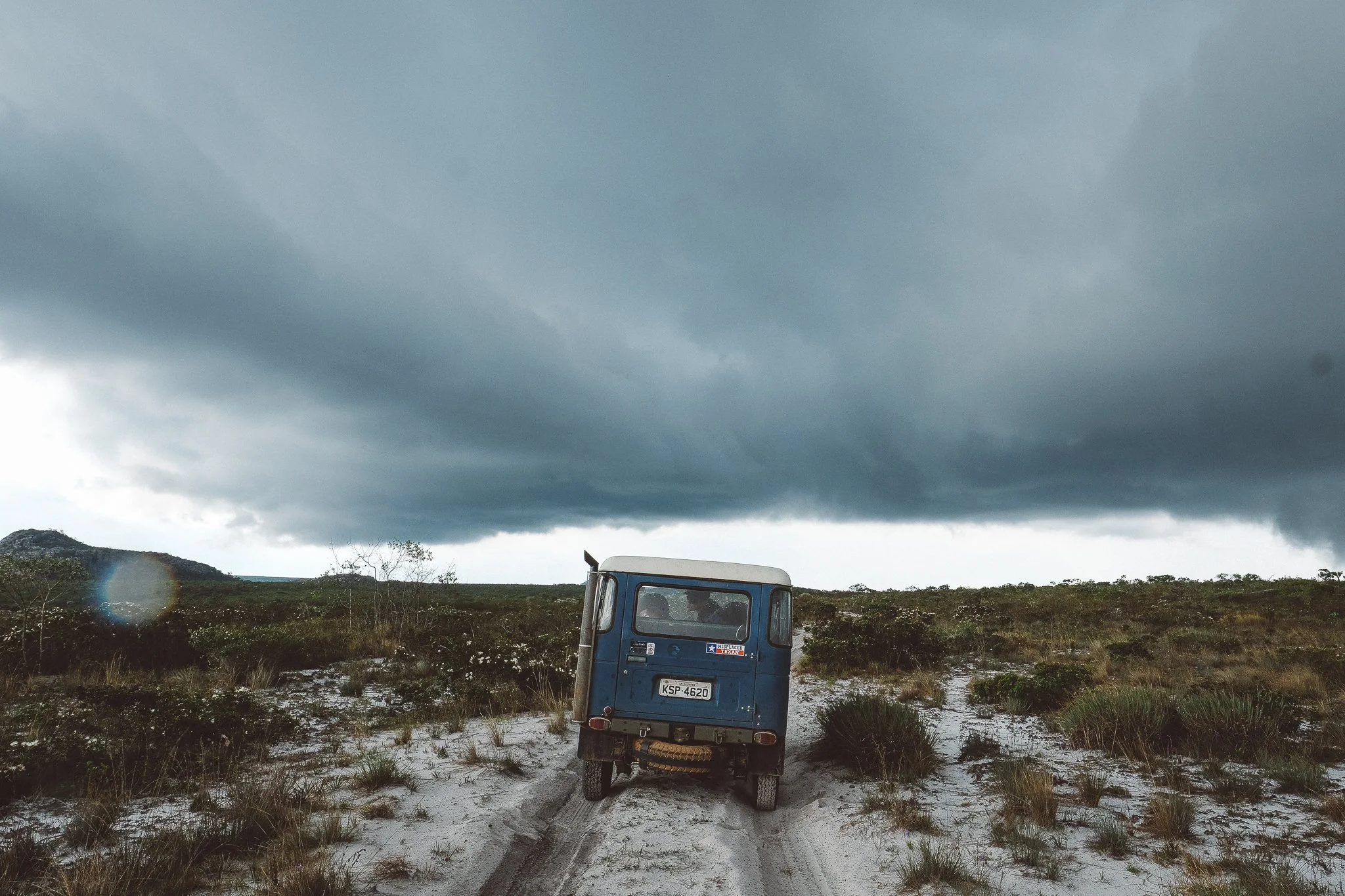
Our vehicle of choice is the legendary Toyota Bandeirante, a diesel-built Brazilian cousin of the Land Cruiser J40 series produced from 1962 to 2001.
Mud, delays, improvised teamwork, and the occasional hard-earned breakthrough are all part of the experience. We recommend relaxing and enjoying the ride.
-
![Canoeing on the Inhacica Grande river, Sempre Vivas National Park]()
Paddling the Inhacicão
White sand, wild country, and the long way in
So much of Sempre Vivas is about movement through silence and distance. Fittingly, even the way in feels like part of the crossing.
Our route begins on Day 12, with rough backroads, followed by a hike through burití-laced wetlands and finally a half-day canoe journey up the Inhacica Grande River, one of the Jequitinhonha’s most pristine tributaries.
White sand banks, still water, overhanging palms, and long stretches without signs of settlement make this one of the quietest corners of the range, though the wilderness ahead grows wilder still.
Tonight, we sleep beneath the stars beside the river before beginning our crossing of Sempre Vivas the following morning.
-
![Júlio on the trail in Sempre Vivas National Park, Brazil]()
Exploring Sempre Vivas
Half bushwhack. Half fever-dream.
There’s a saying in the Espinhaço that all stones look like diamonds, but diamonds don’t resemble any other stone. The same might be said of Sempre Vivas National Park, a vast stretch of protected high savannah unlike anywhere else in the range.
Larger than Los Angeles and home to only a handful of full-time residents, Sempre Vivas remains one of the least-visited and least-developed protected landscapes in Brazil.
We’ll spend six long days (Days 12–16 and 23) trekking, riding, paddling, and occasionally bushwhacking our way across the Park, from the lush wetlands in the east to the windswept high campos of the west, sleeping in wilderness campsites, flower-picker shelters, and isolated ranch houses along the way.
The realities of the trail here are straightforward: sharp grass, little shade, saturated ground, long distances, river crossings, and the occasional snake in the brush.
The rewards are harder to explain. Silence. Vast night skies. The feeling that you’ve suddenly become part of the landscape. A sense that you may have been the first traveler to have touched that piece of ground.
Nowhere else in the Espinhaço feels quite like Sempre Vivas.
-
![Levi's old home in Taquaral, Sempre Vivas National Park]()
Taquaral
The untamed heart of Sempre Vivas
Few places embody the wild character of Sempre Vivas quite like Taquaral.
While much of the Park bears traces of mining, flower-picking, ranching, or other forms of human use, Taquaral largely resisted them all. Dense vegetation, rocky terrain, and extreme isolation kept this corner of the high savannah difficult to reach, difficult to work, and difficult to tame.
Today, it remains one of the least visited and least altered landscapes in the region.
We’ll spend a night (Day 13) somewhere within it—perhaps beside a waterfall, perhaps near the old ranch compound that once served as the area’s lone outpost. The exact location matters less than the feeling.
In Taquaral, the modern world feels very far away.
-
![Sunrise over a white sand beach along the Inhacica Grande river in Sempre Vivas National Park, Brazil]()
Backcountry Nights
Between villages and the stars
Pousadas and homestays connect us to the culture of the range, but sometimes the landscape itself becomes home for the night.
During longer wilderness stretches, we pitch tents beside rivers, in high savannah clearings, and near old routes that have sheltered travelers for generations.
We cook simply, share drinks by the fire, dry our boots nearby, and watch the light leave the mountains.
We’ll make camp six times (Days 12–15, 19 and 22) during our expedition, and spend another night in one of the range’s most iconic backcountry refuges (Day 8).
-
![Cachoeira de Santa Rita, Serra do Espinhaço]()
Her Majesty, Santa Rita
A grand entrance to the western wilds
Pristine, majestic, and appropriately difficult to reach, Santa Rita Waterfall marks our arrival into the western reaches of the Espinhaço.
Hidden beyond rough roads and the absence of anything resembling a proper trail, the falls remained largely unknown outside the surrounding communities until recently.
The reward for getting there: a vast cascade plunging into a deep canyon framed by steep quartzite walls and some of the wildest scenery anywhere in the range.
Reaching the pool (on Day 21) requires a pair of short, optional climbs.
It’s worth it.
-
![A lone home at the end of a long dirt road in Santa Rita, Serra do Espinhaço]()
Far-flung Santa Rita
A town at the edge of everything
Tiny Santa Rita sits high above the western lowlands between the last mountains of the Espinhaço and the sertão beyond.
The settlement is little more than a cluster of homes, corrals, weathered fences, and a deeply likable cast of hard-drinking cattlefolk who seem perfectly content to remain at the edge of the map.
There’s not much here in the conventional sense. A breeze rolling across the pastures. Horses grazing in the distance. Cold beer. Loud music. Simple meals that have a way of transforming into parties.
And yet, somehow, the place lingers in the mind.
Maybe it’s the beginning of the Sertão. Maybe it’s the last stand of the Espinhaço. Maybe it’s both.
We’ll spend the night here on Day 21 before descending into the valley just beyond.
-
![The main praça at the Vila de Santa Bárbara, Serra do Espinhaço]()
Trés Chic Santa Bárbara
The Sertão’s idea of a good time
A dusty oasis of waterfalls, hot springs, swimming pools, and cold beer, the Vila de Santa Bárbara occupies a strange and highly enjoyable corner of the western Espinhaço.
The former textile village somehow manages to function simultaneously as ranching outpost, weekend retreat, resort town, and roadside gathering place for travelers crossing the lowlands below the range.
The place can feel a little improvised at times: resort chalets built from former worker homes, gastropubs tucked into falling ruins, and an atmosphere that shifts constantly between rustic, relaxed, and unexpectedly chic.
We’ll spend two nights here (Days 17 and 18), including one of the expedition's rare Rest Days. There’s a lot to take in, and Santa Bárbara seems determined to offer all of it.
-
![Cachoeira do Telêsforo, Serra do Espinhaço]()
Telêsforo
Paradise, in negotiation
Of all the waterfalls in the Espinhaço, few exert the strange pull of Telêsforo.
Hidden within a broad valley of white-sand beaches, wetlands, and copper-tinged water, it has long felt less like a waterfall than a gathering place—for swimmers, ranchers, overlanders, road-trippers, and anyone else willing to make the long drive into the western reaches of the range.
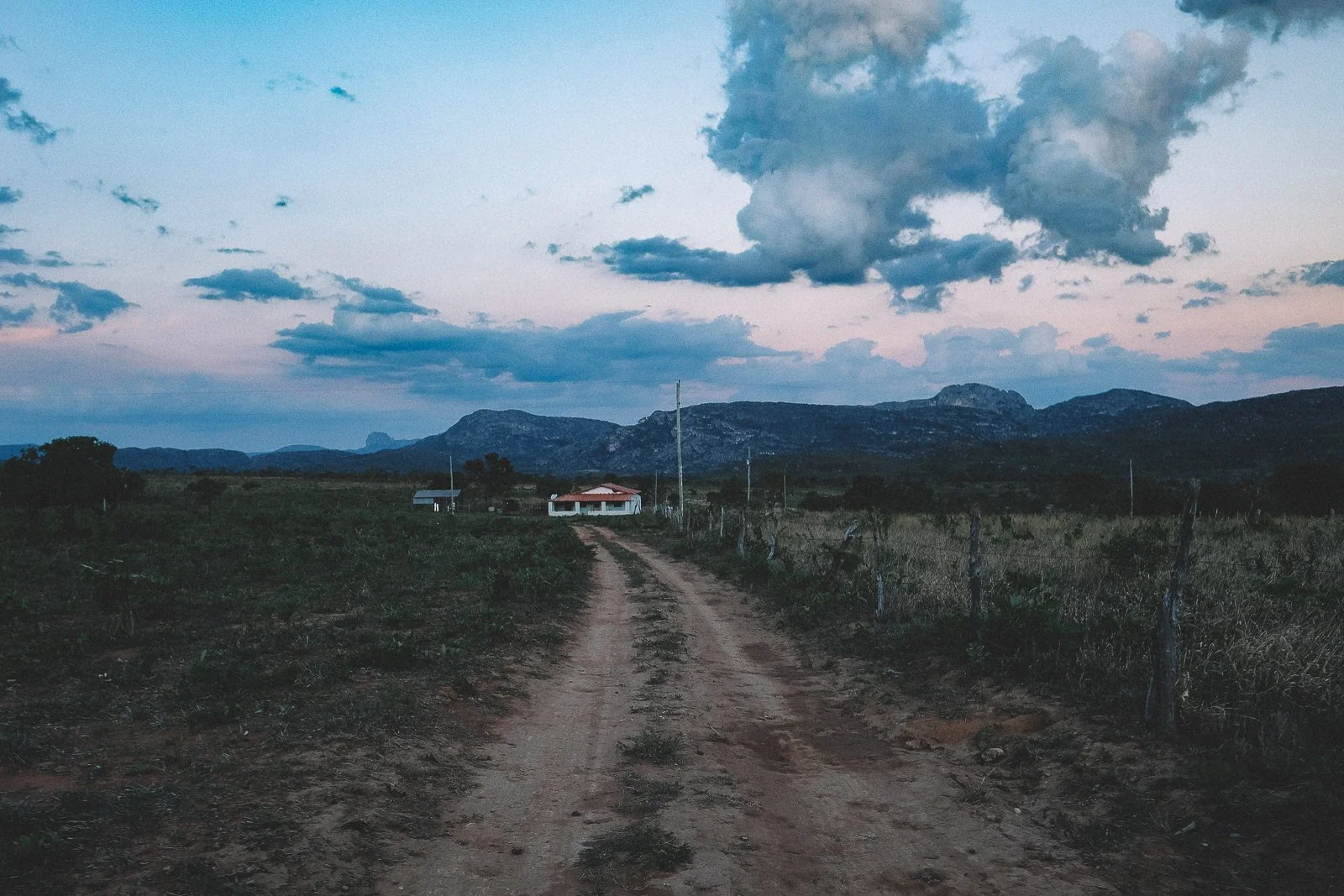
That popularity has changed the place. On busy weekends, the valley fills with churrasco smoke, coolers of beer, competing car speakers, and the occasional convoy of dusty 4×4s. Depending on your perspective, it’s either the Espinhaço’s version of Copacabana or a cautionary tale in real time.
Maybe it’s both.
We’ll have a night on its white-sand banks (Day 19) to think it over. If our timing is right, we’ll have the falls all to ourselves. Bring a towel, a cervejinha, and an open mind.
-
![A woman riding a horse on the street of Curimataí, Minas Gerais]()
Curimataí, heartbreaker
Peace, porch swings, and one difficult goodbye
Tucked tightly against the western edge of the Espinhaço, Curimataí sits between winding riverbends, waterfalls, and the green lowlands below the range.
There’s not much here in the conventional sense, but after five days in Sempre Vivas, the village arrives at exactly the right moment, with shaded porches, cold drinks, generous meals, soft pillows, and the peace and quiet of life along the river.
We’ll have just an evening (Day 16) and a morning in Curimataí to soak it all in before turning south again toward hot springs, rough roads, and the highlands beyond.
One night here never quite feels like enough.
-
![Cachoeira das Fadas, Conselheiro Mata]()
Mystical Conselheiro Mata
Our idea of a pit stop
Dusty, rough around the edges, and difficult to summarize cleanly, Conselheiro Mata sits somewhere between former railway town, forgotten mining outpost, rural village, and low-key countercultural enclave.
The place attracts an unusual mix of residents and passers-through: farmers, miners, mystics, eco-activists, wandering artists, and bikini-clad weekenders from Diamantina.
Like the landscape surrounding it, Conselheiro’s identity feels layered and constantly shifting. Is this a mining town? A mystic town? The beginning of cattle country? Or something else entirely?
We’ll spend the night here on Day 20, giving us a little more time than most travelers to sit with the question.
Just outside town lies one of the region's most improbably beautiful waterfalls.
-
![The festivities at a Vesperata in Diamantina, Minas Gerais]()
A Night for the Ages
To life in the Espinhaço
From diamonds and stately architecture to former presidents and legendary Carnaval celebrations, Diamantina has no shortage of claims to fame.
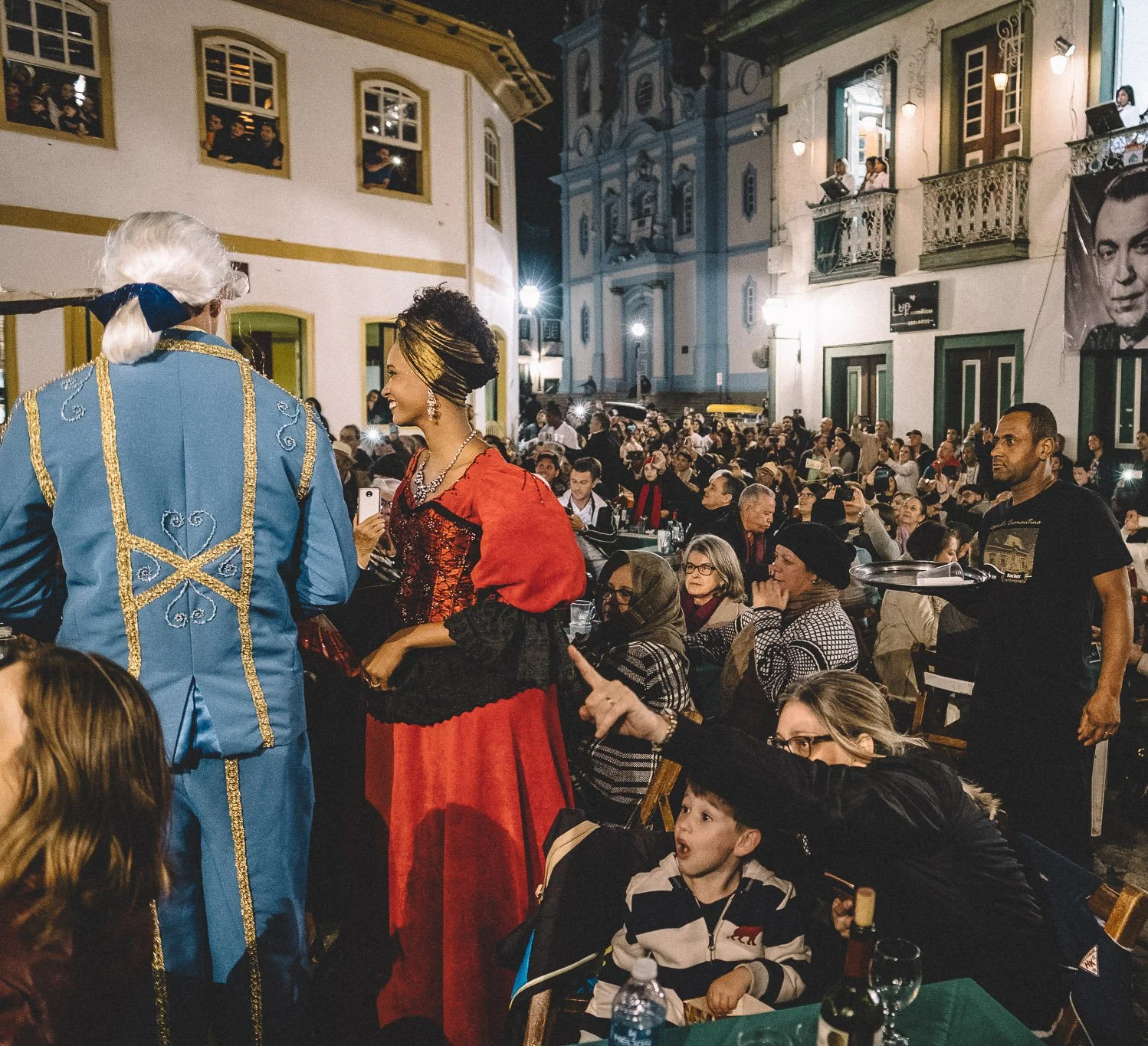
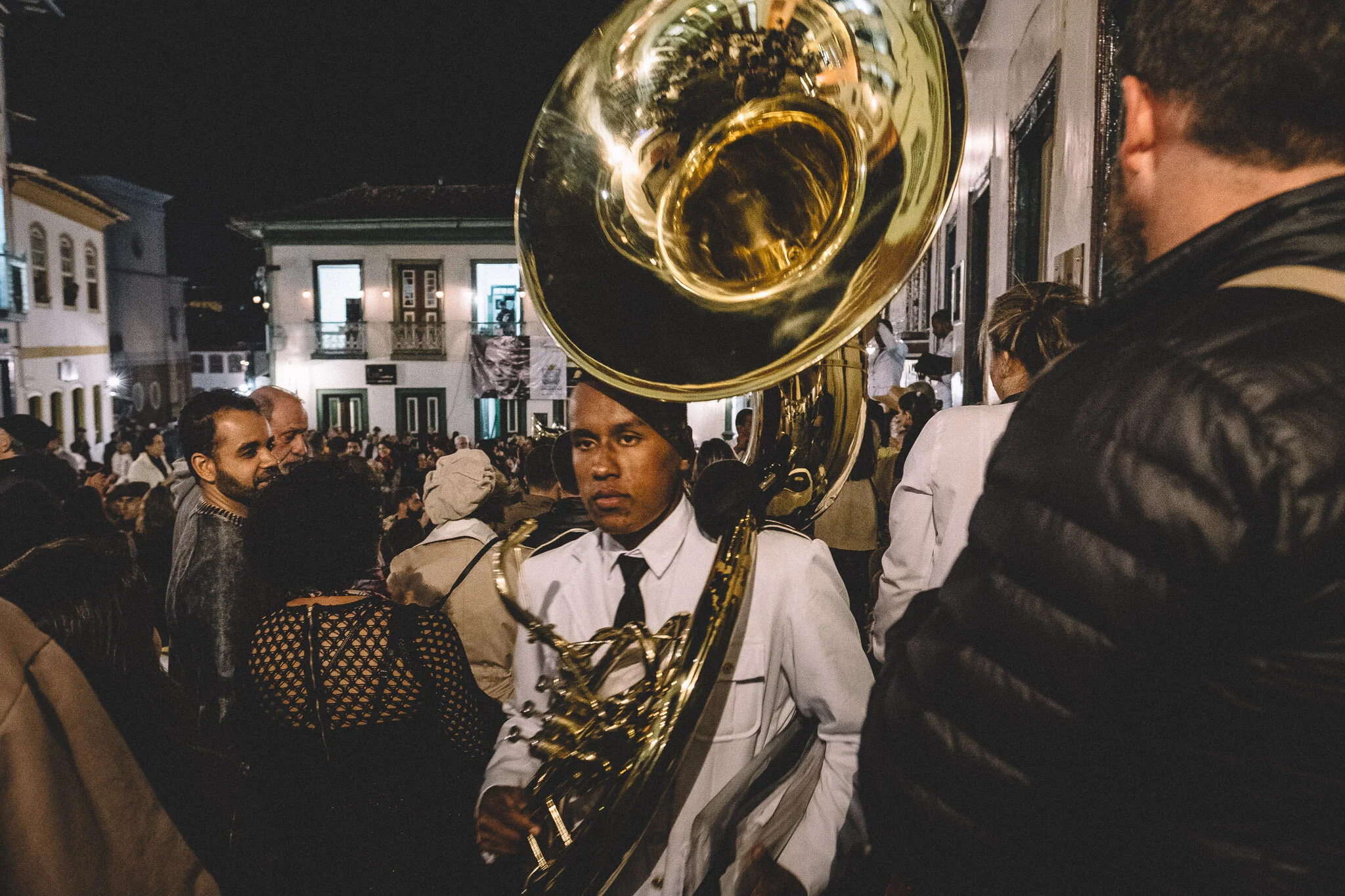
It’s a bit ironic—and perhaps endearing—then, that one of its most beloved traditions is also one of its simplest: the Vesperata, a festive nighttime concert where musicians perform from balconies and windows while the audience gathers in the cobblestone streets below.
We’ll have the privilege of attending a Vesperata on the evening of Day 27. Expect a joyful mix of samba, bossa nova, Música Popular Brasileira (MPB), Beatles covers, and the occasional sing-along wedding-rock tune.
There may be more polished orchestras elsewhere. But there isn’t a place on earth where we’d rather celebrate the final night of the expedition together.







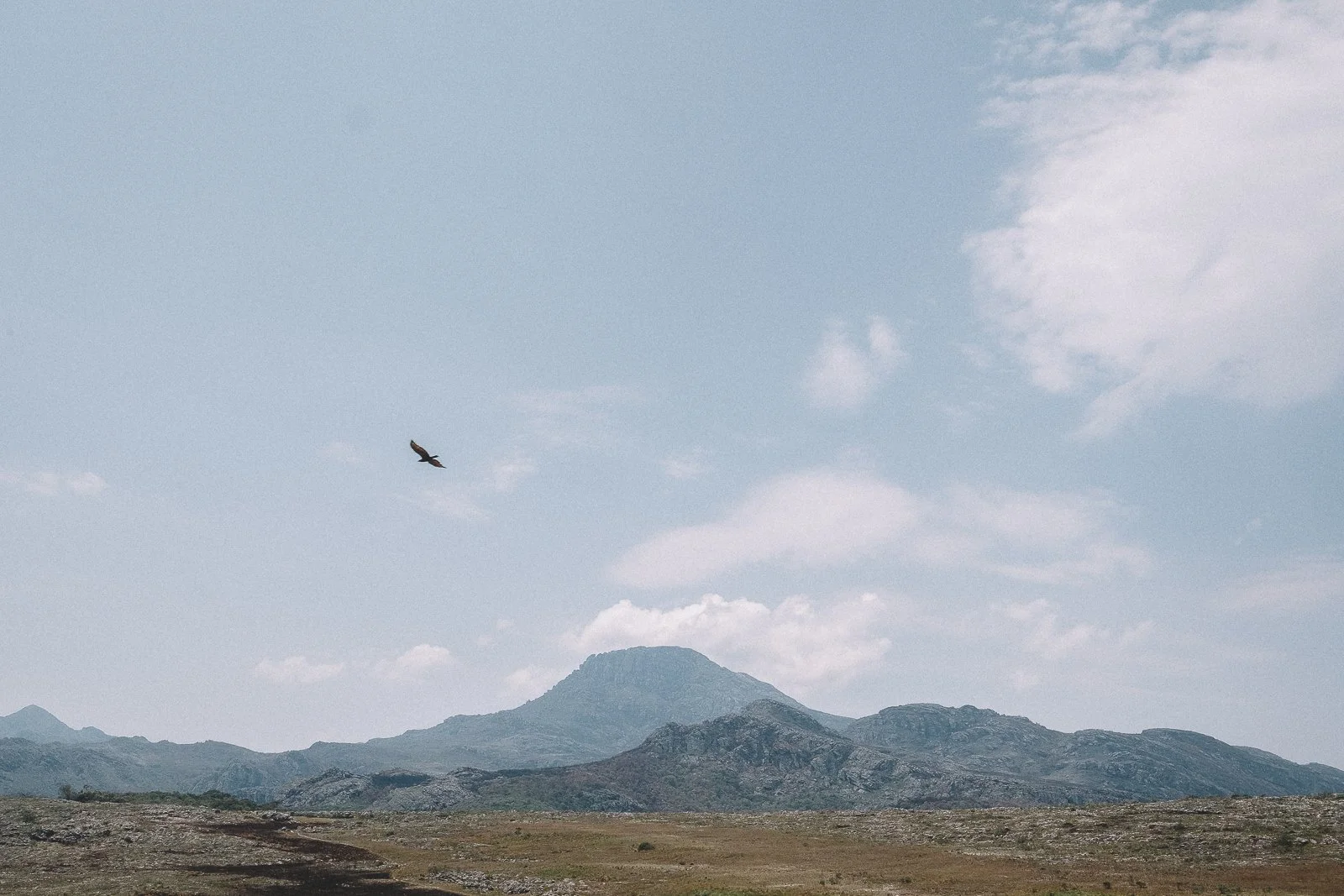
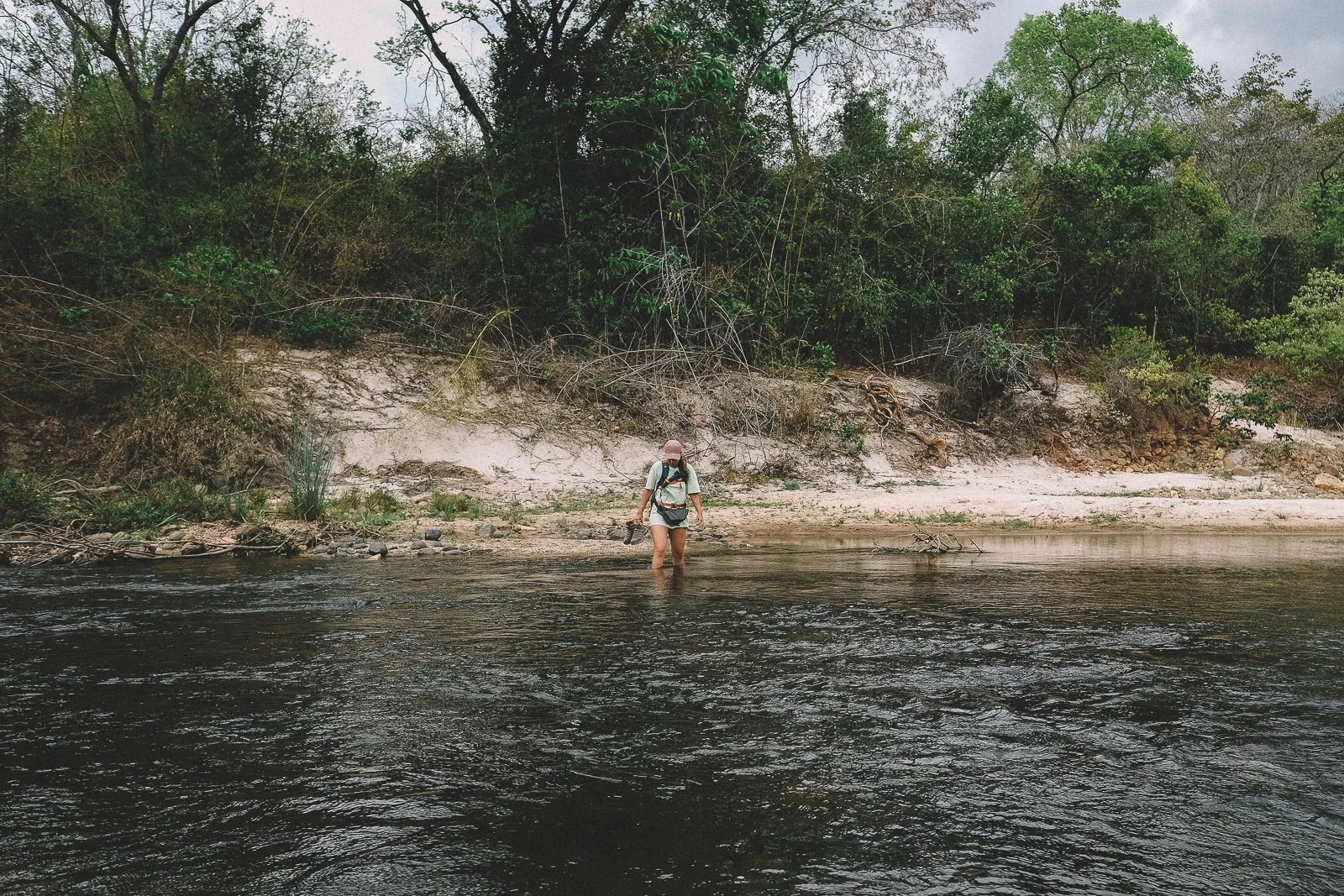

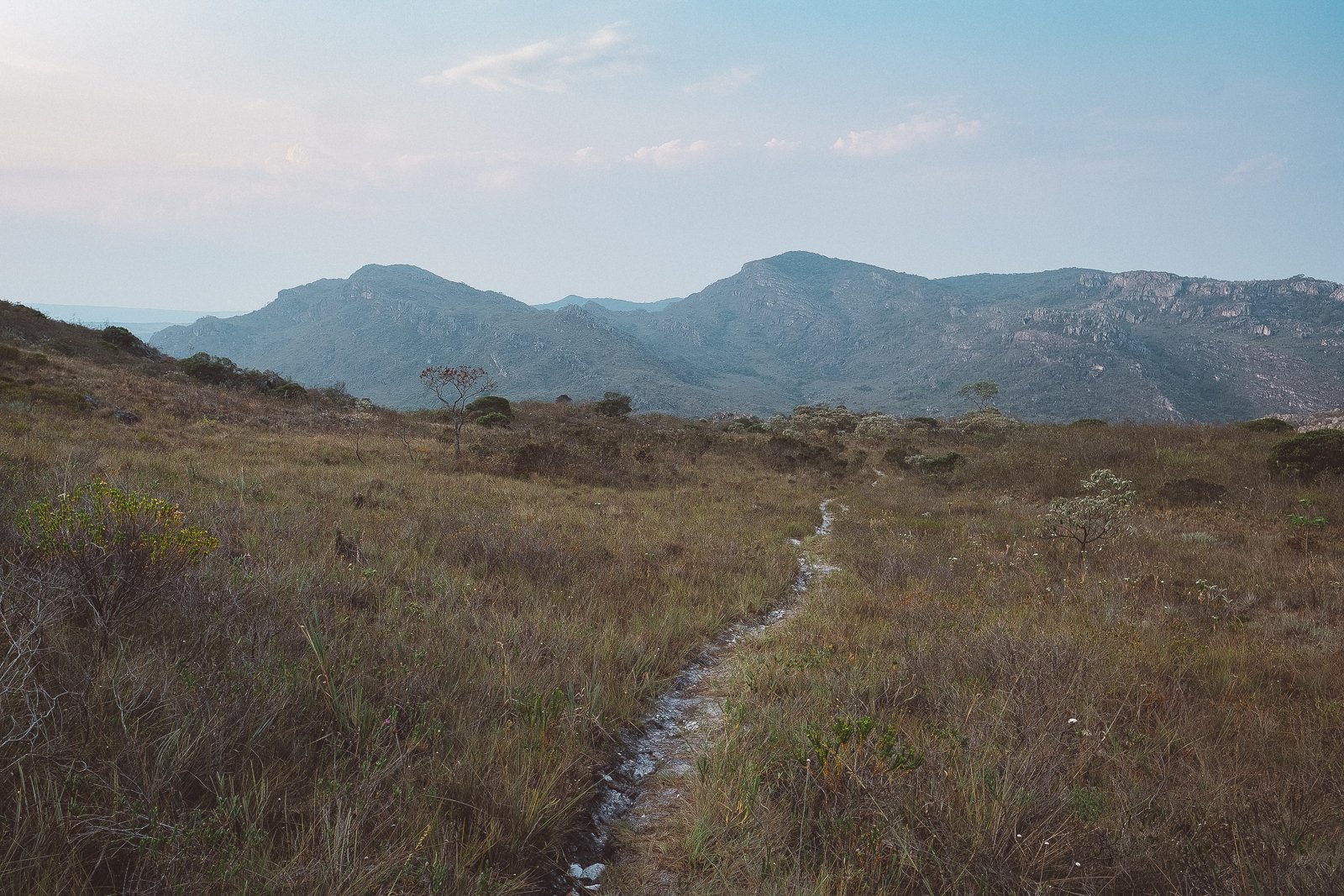




Itinerary
28 days across the Espinhaço, into the Story of Brazil →
-
![Trekking to Rio Preto State Park, Serra do Espinhaço]()
Chapter I: The Serra
Days 2–10 | 169 km (154 trail + 15 overland)
Soaring peaks and small highland villages.
Drinkable white-sand-beach waterfalls and pristine, cola-colored rivers.
A slow-motion carousel of high savannah vistas.
A winding network of historic trails and backroads in between.For a long crossing into the Story of Brazil, there is no better beginning.
The first days are full of everything that makes the Espinhaço memorable: long views, exuberant campos rupestres, clear rivers, old trails, small highland villages, and more waterfalls than seem entirely reasonable.
The route moves quickly between peaks, river valleys, and historic settlements. Three summits arrive in quick succession, each different from the last. High savannah becomes Atlantic Forest, and back again. Local footpaths give way to winding tropeiro routes, conservation trails and little-used dirt roads.
The distances in the early days of the expedition are real, but so is the feeling that the Espinhaço is slowly introducing itself.
By evening, a cold cerveja and a long conversation tend to feel natural and well deserved. Colonial-era villages, quiet quilombola communities, and remote ranches quickly become part of the rhythm of the crossing.
The Espinhaço reads like a novel. The Serra is its opening chapter.
The journey has just begun.
-
![Overgrown trail, Sempre Vivas National Park]()
Chapter II: The Garden
Days 11–16 | 148 km (68 trail + 80 river/4×4)
Overgrown trails and tree-sized flowers.
Lost-world waterfalls and nameless peaks.
Disputed lands. Resilient residents.
Some of the most pristine high savannah landscapes on Earth.Sempre Vivas National Park marks a dramatic shift in the crossing.
As our expedition turns west toward the Espinhaço’s least disturbed stretch of high savannah, open trails and welcoming villages give way to rough dirt roads, quiet former mining districts, and increasingly wild country. Lush veredas, white-sand riverbanks, and deep, slow-moving tributaries mark the entrance to the Park.
As we make our way from the lowlands to the flowery high plateau at its heart, the first chapter of the expedition might as well be a million miles away. Vegetation thickens. Bogs and marshes give way to rocky trails, palm-laced tunnels of taquara, and fields of head-high grass. Trails disappear. Progress is measured in hours, not distance.
We’ll spend four nights camping in the wilderness during this chapter—along coursing water, in historic rock shelters, near flower-picker camps, and deep in landscapes where signs of modern life are few and far between.
For all of its challenges, this is often one of the most beloved chapters of the expedition. A stretch of trail where people and landscape feel inseparable at times, and where our expedition slowly becomes more than a group of travelers.
Few places in the Espinhaço feel this raw, this overlooked, or this magical.
Often, we don’t fully realize what it was doing to us until we’ve left it behind.
-
![Cowboys riding horses through the streets of Curimataí, Serra do Espinhaço during a festa]()
Chapter III: The Sertão
Days 17–22 | 158 km (59 trail + 99 overland)
Dirt roads and open horizons.
Festive cowtowns and mystic railway settlements.
Waterfalls, riverbends, and hot springs.
Home-cooked meals, ice-cold cervejinha, and the enduring hospitality of the Brazilian interior.After days in the wilderness, the Sertão arrives as an exhale.
The final steps of Sempre Vivas see narrow trails give way to open dirt roads. Dense forests become pastureland, villages grow livelier, and cold drinks appear with increasing frequency.
By the time we emerge from the Park, the shift is unmistakable.
This is cattle country: a landscape of rolling hills, dusty roads, gentle riverbends, and valleys that stretch toward the horizon. The distances are real in this part of the range, but movement is no longer the whole story. Gentler days on the road and horseback give way to time at tables, in thunderous waterfalls, and on shaded front porches.
Contrasts are part of the charm of the Sertão. Hot springs and pool bars emerge improbably from dusty lowlands. Weekenders and mystics rub shoulders with miners and ranchers. Waterfalls alternate between sacred and beach scene.
Evenings become something to look forward to. Meals linger. Swims happen twice. Rest and recalibration become part of the experience.
By the time we begin the long journey east toward Diamantina, most people find they’re in no particular hurry to leave.
-
![Walking to Poliana's house at night in Quartel do Indaiá, Serra do Espinhaço]()
Chapter IV: The Berço
Days 23–27 | 70.5 km
Secret river valleys and thunderous falls.
Forgotten mining towns and living quilombola communities.
Wood-fired meals. Quiet homestays.
A slave-built highway descending toward the City of Diamonds.North and northwest of Diamantina, the range grows quieter.
Weathered mining districts sit beside quilombola flower-picker hamlets and secluded homesteads. Trails once busy with miners, traders, and travelers have long since overgrown. Places that once stood near the center of the world now feel distant even from Diamantina.
The contrasts are subtler here than in the Sertão, but no less revealing. Abandoned quarries hide beneath clear-water pools. Fallen bridges sit along exhausted rivers. Former mining settlements continue to reinvent themselves.
Trail distances are shorter in the final stretch of the expedition than elsewhere, but the terrain rarely makes them feel that way. Histories that feel far away in other parts of the Espinhaço remain surprisingly close at hand here.
By the time we begin the final descent toward Diamantina, the range reads differently than it did at the beginning.
We’ve been immersed in the story of Brazil for weeks.
This is where it begins to echo.
-
![Street scene at a Vesperata in Diamantina, Minas Gerais]()
The City of Diamonds
Days 1 & 27–28 | 547 km overland
Baroque churches and white-washed casarões.
Motoboys and market stalls.
Becos and boemía.
Music drifting from balconies after dark.Diamantina frames the expedition.
It’s where we begin, and it’s where we return. And after weeks in the range, it often reads differently.
By now we’ve traversed the valleys that sustained it. We’ve met the families whose ancestors mined the diamonds, cut the stone, carried the goods, and built the roads that lead here.
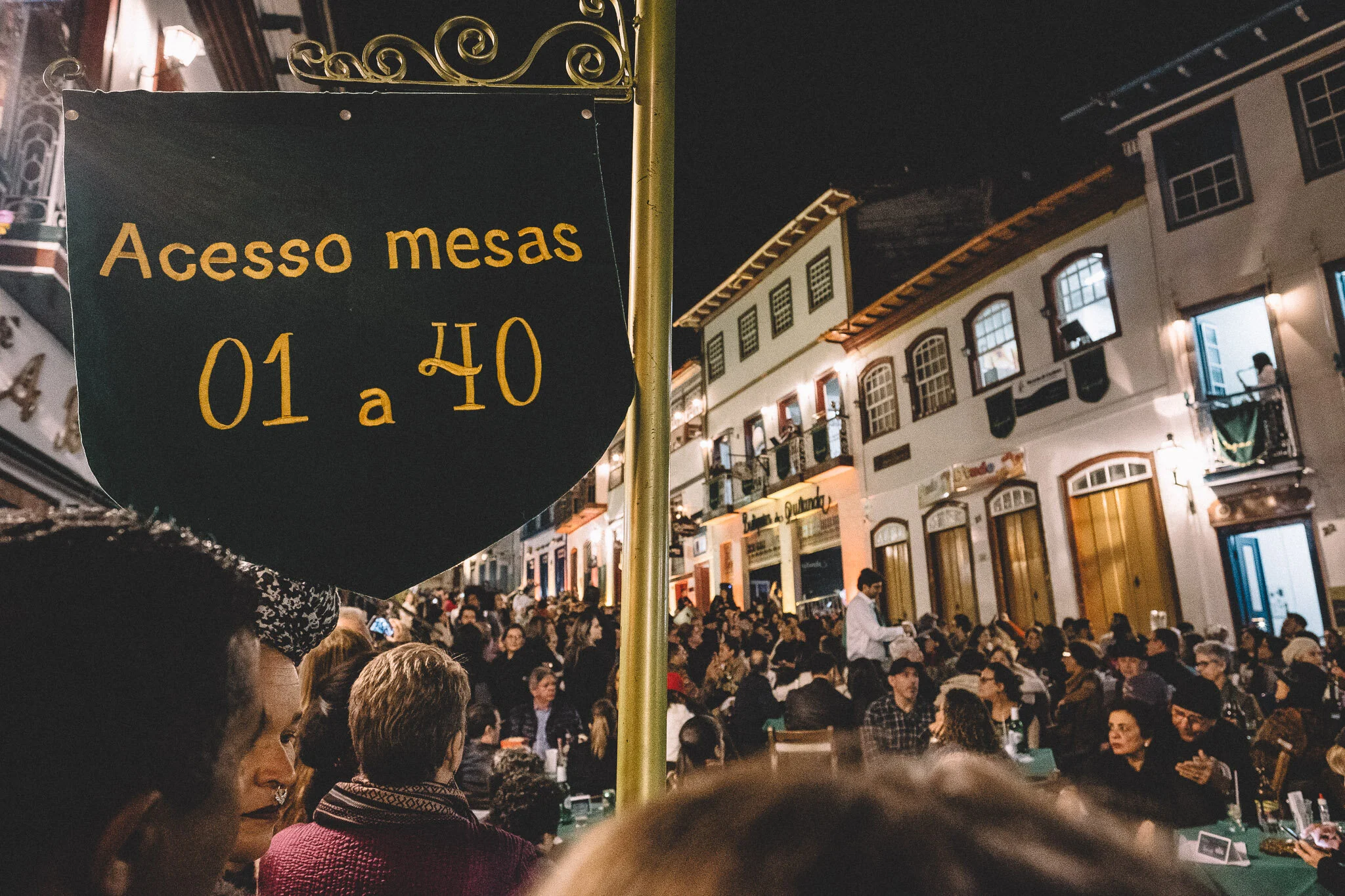
On Vesperata night, red ropes appear. Balconies fill and tables spill into the streets. Music drifts through narrow alleyways as locals, students, and well-dressed visitors sing along beneath the glow of old streetlights.
The scene is festive, familiar, and unmistakably Diamantina.
The city hasn’t changed.
Perhaps our understanding of it has.
Transfers to and from Belo Horizonte mark the formal edges of the journey. What remains is perspective.

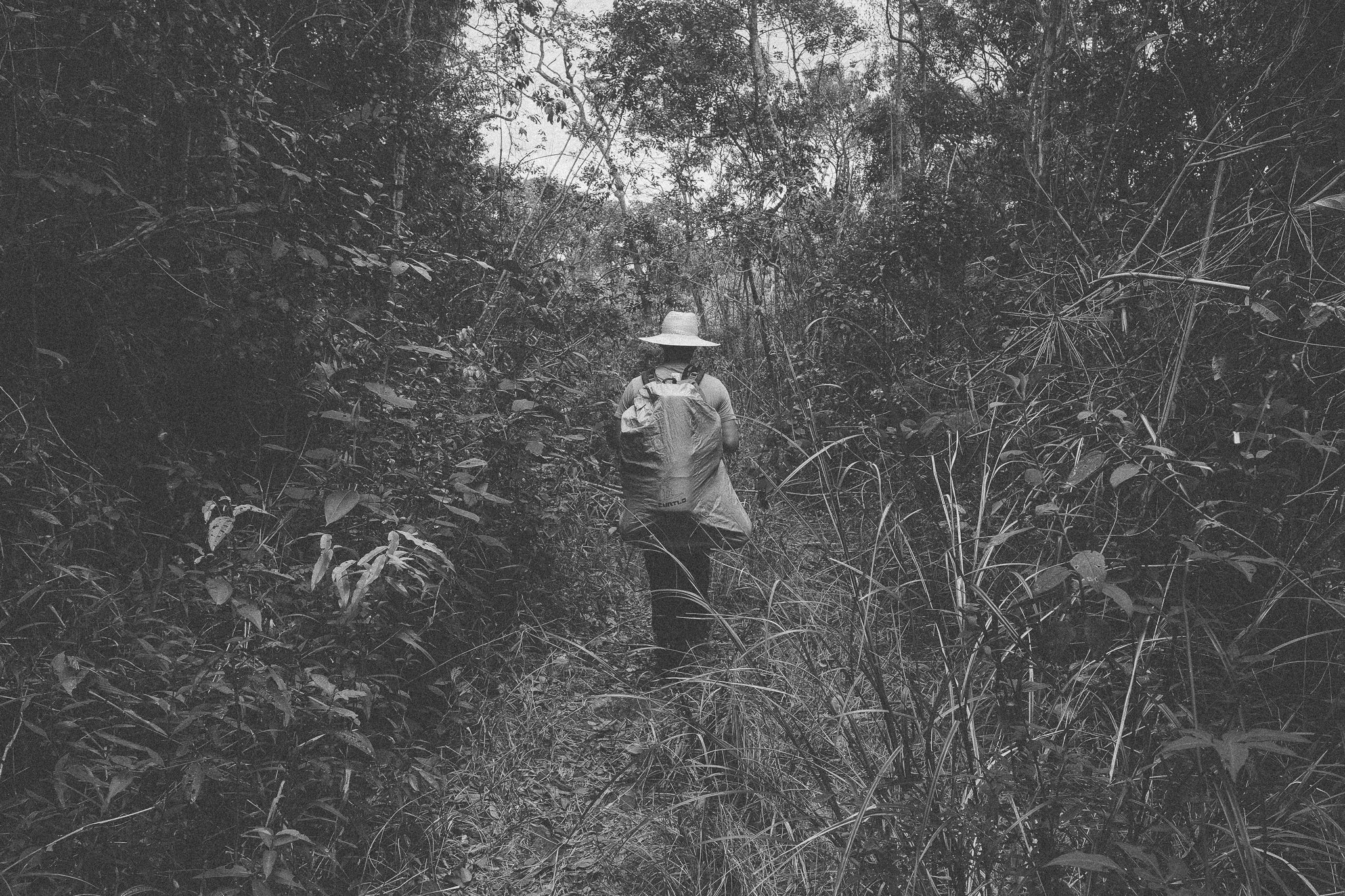

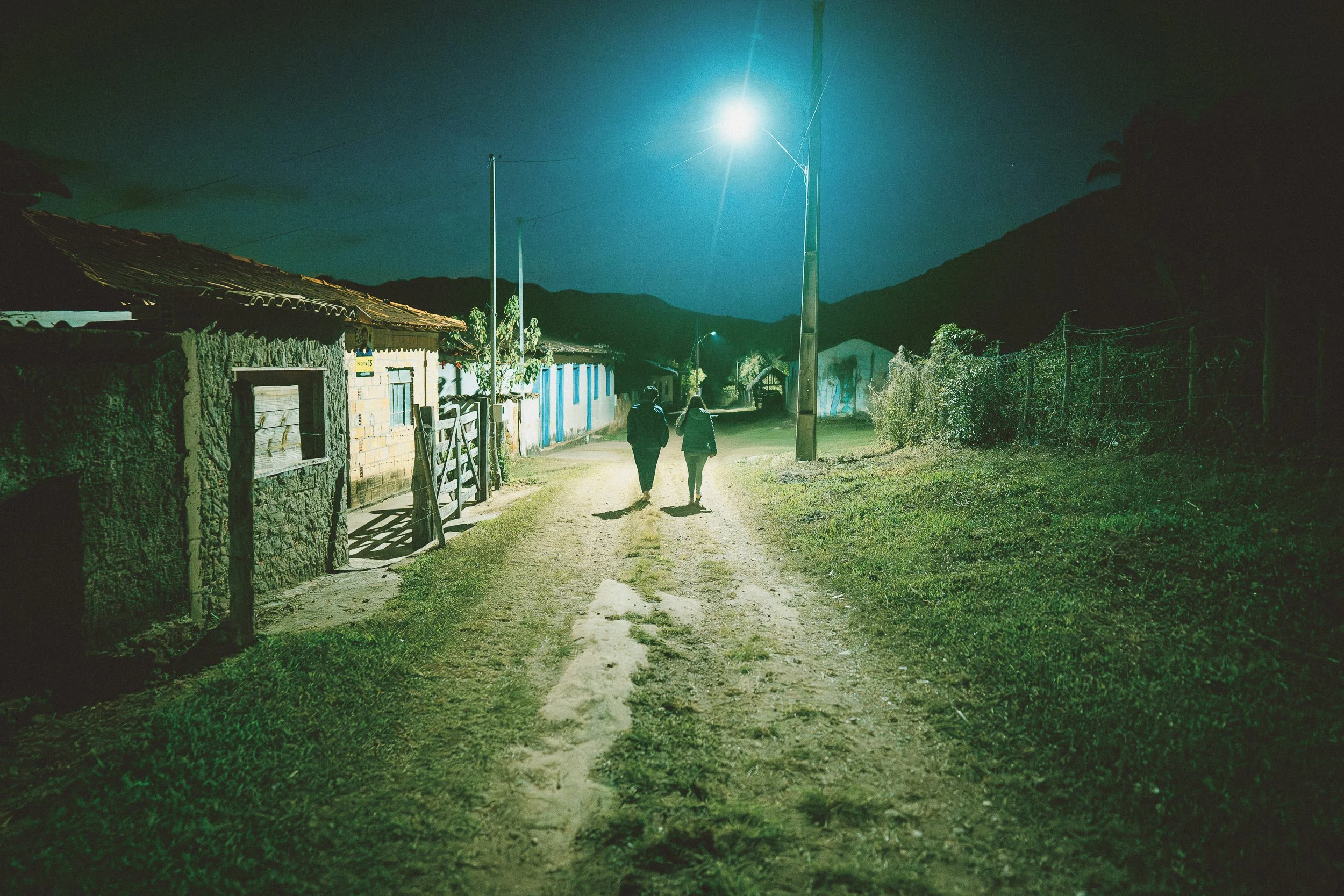
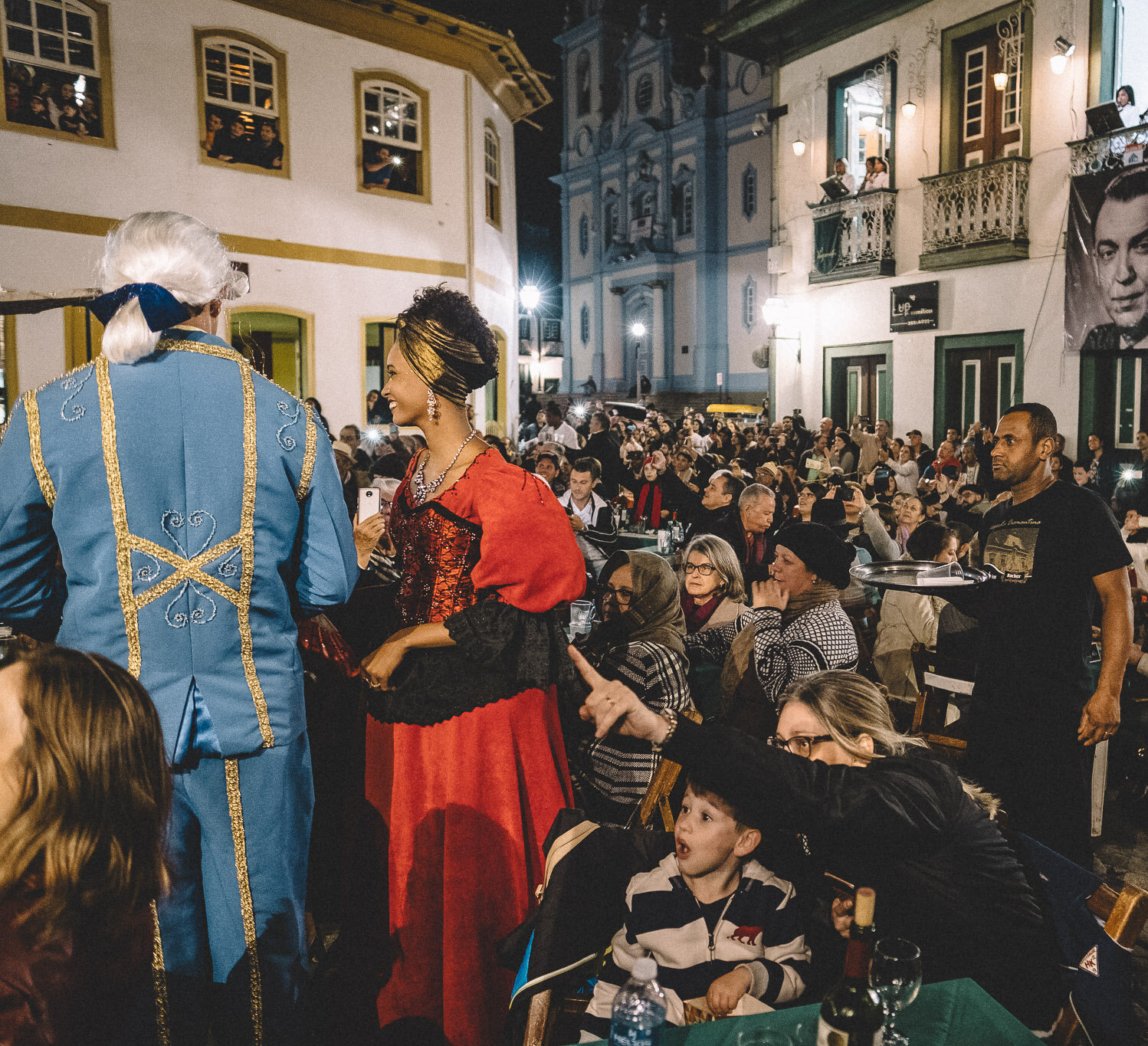
Curious about the route?
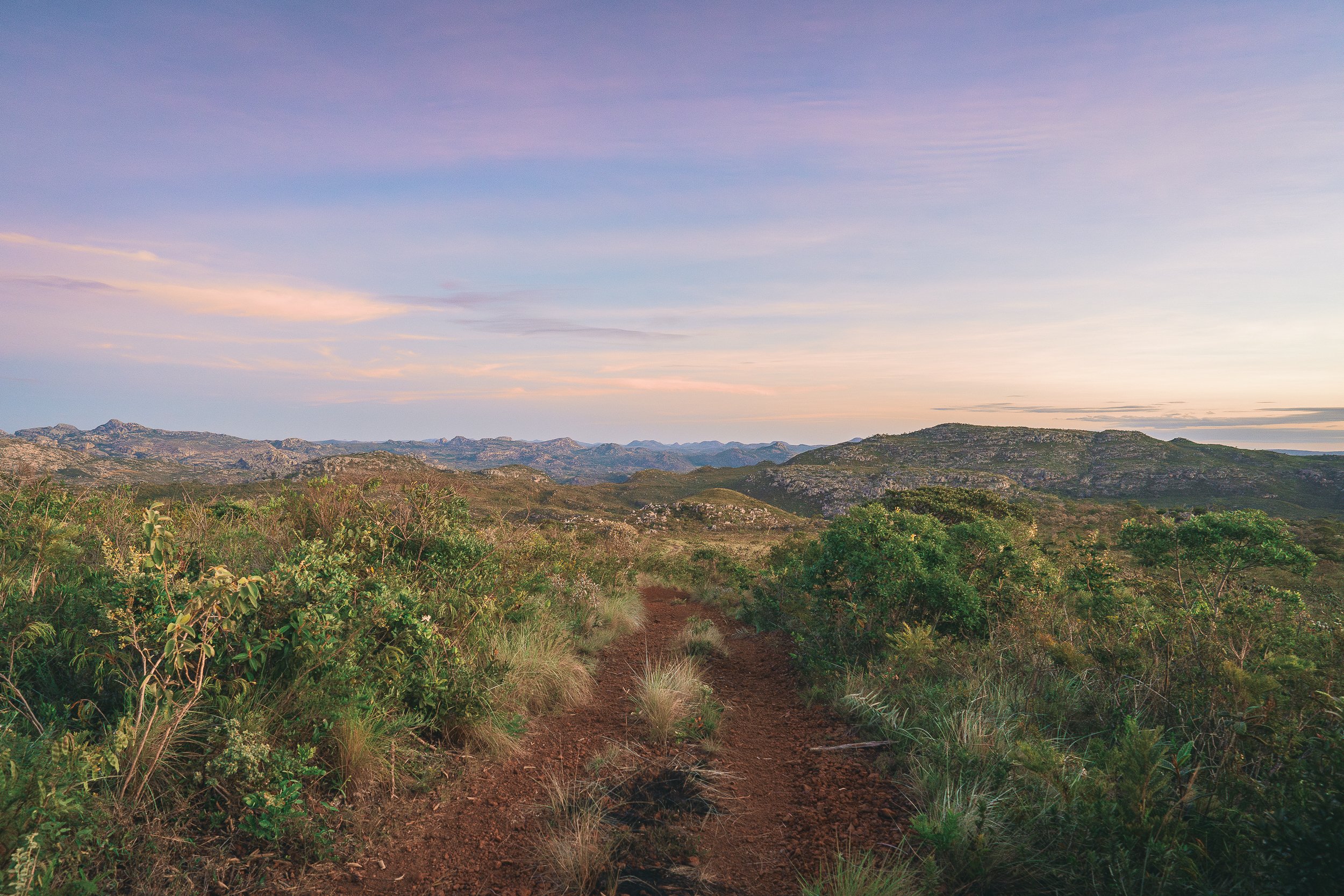
Setting
A forgotten range
Once the epicenter for the world’s diamond trade, Brazil’s Serra do Espinhaço was largely abandoned and forgotten by the outside world for nearly two centuries.
Today it’s on the edge of wider recognition as one of the most remarkable places on earth.
3 UNESCO Designations
2 Biodiversity Hotspots
19 Conservation Units
3,000+ species of plants (estimated)
7% of Brazil’s total biodiversity*
0.8% of Brazil’s national territory
Route
The journey ahead
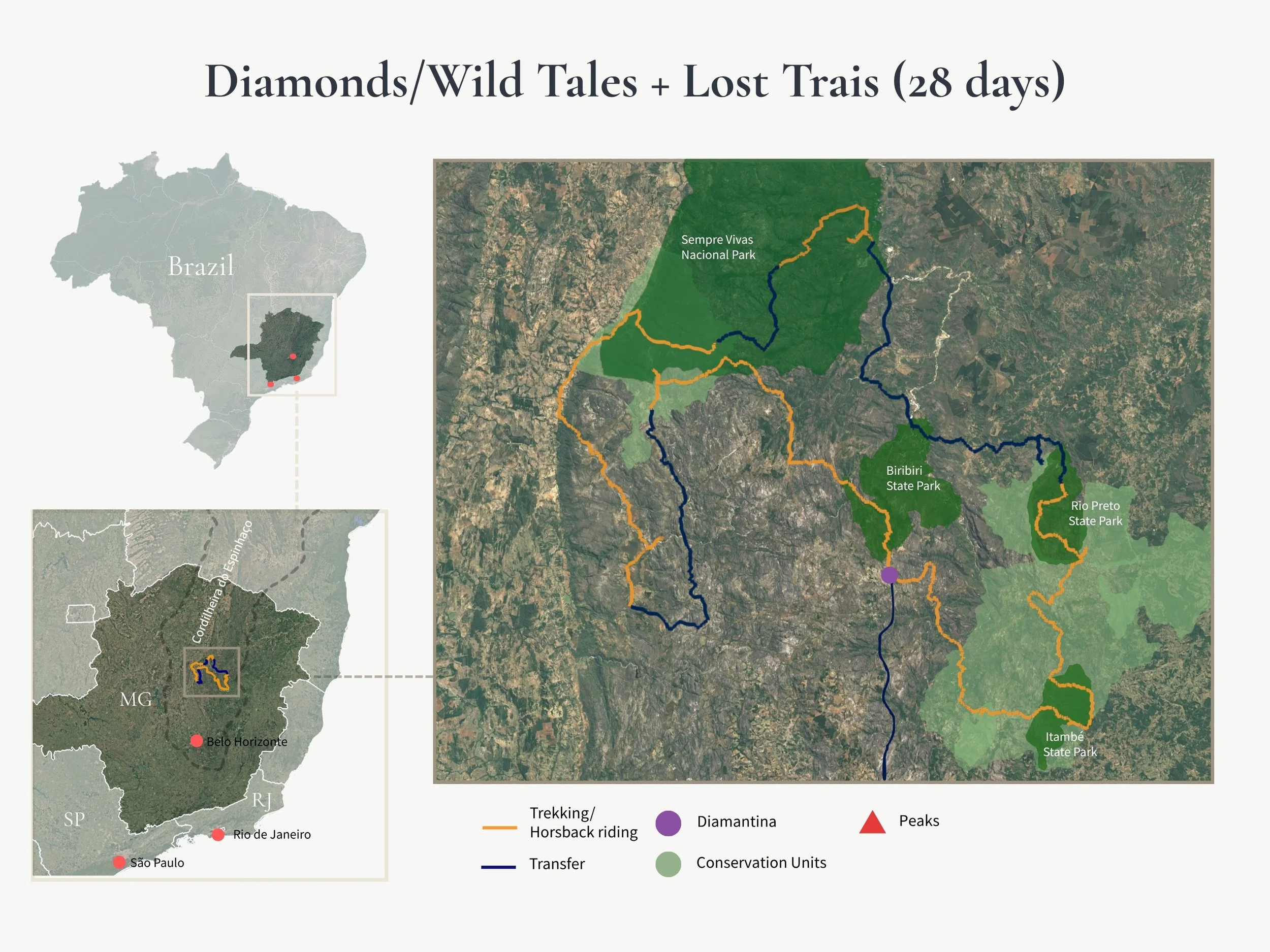
Total days: 28
Trekking days: 14–23
Riding days: 0–8
Overland days: 2–5
River days: 1
Transit days: 2
Recovery days: 2
Total distance: 1,141 km
Trail distance: 351 km
Overland distance: 134 km
Cumulative elevation gain (trail): 12,275 m
Cumulative elevation loss (trail): 11,758 m
Total elevation change (trail): 24,033 m
Average distance per day (trail): 16.7 km
Several days of the expedition offer flexibility in how ground is covered: trekking, riding, or overlanding between destinations. Riding segments remain part of the overall trail distance.
Where we sleep
Home for a Night →
-
![The view from the window of the pousada Pouso da Chica in downtown Diamantina, Minas Gerais]()
Pousadas (7 nights)
Small, family-run inns are a cornerstone of travel in Brazil.
Some are simple and homey. Others feel more carefully designed or restored. Nearly all reflect the people who built them.
Welcoming hosts, thoughtful details, and cafés da manhã worth waking up for tend to come with the territory.
After long days on the trail, a hot shower, a soft bed, and freshly baked pão de queijo in the morning are often all the luxury we need.
Bom descanso.
-
![A portrait of Dona Raquel at her home in Conselheiro Mata, Minas Gerais]()
Homestays (6 nights)
The trail will test us, and the peaks and waterfalls will leave their mark. In our experience, though, it’s the evenings spent breaking bread with local families—sometimes well into the night—that stay with us the longest.
Conditions vary from home to home, but the welcome rarely does. Meals arrive generous and unhurried, and conversation often continues long after plates are cleared.
These households are part of the fabric of the range. Our stays support families whose livelihoods shifted with the decline of mining, and help sustain a culture that still values memory, place, and hospitality.
Years from now, it’s usually the homestays you remember most.
-
![Camping in the Lapa do Mundo Velho in Sempre Vivas National Park, Brazil]()
Wilderness Campsites (6 nights)
Sometimes the landscape itself becomes home for the night.
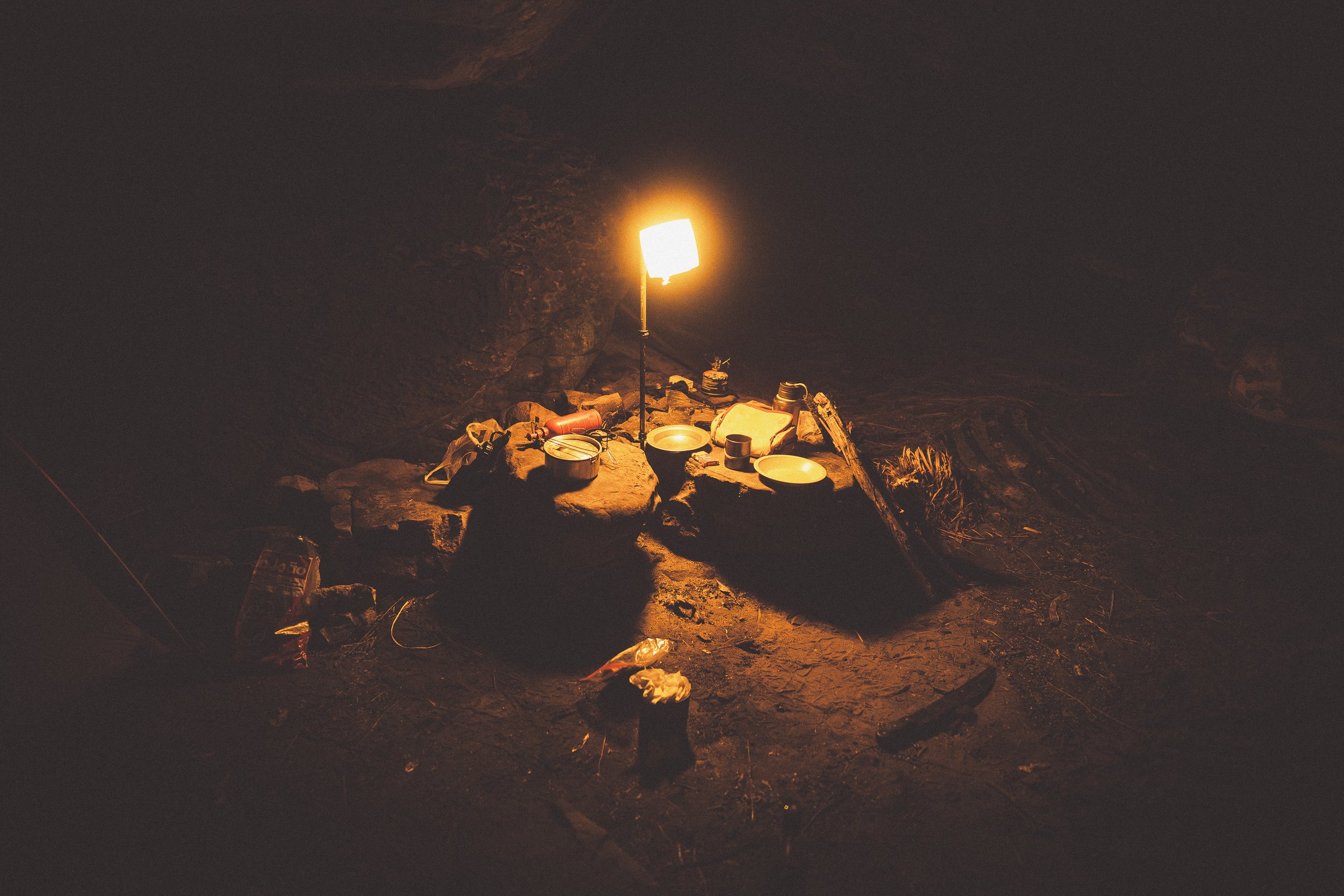
During longer stretches of wilderness, we pitch tents alongside quiet rivers, in high savannah clearings, and in places that have sheltered travelers for generations.
We cook simply, share drinks by the fire, dry our boots nearby, and watch the light leave the mountains.
-
![The main lobby of the Pousada Raíz Parque in Alecrím, Rio Preto State Park]()
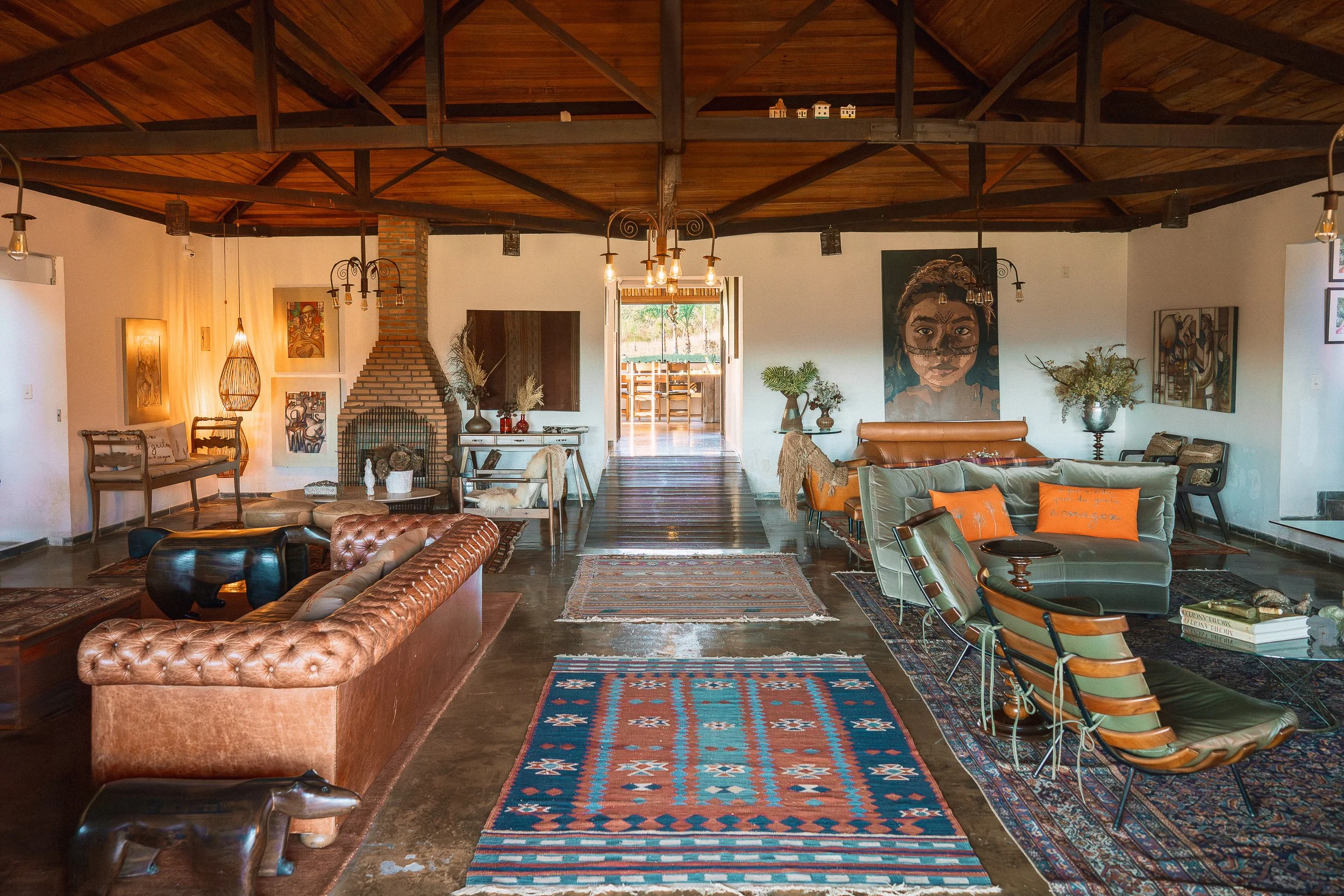
The Occasional Contrast (2 nights)
Not every night in the range is rustic.
At times, the route brings us to guest ranches, historic villas, and rural retreats built for leisure, wellness, and rest. These places are part of the region too.
Experiencing them in contrast to the backcountry doesn’t dull the senses. It sharpens them.
After days of dust, distance, and simple living, a comfortable room, a long shower, and a slow evening have a way of putting the rest of the crossing into perspective.
-
![Adriano checking his phone before going to bed at Elisa's guesthouse in Extração ("Curralinho"), Minas Gerais]()
Private Homes (2 nights)
Unlike homestays, where we’re welcomed into someone else’s household, these are homes temporarily entrusted to us: historic townhouses, vacant ranches, and guesthouses that allow us to settle in for a night.
After days spent moving through the range and being received by others, there’s something satisfying about being able to close the door behind us, spread out, and make ourselves at home.
-
![Three simple wooden beds with mattresses in at a chalet in Rio Preto State Park, Minas Gerais]()
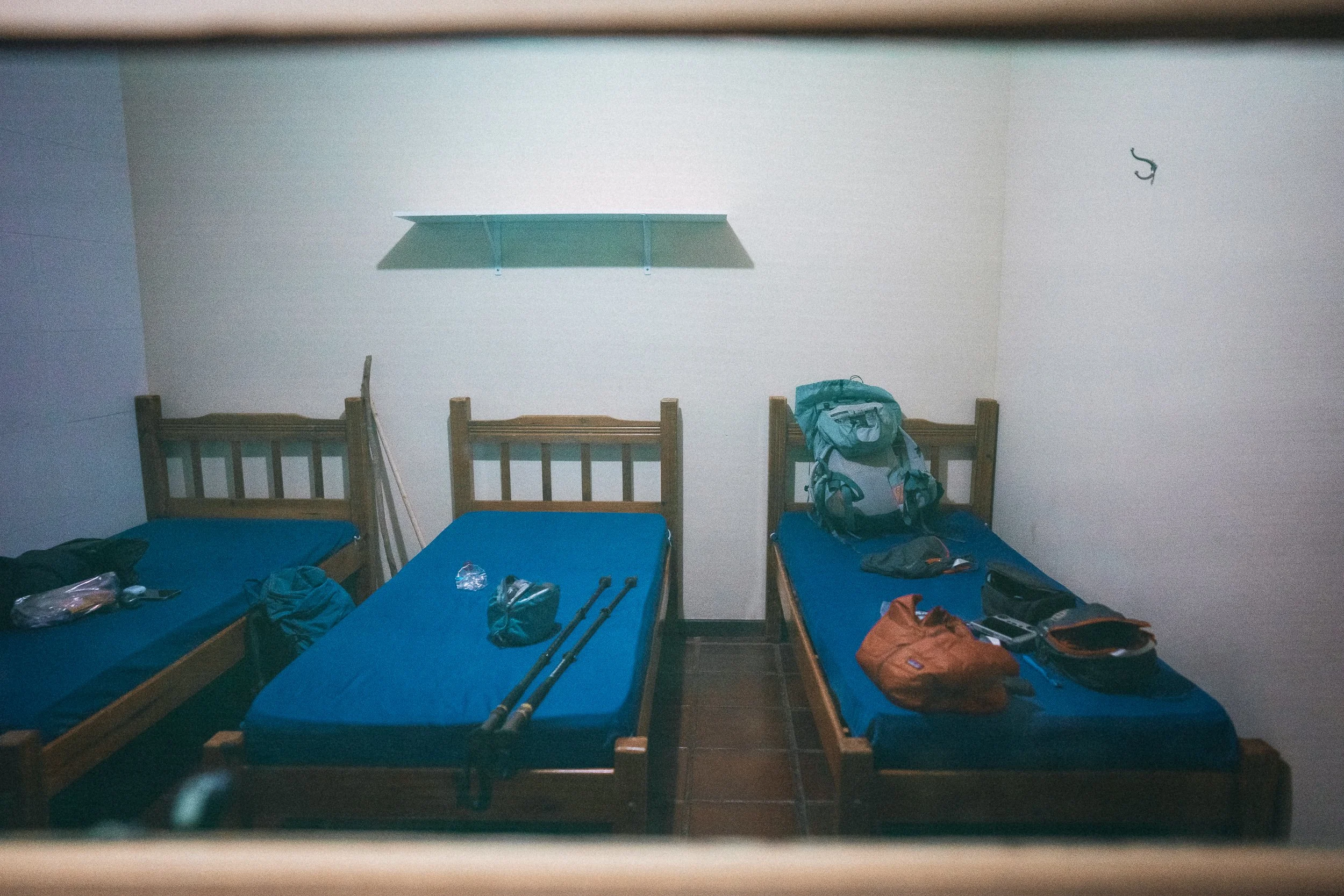
Park Lodges (2 nights)
The “chalets” at Rio Preto State Park are simple, practical structures designed for one purpose: putting travelers within walking distance of some of the Espinhaço’s finest rivers, swimming holes, waterfalls, and trails.
The rooms are comfortable, but won’t win any design awards. Fortunately, that's not why we’re here.
A short walk from your front door lies white sand, pristine pools, waterfalls, and three full days in one of the most beloved conservation units in the range.
-
![Black and white photo Mozart's house on the Chapada do Couto in Rio Preto State Park, Minas Gerais]()
Wilderness Refuge (1 night)
Some of our favorite places to sleep in the range are also among the simplest.
Scattered across remote valleys, high savannah plateaus, and working landscapes, these small structures offer shelter, a place to gather, and a glimpse into the lives of the people who know these places best.
They are rarely luxurious. Most consist of little more than a roof, walls, and a front door.
Location is the luxury here. Silence comes standard.
-
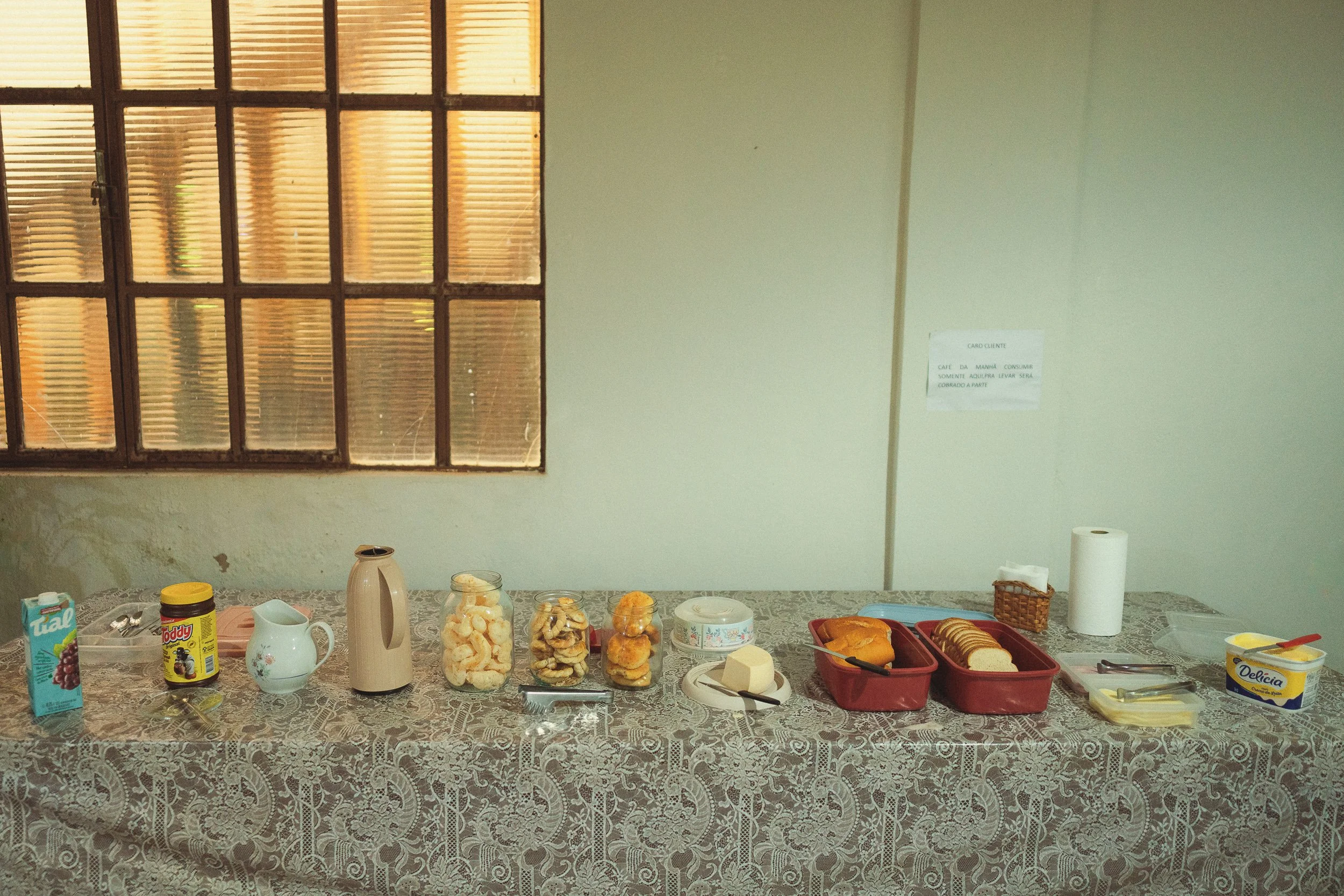
![The breakfast spread at Hotel Pé de Serra in Santo Antônio do Itambé: cookies, cheese, bread, juice, coffee, yogurt, and condiments]()
Hotel (1 night)
Call it a budget hotel. Call it a business hotel. We just call it the hotel.
Located near the main praça in Santo Antônio do Itambé, Hotel Pé da Serra gives us exactly what we need: a clean room, a hot shower, a simple breakfast, and a good night’s sleep.
There are certainly more beautiful places to stay in the range—and even in town.
On a long crossing through the Espinhaço, though, spending a night in the kind of hotel that a working Brazilian might actually stay in feels just as important to the story as sleeping in wilderness camps, historic homes, or remote ranches.
We’ll stay in all kinds of places during the expedition. None of them will remind you of Pé de Serra.




What we eat
Food & Fire
Tropeiro. Torresmo. Frango com quiabo.
If you’re unfamiliar with comida mineira, you will be by the end of the trip—and Brazilians everywhere will be jealous.
Most meals in the Espinhaço are simple, hearty, and deeply tied to the region: rice, beans, and angu sit alongside locally raised meats, fresh vegetables, and homemade dishes prepared in seasoned cast-iron pots over wood-burning stoves.
Breakfasts often bring freshly baked pão de queijo, quitandas, coffee, and local fruits and cheeses to the table.
Some meals are rustic. Others are unexpectedly refined. Nearly all of them are memorable.
Most of us abandon our weight-loss goals early on.
It’s worth it.
Crew
Owls & Masters (→)
-
![Eddie drinking a beer at Deco's house in Couto Magalhães, Minas Gerais]()
Eddie
Expedition Leader + Country Guide + Translator (Full-Time)
The bumper sticker on his ’89 Toyota Bandeirante (Brazilian Land Cruiser) may read “Lost Texan”, but don’t be fooled: Dallas-born Eddie has dedicated himself to the study of Brazilian history, society, and geography since arriving with a surfboard and $800 in 2002.
He first found his way to the Espinhaço in 2018 and has spent the years since documenting its unforgettable characters and labyrinth of forgotten trails.
The only thing he enjoys more than exploring this remarkable and little-known part of the world is bringing it to life for travelers who want to experience and understand it, not just pass through.
-
![Elisa preparing to canoe on the Inhacica Grande river in Sempre Vivas National Park]()
Elisa
Expedition Leader + Country Guide +Translator (Full-Time)
The first time Elisa encountered the daunting “roads” of São Gonçalo do Rio das Pedras during a weekend getaway in 2019, she swore to her mom she would never come back.
These days, she can’t seem to leave the Espinhaço, having spent the better part of her life since then driving all manner of backroads in a gangly leaf-sprung 4x4 named “Gaucha”—usually with various drones, satellite devices, emergency contacts, and communications equipment in tow.
Bringing itineraries of this scope to life in this part of the world requires determination, planning, communication, patience, and the kind of vision that sees adventure where others see obstacles. The rest of us just require Elisa.
-
![Júlio on the trail in Sempre Vivas National Park, Serra do Espinhaço]()
Júlio
Regional Guide + Naturalist (Full-Time)
The difference between a good guide and a great one is calling. In Júlio’s case, there was never a question.
Deeply knowledgeable, energetic, and committed to the places he works in, he brings both his experience in the mountains and his degree in Geography to every journey.
When the brush is thick, snakes abound, the light is fading, and there are still kilometers ahead, there’s no one we’d rather have beside us.
-
![Xaxau and Gaúcha at Gomercindo's house in Braúnas, Serra do Espinhaço]()
Xaxau
Overland Driver (Full-Time)
The eldest son of Diamantina’s most celebrated 4x4 family, Xaxau carries himself with a quiet confidence that comes from knowing exactly what he’s doing. One of the region’s most seasoned mechanics and welders, he’s also an expert rider of horses, motorcycles, and—lucky for us—vintage 4x4s.
You’ll see Xaxau and Gaúcha during long overland crossings, but it’s the moments when you don’t see him—driving parallel to our route somewhere out beyond the horizon—that put us most at ease. In the unlikely event of an emergency, there’s no one we’d rather have nearby.
-
![Perón at Pousada Raíz Parque, Rio Preto State Park]()
Perón
Overland Driver (Full-Time)
Perón drives just about anything that moves—jeeps, trucks, boats, motorcycles—and has spent decades fixing them all. His knowledge of the Cerrado and its inhabitants runs just as deep. He’s also an accomplished fisherman, and (as you might expect) a gifted storyteller.
When Michel first told us about his vivacious, history-loving uncle, we couldn’t wait to meet him. What we found was one of the kindest, most deeply respectful, and most reliable men in the range—and a perfect fit for this crew.
You'll see plenty of Perón throughout the crossing, whether on overland sections, at camp, or waiting for us at the end of a long day.
-
![Michel and Gaúcha near Barão de Guaicuí, Serra do Espinhaço]()
Michel
Support Driver (Full-Time)
A year abroad in Australia showed Michel the power of travel, and convinced him that his hometown of Diamantina deserved to be rediscovered. Since then, he’s become one of the most renowned photographers in the Espinhaço, documenting the region’s people and everyday life.
On our crew, Michel brings that same perspective—along with his fluency in English, his love of cultura mineira, and a natural ability to connect people to the place around them.
There are worse ways to spend a long drive through the backlands than listening to Michel talk about the place he calls home.
-
![André driving Gaúcha near Curimataí, Serra do Espinhaço]()
André
Support Driver (Full-Time)
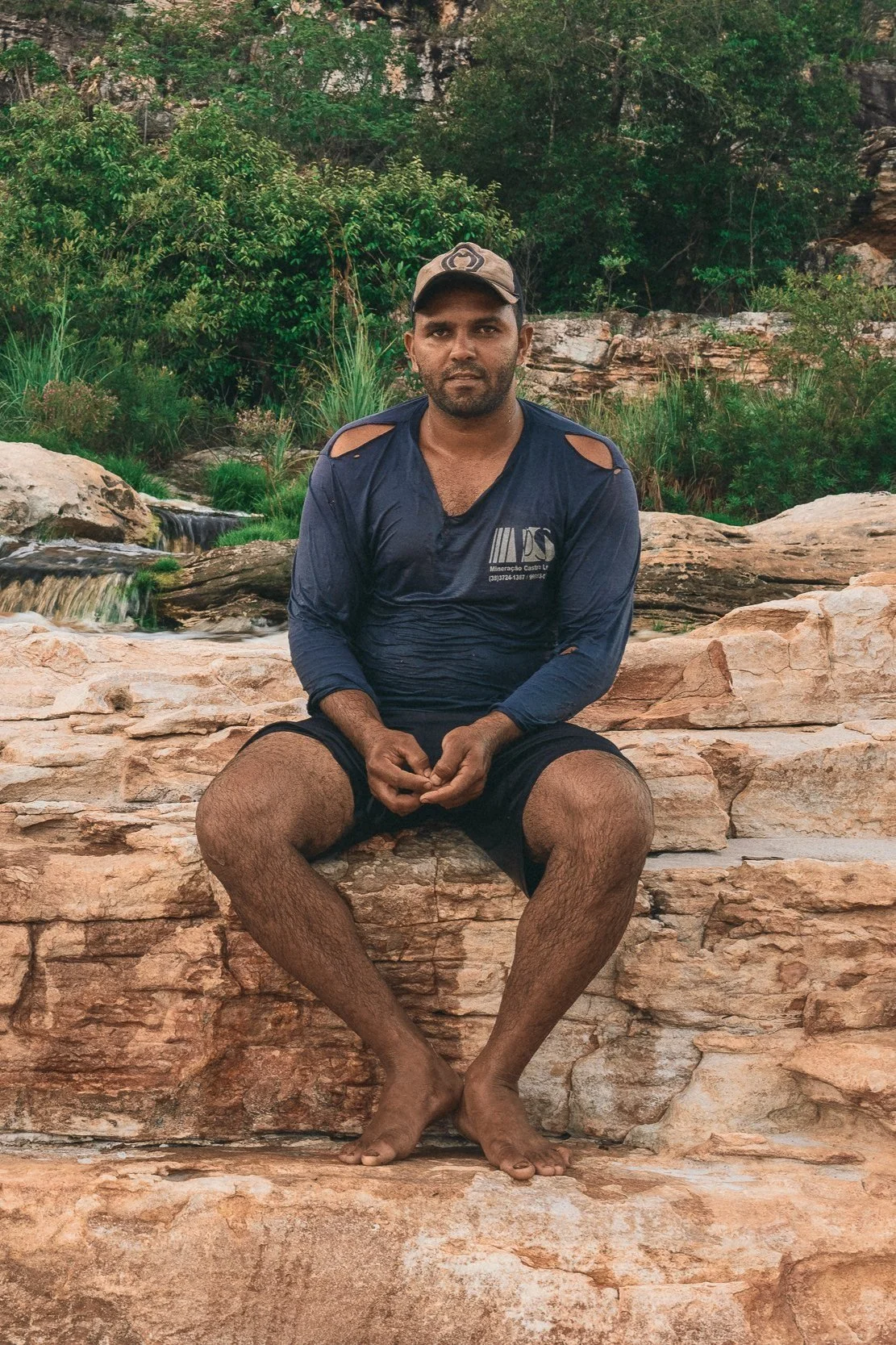
A soft-spoken motorcycle enthusiast from Diamantina’s most celebrated family of 4x4 mechanics, André combines small-town roots with a love for the wider world. He’s a devoted P.E. teacher in the region, but it’s his instinctive feel for vehicles and terrain—and his dirt bike skills—that brought him onto our crew.
As the motorcycle rescue driver, his presence runs quietly alongside the route. If you see him on the trail, don’t panic. You’re already being taken care of.
-
![Santo riding his horse to the Chapada do Couto, Serra do Espinhaço]()
Santo
Local Guide + Mule Driver
A local legend on par with the mountain that towers above his home, Santo spent decades driving mules from the quilombola hamlet of Bica d’Agua to Diamantina and back as one of the Espinhaço’s last tropeiros.
Today, he’s best known for receiving and guiding those who make the crossing from Bica d’Água to Chapada do Couto.
Stoic and hardened, yet soft-spoken and graceful, his backcountry skills are unmatched—and his camp grub isn’t half bad either.
Our crossing through the highlands brings us to Santo’s doorstep, where Dona Maria’s wood-fired stove is the stuff of regional lore.
-
![Portrait of Marcos at a waterfall in São Gonçalo do Rio das Pedras, Minas Gerais]()
Marcos
Herbalist + Local Guide
A journalist by training and a farmer by practice, Marcos has spent more than three decades working with medicinal plants.
Despite the depth of his knowledge, he returns again and again to what he calls the “simple”—small practices that, in his experience, remain the most effective.
On the trail, he moves easily between stories and plants, drawing from years of travel through the Cerrado and a lifelong habit of paying attention.
We'll have the privilege of walking alongside him through the serra above São Gonçalo do Rio das Pedras.
-
![Genésio during a hike to Pico do Itambé, Serra do Espinhaço]()
Genésio
Local Guide
On expeditions, as in life, you want resilient, kind-hearted people beside you—people who’ve done it themselves and want to see you succeed.
Genésio is one of them.
A Park Ranger from a family of Itambé guardians, he knows the mountain better than anyone. We'll have the pleasure of walking alongside him on the slopes of Itambé.
-
![Portrait of Valdir at Fazenda Santa Cruz do Gavião]()
Valdir
Local Guide / Horsemen (Chapter I)
Gracious, thoughtful, and humble, with a quiet serenity that draws you in, Valdir is the kind of guide who saves his stories for those who seek them.
For over a decade, he’s tended the remote Fazenda Santa Cruz do Gavião alone. When we pass through, it’s often simply to enjoy his company.
As our route ventures into the quieter corners of the serra, a visit to Valdir is always a gift.
There are few people we’d rather walk, ride, or sit beside a stove with.
-
![Deco on the trail in Rio Preto State Park, Serra do Espinhaço]()
Deco
Herbalist + Local Guide
Raised in what is now Rio Preto State Park, Deco knows the landscape in a way that could only come from a lifetime spent inside of it.
A self-taught expert in the flora of the Cerrado, he can name nearly every plant in sight—in Latin—and usually has a story to go with it.
On the trail, he’s all movement and conversation. You'll get to see for yourself as the expedition makes its way through Rio Preto State Park.
-
![Barbosa walking in the Inhacica Grande River, Sempre Vivas National Park]()
Barbosa
Local Guide
Humble, self-educated, and full of stories, Barbosa grew up in a tiny quilombola village where money was unheard of and diamonds flowed through the sand.
Together with his late wife, Lúcia, he helped bring visibility to Inhaí—its history, its people, and its place within the region. Today, he carries that work forward, sharing both the stories of the community and the landscape that shaped it.
We'll have the privilege of hearing those stories firsthand as we cross the eastern borderlands of Sempre Vivas.
-
![Gomercindo at his home in Braúnas, Serra do Espinhaço]()
Gomercindo
Local Guide + Boatman
Gracious and soft-spoken, yet adventurous and lighthearted, Gomercindo knows the river like a second home.
A former miner turned farmer, he’s spent his life along the banks of the Inhacica Grande—a river as pristine as it is little known.
As the expedition takes to the water, he'll be beside us, part guide and part guardian.
-
![Portrait of Deraldo at the Inhacica Grande River, Serra do Espinhaço]()
Deraldo
Boatman + Porter
In a region long defined by beans and corn, Deraldo went a different direction: broccoli.
His harvests have reshaped regional school lunches—and local thinking. A lifelong resident of the Inhacicão, he knows the river intimately, and runs one of the few working outboards in the region.
As we navigate the eastern boarderlands of Sempre Vivas, chances are he’ll be at the helm.
-
![Portrait of Levi at his home in Taquaral, Sempre Vivas National Park]()
Levi
Local Guide
The lone resident of a remote ranch deep in one of the wildest corners of the Cerrado, Levi is a living legend in the borderlands.
A full day’s walk from his nearest neighbor, he lives a life few can fathom—self-reliant, solitary, and deeply tied to the land.
Reaching him is a journey. Listening to his stories is the reward.
-
![Esdra walking along the banks of the Inhacicão, Sempre Vivas National Park]()
Esdra
Porter
Despite growing up along the Inhacicão, Esdra had never hiked with a pack or seen the mountaintop fields where his father, Gomerindo, was raised.
That changed in 2024, when he joined us on an expedition as a last-minute porter. He carried more than expected—and came back for more.
We'll be grateful for that enthusiasm and resilience as the crossing climbs into the high savannah of Sempre Vivas.
-
![Tau riding a horse near Pé de Serra, Serra do Espinhaço]()
Tau
Local Guide + Horseman
Born and raised in Curimataí, Tau spent years navigating life in Belo Horizonte before returning to the Espinhaço to pursue something quieter.
Today, he and his wife Gilma run our favorite pousada west of Sempre Vivas—where we’re always happy to sleep, and especially to eat, when the route allows.
Equal parts outdoorsman, bon vivant, and natural host, Tau will ride alongside those who choose to travel the sunlit roads of the Sertão by saddle.
-
![Portrai of Avilmar and his son, Fabricio, at Fazenda Lamarão, Sempre Vivas National Park]()
Alvimar
Local Guide + Horseman
A stoic cowboy with the instincts of a guardian, Alvimar battles wildfires in the backcountry of Sempre Vivas in his spare time, and knows the Park’s western frontier as well as anyone.
These days, he lives a quieter life on his ranch north of Curimataí—but when the call comes, he still rides.
We'll have the pleasure of riding alongside him as the expedition descends toward the western lowlands.
-
![Pê on the trail between Galheiros and Guinda, Serra do Espinhaço]()
Pê
Local Guide + Horseman
Cool, confident, and naturally charismatic, Pê has been guiding and hosting our crew in the high western campos since the very beginning.
Raised in the one-family outpost of Santa Rita, he served multiple tours as a park firefighter before returning to ranch life full-time. Today, he’s known across the region for his horsemanship.
We'll spend time with Pê in Santa Rita as the crossing moves through the western lowlands.
-
![Dorico riding his horse in the Vale do Rio Preto, Sempre Vivas National Park]()
Dorico
Local Guide + Horseman
One of the last remaining residents of Sempre Vivas, Dorico lives alone at the foot of Serra da Gambá, walking an hour each way to the village of Macacos.
Soft-spoken and gracious, with a lightness that belies his solitude, he carries the history of the highlands in the way he moves.
Few people know the Rio Preto Valley better. Crossing it in his company is a privilege.
-
![Portrait of João at Zekinha's home in the Vale do Rio Preto, Sempre Vivas National Park]()
João
Local Guide + Horseman
Like many of his generation from São João da Chapada, João left home in search of opportunity, living and working for years in São Paulo, Paraguay, and beyond. Unlike most, he returned.
Well-traveled and full of stories, he brings both experience and presence to the trail.
As the expedition moves through some of the lesser-known corners of the range, you'll understand why we value his company.





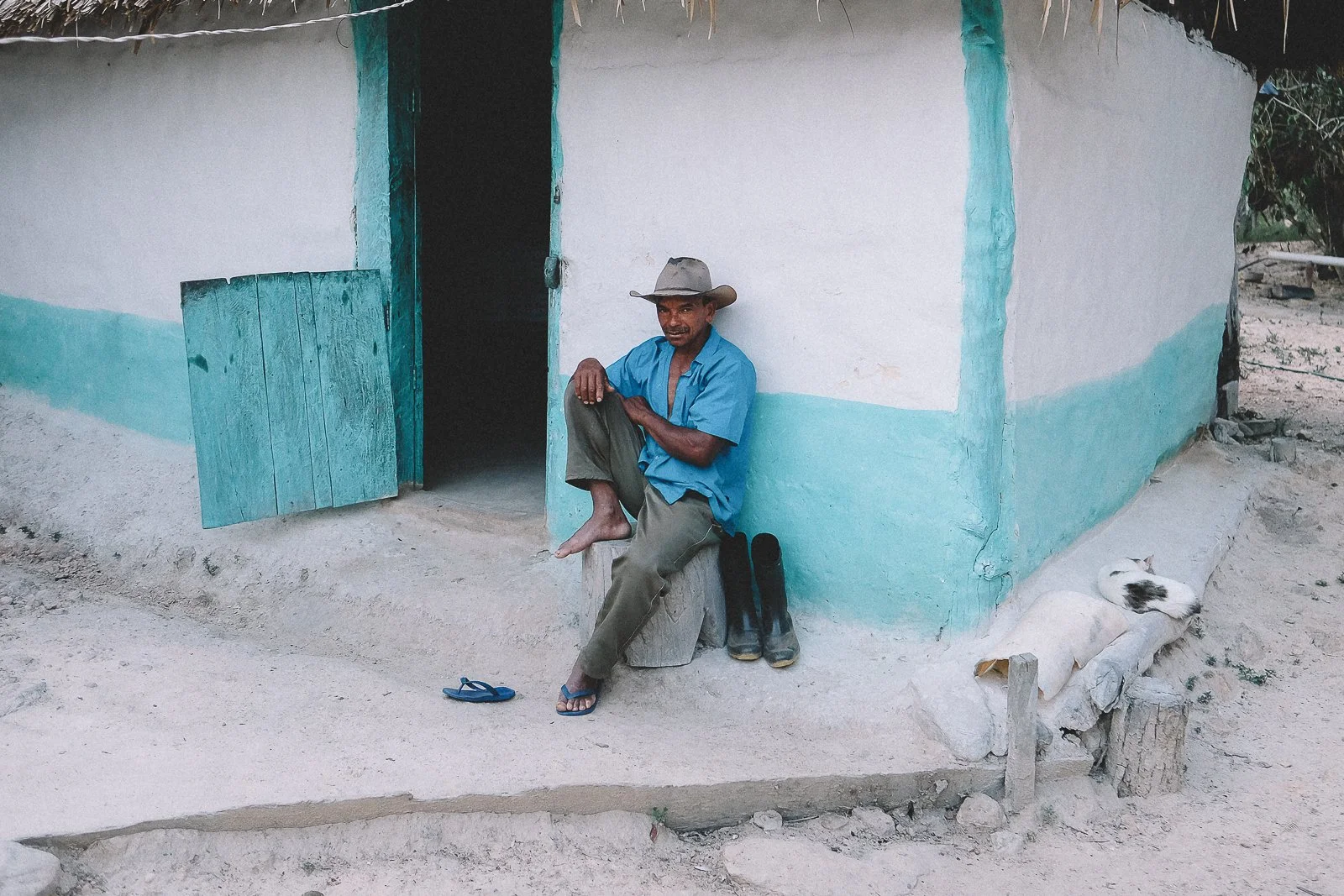
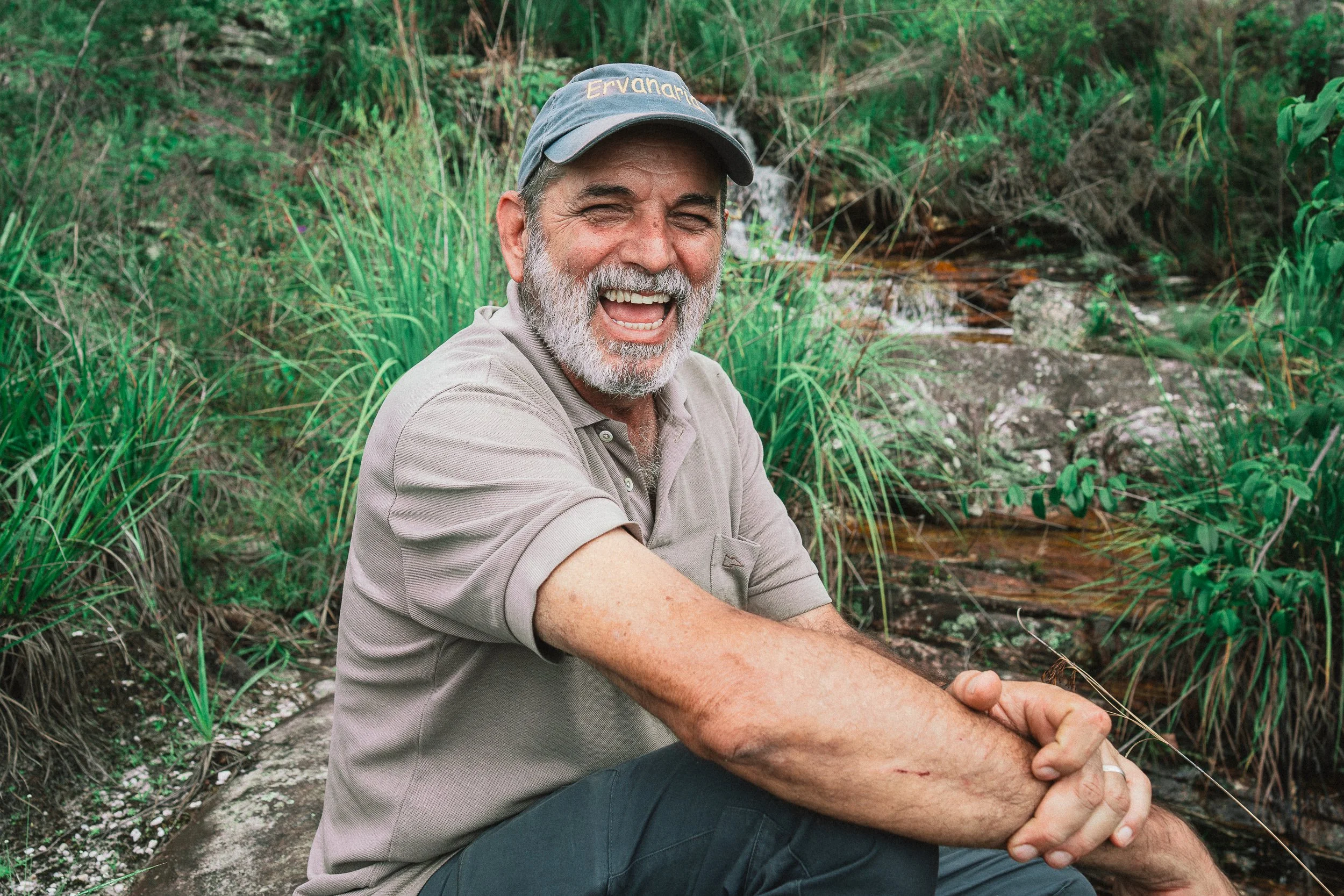


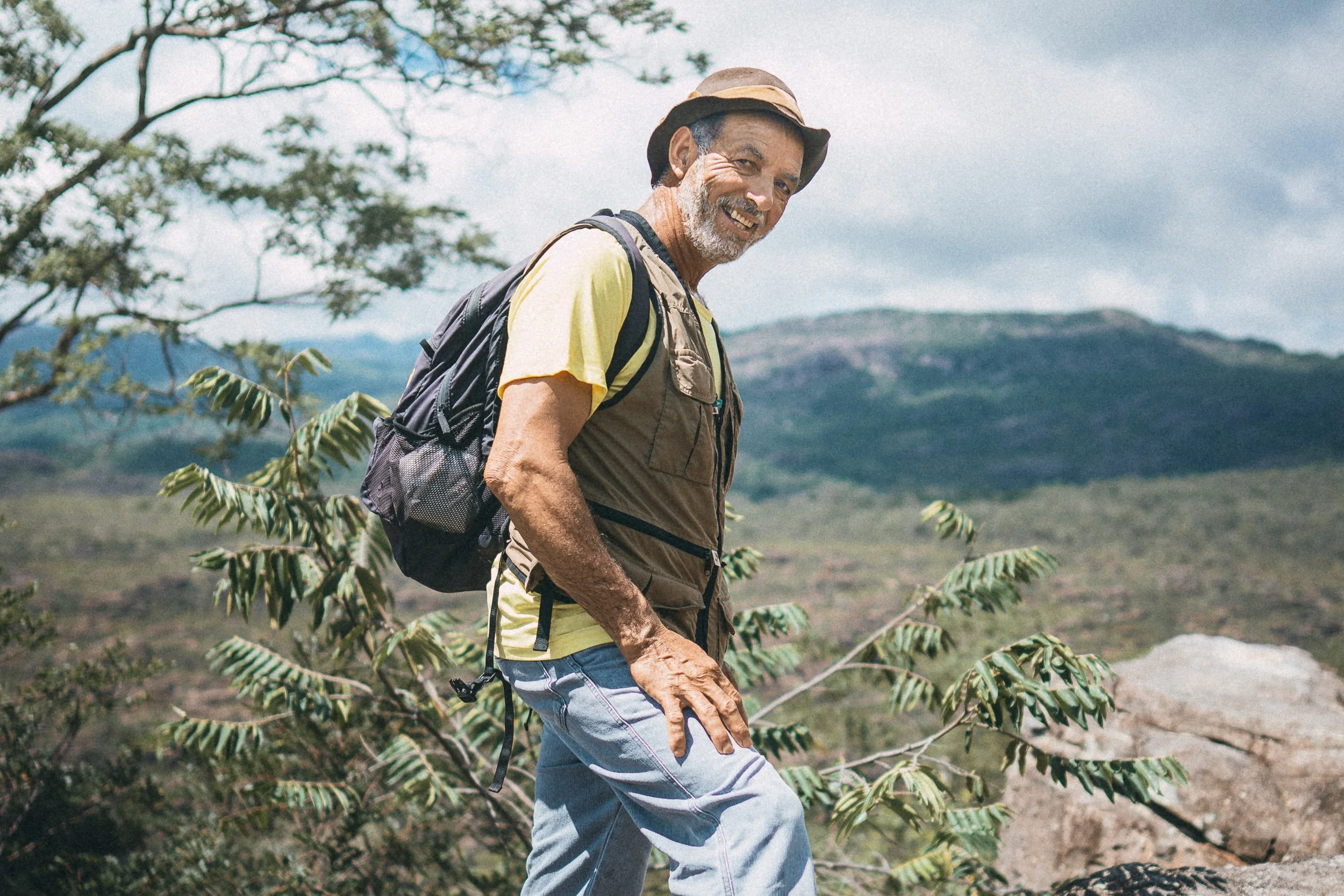

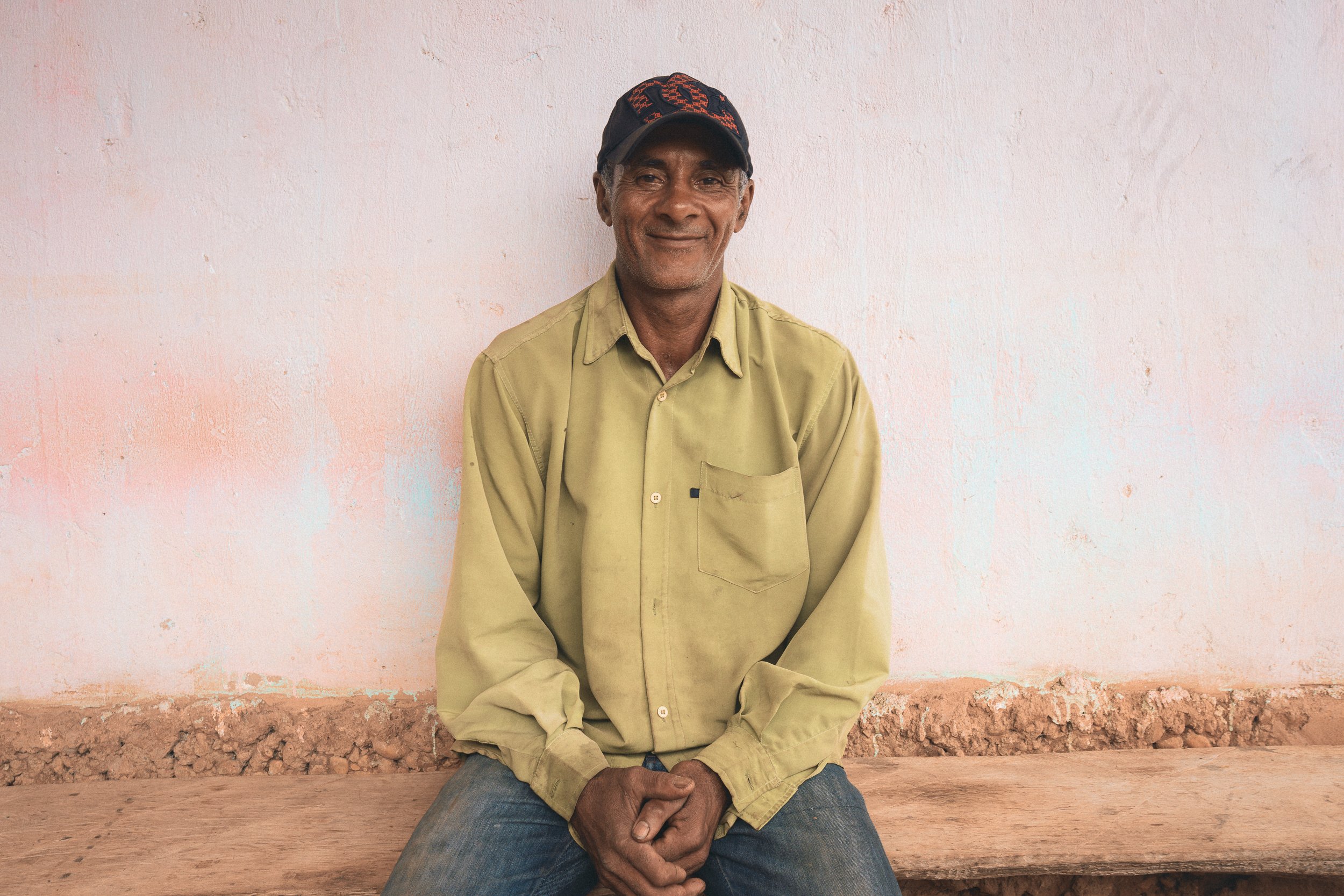



Questions? We’re here if you want to talk it through.
What’s Included
28 days. A full expedition crew. An original route shaped through years of fieldwork.
-
All accommodations are included.
Across the full traverse, we move between homes, pousadas, wilderness refuges, backcountry campsites, and occasional more comfortable stays. Conditions vary widely over four weeks in the range, and the route is designed with that in mind.
-
All breakfasts, lunches, dinners, and daily trail snacks are included.
Meals are shared in homes, pousadas, and small eateries along the trail—simple, generous, and closely tied to the places we pass through.
At different points along the route, the setting shifts: campfire meals in the backcountry, long tables in village homes, and the occasional more refined evening in town after days deeper in the range.
-
All ground and river transportation within Brazil is included, from arrival to departure.
This includes overland travel, support vehicles, pack animals, and river crossings where the route calls for them.
-
Each Expedition is led by Elisa and I, supported by drivers, guides, and local specialists from across the range, including horsemen, boatmen, mule drivers, cooks, and others.
The level of support is unusually high for a group this size, especially during longer stretches deeper in the backcountry.
-
We provide all group and expedition gear, including camping equipment, kitchen setup, water filtration, and safety systems.
You’re welcome to bring your own gear if you prefer—especially items you’re used to using on the trail.
-
All required permits, park entries, and local permissions are included and arranged in advance.
-
We travel with support vehicles, satellite communication systems, first-aid equipment, and established safety protocols for remote travel in the range. Crew members remain in contact throughout the expedition.
-
We’ll help you prepare for the expedition with dedicated calls, planning guidance, and ongoing communication before the departure.
-
You’ll receive a detailed expedition dossier before departure, along with a small set of practical items during and after the trip.
Odds & Ends
Prerequisites
prior trekking and/or outdoor experience is strongly recommended, but not required.
All applicants must undergo a complete physical examination and receive written approval from their physician within 3 months of the Expedition.
Travel Insurance
Proof of adequate medical & emergency travel insurance is required before joining the Expedition. Details are available in our Terms & Conditions. We’re happy to talk you through the details if needed.
What’s Not Included
Airfare
Medical & emergency evacuation insurance (minimum required)
Trip cancellation or other travel insurance
Visas
Any meal or activity not outlined in the itinerary
Alcoholic beverages
Gratuities (tips &/or community donations)
getting there & away
We’re happy to recommend travel arrangements to and from our rendezvous point in Belo Horizonte, Brazil. Please note that Gift of Go does not book international flights on behalf of travelers.
CONNECTIVITY NOTES
3G, 4G & 5G signals (in that order) are widely available across the Espinhaço frontcountry, where we will spend the majority of our evenings & mornings. Those signals are sporadic in the backcountry, however, where we’ll spend the majority of our days. Your connectivity will depend largely on your carrier & plan; if you’d like, we can provide you with a Brazilian SIM card upon your arrival. WiFi is available at many of our accommodations during the mornings & evenings of the Expedition.
Additional Reading
A Flower & A Way of Life in Peril — Scientific American
Life on the rocks in Brazil’s Campo Rupestre — the guardian
Explorations of the highlands of Brazil — Sir richard burton
Brazilian Diamonds: A Historical & Recent Perspective — Gems & Gemology, Spring 2017 Vol. LIII
The Espinhaço Range Biosphere Reserve — UNESCO
Globally important Agricultural Heritage System (GIAHS) Proposal — CODECEX
Beneath the Surface
Diamonds & flowers. Slavery & wildfires. Empire, extraction, and a region still defining itself.
-
For two centuries, diamonds shaped the economy, migration patterns, and political structures of the Espinhaço. When extraction slowed, the region didn’t collapse. It recalibrated.
Today, mining, flower-picking, conservation, agriculture, tourism, and public policy coexist in uneasy balance. Some communities look toward infrastructure and development. Others toward preservation and ecological stewardship. Most have been forced to navigate both.
DWTLT traces this arc over four weeks, not as a thesis but as lived reality. The question isn’t whether change is coming. It’s how it will be absorbed, resisted, or reshaped in a region that has already endured multiple reinventions.
-
The Amazon grabs the headlines, but Brazil wouldn’t be the most biodiverse country on earth were it not for its “other” ecological treasures, two of which are found in the Espinhaço: the Cerrado and the Atlantic Rainforest (Mata Atlântica).
Trailing only the Amazon in size, the Cerrado is the most biodiverse tropical savannah on the planet home to:
800+ species of birds
10,000+ species of plants
120 reptiles, 150 amphibians, 1,200 fish, 200 mammals
90,000 species of insects
The Atlantic Rainforest, meanwhile, holds over 20,000 species of plants, 1,000+ birds, 2,000 vertebrates, and 300 mammals, many found nowhere else on earth.
Geomorphologically speaking, the Espinhaço is a tale of these two endangered biomes—a rare, high-altitude transition zone where their systems converge. In that overlap lies the campos rupestres: a rocky, flower-strewn ecosystem found almost exclusively within the range, and considered by many to be Brazil’s most biodiverse habitat.
You’ll get to witness this interplay between grasslands and rainforest throughout our Expedition, especially in Chapter I.
Few places in Brazil reveal this ecological overlap so clearly.
-
The Serra do Espinhaço Meridional harbors a remarkable 19 conservation units, encompassing two million acres of protected land. Combined with the surrounding buffer zones, they cover an area roughly the size of New Jersey.
Collectively, these protected lands are known as the Espinhaço Mosaic (Mosaico do Espinhaço), and they represents a remarkable concentration of endemic species.
We’ll traverse eight of the Mosaic’s conservation units during our Expedition, including:
Sempre Vivas National Park
The State Parks of Biribiri, Rio Preto, and Itambé
The Águas Vertentes State Environmental Protection Area
The Municipal Environmental Protection Areas of Rio Manso and Serra de Minas
The Várzea do Lajeado e Serra do Raio State Natural Monument
-
There’s a saying among garimpeiros in the Espinhaço that “all stones look like diamonds, but diamonds don’t look like any other stone.”
The same might be said of Sempre Vivas National Park, a vast stretch of high-altitude savannah that certainly feels unlike any other corner of the Cerrado.
Spanning 1,241 km² (roughly the size of Los Angeles), but with just a dozen full-time inhabitants, Sempre Vivas is the deep outback of a region that could itself be described as outback. Untamed, spectacular, and deeply controversial, the Park is a true undiscovered gem. It’s remarkable how few travelers—from Brazil or elsewhere—make their way here.
We’ll spend eight days in and around the Park during our Expedition, including a four-day westward crossing in Chapter II and a glorious traverse of the Rio Preto River Valley in Chapter IV.
We don’t expect to encounter any other travelers on the trail.
-
Getting from Point A to Point B has always been an adventure in the Serra do Espinhaço, and nowhere is this more evident than along the region’s spectacular (and virtually empty) network of historic trails.
While urban footpaths, game trails, dirt roads, old rail lines, and park-administered nature trails each have a role to play in the Espinhaço’s winding logistical labyrinth, three kinds of passages define the backcountry here:
Colonial-era stone paths, built by enslaved Africans to facilitate the diamond trade along the Estrada Real
Winding mule trails, used by tropeiros to transport goods until as recently as the 1980s
Centuries-old smuggler routes, later retraced by European naturalists like Sir Richard Francis Burton and Augustin Saint-Hilaire (among others) during their 19th-century expeditions across the Cerrado
Our team has spent years rediscovering this lost network, documenting its history, geography, and inhabitants while charting our expeditions.
The trails remain largely untraveled.
-
Serra is a word you’ll hear often (and in a dizzying array of contexts) throughout the Expedition.
Its most ubiquitous translation is “saw” (as in a serrated blade), but in the Espinhaço, the usage leans toward the word’s other literal meanings: mountain range, mountain, ridge, highlands, and so on.Our trip may be set in the Serra do Espinhaço, but we’ll temporarily leave the serra—lowercase, as in “the mountains”—at the end of Chapter II, when we descend into the lowlands.
About those lowlands: across most of Brazil, Sertão (capitalized) refers to the inhospitable hinterlands of the Northeast: an almost-mythical landscape, famous for unbearable heat, tortured trees, poverty, and the hardened lives that emerge from it.
In the Espinhaço, however, even the sertão (lower case, as in “agrarian lowlands) manages to be green: lined with waterfalls, punctuated by riparian forests, and bursting with fresh water.
You’ll have a full week to see and enjoy it for yourself in Chapter III.
-
According to the UN, a staggering 89% of Brazilians now live in urban areas (typically defined as population centers with 2,000 or more inhabitants), compared to just 56% of people worldwide.
This Expedition casts a light on the life among the rural 11%.
We’ll pass through 22 communities, overnighting in 16 of them. From UNESCO World Heritage city Diamantina (pop. 50,000) to far-flung Santa Rita (pop. <10), each community on route reflects a distinct history and way of life.
Among the places we’ll visit:
The quilombola communities of Capivari, Mato dos Crioulos, Macacos, and Quarteis do Indaiá
The colonial-era mining districts of Mendanha, Curralinho, São João da Chapada, and São Gonçalo do Rio das Pedras
The historic vilas of Biribiri and Santa Bárbara
The remote mountain hamlets of Pinheiros and Abóboras
And the agrarian communities of Curimataí and Santo Antônio do Itambé
-
The Espinhaço carries a dense oral history, much of it draped in myth and retold in fragments.
Across distant communities, stories circulate of miners who vanished with their finds, captains who rose and fell by river, ranchers killed in improbable encounters, and children raised in caves near Biribiri. Some of these accounts are documented. Many are not. All of them persist.
They travel the way goods once did: by mule, by memory, and by repetition, around kitchen tables and roadside bars, during card games and late-night meals, shifting slightly with each telling.
We’re sure to hear a few of these stories during our crossing. Tradition dictates that we carry at least a few of them to the next town ahead.
-
Traveling on foot changes the nature of arrival. There’s nothing quite like being received graciously by kind souls in “the middle of nowhere” after a day of trekking through the harsh elements.
A village that might feel quiet or unremarkable from a vehicle takes on a different weight when reached after a full day on the trail: the reception is different, the conversation is different, and the evening carries context.
Throughout the Expedition, we’ll spend nights in a range of homes and small lodgings, from historic townhouses to no-frills modern homes, and adobe farmsteads and family-run pousadas to wilderness shelters. Each reflects the rhythms and realities of its setting.
Our visits aren’t staged. They’re scheduled. Doors open, meals are prepared, and stories—of the trail we arrived on, the weather, of life wherever it is we find ourselves that evening—surface naturally. Comfort varies, but hospitality does not.
Having the opportunity to experience how folks live in this part of the world is a privilege few know. Sharing a table, washing off the dust of the day, and sleeping in a strange bed are all part of the experience.
Without them, we’d just be crossing mountains.
-
Tropeiro. Tutu. Torresmo. Frango com molho pardo.
If you’re unfamiliar with the hearty regional cuisine of Minas Gerais, you will be by the end of the trip—and Brazilians everywhere will be jealous.Still relatively unknown abroad, comida mineira is deeply beloved within Brazil, where it’s celebrated for its timeless preparation methods: traditionally relying on wood-fired stoves and clay or cast-iron cookware, and fresh, minimally processed ingredients.
Locally sourced fruits and vegetables, high-quality dairy, and home-raised pork and chicken are hallmarks, as are salted beef and mandioca (cassava).
Treats unique to the Espinhaço include angu (think: polenta), quitanda (small handcrafted biscuits), samambaia (fern), and queijo do Serro—a semi-cured local cheese that’s won international awards and generated culinary buzz around the Serro microregion.
Finally, a word about that most beloved of Brazilian delicacies, pão de queijo (cheese bread): it was both invented in Minas and perfected in Minas.
You’ll get to judge for yourself throughout the Expedition. -
Before diamonds, flowers, or tourism (or the lack thereof), the Serra do Espinhaço was a story about water. And in the end, it is water—not gemstones, flowers, or natural beauty—that has protected the region once again.
As the birthplace of several of Brazil’s most economically vital rivers, including the Jequitinhonha, Doce, and São Francisco, the Espinhaço is bursting with tributaries, creeks, streams, marshes, and bogs. Voluminous waterfalls spill from its escarpments in every direction, creating fertile farmland to the east and breathing life into the sertão to the west.
The region can be challenging to explore during the summer months (December–February), due to the frequent threat of rain, lightning, swollen rivers, and muddy terrain. This is also when the vegetation is at its most verdant, and the waterfalls at their most spectacular.
Daily storms typically taper off by early March, making fall (March–May) one of the most beautiful times of year: gushing waterfalls, exuberant vegetation, plentiful springs, and easily crossable rivers.
Winter (June–August) is extremely mild and dry, offering near-perfect trekking conditions, though water levels continue to drop in rivers and waterfalls as the season progresses.
By spring (September–November), the long dry season finally breaks. September, in particular, offers another glorious window to explore the region: the parched savannah landscape bursting with cactus fruit and wildflowers, and gently flowing rivers criss-crossing the landscape.
-
In a region where mining, flower gathering, hunting, and small-scale agriculture have long shaped daily life, conservation remains a complicated subject.
Many residents recognize the ecological value of the mountains and the waters that rise from them. At the same time, the expansion of protected areas onto formerly private lands has altered access, land use, and economic possibility.
The tension is often practical rather than ideological: the Espinhaço holds rare minerals and rare flora, and many of its communities have historically faced economic precarity. Preservation, extraction, and tourism don’t exist in abstraction here; they intersect in lived terms.
Perspectives vary widely. Over the course of the expedition, you’ll hear more than one.
-
UNESCO World Heritage City. Terminus of the fabled Estrada Real.
Living testament to Portuguese Baroque and Rococo architecture.
Former diamond capital of the world.Diamantina (pop. 49,500) somehow manages to be all of this and more.
The cultural capital of the Espinhaço.
A vibrant college town at the crossroads of past and present.
The region’s economic and logistical center.UNESCO once described it as “a colonial village set like a jewel in a necklace of inhospitable rocky mountains.”
And yet, Diamantina remains under-visited, even by mineiros. Its architecture and history widely admired, its cobblestoned alleyways often blissfully empty.

One last Glance
Across the Espinhaço, into the story of Brazil
470 km of trails & backroads
24,033 m elevation gain & loss (trail)
4 travelers (maximum)
22 communities
24+ waterfalls
3 peaks
3 UNESCO designations
8 conservation units
3,000+ plant species
Few, if any others on the trail
Calendar & Pricing
Diamonds / Wild Tales+ Lost Trails
One departure annually
Aug 9 – Sep 5, 2027 | 28 days | $33,995 per traveler
Includes all crew, lodging, meals, permits, equipment, support vehicles, pack animals, and river & ground transportation.
Thinking about joining this departure?
Hold my place →
Prefer to talk it through?
Talk with Eddie →
Considering 2028 or beyond?
Talk with Eddie →
Proofs of Life
Photographs from Past Expeditions →













FAQs
-
We’ve traveled this route with enthusiastic first-timers who did remarkably well, and with experienced trekkers who struggled. A lot comes down to mindset, resilience, and how your body responds to consecutive days on the move.
That said, this is a physically demanding, 28-day expedition. You should be comfortable carrying a 10–20 lb (5–10 kg) pack for extended stretches, with long days on varied terrain.
What defines this trip isn’t intensity on any one day, but accumulation. The miles add up, conditions shift, and the expedition tends to favor travelers who adapt well to long stretches on the move.
If you’re unsure, speak with your physician or trainer before applying. A signed Bill of Good Health is required.
If you’d like to talk it through, we’re happy to help.
Talk with Eddie → -
We travel with a full support structure and stay in constant communication between teams.
If you’re tired or dealing with a minor issue, you can continue the journey by vehicle or adjust your pace while staying close to the group.
If something more serious comes up, we’ll get you to the nearest appropriate care quickly and safely.
-
They’re humble, welcoming, and often a highlight of the trip.
On this route, we spend multiple nights in homes along the way, each different in location, comfort, and character.
These are real places, lived in by real people, and often where some of the most memorable parts of the expedition happen: around the table, in conversation, or in the quiet after a long day on the trail.
They’re not polished or curated. They’re simple and sincere, and they have a way of staying with you.
If you’d like to know more, just ask. →
-
Food is part of the story—and part of the pleasure.
Over a longer crossing like this, meals become anchors in the day: something you return to again and again after hours on the trail or road.
Most are shared in local homes, pousadas, or small eateries along the route. Expect hearty, traditional comida mineira—simple, generous, and deeply tied to the region.
At certain points along the route, the setting shifts, with fireside meals, longer tables, and the occasional more refined evening in town.
If you have dietary needs, we’ll plan for them in advance.
-
Signal is available during most mornings and evenings of the expedition, whether in town or at our accommodations. On the trail and during deep backcountry nights, it’s limited.
We carry satellite communication equipment for emergencies.
-
Nearly everything.
Accommodations, meals, crew, ground transfers to and from the rendezvous point, transportation within the range, permits, and group trail gear are all included.
Flights, insurance, personal gear, alcohol, and discretionary spending are not.
-
We do, but not within this format.
For shorter or more flexible trips, take a look at our Bespoke expeditions. If you’re traveling solo and drawn to a more open-ended crossing, Journeys may also be a better fit.
-
All Expeditions are booked on a first-come, first-served basis.
With small group sizes and limited departures each year, we recommend reaching out as early as you feel comfortable—especially if your dates are fixed.

“here and there, between the stern peaks, lie patches of snow-white sand or a narrow bit of green plain, confused and orderless, a fibre in the core of rockmountain. The land… is illiterate, and it is wild.”
- Sir Richard Burton (1869)